
In Part One of this two‑part series, Chris reflects on his experience at this spring’s Extron Education Summit. With sessions ranging from networking to speaker design, Day 1 offered a lot of practical, actionable information. Read More
Agentic browsers promise to save time by acting on our behalf, but that shift from assisting to executing comes with real consequences for learning. This article looks at how “AI that clicks for you” changes visibility, effort, and responsibility in higher education, and why institutions need to respond thoughtfully. Read More
Smaller colleges and universities make up the majority of higher education institutions in the United States, yet their voices are often underrepresented in technology decisions and industry conversations. This piece argues that professional organizations like HETMA help level the playing field by giving smaller institutions access to peer networks, advisory conversations, and trusted frameworks for evaluating solutions. It also makes the case that when smaller schools are included, the future of higher education technology becomes more practical, more representative, and more responsive to the realities of the institutions doing the most with the least. Read More
What if the biggest difference between a wasted vendor meeting and a game-changing partnership has nothing to do with the product, and everything to do with whether the buyer is truly prepared? In today’s market, becoming a qualified buyer is not just a sales label. It is one of the most important ways customers and vendors can create better conversations, better alignment, and better outcomes. Read More

HETMA hitting 10,000 members is a milestone worth noting, but not the real story. In this Troy Story, the focus shifts from the number to the individual contributions that made it possible, and the responsibility that comes with continued growth. It is a reminder to pause, take stock, and audit the impact you are actually making. Read More
Finding your people in higher ed AV is not about joining a single organization, but about building intentional connections across communities. Drawing from experiences at the MCUAV conference, this article explores the different types of professional groups that exist in higher ed AV and how organizations like HETMA help bridge gaps between local support, strategy, and professional growth. Read More

Tom Segers is the kind of higher ed AV leader who lives in reality first: seven campuses, a tiny team, and decisions that have to work in real classrooms, not just on a tradeshow stage. From privacy driven hybrid design to lifecycle planning and hands on testing, he keeps pulling the conversation back to what education actually needs, then takes that insight straight to the people building the products. His core message is simple: education is too fragmented to influence the industry alone, so community and shared feedback loops are how we move from adapting tools to shaping them. Read More

Industry awards matter because they celebrate excellence, elevate deserving people and programs, and bring visibility to impactful work that might otherwise go unnoticed. Drawing on experience as a nominee, winner, judge, and organizer, Joe argues that winning often comes down not just to the quality of the work, but to the quality of the nomination itself. The strongest nominations are those that closely follow the criteria, tell a clear and compelling story, demonstrate real impact with specific evidence, and make it easy for judges to fully understand why the nominee stands out. Read More

Part two of a two‑part series on the MCUAV 2026 Annual Conference, focusing on the educational sessions, keynote, and campus updates that drove professional learning and reflection. This article highlights shared challenges, practical takeaways, and the value of community‑driven education in higher ed AV. Read More

In this article, Troy Powers reflects on how small, intentional upgrades applied consistently across campus can create real momentum. Rather than waiting for full room refreshes, the focus is on scale, equity, and disciplined consistency. Read More
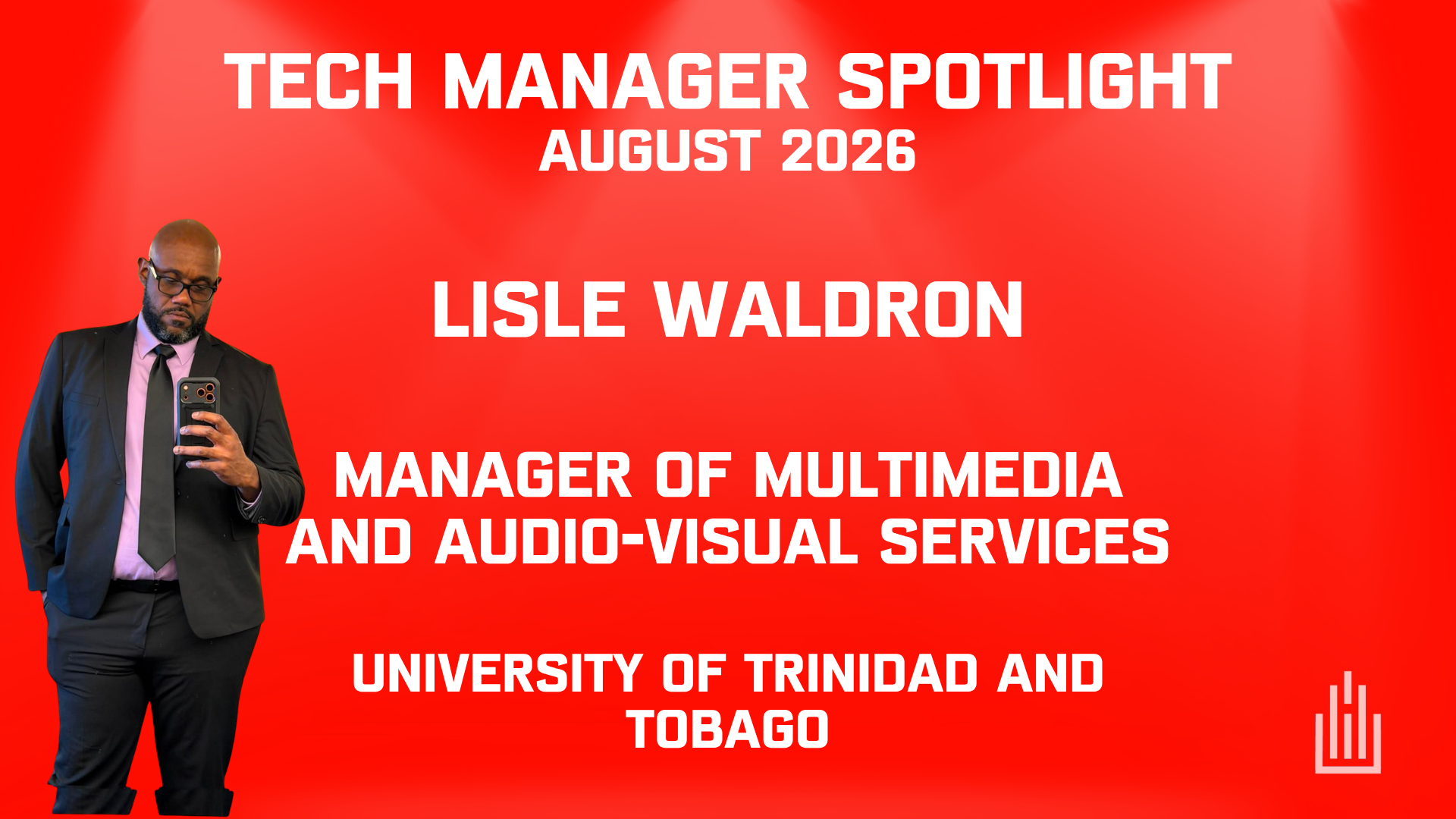
A look inside the MCUAV 2026 Annual Conference, focusing on campus tours and after-hours events that highlighted how peer institutions approach classroom technology, media spaces, and community building. This first part of a two-part series captures what was seen and shared across Gustavus Adolphus College, Bethany Lutheran College, and Minnesota State University, Mankato. Read More
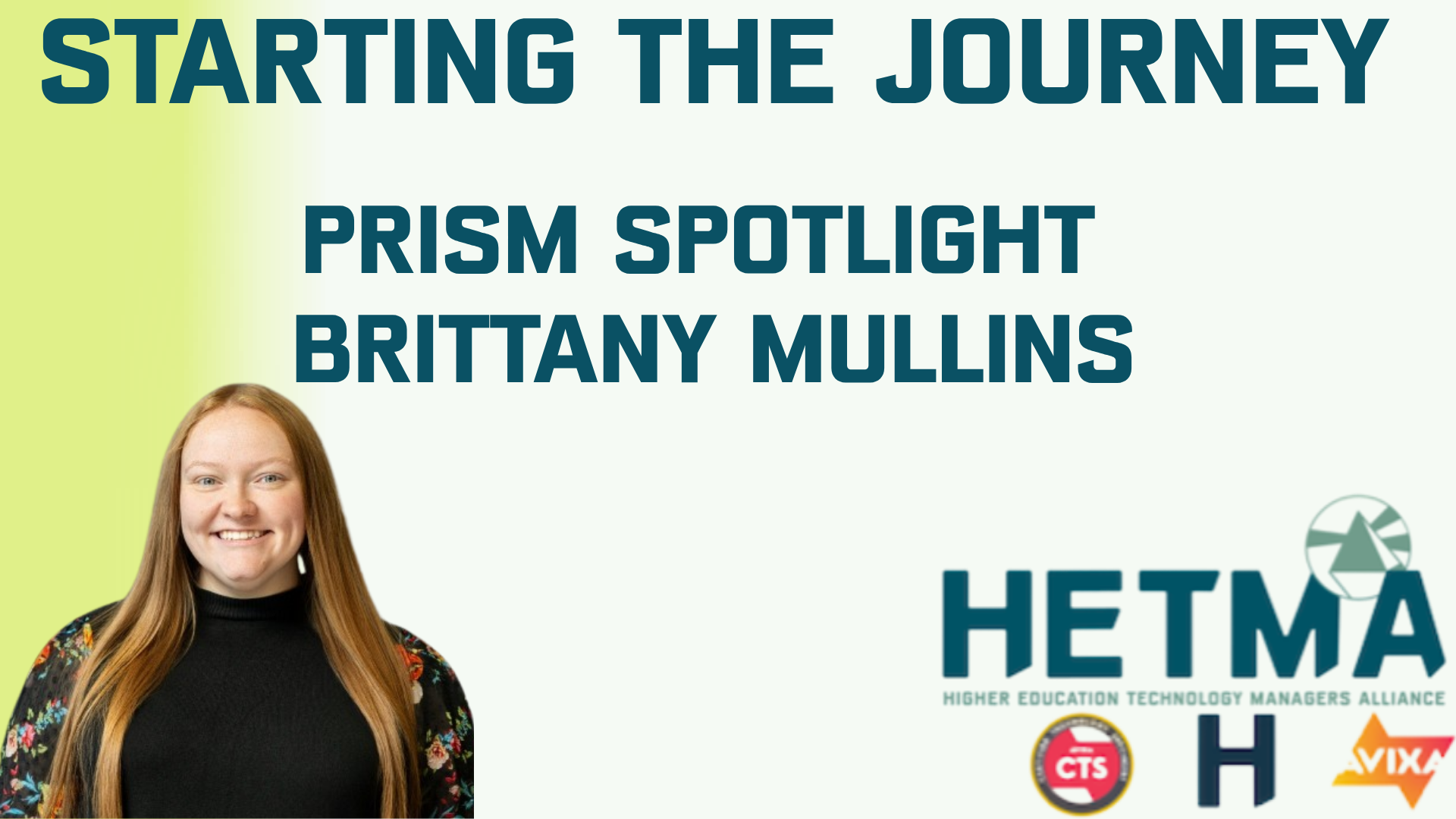
As tools like Claude Code and OpenClaw lower the barrier to programming, higher education is left to navigate both opportunity and risk. In this AI Insights piece, Andy Vogel examines real use cases, accessibility implications, and why clear boundaries still matter as these technologies become easier to deploy. Read More