

Why Being in the Room Matters
I want to talk about the importance of being a white man in the room when conversations about diversity, equity, inclusion, and accessibility (DEIA) are happening.
On the surface, I represent the majority in many ways. I am white, cisgender, able‑bodied, and male. I can walk into many rooms and, if I am not careful, easily take up more space than I should. That reality comes with power, whether we acknowledge it or not. And power brings responsibility.
In IT and AV spaces, that power shows up in very tangible ways. If a woman and I have comparable education or experience, there is a strong chance others will assume I am more qualified. This bias is not theoretical. It plays out in meetings, hiring decisions, leadership pipelines, and whose voice is deferred to when technical questions arise.
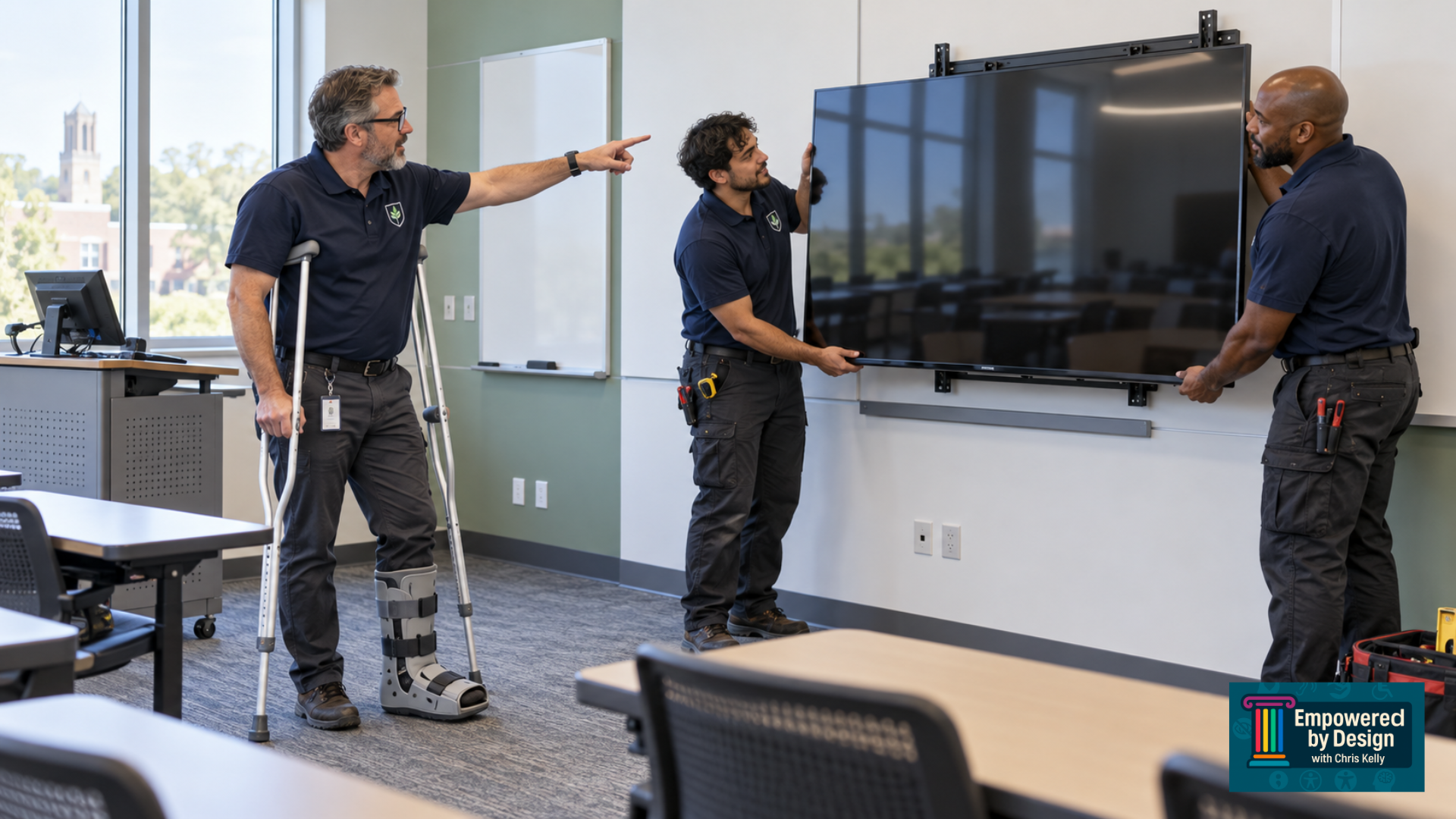
In my own work, my learning environments team is made up entirely of men, and the same is true as I move up the organizational ladder. That is not unusual in IT, and without intentional intervention, it becomes a self‑perpetuating system.
Knowing What Exists in Your Organization
So let me turn the question to you. What does your organization do around DEIA? Do you know what groups exist, who is involved, or what work is already underway?
On my campus, for example, we have an Inclusive Excellence Council that includes the university president and other senior leaders. Representatives from across the institution meet about once a month to coordinate and advance inclusion efforts. The conversations are consistently thoughtful, challenging, and educational. We are also supported by a strong Division of Equity, Diversity, and Inclusion that coordinates programming and initiatives throughout the year.
These spaces matter, not because every voice needs equal airtime, but because they create opportunities to listen, learn, and show support in ways that go beyond statements and slogans.
Allyship Is Not About Centering Yourself
Let me be clear about what I am not saying. White men do not need to be in DEIA spaces to assert themselves, center their perspectives, or ensure they are heard. That framing misses the point entirely.
Some people in majority groups feel uneasy about DEIA work. They worry it leaves them behind, casts them as villains, or asks them to carry guilt for actions they did not personally take. Others see it as a zero‑sum game, where gains for marginalized groups require losses from everyone else. While history reflects real harm—particularly rooted in systems shaped by white male dominance—shame and defensiveness rarely lead to progress. Those who are willing to show up, listen, and learn are not the obstacle to this work.
What is essential is allyship, and allyship begins with humility and curiosity.
Learning What You Do Not Have to Experience
Most white men never have to think about whether adhesive bandages match their skin tone. We do not navigate the mommy track at work, wonder whether our cultural holidays will be treated as optional, or struggle with forms that fail to recognize core aspects of our identity. There is an enormous amount of language, history, and lived experience we will never encounter unless we are intentional about learning it.
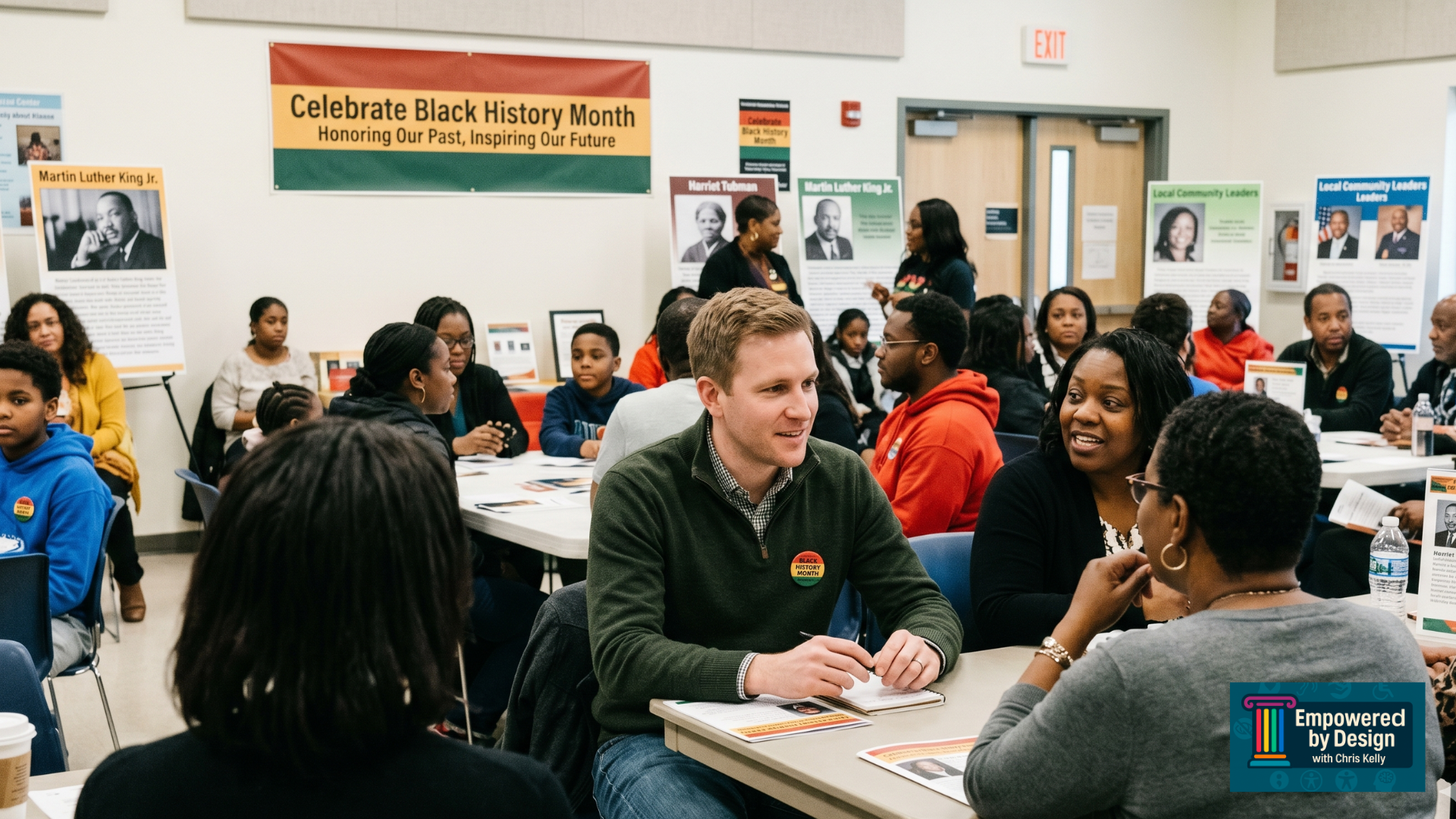
We will never know everything, and that is fine. This work is not about mastery. It is about listening, paying attention to what others are sharing, and learning from the people around us. Attend multicultural events. Encourage colleagues to join. Pay attention to what students and peers are asking for, and why.
Safety, Risk, and Responsibility
One reality that is rarely discussed for majority groups is safety. If DEIA efforts stumble, stall, or even fail, most people in majority categories are largely unaffected in tangible ways. We do not suddenly lose credibility, opportunity, or job security. That safety matters, because it means engaging in this work rarely carries the same personal risk for us as it does for others.
When DEIA efforts fail, however, everyone loses. Organizations miss out on innovation and perspective. Communities miss opportunities to grow. Choosing not to engage because the work feels uncomfortable is not neutrality—it is reinforcement of the status quo.
Showing Up When No One Is Watching
Majority groups often have access to spaces and conversations that are far less accessible to others. If you are in those rooms, responsibility does not disappear just because the DEIA committee is not present.
Speak up when an inappropriate joke is made in a leadership meeting. Check the language you use when creating documentation to ensure it is genuinely inclusive. When deciding who to invite into conversations or projects, think beyond your comfort zone and deliberately make space for more voices.
A Challenge to End On
This work does not happen by accident. Talk with people you do not usually engage with. Attend events centered on cultures other than your own. Learn what DEIA efforts exist in your organization and who is leading them. Show up to meetings not to speak, but to listen.
Allyship is not performative, and it is not heroic. It is consistent, intentional, and grounded in the understanding that the power we carry comes with a responsibility to use it well.ure where to start, reach out. HETMA, and the people within it, exist precisely because none of us should have to do this work alone.