
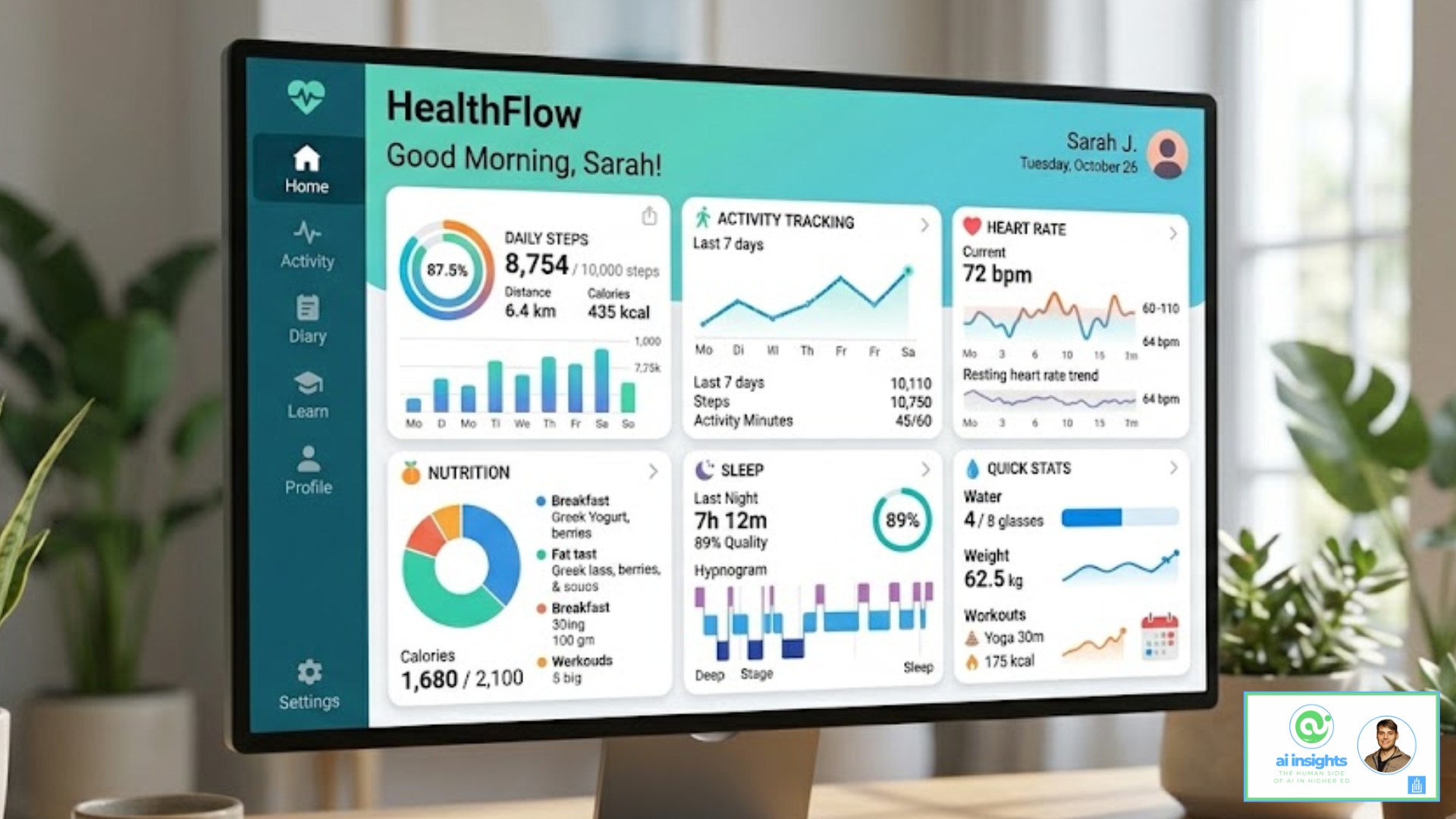


In today’s fast-paced world, technology continues to revolutionize the way we approach health and fitness. One such innovation is the integration of AI into fitness products such as mirrors and tablets, which not only help count reps but also provide a platform to watch Peloton videos. I have been a long-time user of the Peloton Guide, which was first touted as a machine learning product. Despite occasional calibration issues, these tools motivate users to perfect their form, showcasing the potential of AI in enhancing our workout experiences. The Guide, as with many other products, has been discontinued in favor of newer AI-enhanced items.
The concept of health and AI is not new. Devices like Fitbit have been around for years, offering step tracking and health metrics. Recently, I received an email about my Fitbit being disconnected, but it did not bother me, as step trackers are now embedded in most apps. This shift highlights the availability of data and metrics, making it logical to use AI to generate notes and guides.
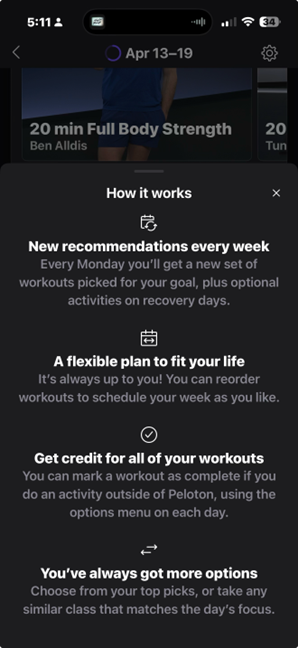
However, the human element remains crucial. Whether it is a gym buddy, coach, or fitness professional, human guidance is essential to prevent injuries and avoid overdoing reps based solely on AI advice. Personally, I enjoy using the Peloton app because it fits seamlessly into my schedule, offering 24/7 access whenever I feel like exercising. This flexibility demonstrates how AI can be a valuable tool, even if it is not used daily, especially when it comes to data visualization.
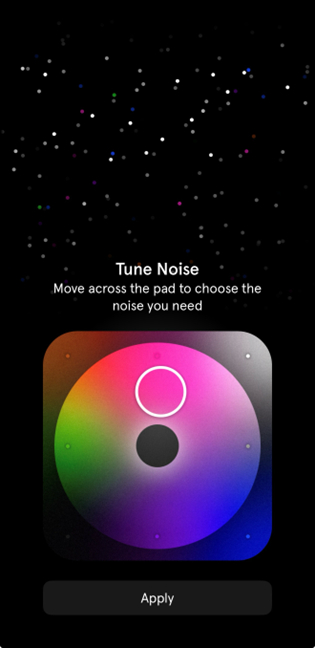
Another fascinating health tool is Endel.IO, a meditation app that utilizes AI-based music. What sets this company apart is that the music is created by artists who license their beats and tracks for AI manipulation. In my classes, students can choose a color to tune the noise, transitioning from brown noise to pink or blue, or even experimenting with magenta noise. The collaborative approach between AI and human creativity, such as discovering magenta noise, underscores the endless opportunities AI offers in enhancing our wellness journey.
In conclusion, while AI provides powerful tools for health and fitness, the human touch remains indispensable. By combining technology with personal interaction, we can create a more personalized and effective wellness experience. How else would we get magenta noise?