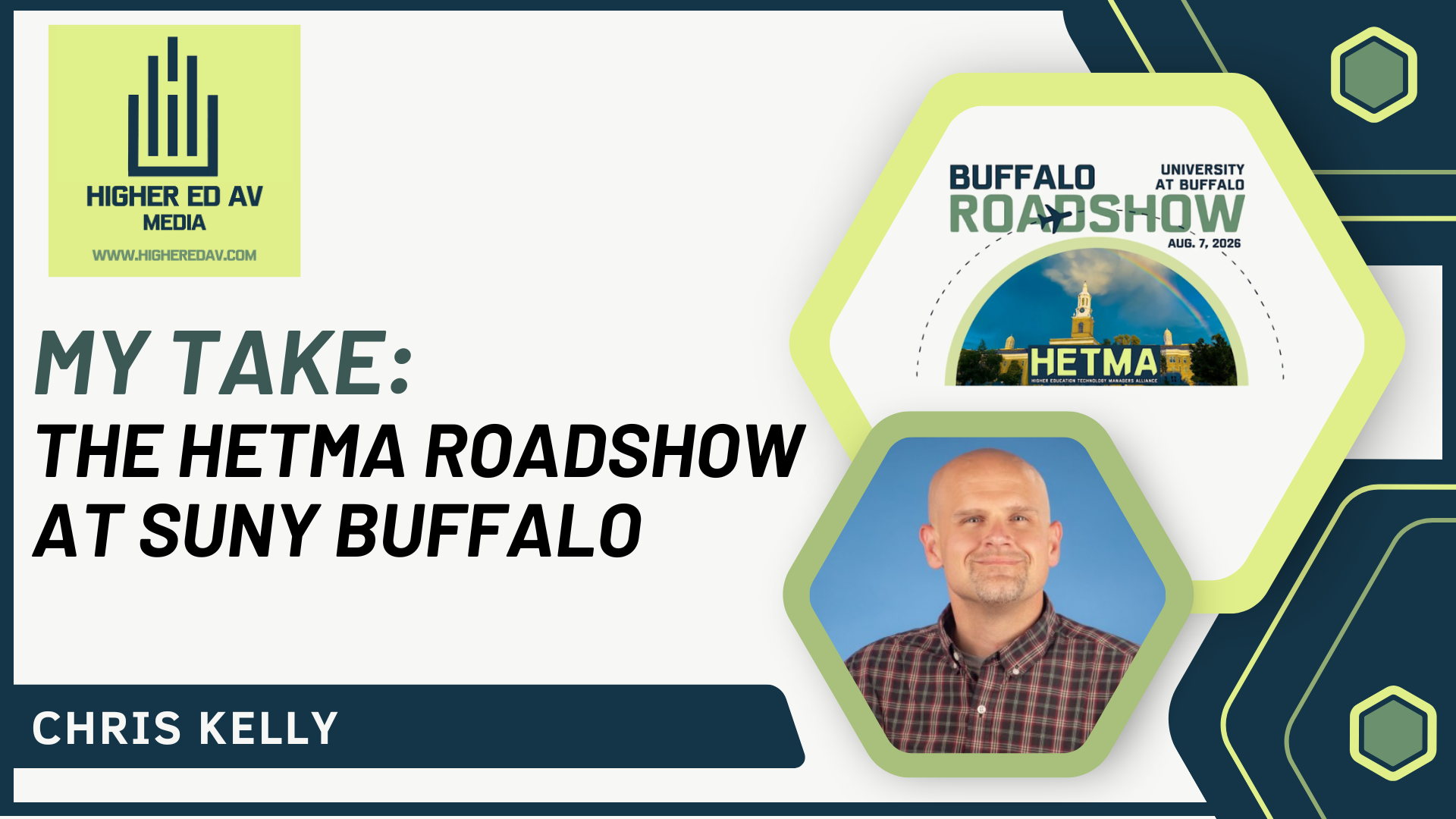
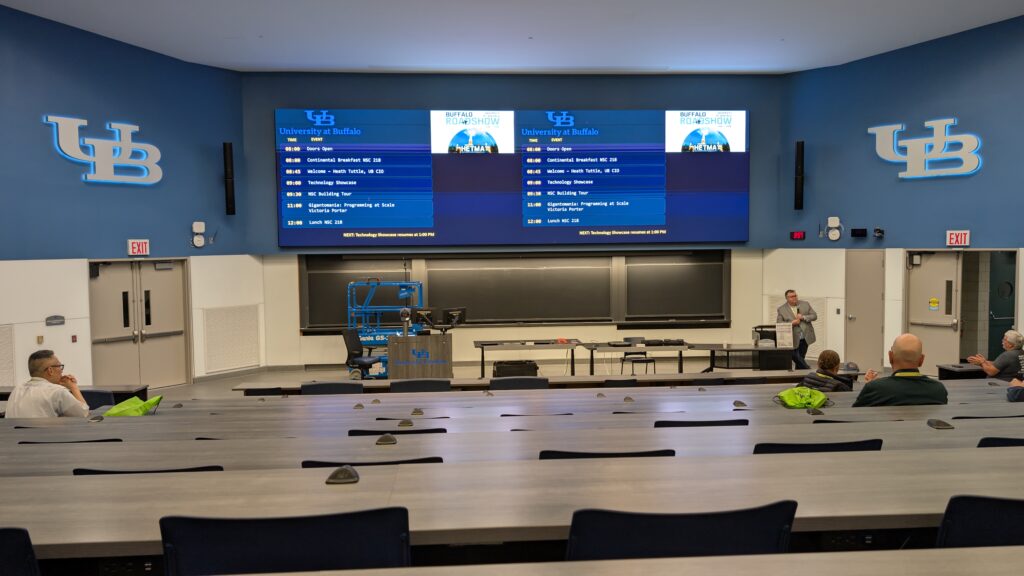
One of the reasons I enjoy attending HETMA Roadshows is the opportunity to see how other institutions approach challenges many of us face every day. We all support classrooms. We all manage technology lifecycles. We all deal with documentation, standards, room utilization, staffing, and limited resources. The differences usually are not in the challenges themselves, but in how institutions choose to address them. On August 7, we had the opportunity to bring the HETMA Roadshow to the University at Buffalo and take a closer look at how their team approaches those challenges.
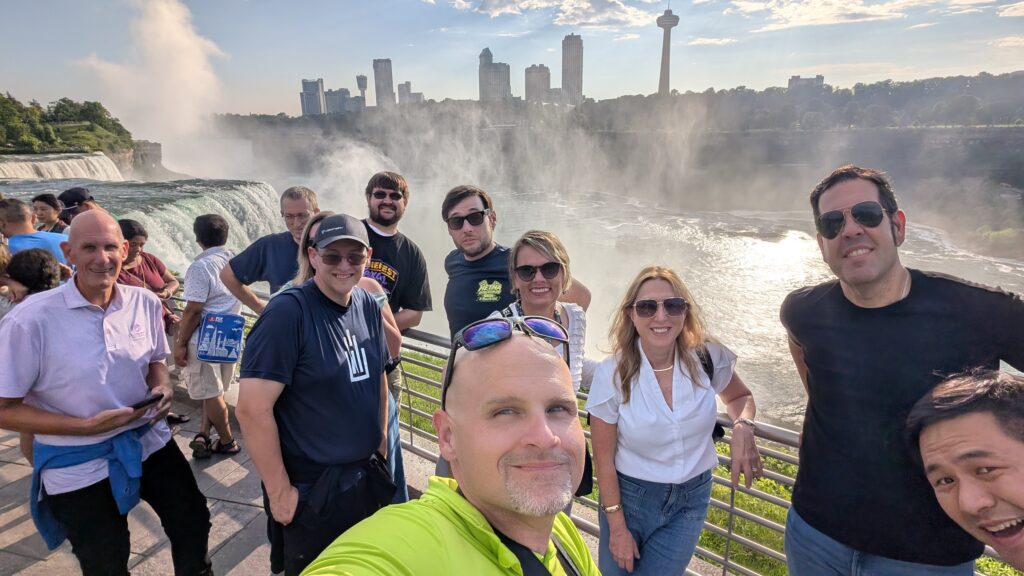
As someone who spends most of his time interacting with institutions in the Midwest, the Buffalo Roadshow also provided an opportunity to spend time with people from a part of the country that I do not know nearly as well. The night before the event officially began, a small group of attendees and sponsors made an unplanned trip to Niagara Falls for dinner. It was not a formal networking event, nor was it a large gathering. It was simply a chance to have conversations away from classrooms, technology, and product discussions. I left that evening with a few new connections and a reminder that while we all work in technology, the relationships we build are often more important than the technology itself.
That theme resurfaced the following morning during the keynote from University at Buffalo CIO Heath Tuttle. During his keynote, Heath Tuttle reflected on a career that began helping faculty teach with technology. Today, his responsibilities span cybersecurity, enterprise systems, data intelligence, institutional strategy, and budgeting. Despite how much his role has changed, his message to attendees was simple: stay curious, invest in the people around you, and make your work count. One comment in particular stayed with me throughout the day: technology is important, but the relationships we build are even more important.
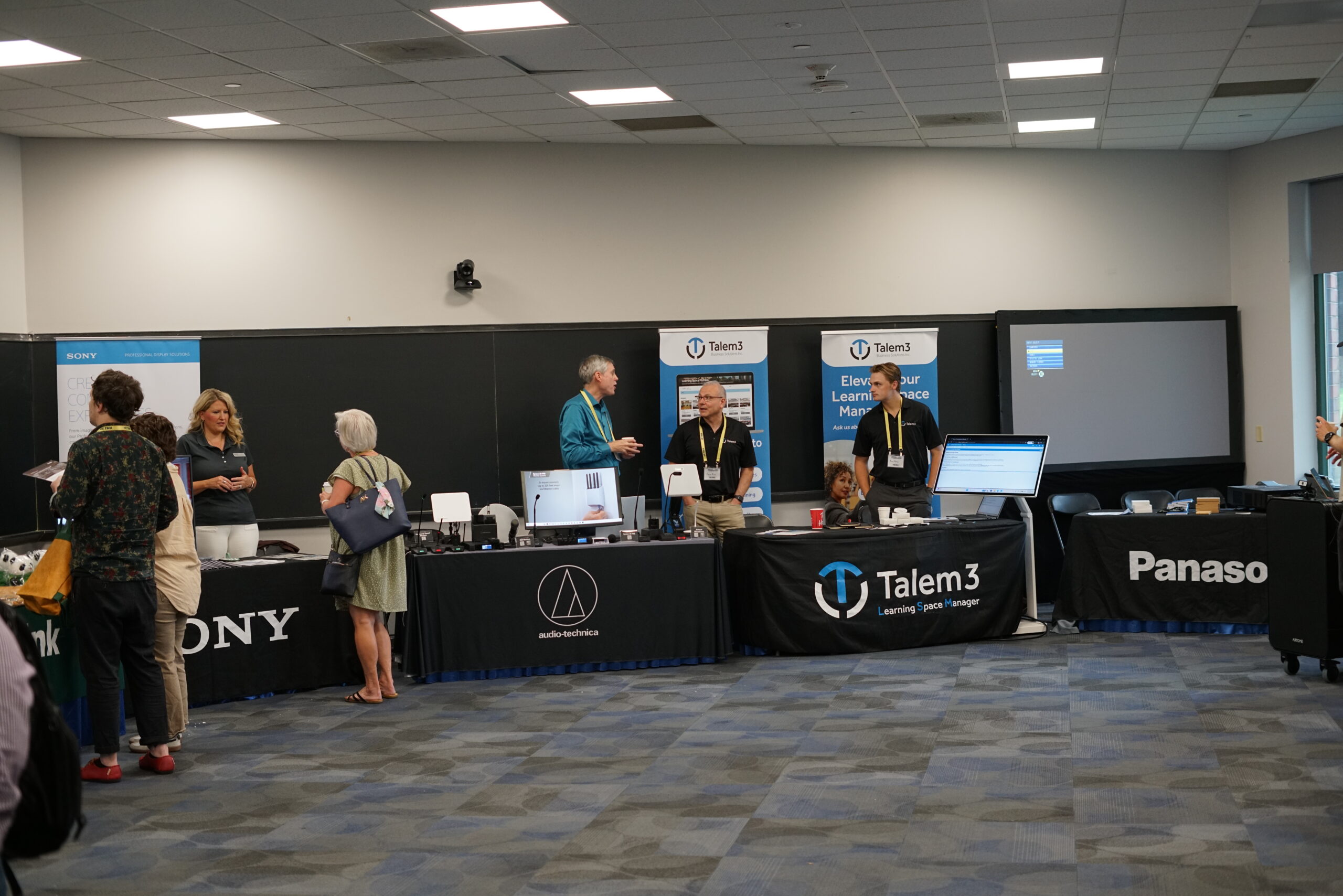
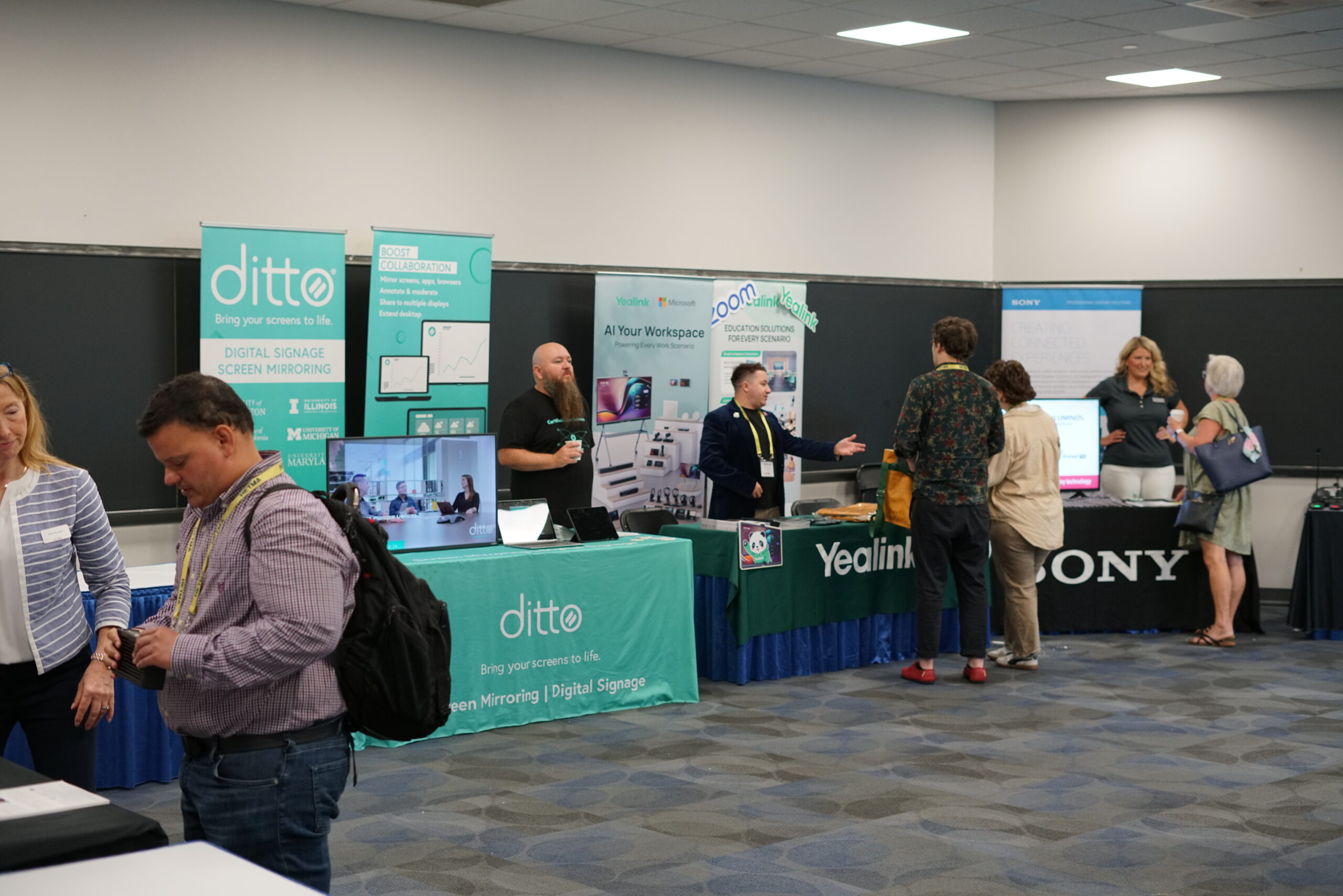
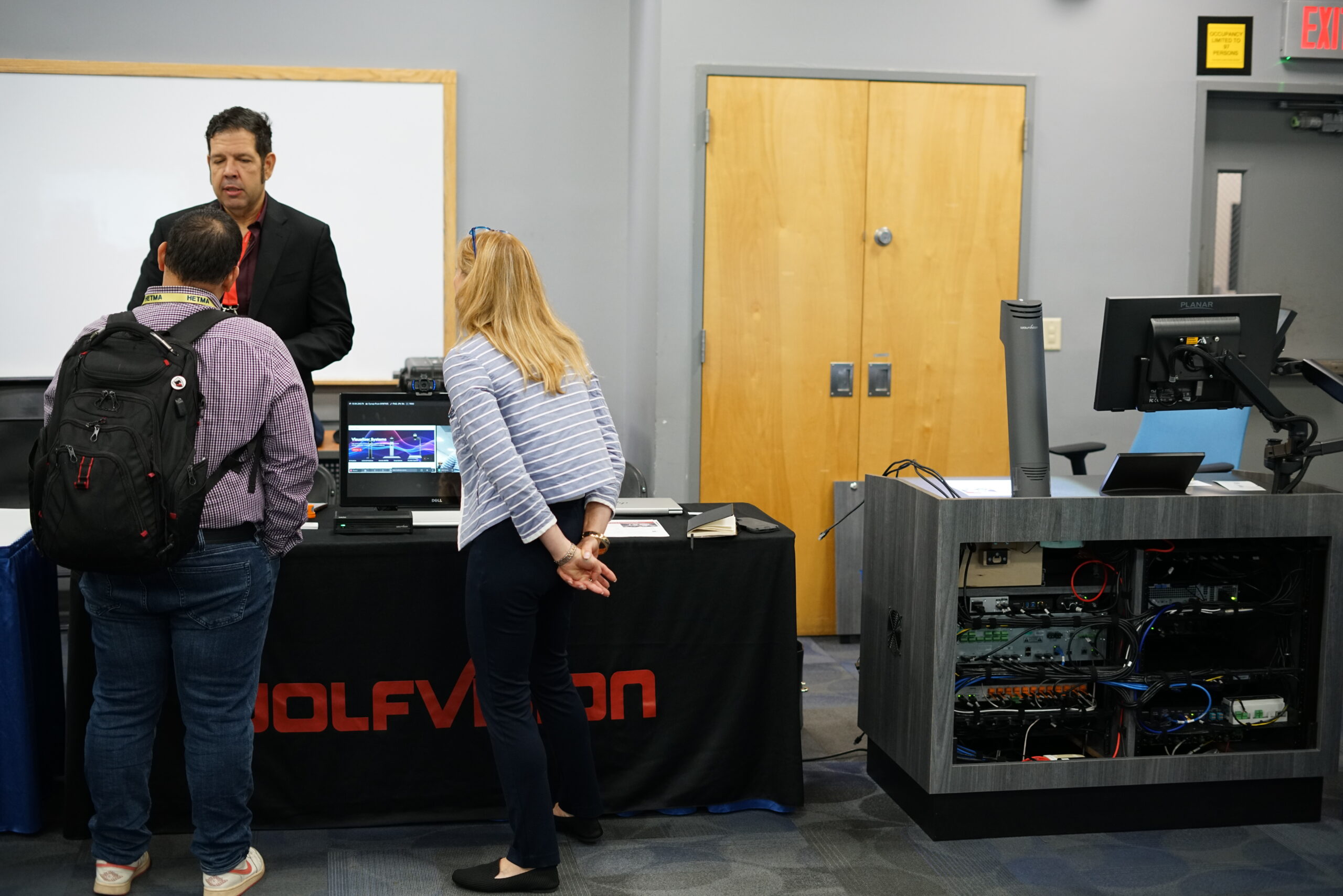
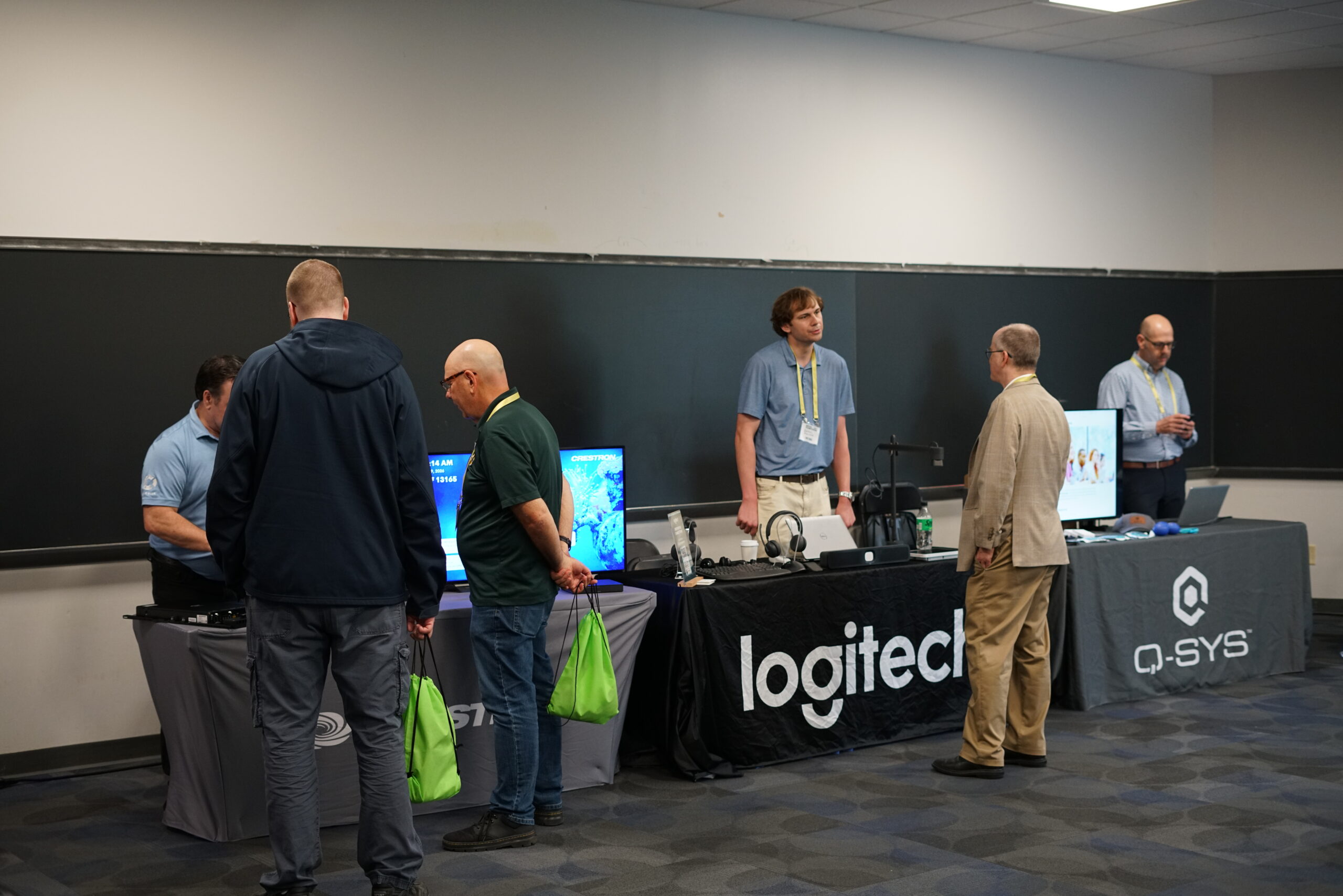
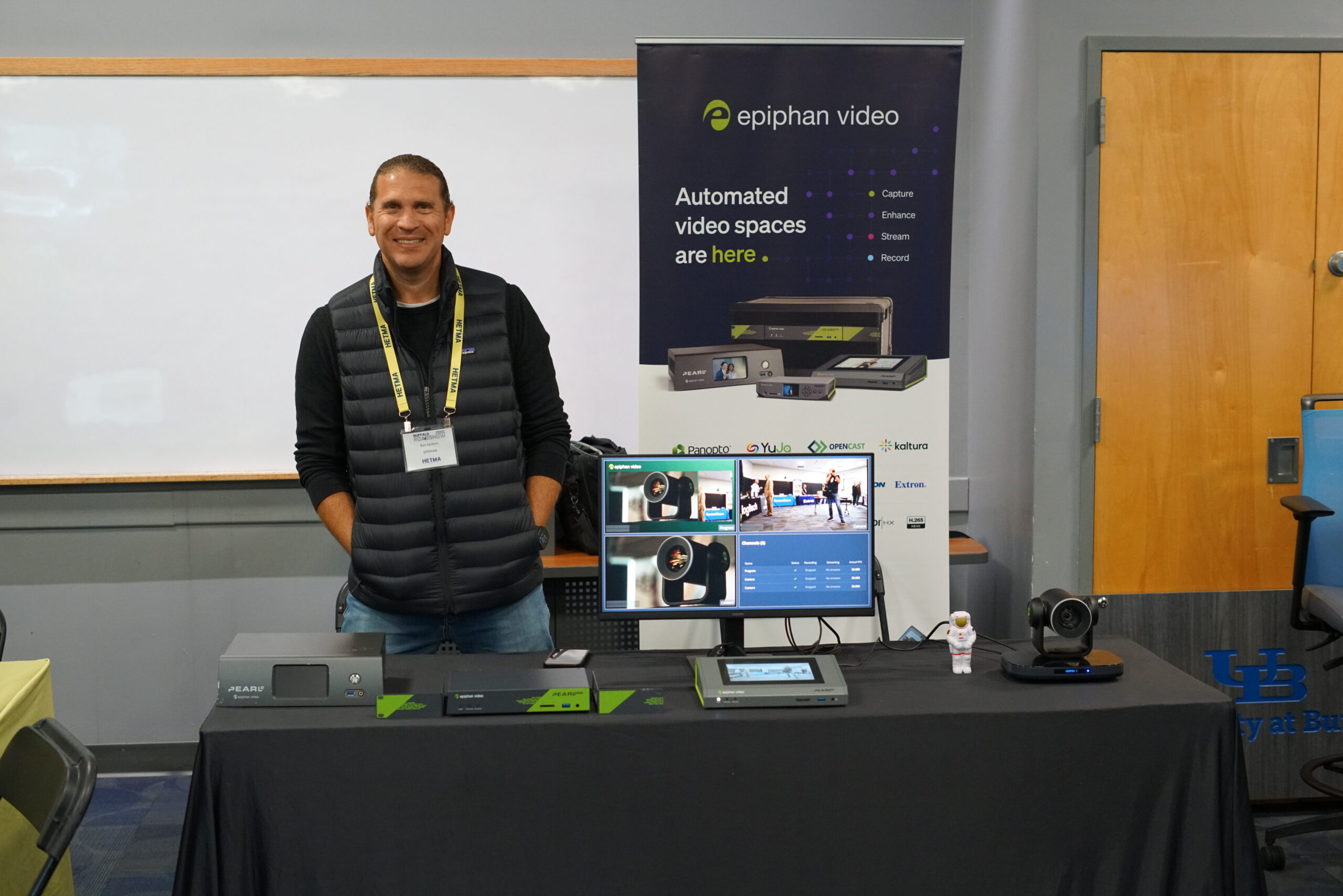
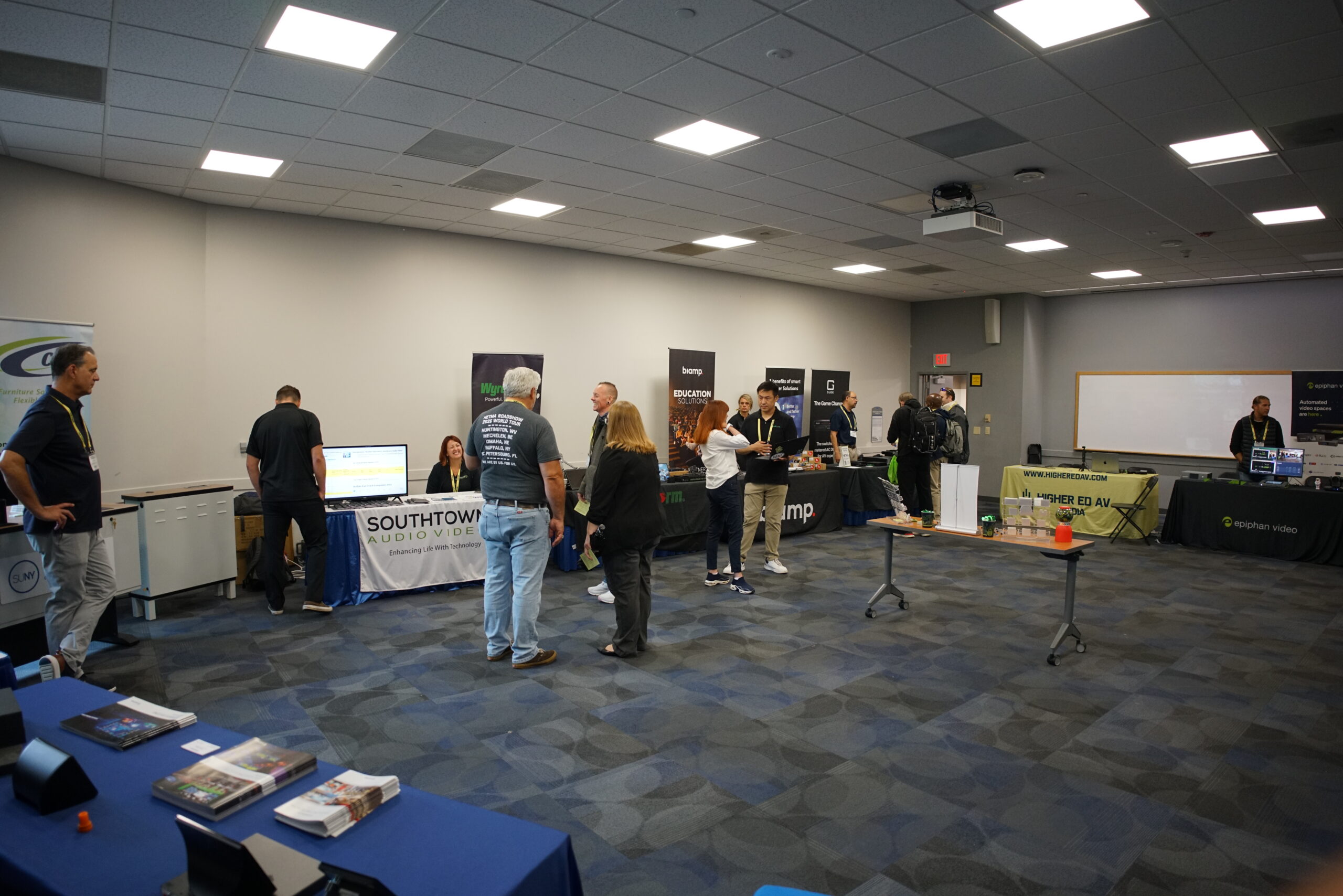
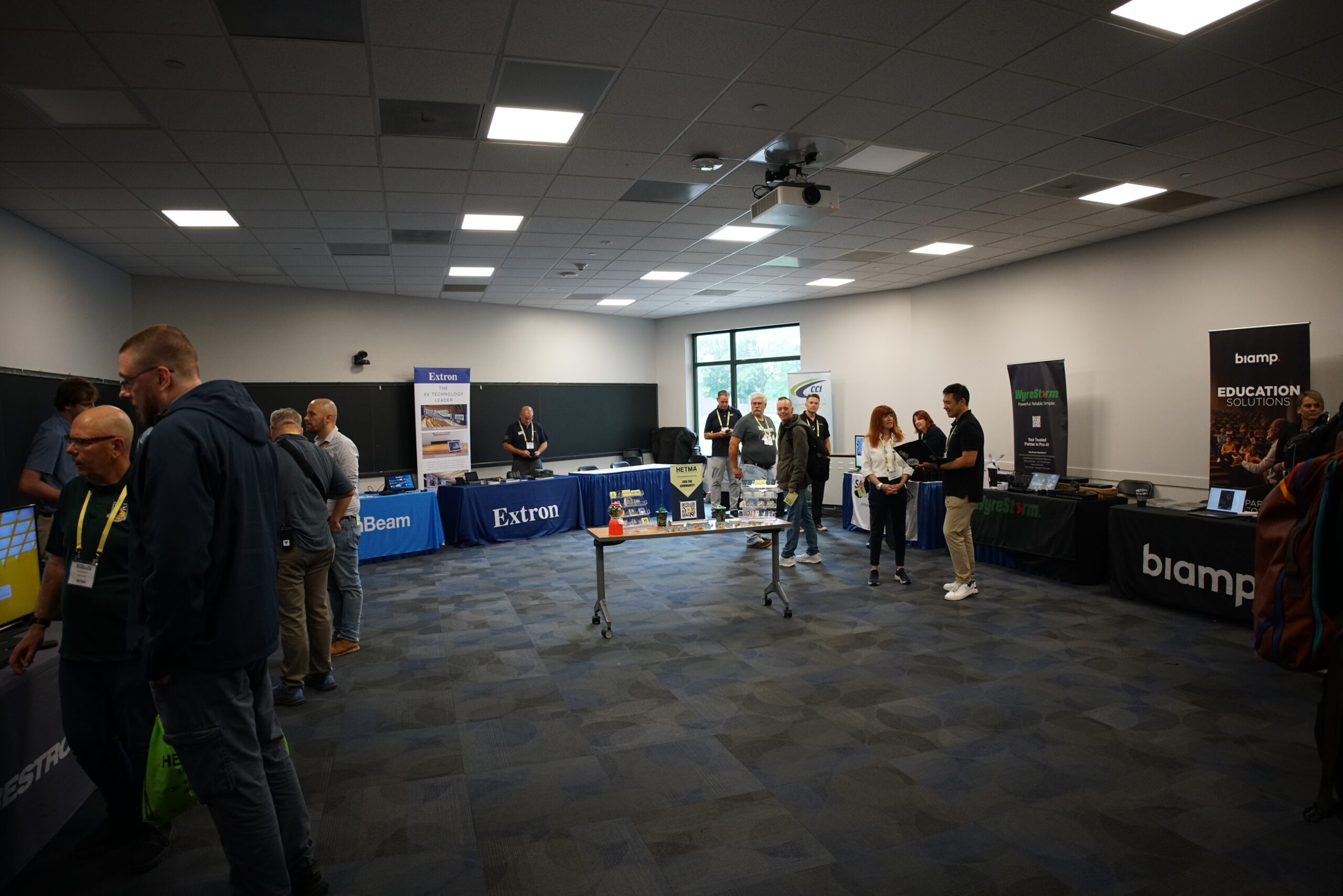
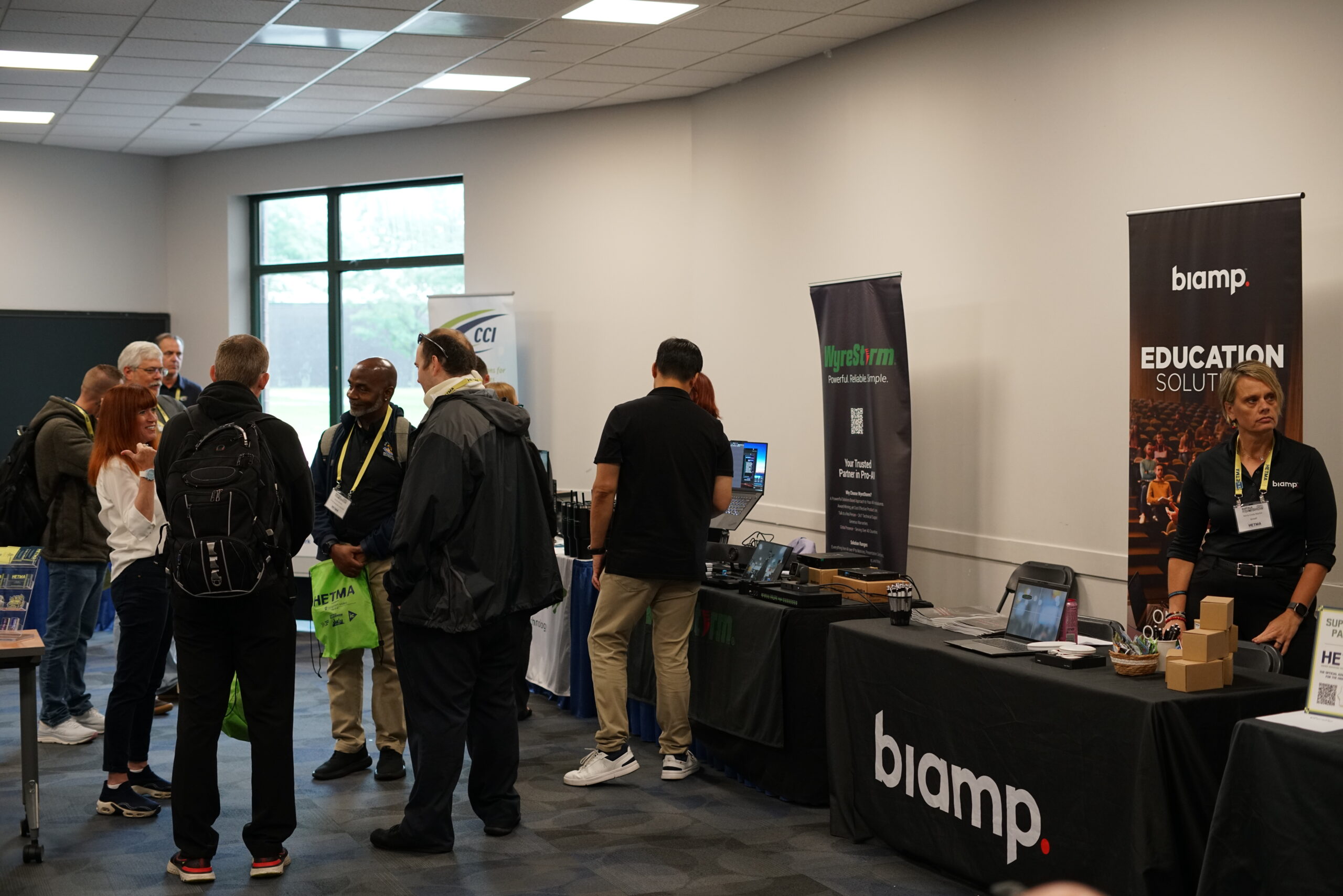
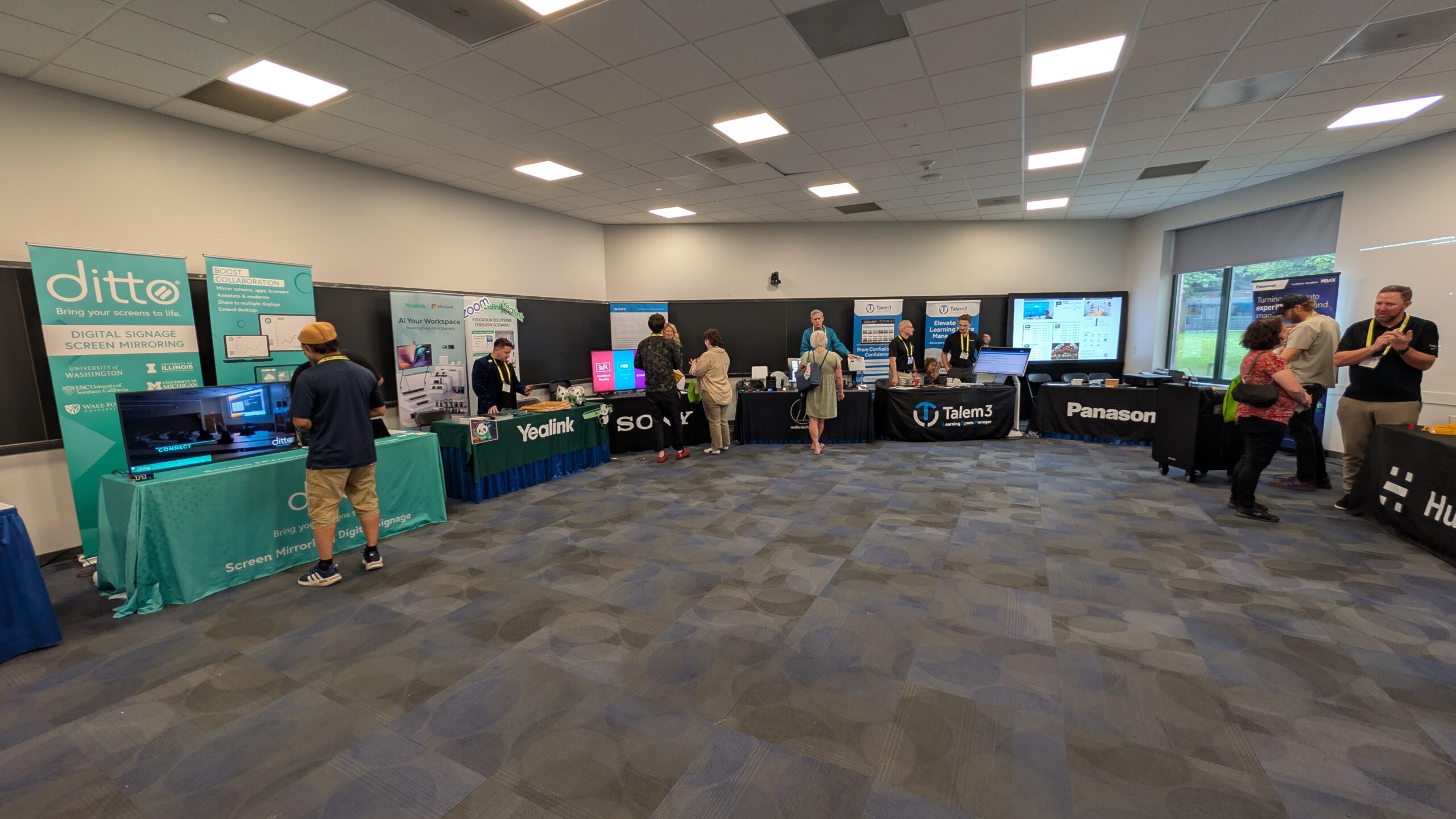
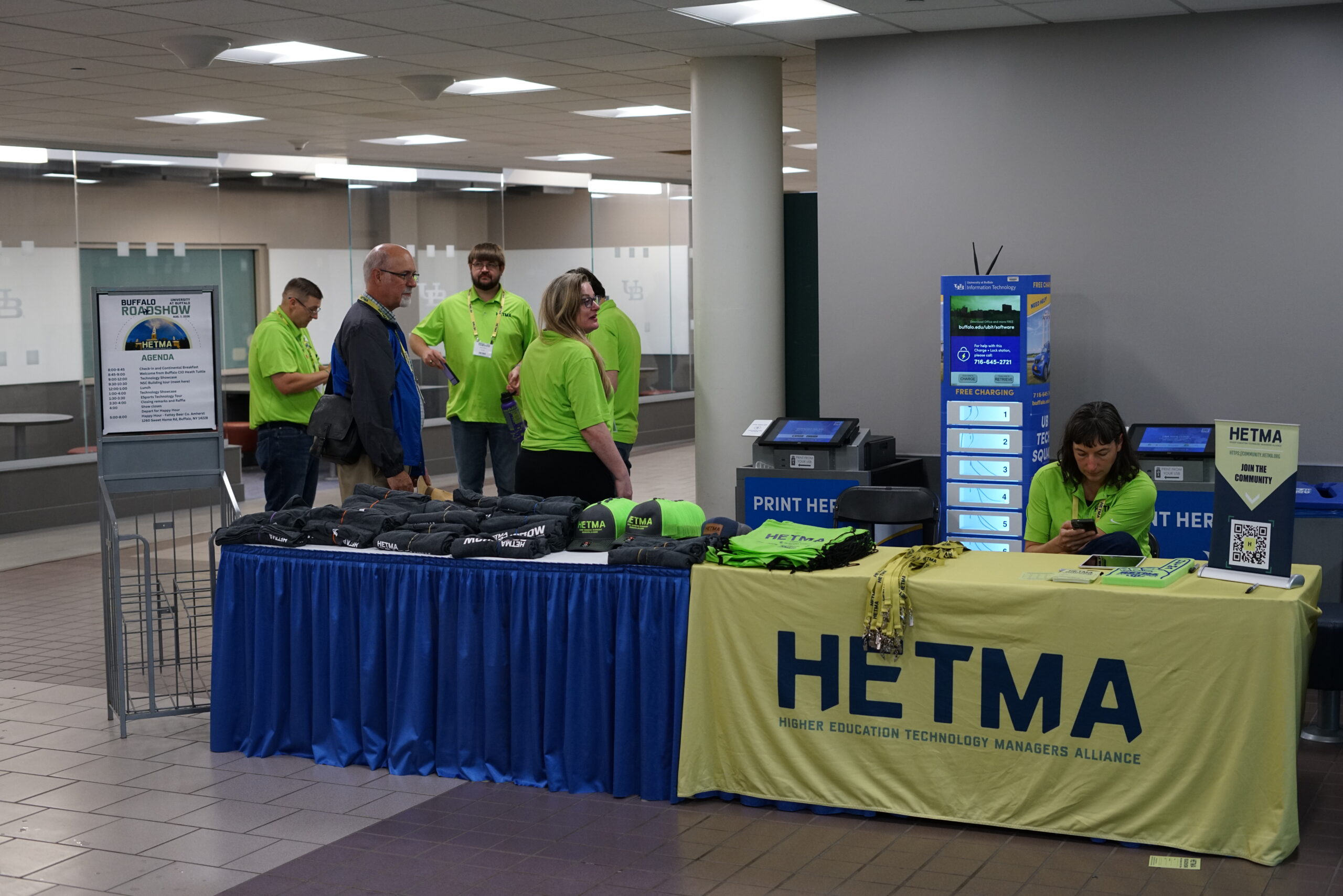
The roadshow itself brought together roughly 70 higher ed attendees and 25 sponsors spread across two exhibit spaces. Between sponsor conversations, campus tours, raffle drawings, presentations, and countless hallway discussions, there was no shortage of opportunities to learn. While the formal sessions ultimately shaped many of my biggest takeaways from the event, the conversations surrounding those sessions added just as much value to the experience.
Knowing Your Spaces
One of the things that impressed me most during the roadshow was Buffalo’s implementation of Talem3.
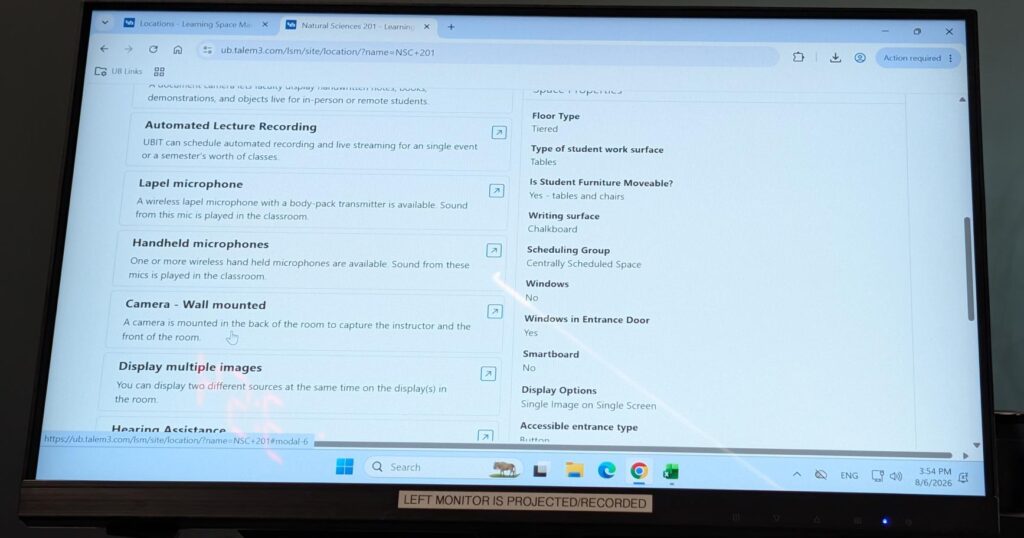
Every institution wants better documentation and a better understanding of its learning spaces, yet most of us are working with information spread across inventories, spreadsheets, diagrams, and databases. Gathering that information is difficult, especially across hundreds of spaces and years of institutional growth. Organizing it in a way that remains useful, accessible, and actionable over time can be even harder.
What stood out about Buffalo’s implementation was not simply the amount of information they had collected, but the thoughtfulness behind how it was organized and presented. The information felt approachable. Relationships between spaces, technologies, and systems were easy to follow. Rather than looking like a collection of records that happened to exist in one place, it felt like a resource designed to help people understand their environment and make informed decisions.
As I explored the system, I found myself thinking less about what Buffalo had built and more about what we could improve at my own institution. Having a strong example changes the conversation. Instead of wondering what good documentation looks like, you can point to something tangible and begin identifying pieces worth adapting to your own environment.
That connection feels particularly fitting given Buffalo’s history with FLEXspace. The institution helped support FLEXspace during its early years, and seeing the maturity of its current documentation practices makes that history easy to understand. If we want learning space information to be useful, whether internally or eventually through initiatives like FLEXspace, the foundation starts with understanding what we have and organizing that information in a meaningful way.
Turning Years of Growth Into Standards
The session that generated the most notes in my notebook was Viktoria Porter’s presentation, Gigantomania.
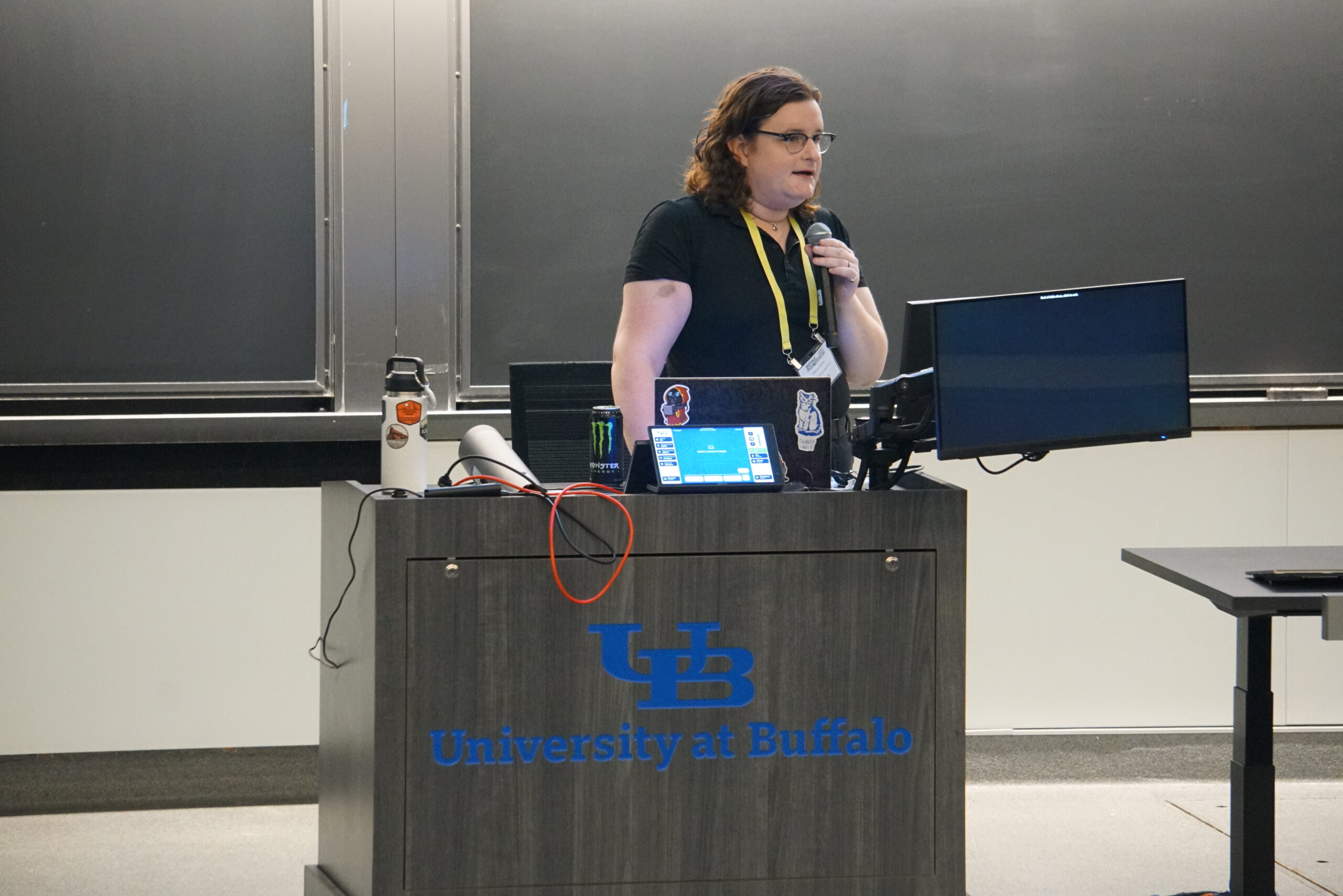
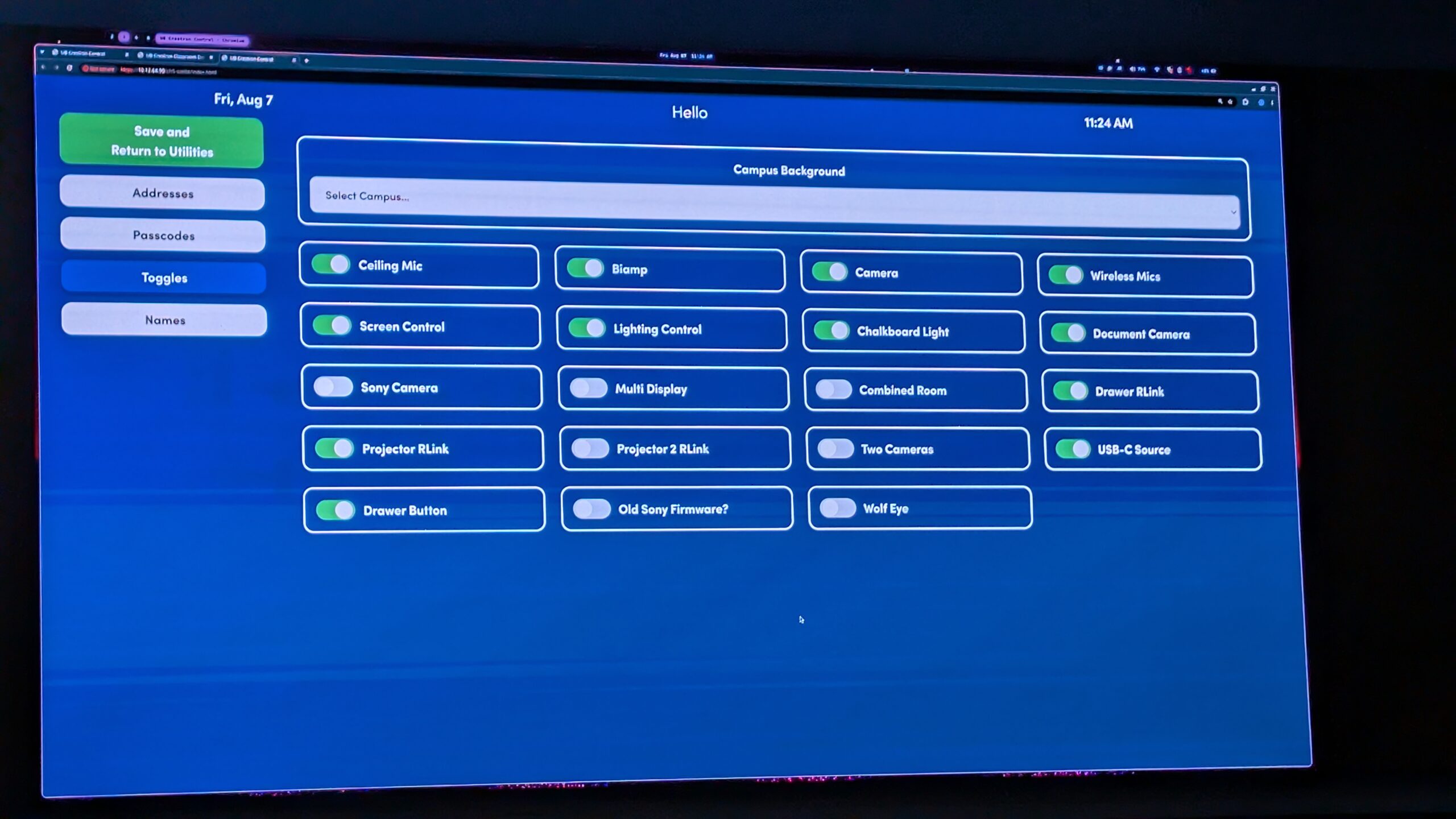
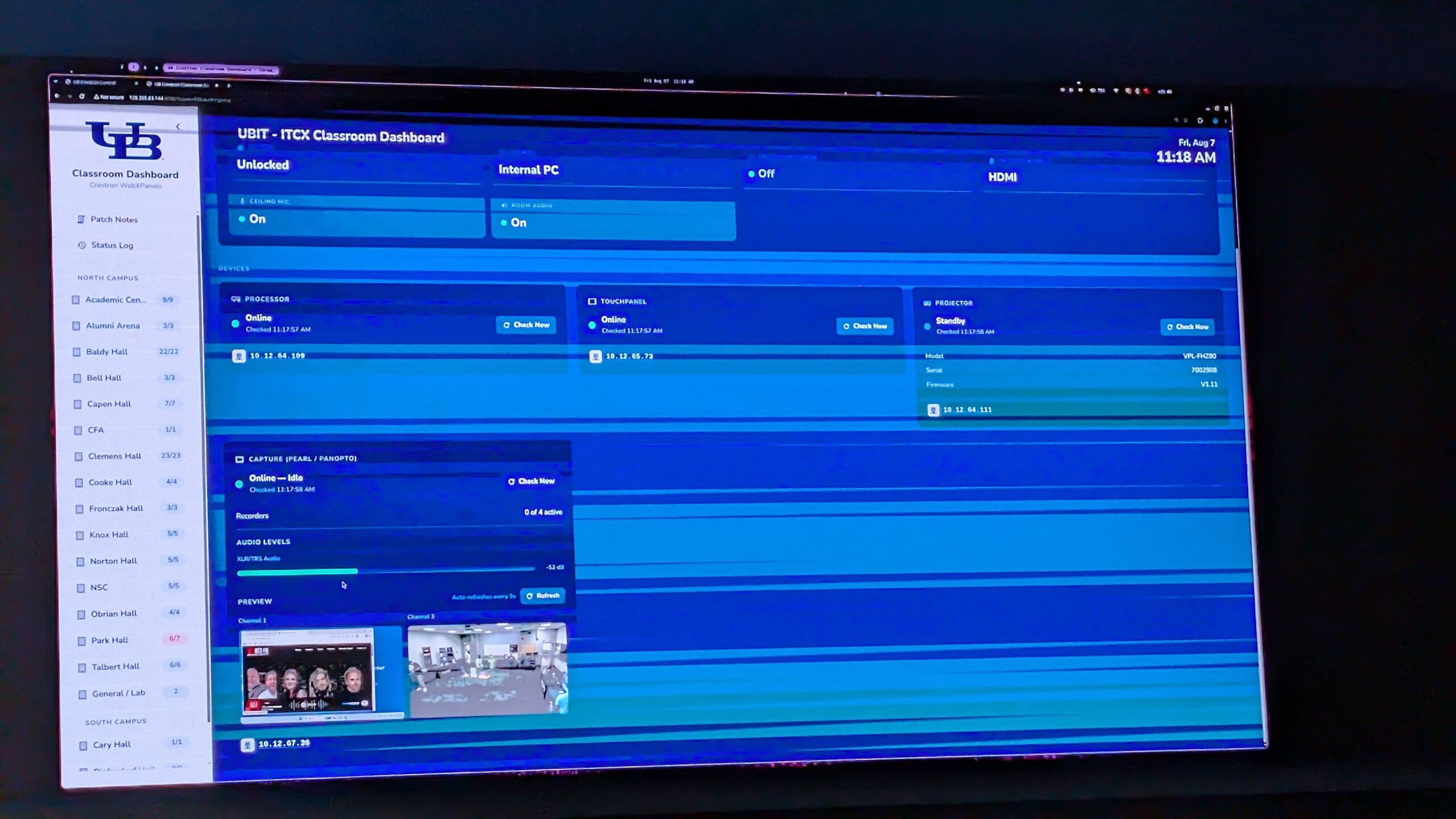
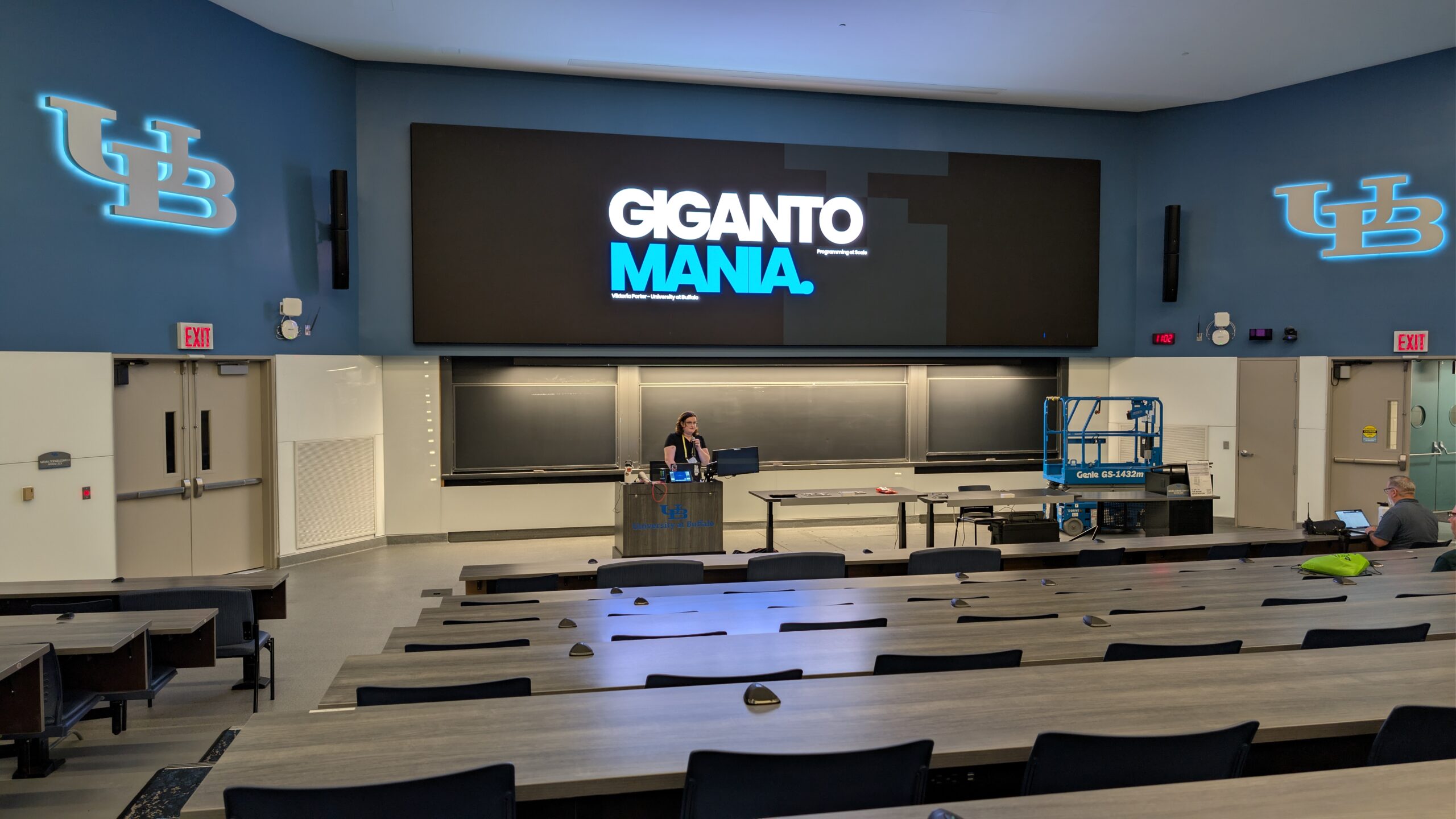
Anyone who has worked in higher ed AV for a while has seen what happens when systems evolve over time. Technologies are added in phases, standards shift, programmers develop different approaches, and documentation ends up spread across multiple locations. Most of those decisions make sense at the time they are made, but after enough years the result can be an environment that becomes increasingly difficult to support.
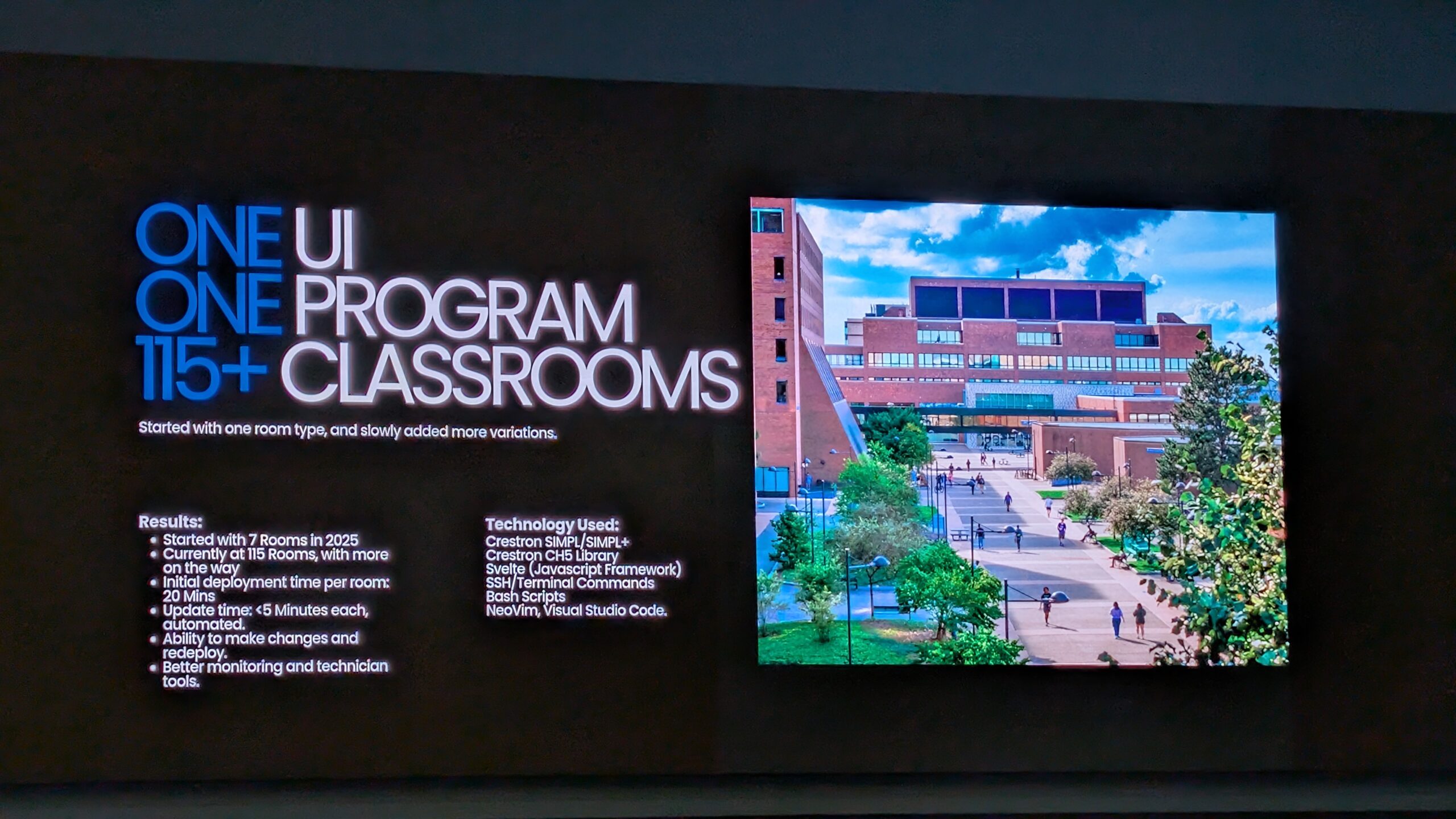
Supporting approximately 200 classrooms only amplifies those challenges. Small inefficiencies become significant when they are repeated across an entire campus.
What impressed me most about Viktoria’s presentation was her focus on sustainability. The technical accomplishment of creating a standardized programming framework was impressive on its own, but the bigger story was the process behind it. She described an environment where rooms were previously treated as individual projects, upgrades often required touching each room independently, and multiple versions of programs existed in different locations.
The work her team has done has transformed that approach into something consistent and repeatable. Rooms can now be transitioned far more efficiently, and just as importantly, the process is no longer dependent on a single person. Other team members can understand it, support it, and continue building on it.
I’ll be honest, there were moments during that presentation when I found myself a little jealous. Not because of the programming itself, but because of the maturity of the process. Every support team wants systems that are easier to maintain, easier to troubleshoot, easier to update, and easier to hand off to future staff members. Seeing a successful example of that philosophy in action was one of the most valuable parts of the day.
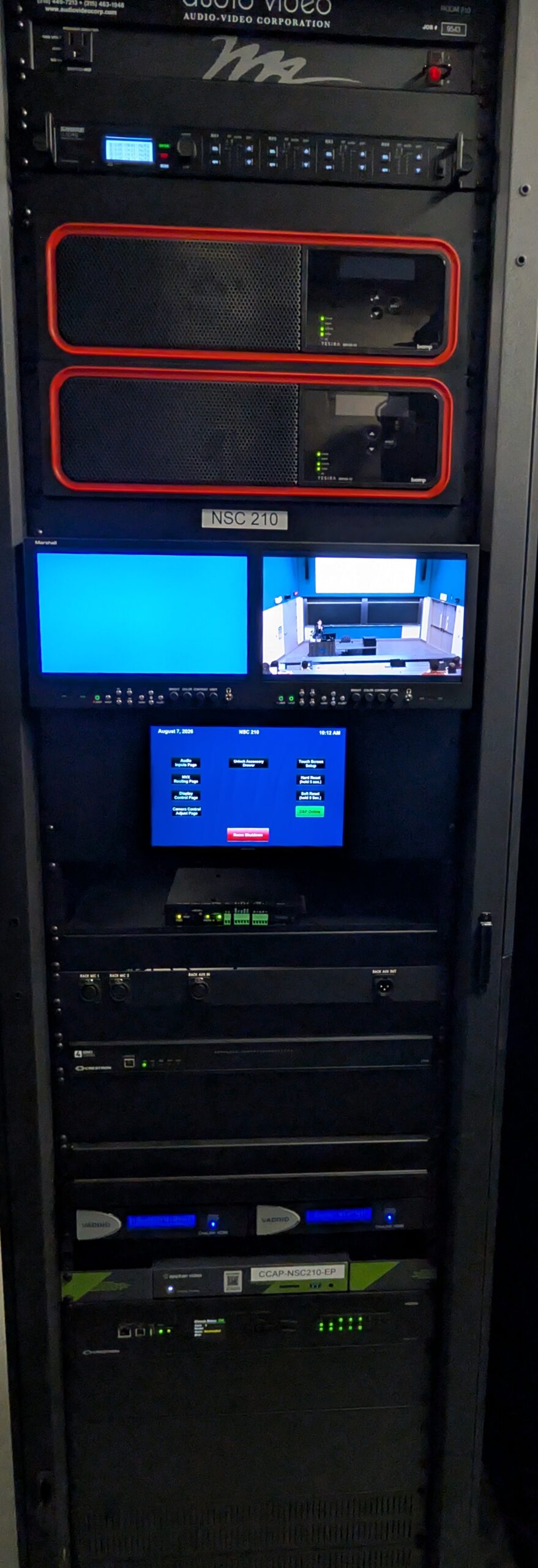
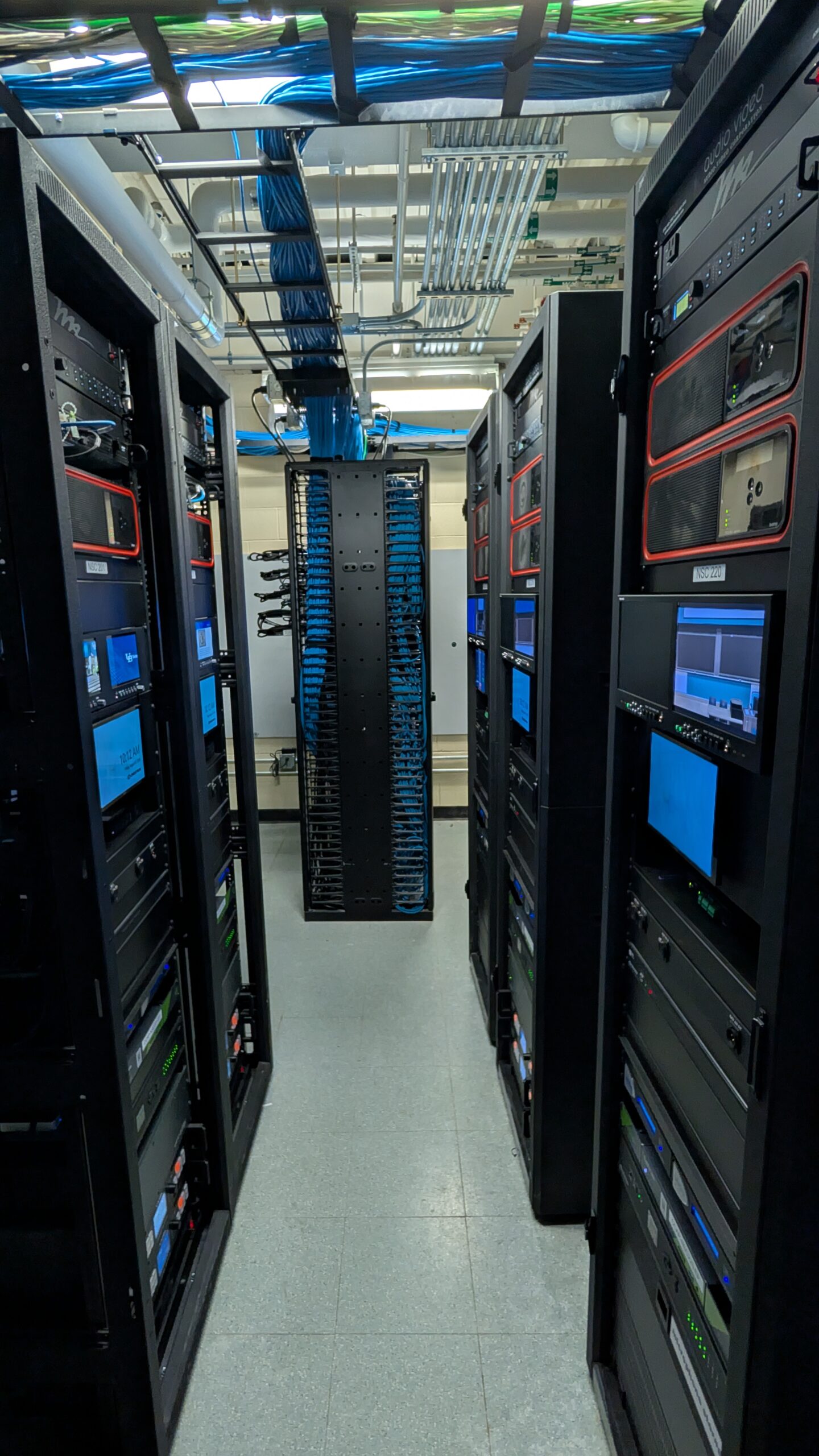
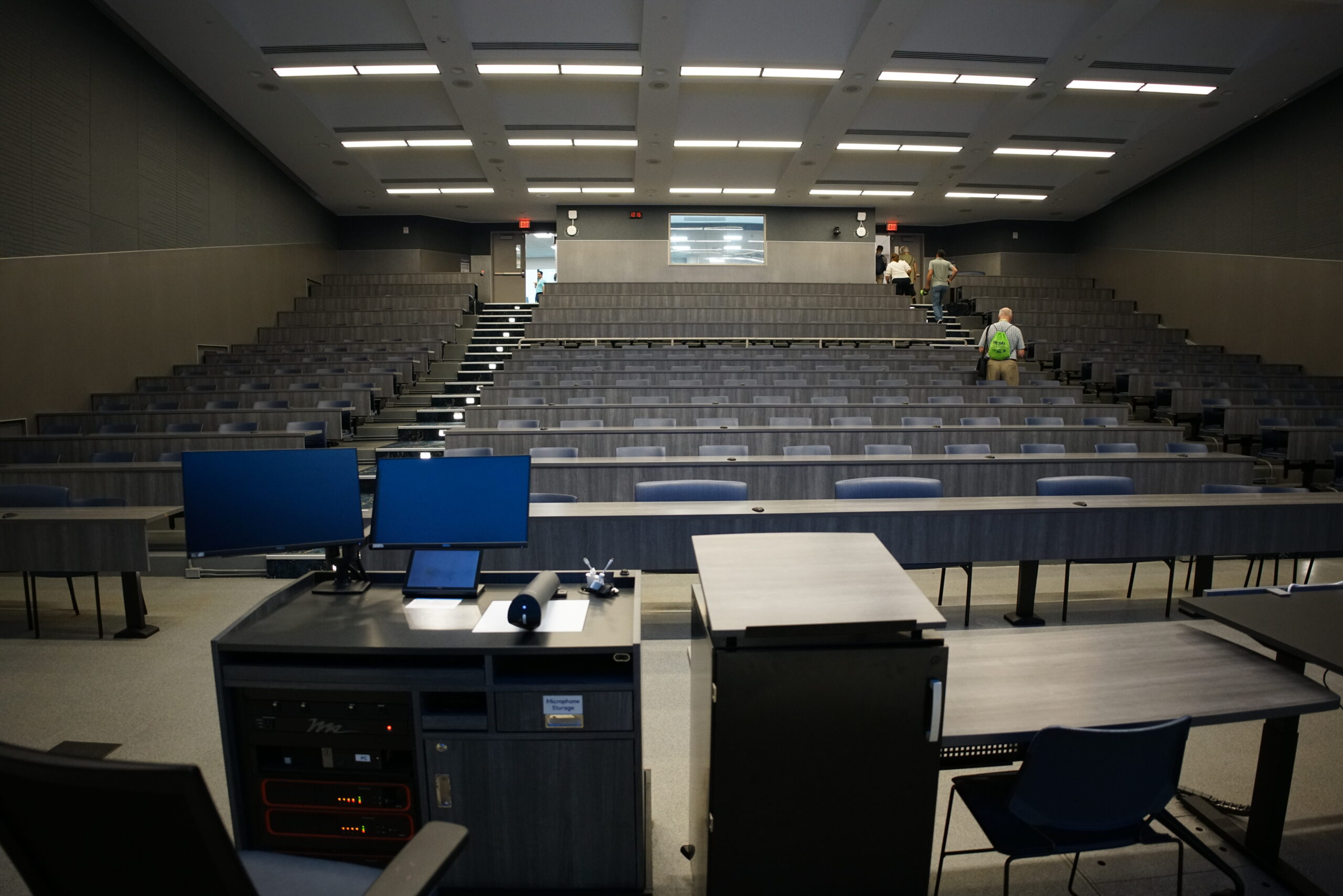
The campus tour reinforced many of those ideas. Walking through renovated spaces in the Natural Sciences Complex, it was clear that Buffalo has been intentional about balancing modernization with the realities of how faculty actually teach. Seeing old projection booth windows preserved as reminders of previous generations of technology while also seeing classrooms equipped for modern learning created an interesting contrast. I was especially intrigued by the decision to retain chalkboards during renovations. Rather than treating them as outdated, Buffalo found ways to integrate them into modern classrooms through camera systems and improved accessibility, resulting in a solution that faculty have embraced rather than resisted.
Making Big Problems Feel Achievable
Rebecca Rotundo’s presentation created a very different reaction.
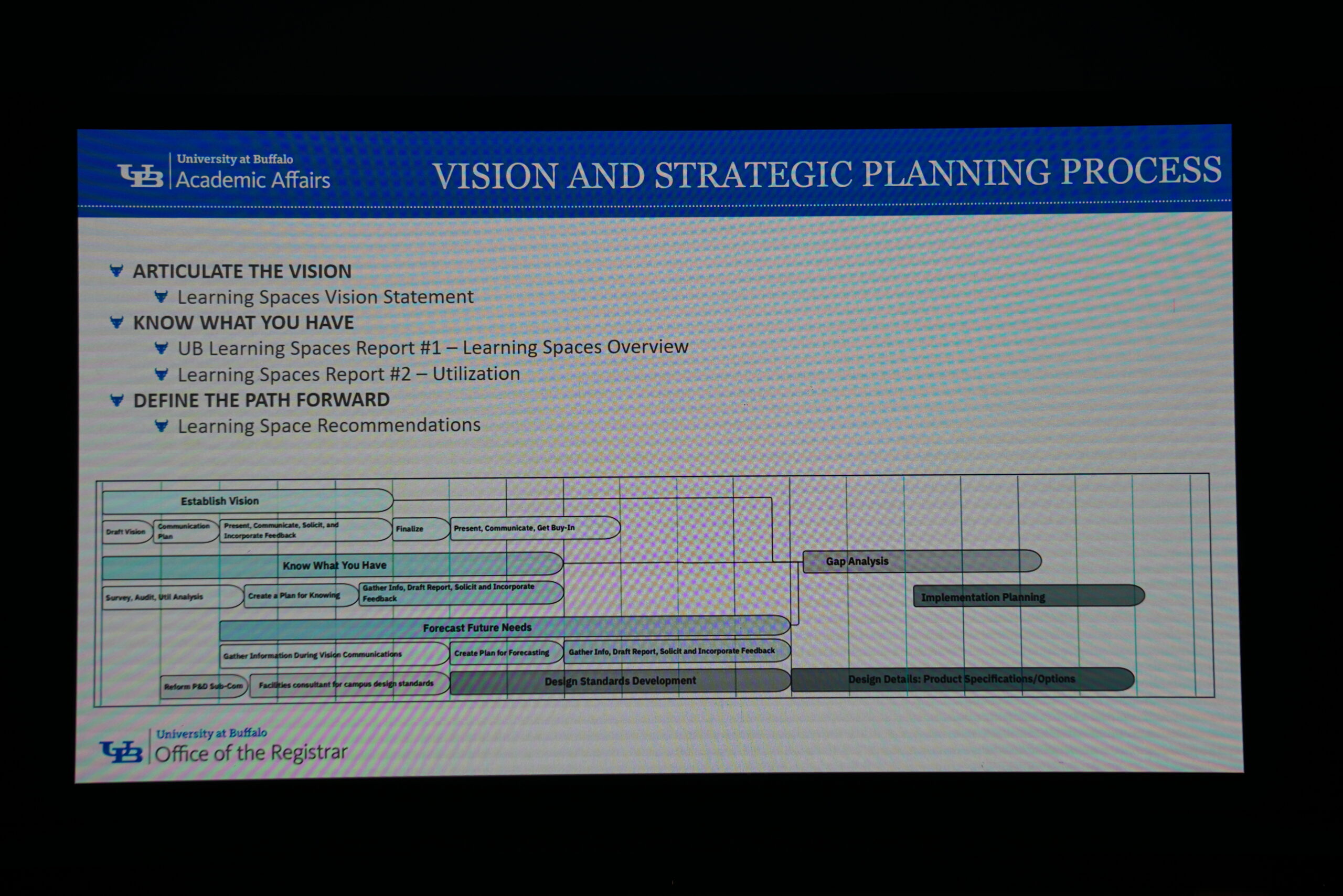
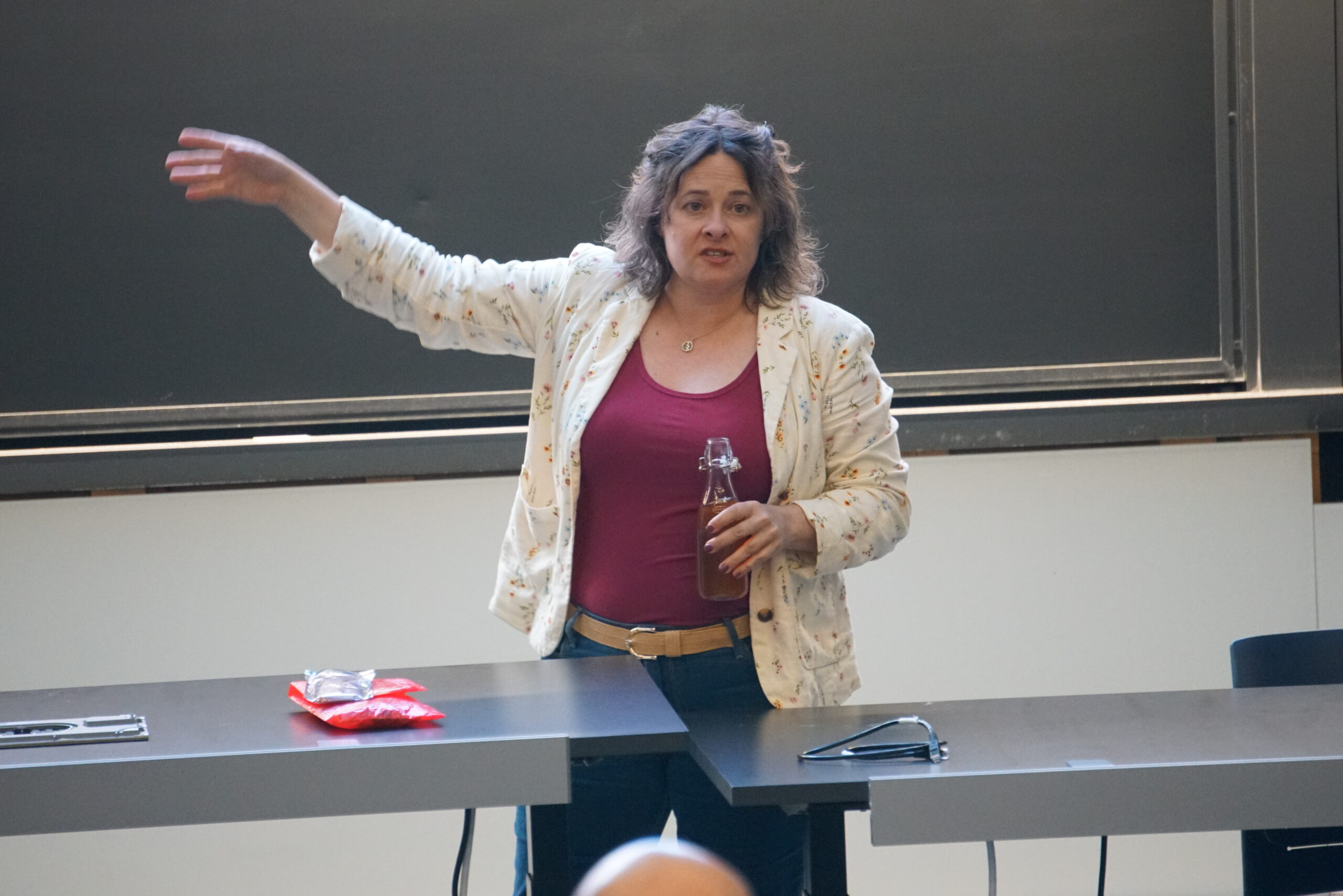
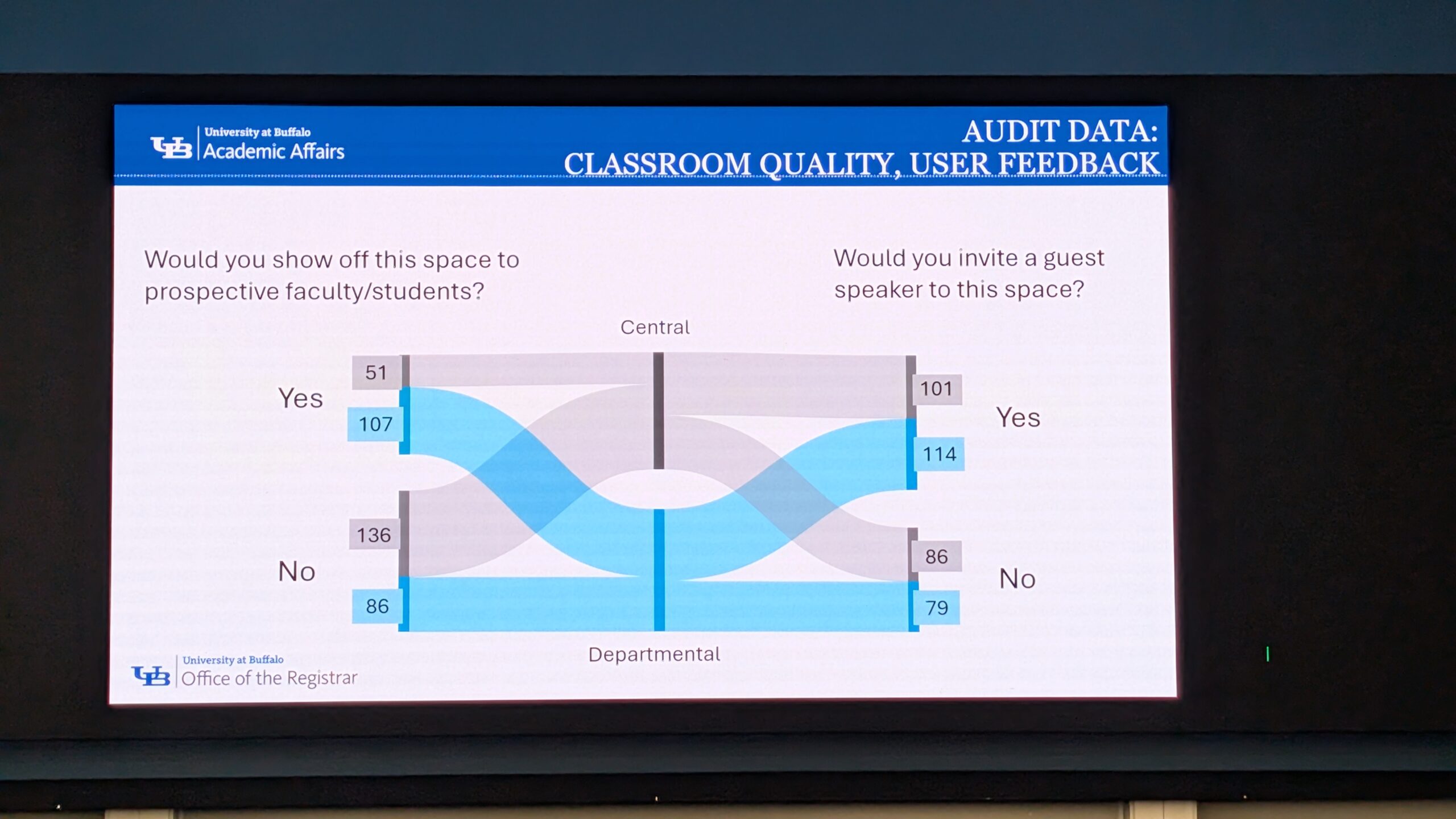
When she first began discussing auditing campus spaces, defining ownership, understanding utilization patterns, and identifying disconnects between room scheduling and actual usage, my immediate reaction was that it sounded like a massive undertaking. Many institutions struggle to maintain accurate inventories, let alone develop a clear understanding of how every learning space is being used.
What made the presentation so compelling was the way she broke that challenge into manageable pieces. Rather than presenting it as one massive initiative, she focused on practical steps. Establish standards. Define ownership. Gather information. Analyze trends. Ask questions.
Several examples involving room utilization were particularly interesting. It is easy to assume that requests for larger rooms indicate a need for larger rooms, but the data does not always support that assumption. When institutions begin comparing room assignments, room capacity, and actual usage, they can discover opportunities that might otherwise go unnoticed.
The broader lesson extends well beyond scheduling. Many decisions in higher education are based on assumptions that have existed for years. Good data creates an opportunity to test those assumptions and determine whether they still align with reality. By the end of the presentation, something that initially sounded overwhelming felt much more achievable.
Seeing Buffalo Up Close
The presentations may have generated the most notes, but they were not the only highlights of the day.
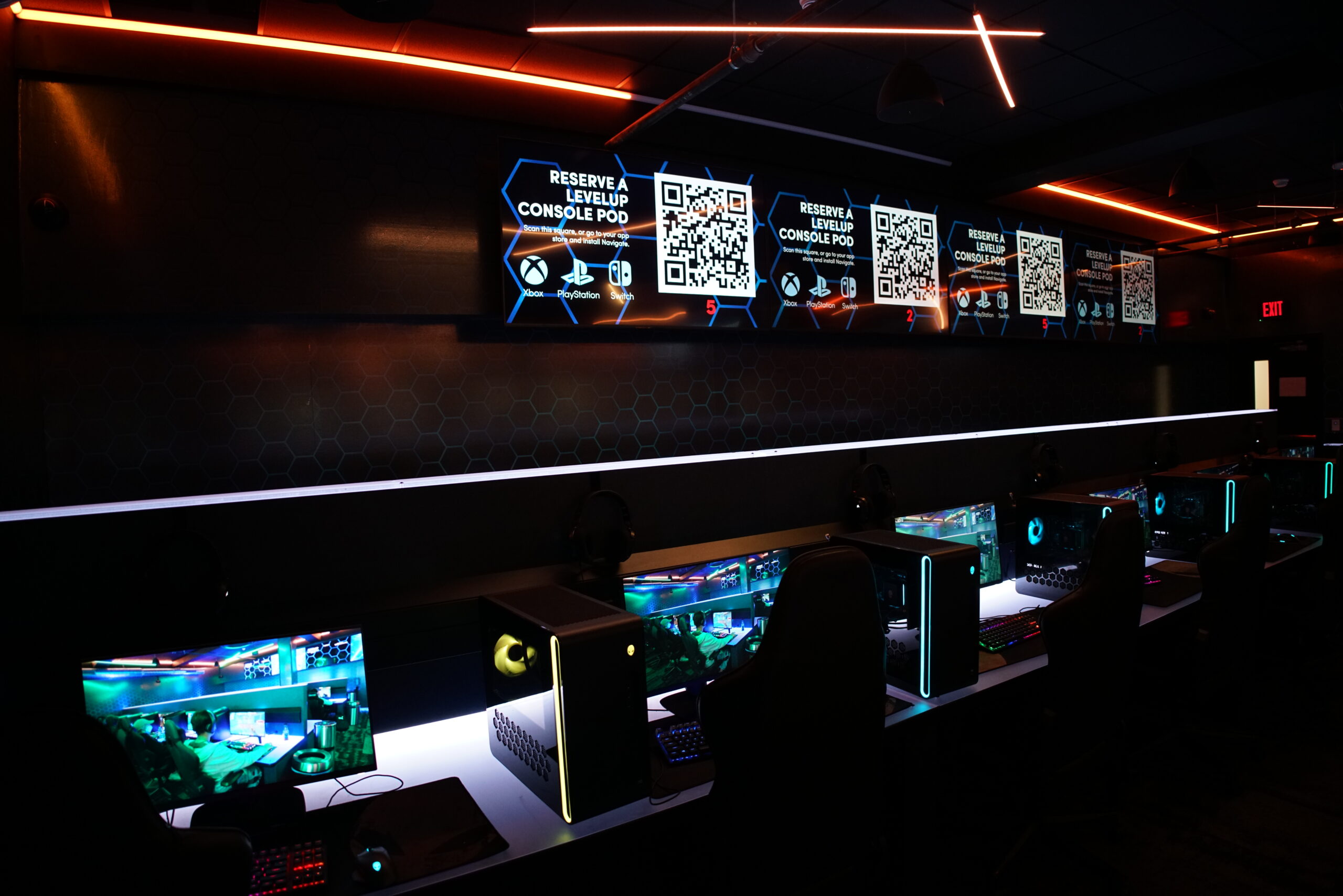
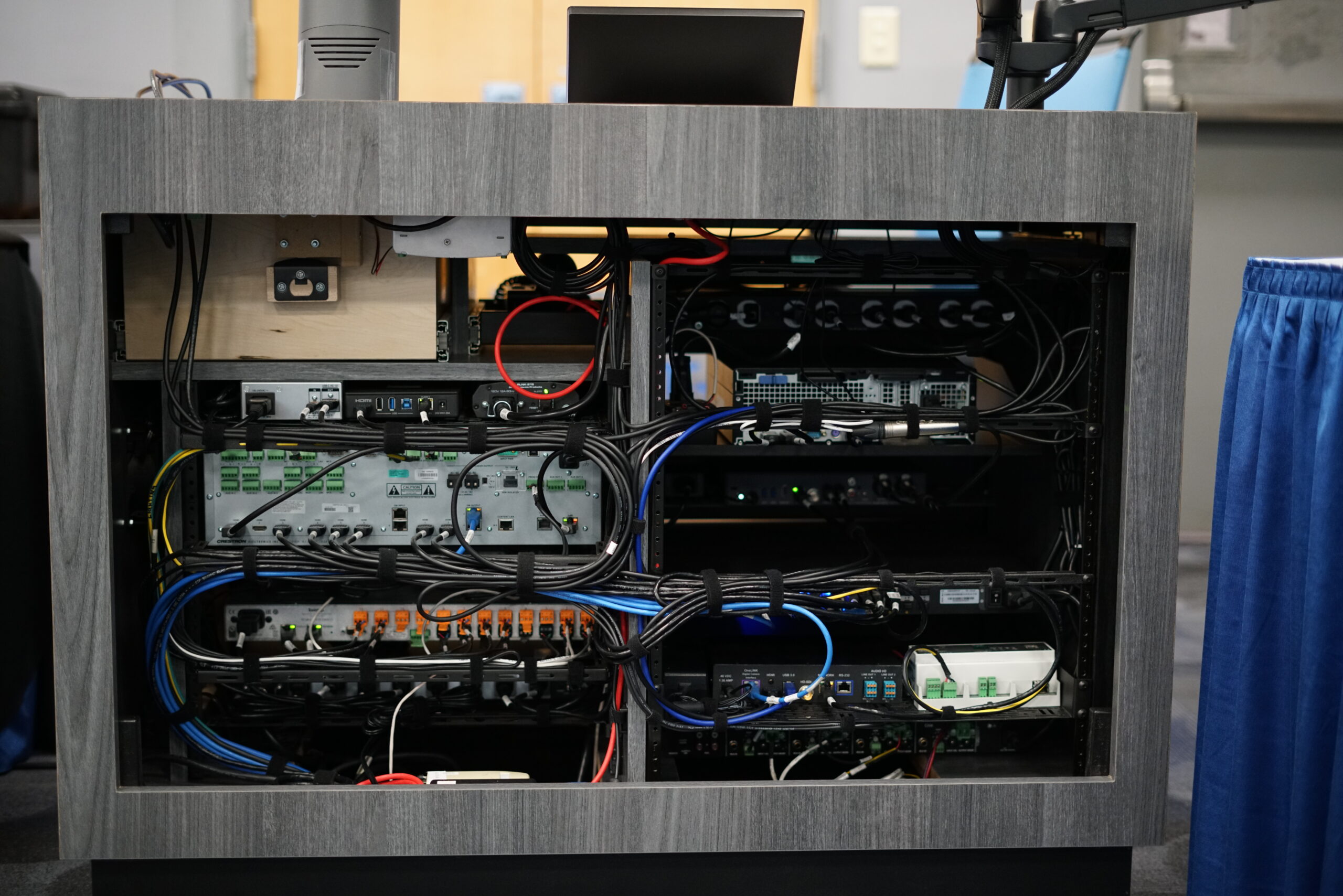
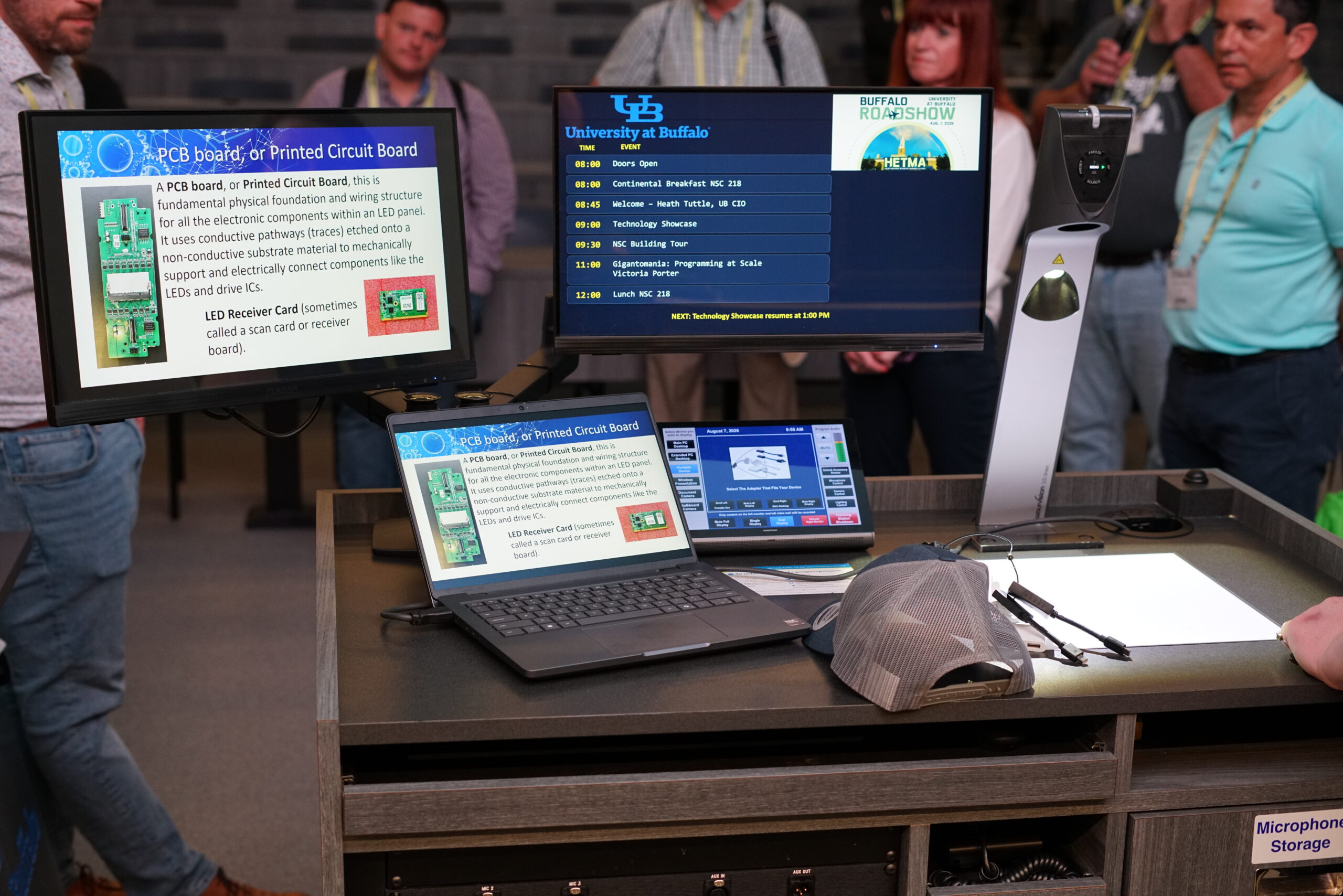
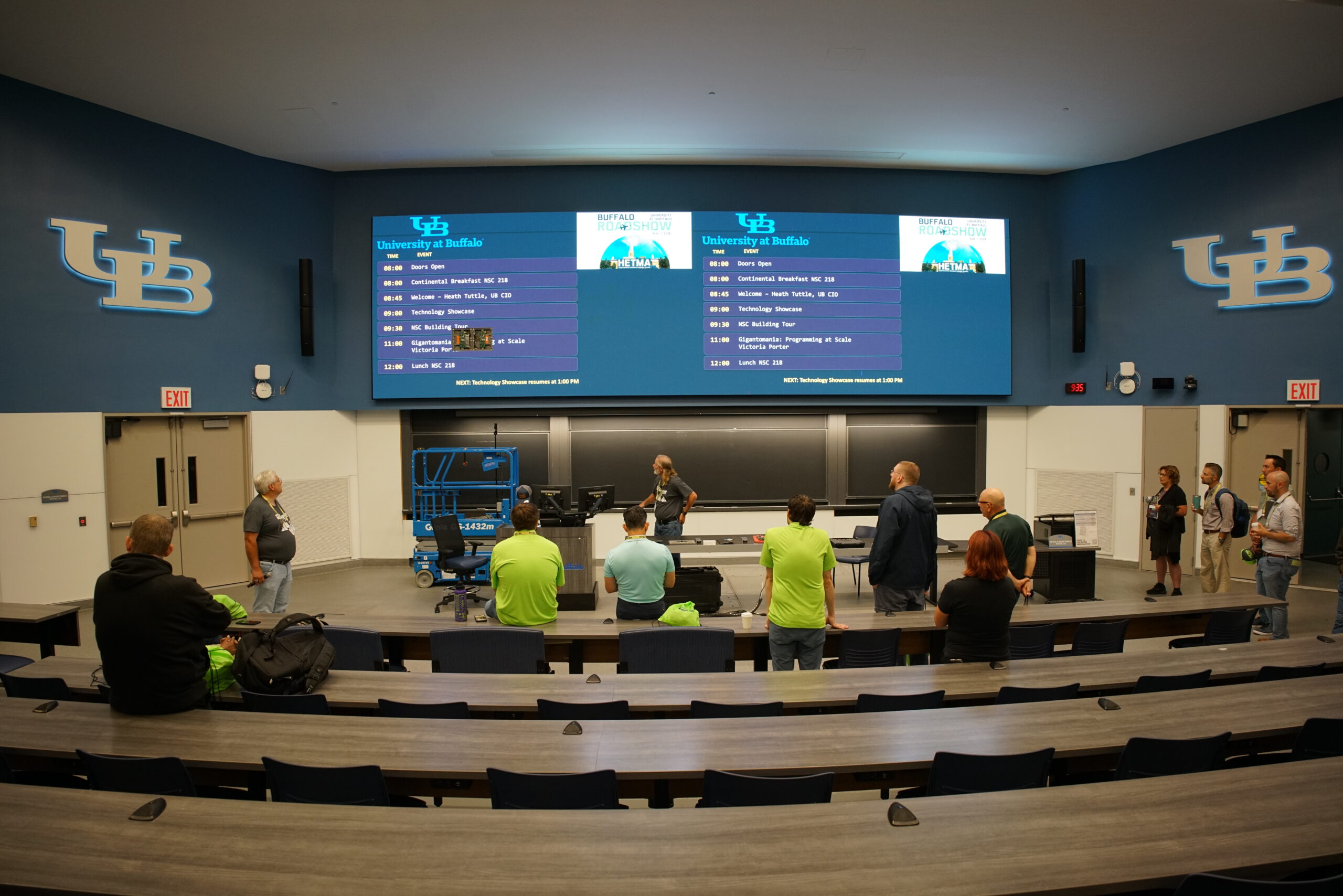
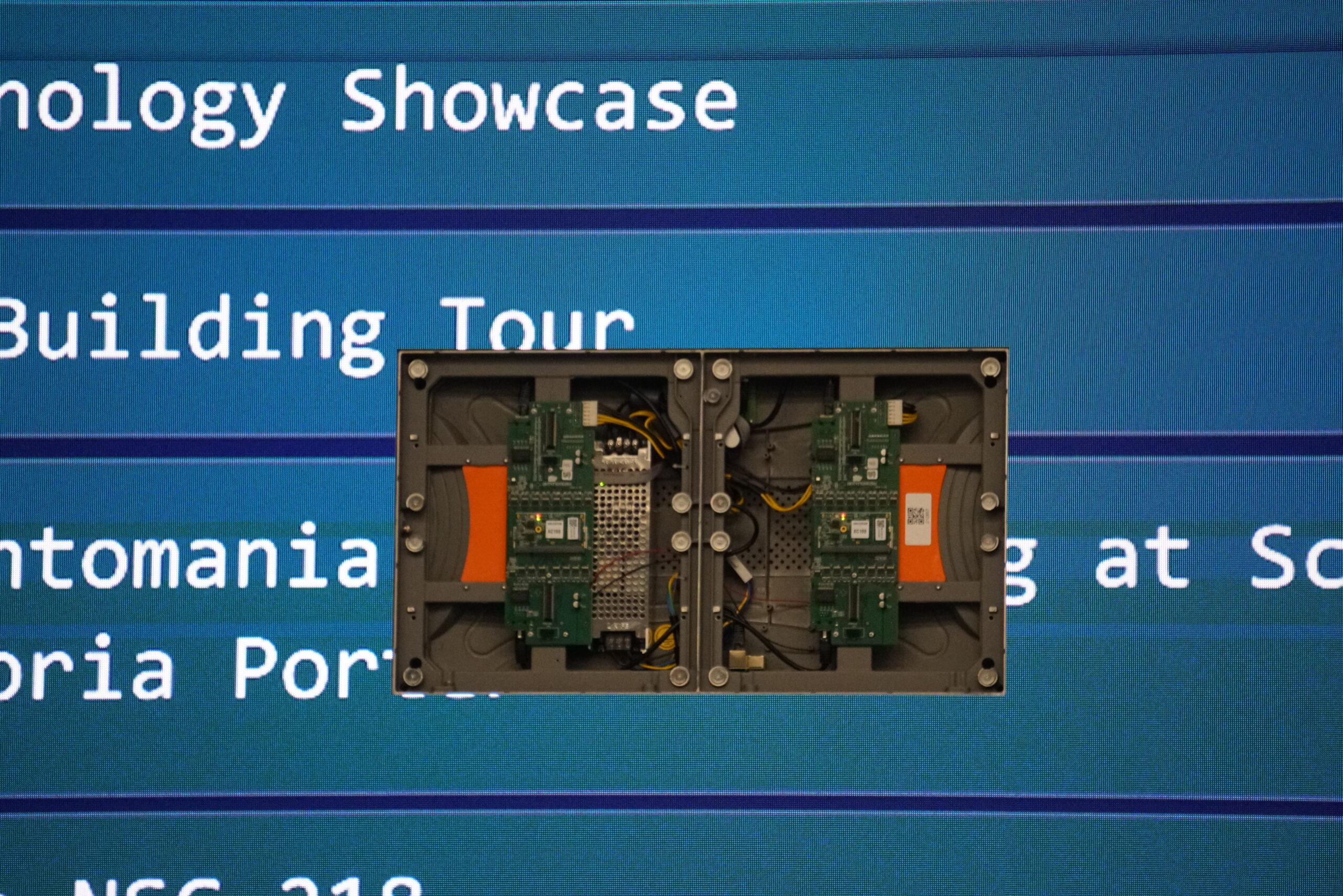
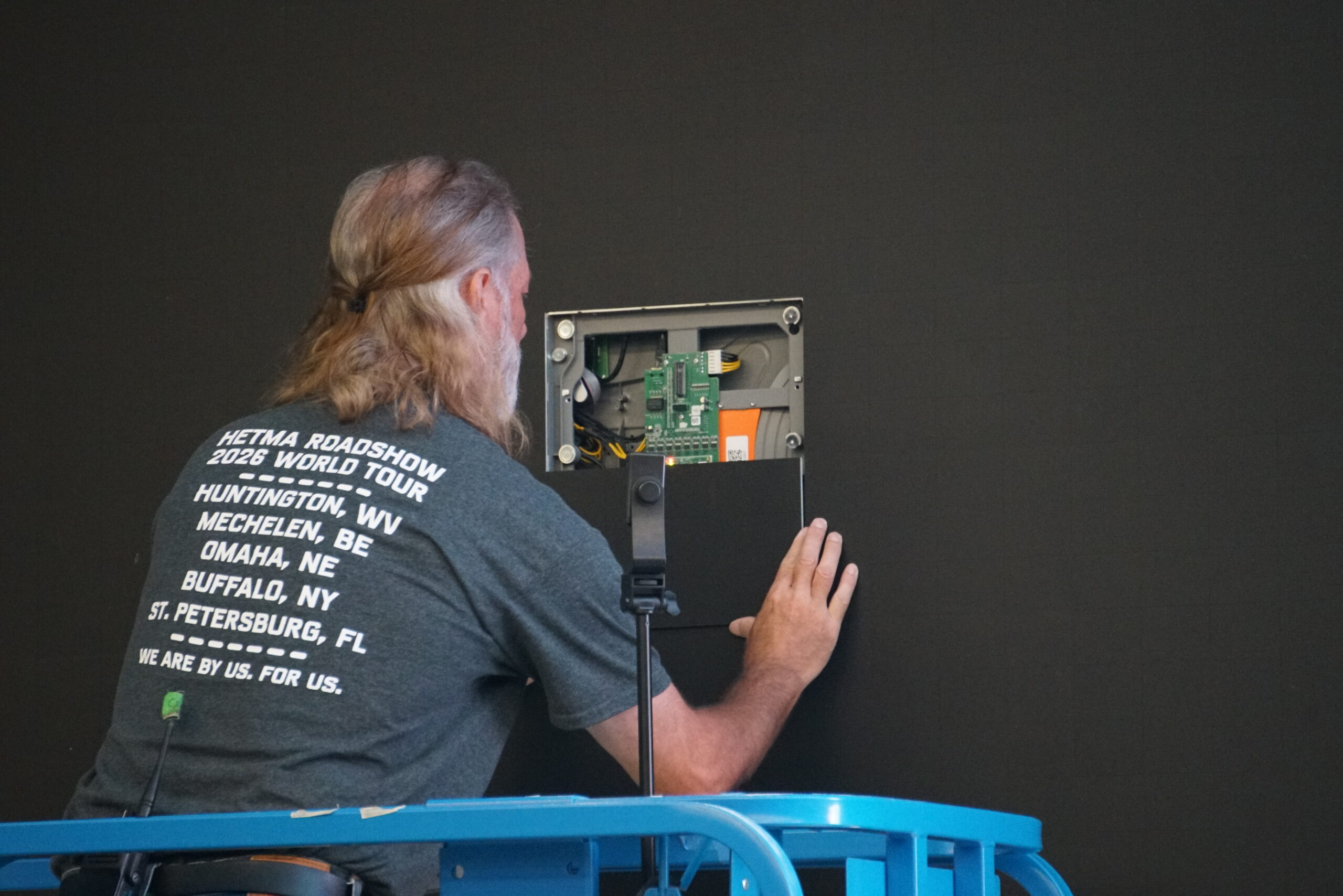
The campus tours gave attendees the opportunity to see the scale of Buffalo’s operation firsthand. Beyond the classrooms, we were able to visit the esports facility, where 52 gaming PCs support student use along with dedicated console stations and a carefully planned refresh cycle. We also got to see some of the behind-the-scenes work that makes large-scale classroom support possible, including demonstrations of replacing panels on a video wall and assembling classroom lecterns. Those may seem like small details, but they reflected many of the same themes that appeared throughout the day’s presentations: consistency, maintainability, and planning for long-term support.
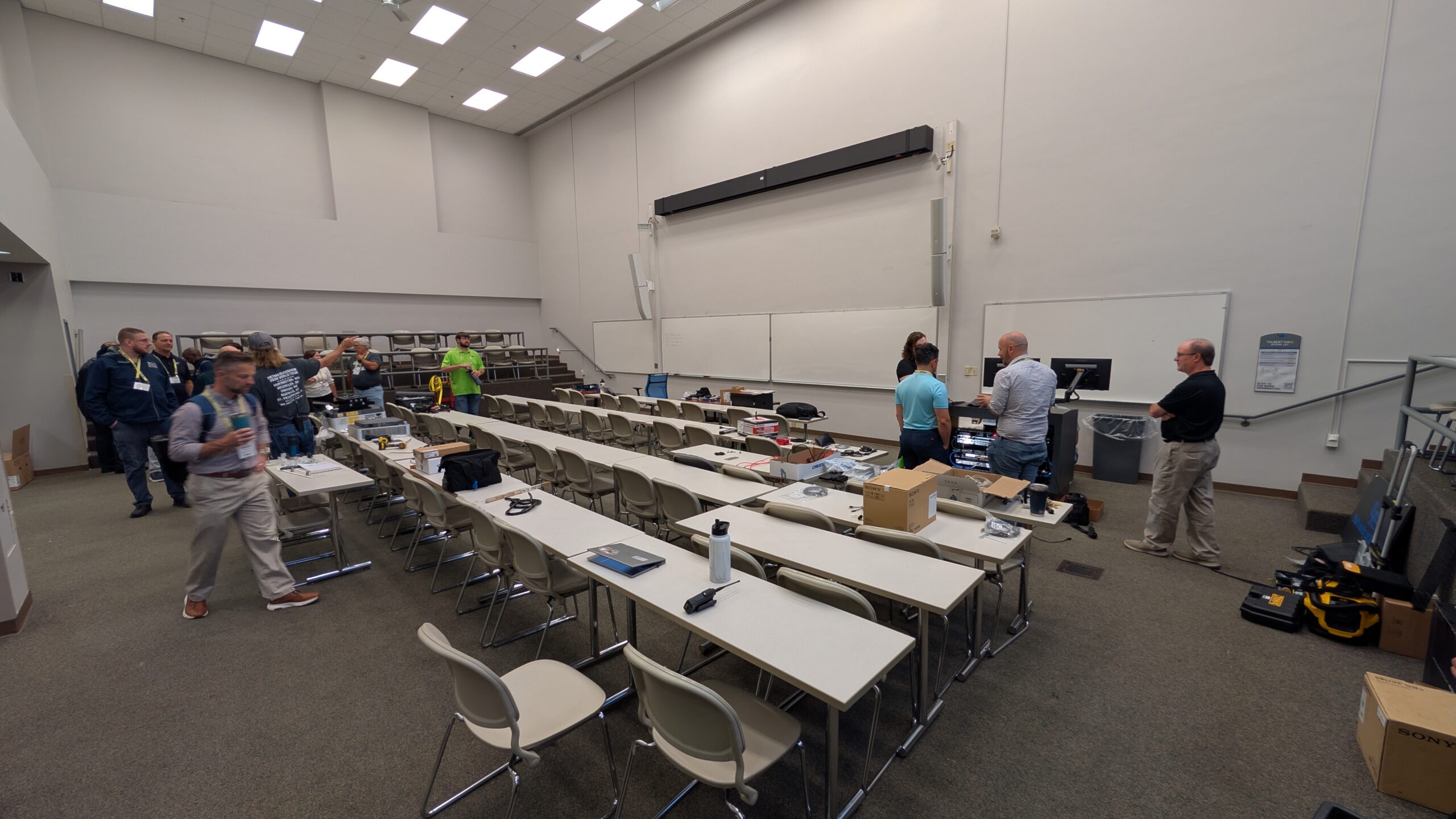
The sponsor areas remained busy throughout the event as attendees moved between presentations, tours, and conversations. With 25 sponsors represented, there was a wide variety of perspectives and expertise available, creating opportunities for discussions that extended well beyond product demonstrations. As always, some of the most valuable conversations happened when people started sharing experiences, challenges, and lessons learned from their own campuses.
What I’ll Bring Home
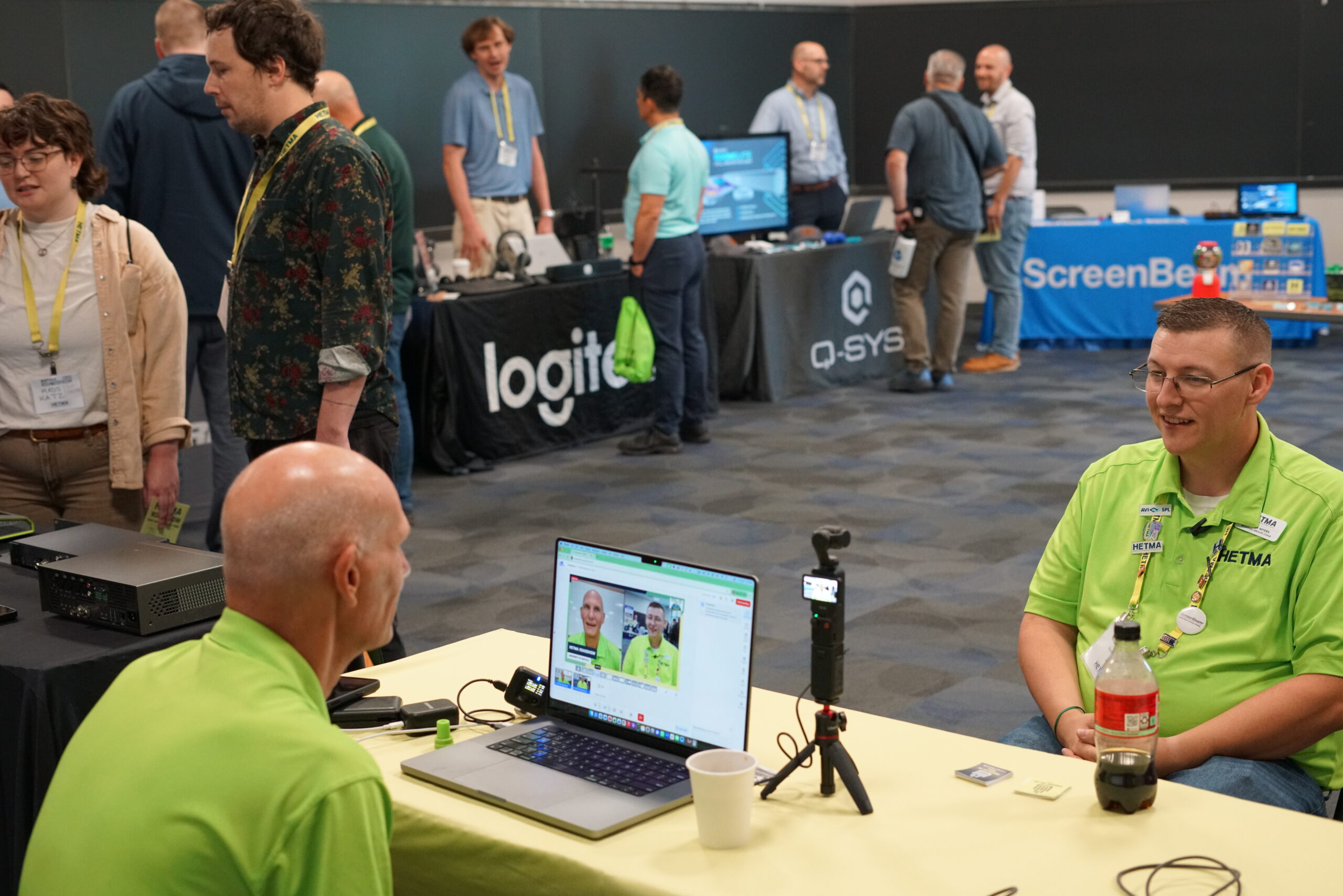
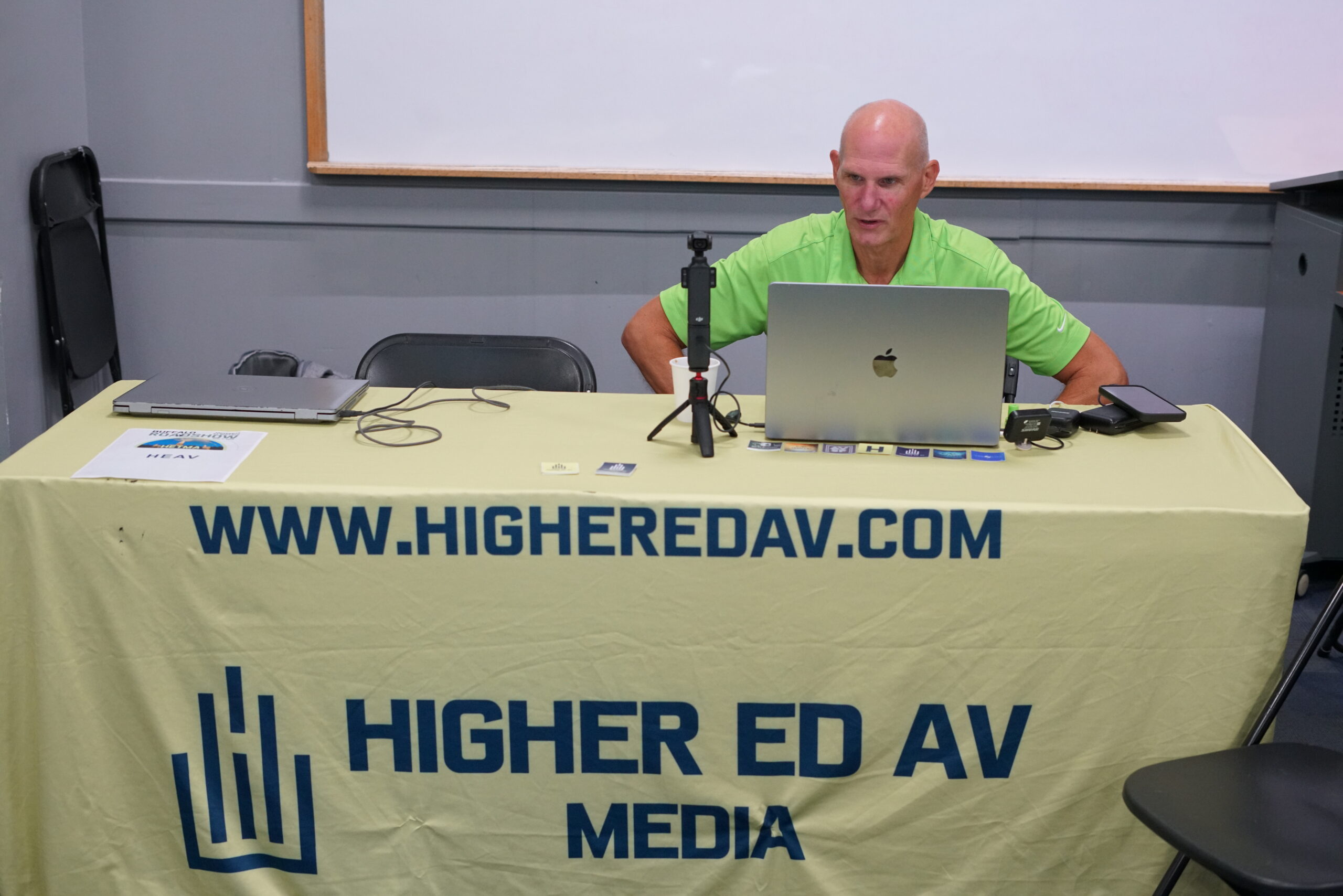
As the day wrapped up and the crowd moved to Fattey Beer Company for the after-party, there was a sense that the roadshow had accomplished exactly what it set out to do. Conversations continued over food from Wingnutz, Joe Way recorded a live segment, attendees and sponsors continued making connections, and Higher Ed AV Media spent time capturing interviews from people across the event.
Looking back, what impressed me most about Buffalo was not any individual technology or project. It was how all of these efforts support one another. Good documentation supports better planning. Better planning supports stronger standards. Strong standards create more consistent experiences. Consistent systems produce better information, and better information leads to better decisions.
The Talem3 implementation gave me a clearer vision for how learning space information can be organized and presented. Viktoria’s presentation demonstrated what can happen when years of accumulated complexity are replaced with sustainable standards. Rebecca’s session showed that even ambitious campus-wide initiatives become manageable when they are broken into practical steps.
Those were the presentations that stayed with me, but they were only part of the experience. The conversations at Niagara Falls, the discussions on the show floor, the campus tours, the time spent with sponsors, and the celebration at the end of the day all reinforced something Heath Tuttle said during his keynote. Technology matters, but the relationships we build around it matter even more.
Buffalo is doing a lot of things right. More importantly, the roadshow provided a valuable opportunity to see not just the technology, but the people, processes, and culture that make those successes possible.