
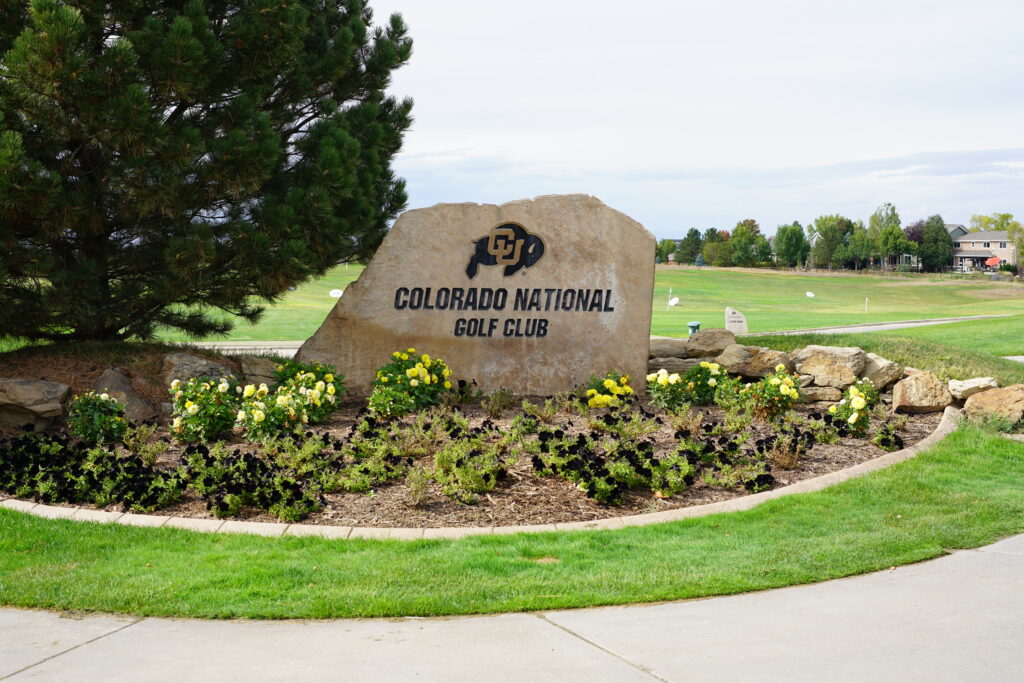
There are probably worse ways to spend a Monday than standing on a golf course in Colorado, looking out at the Rockies with a golf club in your hand. Even when it was 60 degrees, cloudy, and occasionally raining.
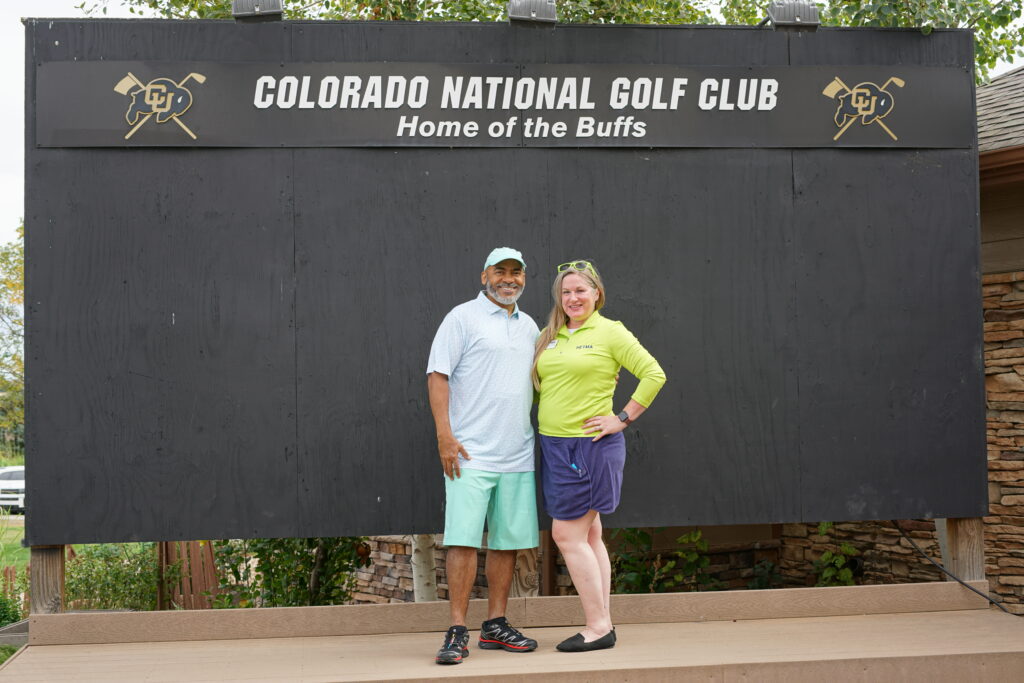
On September 28, HETMA hosted the third annual HETMA Golf Classic at Colorado National Golf Club in Erie, Colorado, just outside Denver. It was my first time attending the event, and I apparently picked a very different year from the first two.
The first two Golf Classics were both held at PGA West in California, so this was the first year the event moved to a new course. Ask someone who attended either of those first two years, and there is a good chance the temperature will come up. The first year saw temperatures around 117 degrees, while last year still reached into the upper 90s.
This year traded the desert heat for a much cooler day in Colorado and a completely different backdrop. Instead of the desert surrounding PGA West, we had the Rockies in the background.
More Than a Round of Golf
At its core, the HETMA Golf Classic is a fundraiser supporting the Prism Scholarship. The golf, sponsorships, tee signs, mulligans, raffles, games, and everything else surrounding the tournament ultimately have a larger purpose: investing in people and helping create opportunities for underrepresented professionals in higher ed AV.
What I appreciated was that you didn’t spend the entire day being reminded that you were at a fundraiser. You were there to have fun, meet people, build relationships, and occasionally hit a golf ball in the direction you intended.
I say occasionally because I am not a golfer. Fortunately, you don’t really need to be one to enjoy the HETMA Golf Classic.
The tournament uses a scramble format. Everyone takes their shot, the team decides which ball gives them the best position, and everyone plays from there. If someone crushes a drive down the fairway, great. If your ball hits a house, disappears somewhere you can’t find it, or otherwise goes somewhere it probably wasn’t supposed to, you just move on to the best shot from the group.
That format makes the event pretty forgiving for someone like me. Every once in a while, I even hit a decent shot.
There is something pretty satisfying about being the bad golfer in the group and suddenly hearing everyone decide that your ball is the one they are going to use. For a minute, you actually feel like you’re providing some value to the team.
Making a Team
The foursomes are also part of what makes the event work. Groups intentionally mix higher ed professionals and sponsors. On paper, you could look at that and assume you’re signing yourself up for several hours of sales pitches disguised as golf.
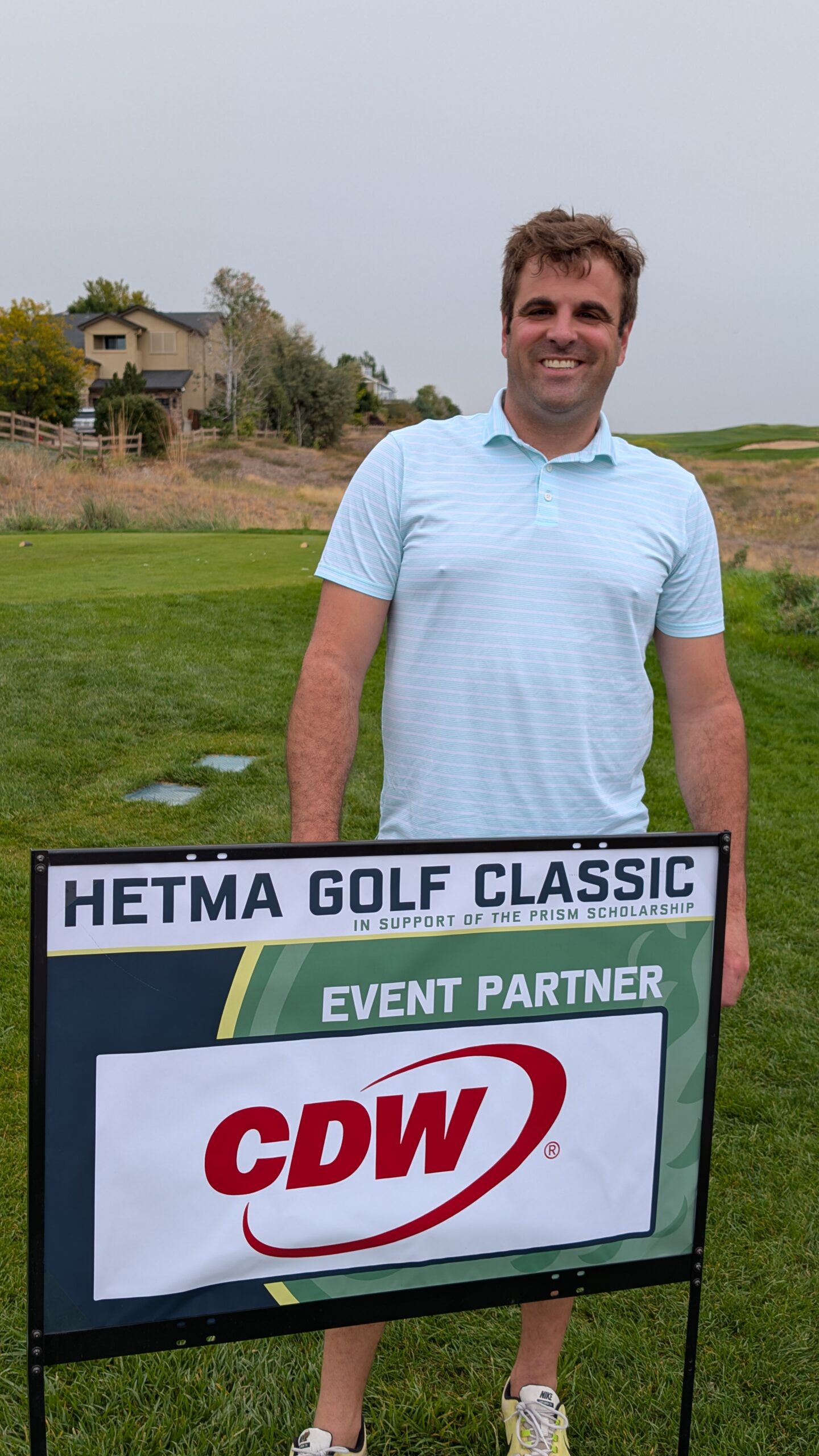
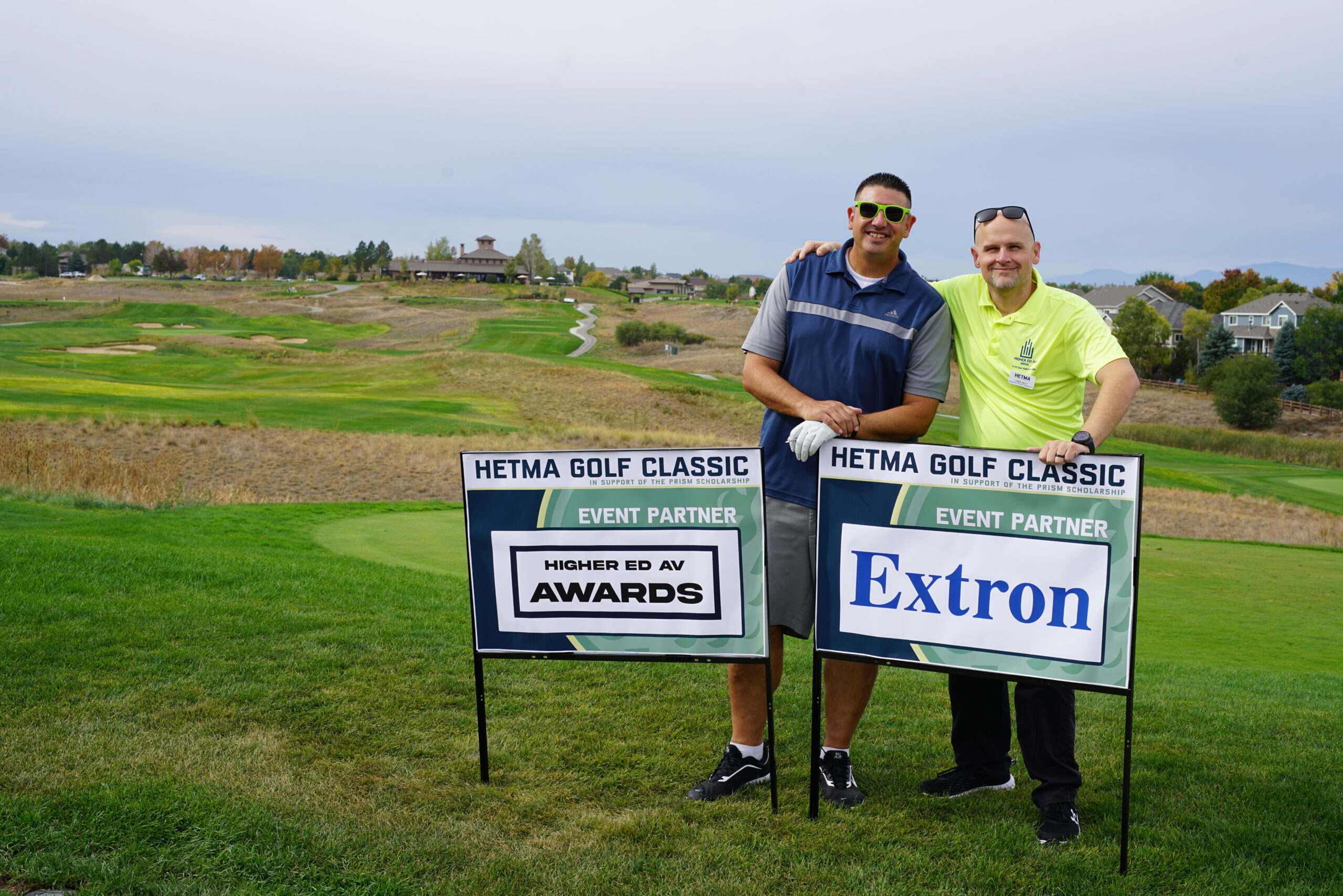
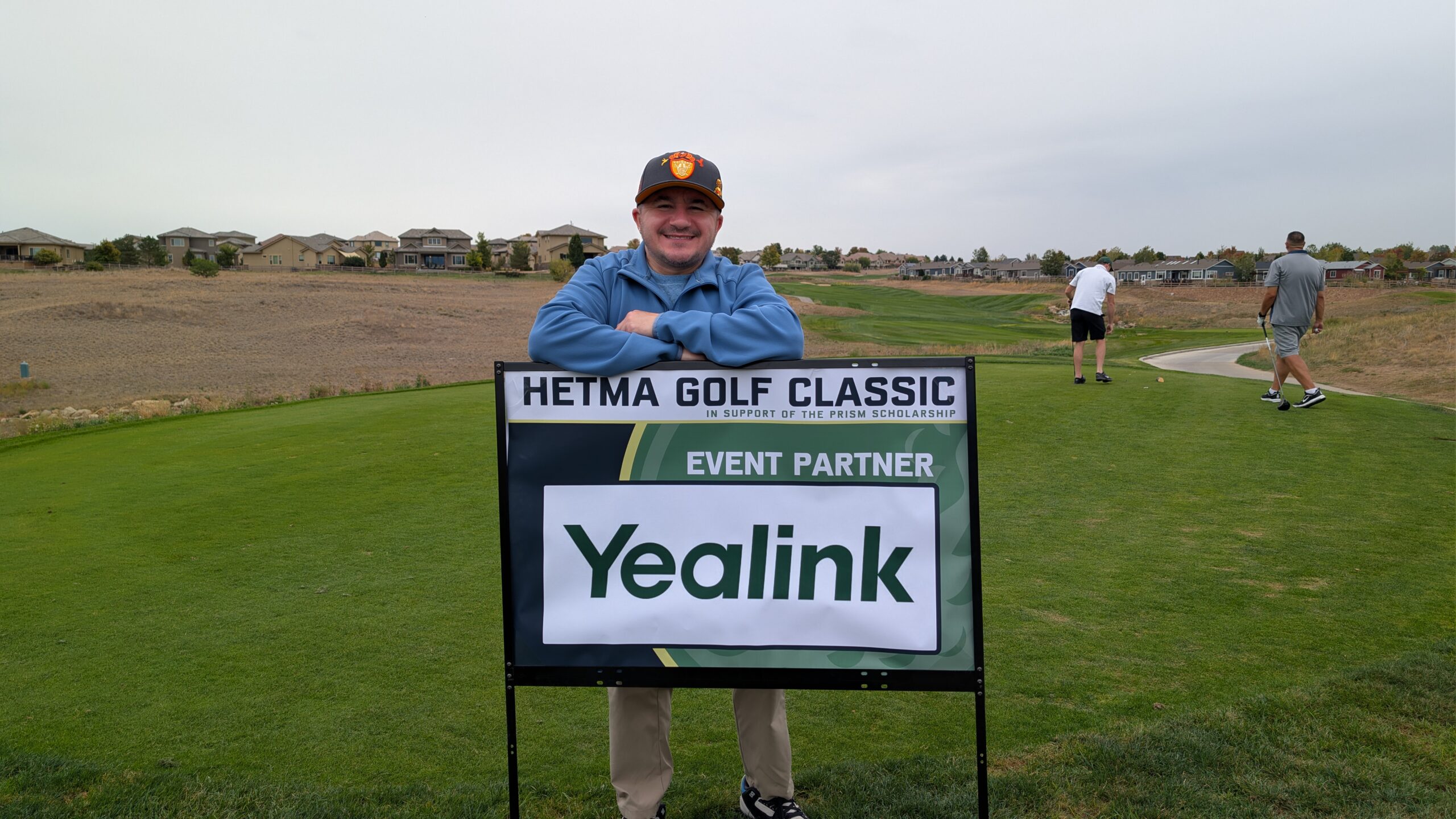
That wasn’t my experience at all. Nobody in my group tried to sell me anything. Instead, we talked.
Over several hours together, I got to know two people I had never met before and spent more time with someone I already knew fairly well. One of those new connections was with someone from CDW who didn’t represent my area, but we reconnected at EDUCAUSE. He connected me with my local rep, which started a worthwhile conversation and what I hope becomes a good working relationship.
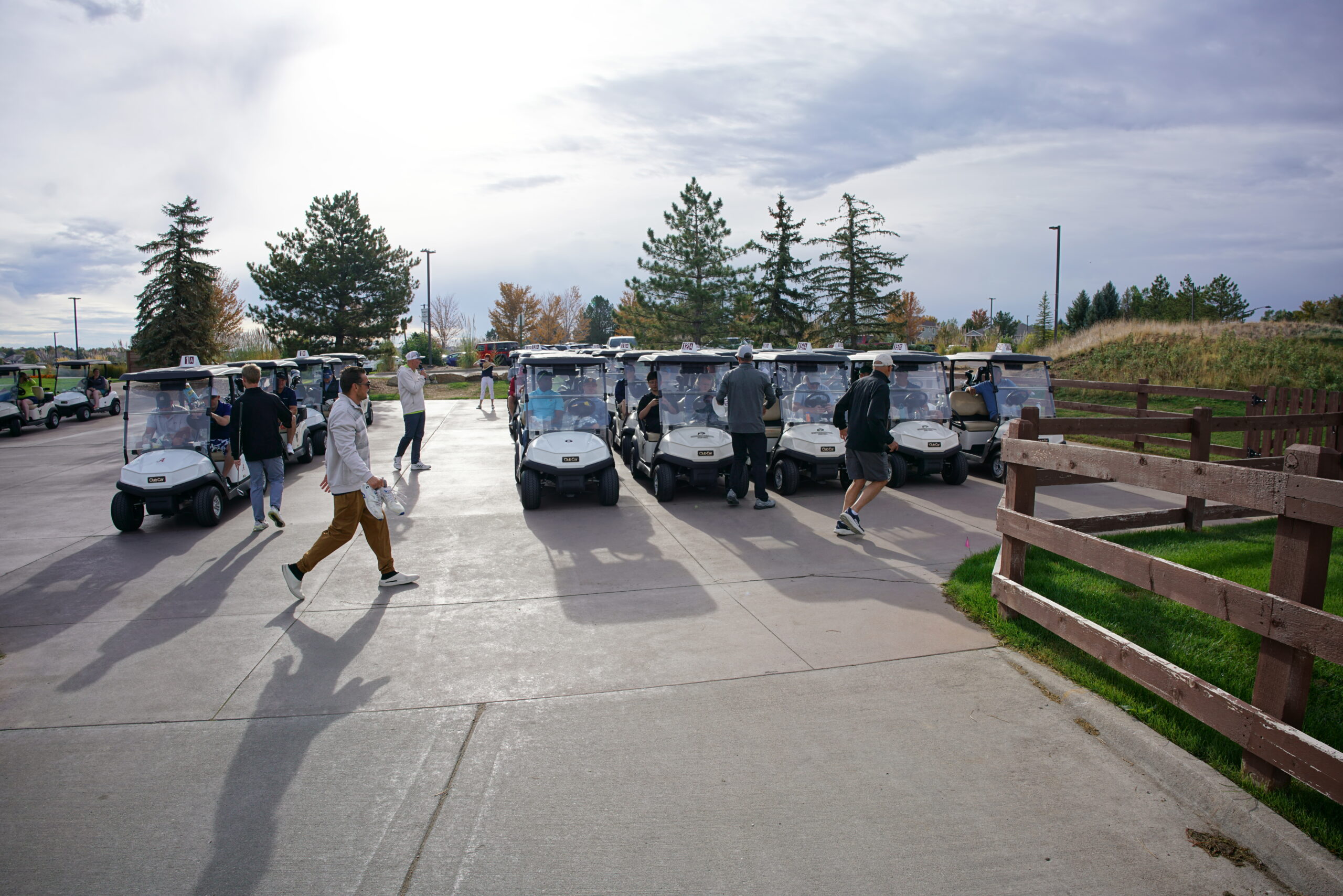
That is difficult to recreate in a booth, meeting room, or scheduled 30-minute Teams call. On the course, you have a golf cart, 18 holes, some questionable swings, plenty of time between them, and nowhere particularly urgent to be except the next tee.
So you talk.
That gives you time to actually talk and get to know the people you are with. I’ve long believed that people don’t simply buy products. They buy from people. Relationships matter in this industry, particularly in higher ed, where the trust you build with someone can play a big role when you’re deciding who you want to work with on the next project.
How HETMA Does Golf
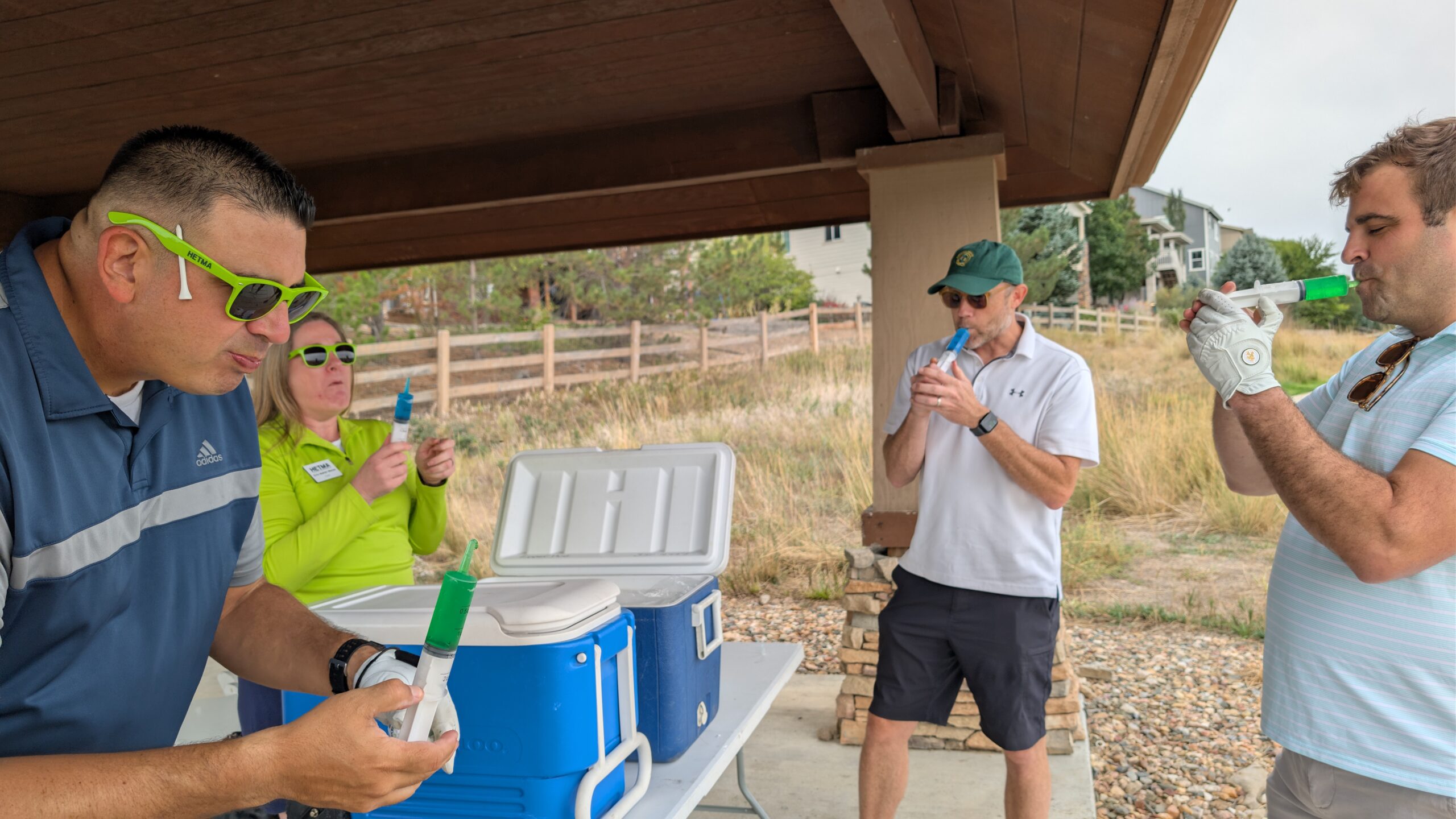
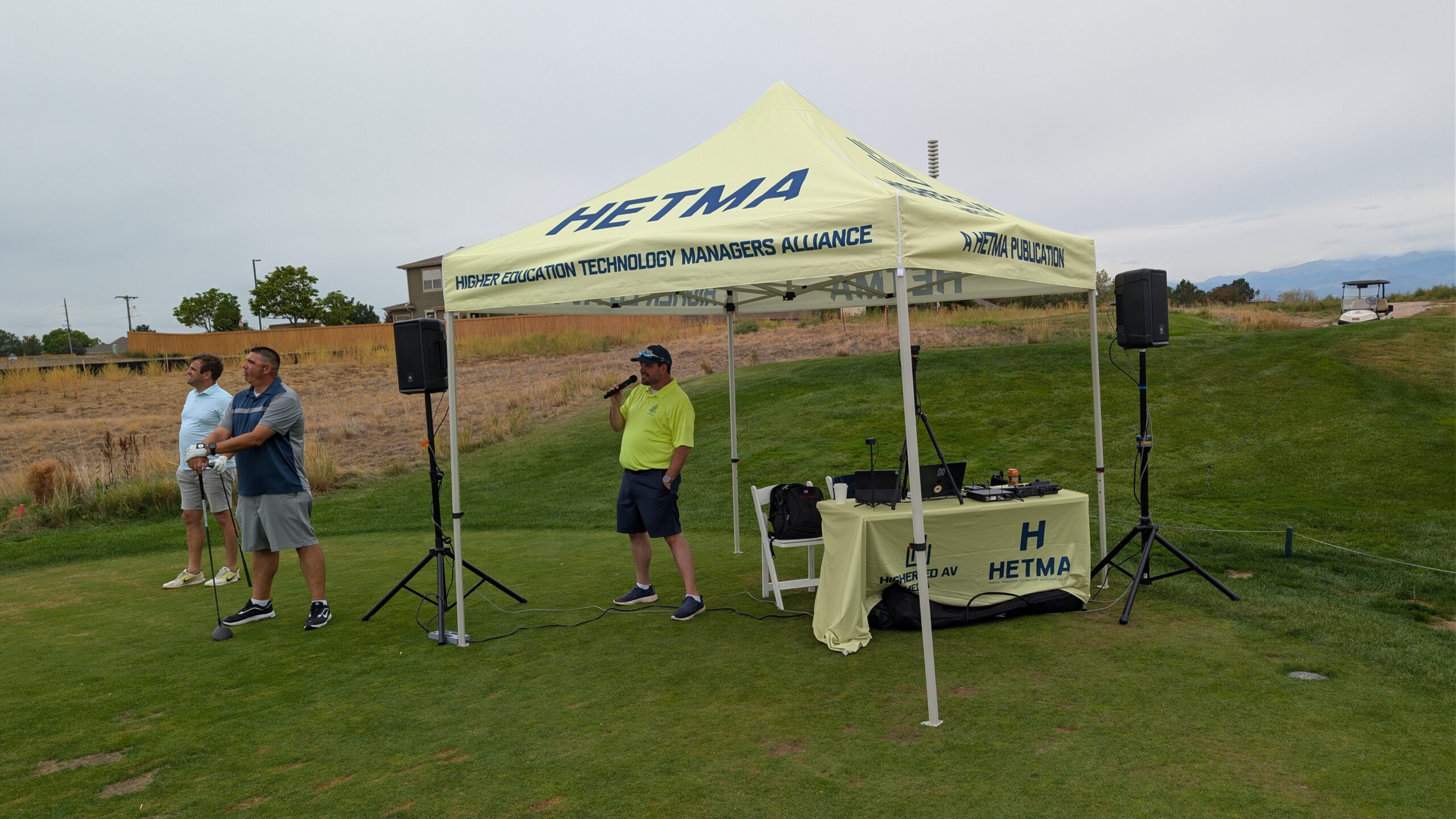
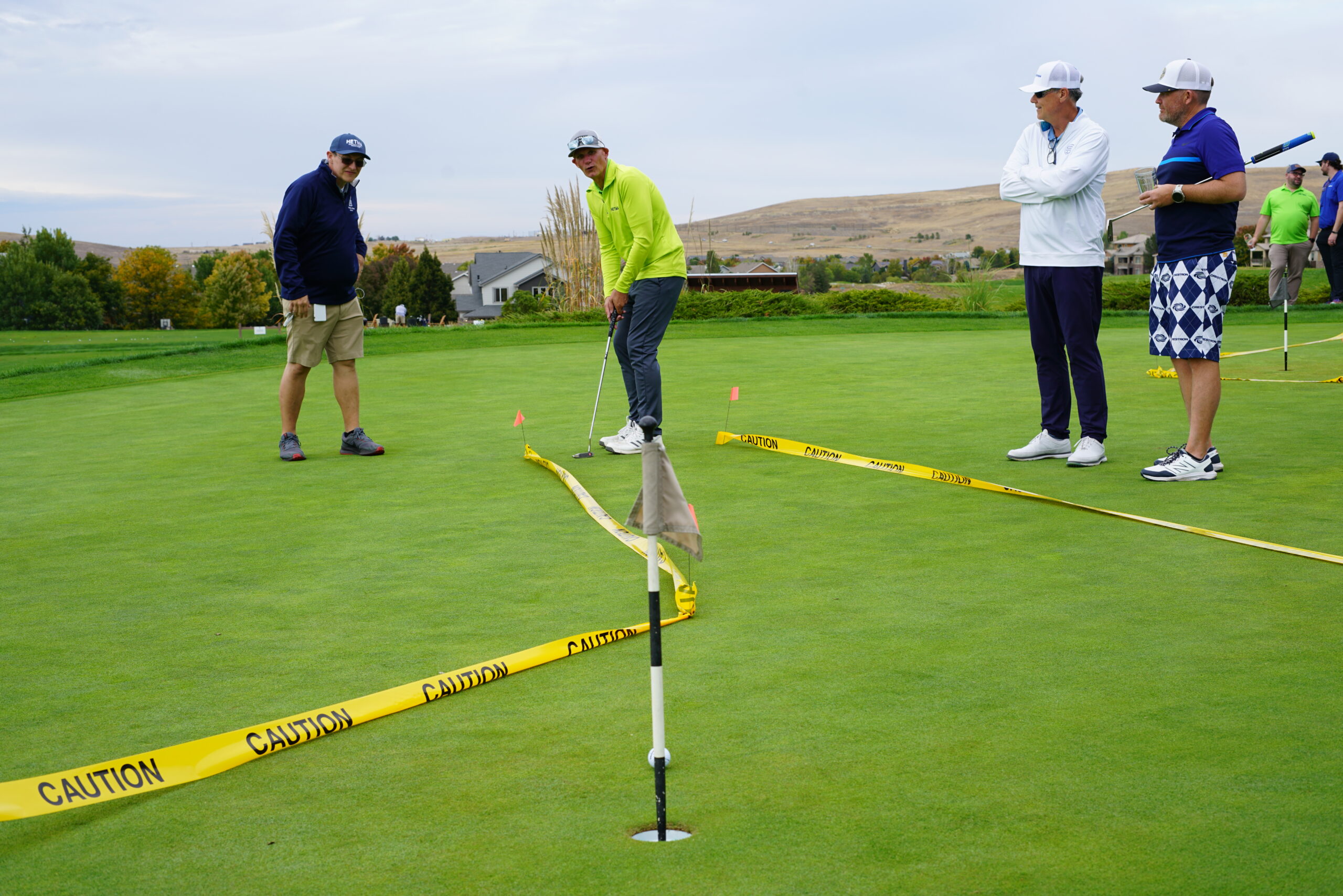
Of course, HETMA wasn’t going to put on a golf tournament and just have everyone play golf. There were plenty of other things happening around the course throughout the day.
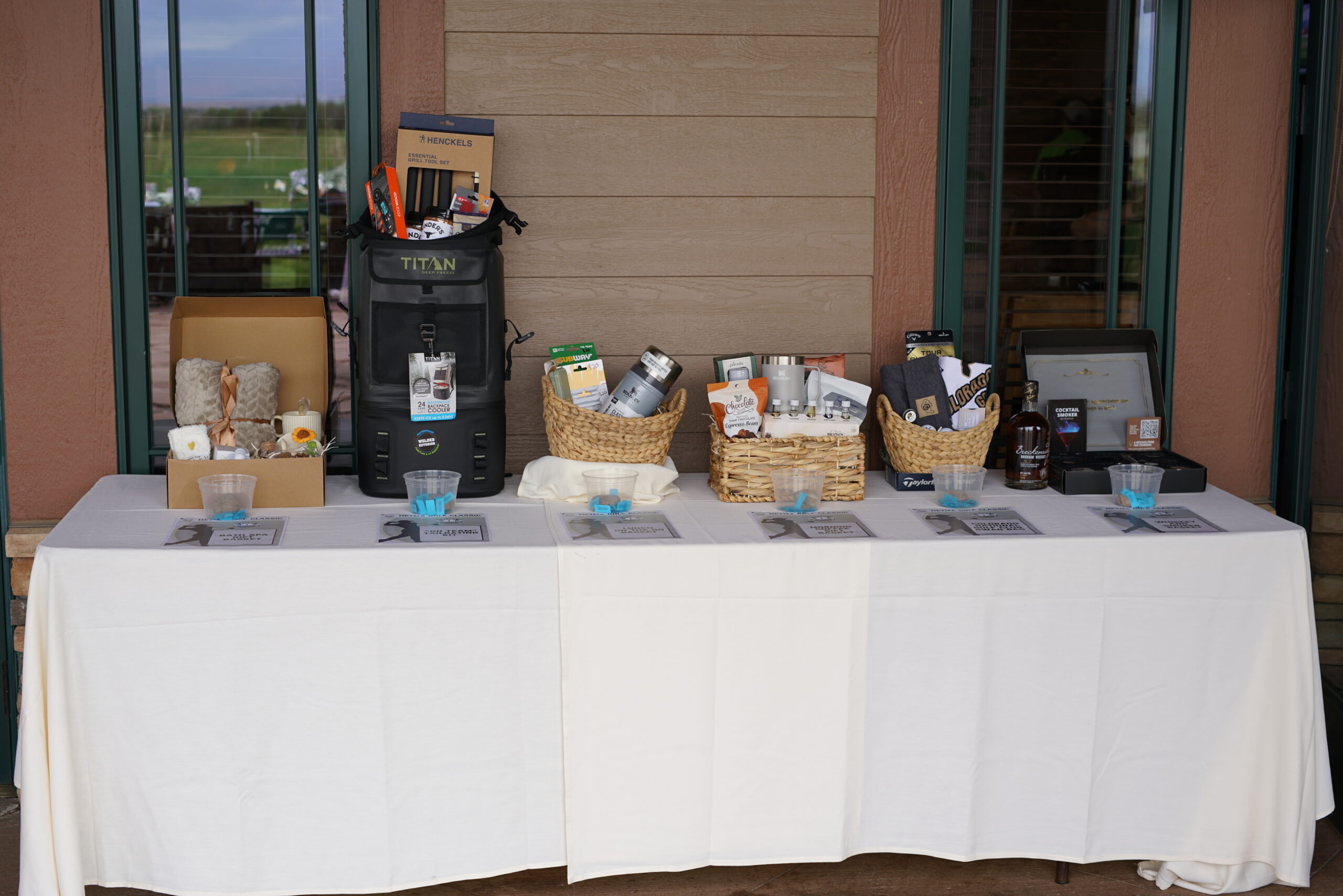
There were longest-drive and closest-to-the-pin competitions, along with a putting contest. You could also have an LPGA pro take a swing for your team.
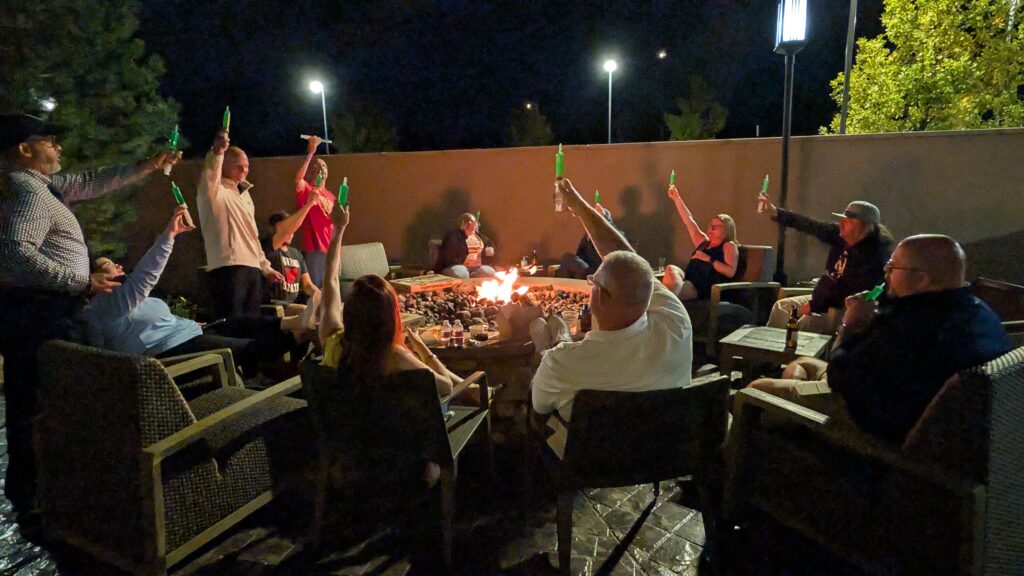
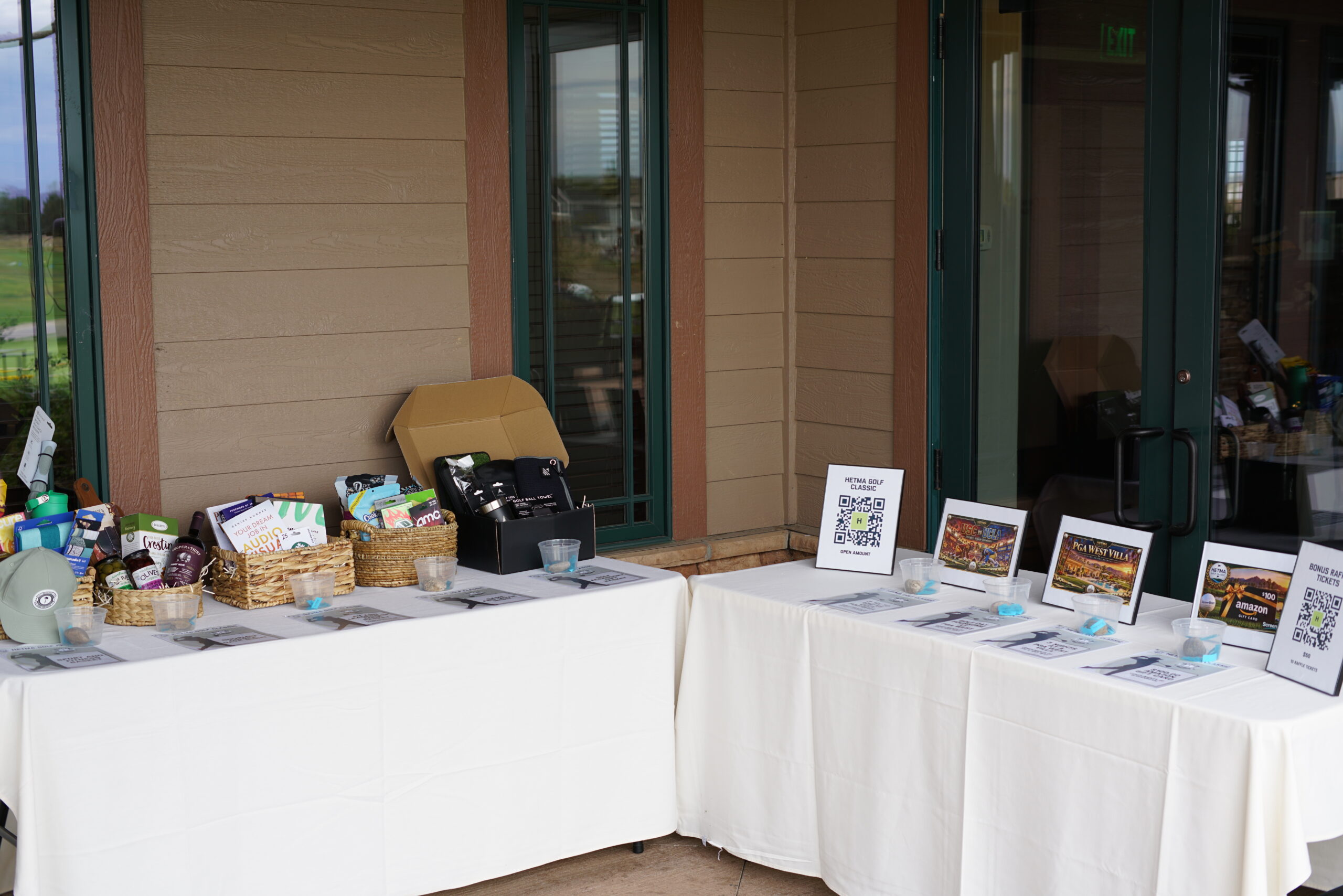
Then there were the things that made it feel a little more like a HETMA event. At one point, teams could use a stuffed ball against the group behind them to make their next hole a little more difficult. There were also quiz questions for raffle tickets, local beers, Jell-O shots, and hot dogs at the turn.
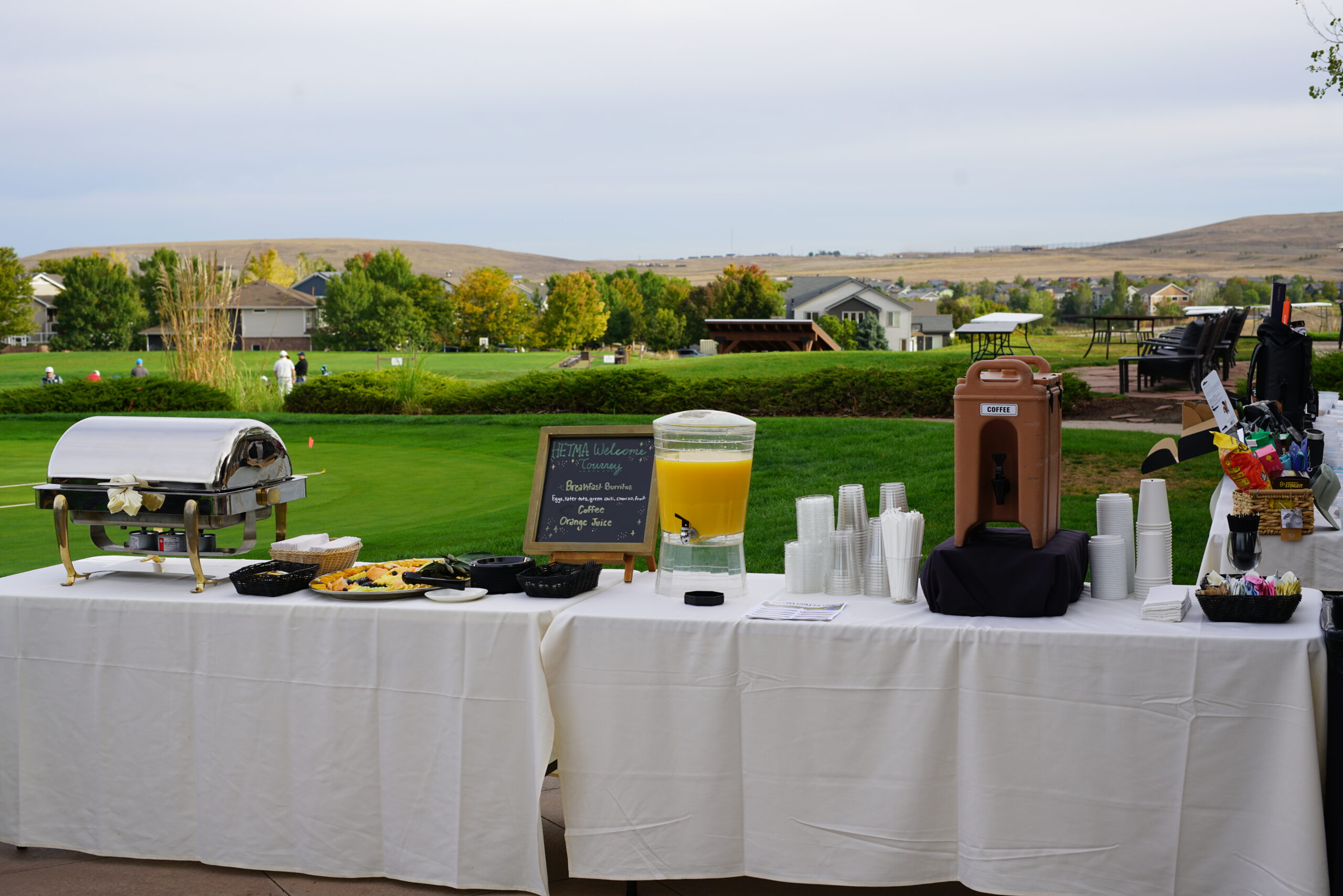
Breakfast burritos and fruit were waiting in the morning, food was delivered out onto the course, and a drink cart made its rounds throughout the day. There was always something available if you needed food, a drink, or just a break from golf for a minute.
Look Up Every Once in a While
Then there was the course itself, and pictures don’t really capture it. Colorado National Golf Club gave us the Rockies as a backdrop throughout the day, and even as someone who doesn’t golf regularly, I could appreciate the grounds, the different layouts from hole to hole, and the staff who kept everything moving.
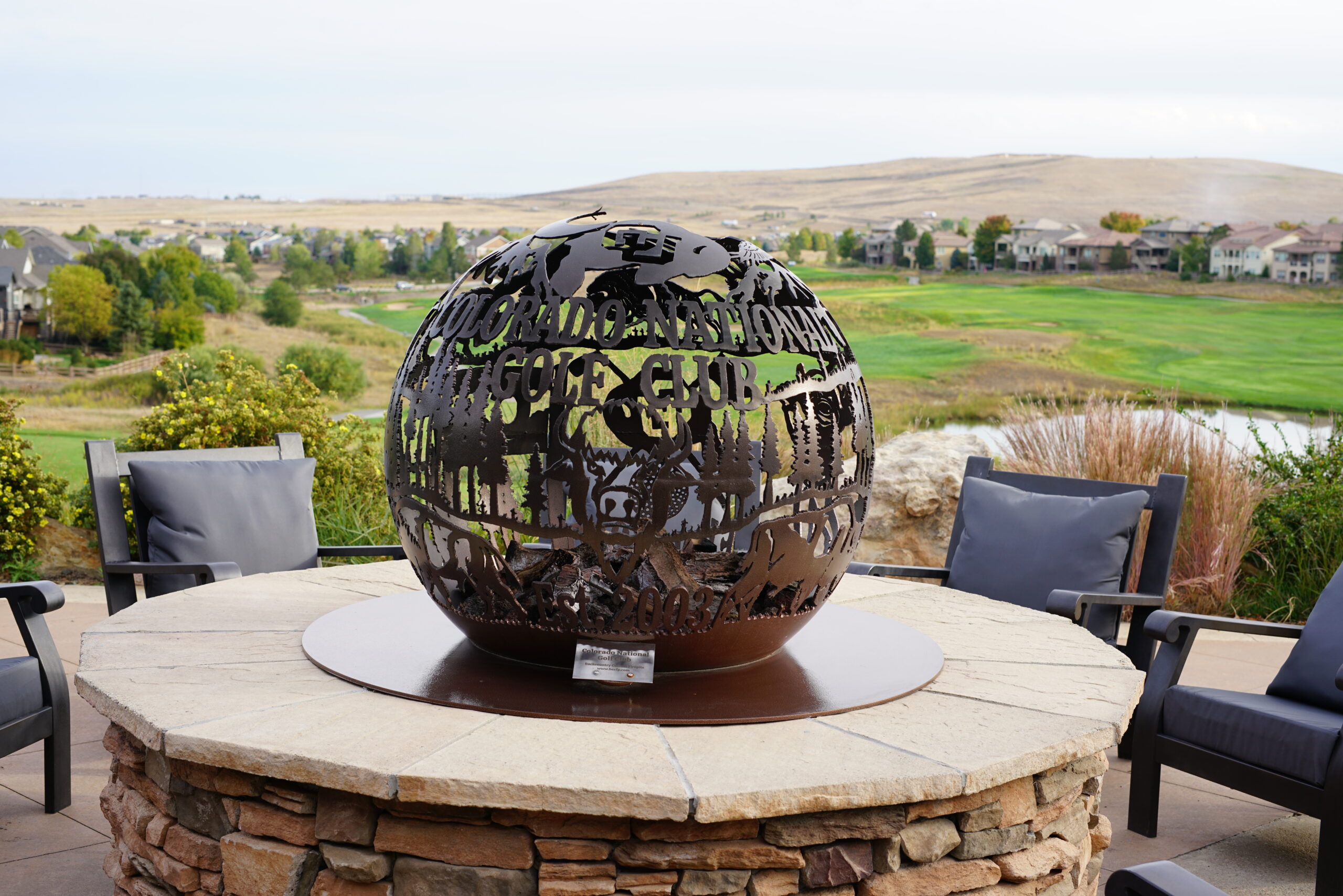
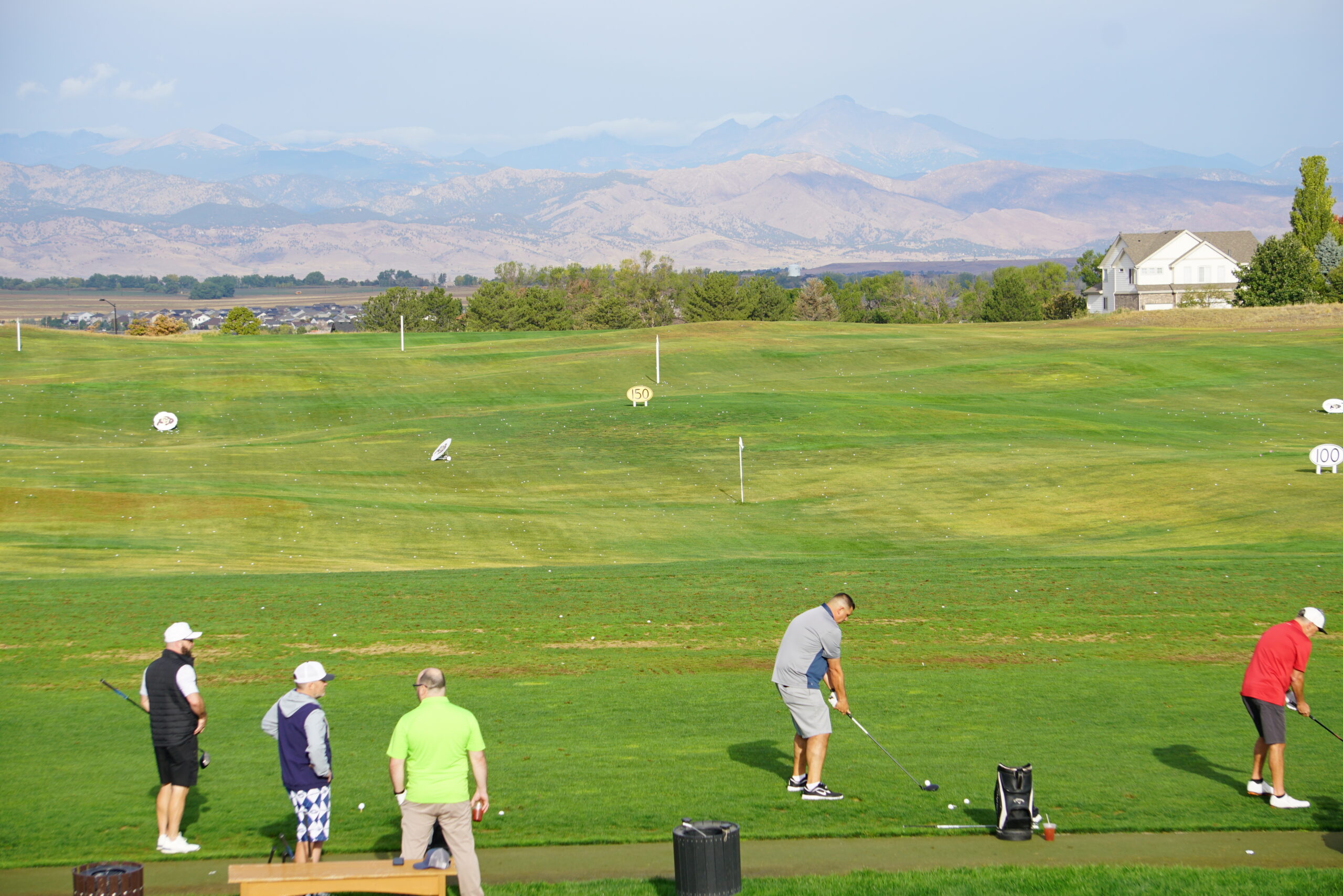
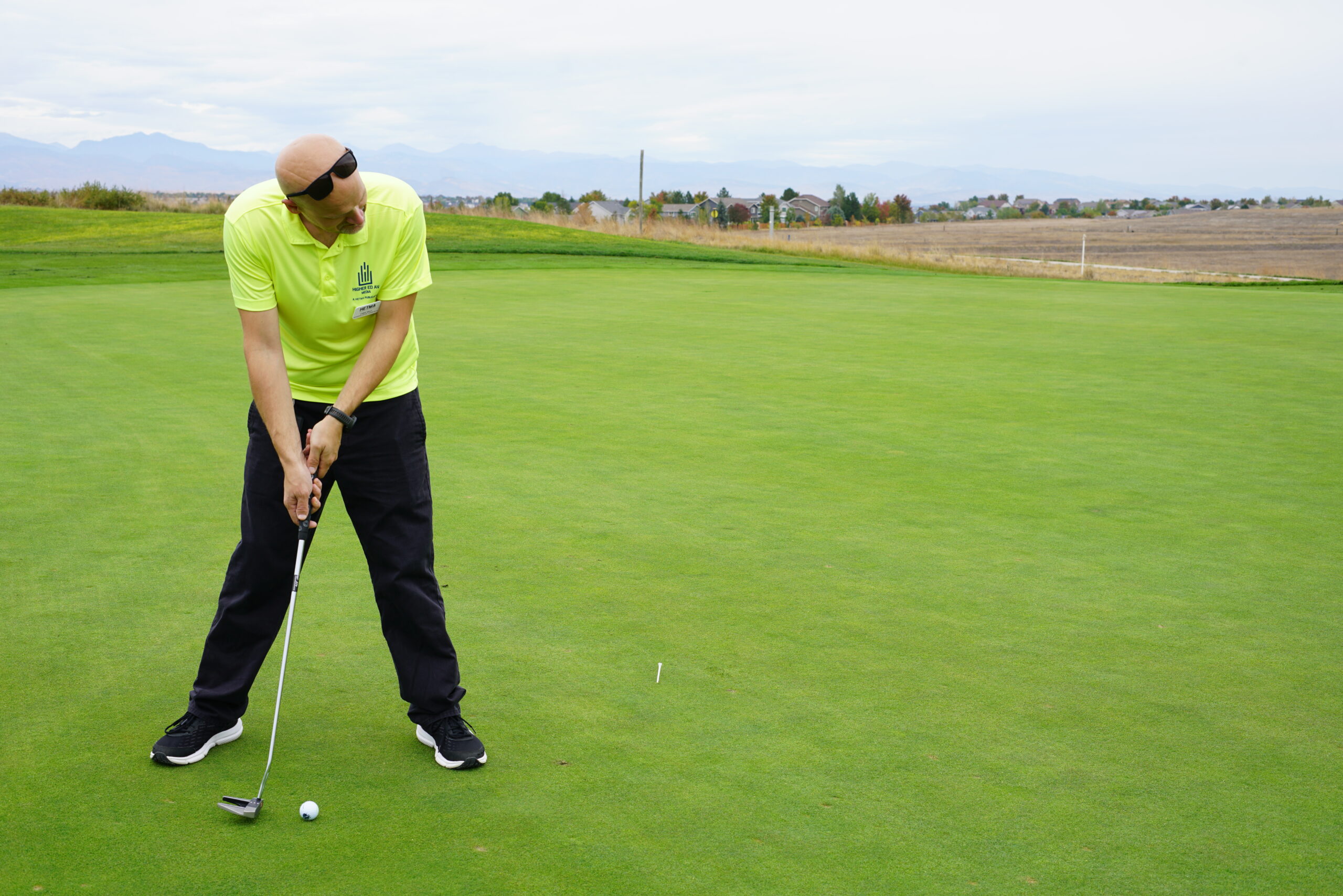
I am certainly not enough of a golfer to tell you what makes a course great from a player’s perspective, but I didn’t need to be. It was a beautiful place to hold the event, and the staff was incredibly accommodating throughout the day.
It Takes More Than Golfers
Around 70 people participated in the event throughout the day, but not all of them were there to golf. Some were handling registration, running event stations, delivering supplies around the course, staffing the vendor expo, or helping with Higher Ed AV Media, which was broadcasting live from a tent and providing commentary throughout the day.
A lot of that work started months earlier. People were coordinating sponsors, packing swag bags, handling shipping logistics, organizing prizes, assigning volunteers, preparing materials, and making sure signs and supplies were distributed where they needed to go.
Most attendees probably never have to think about all of that background work, and that is probably a good thing. If the event feels easy once people arrive, it is because a lot of people have already spent a lot of time making sure it would.
One More Chance to Connect
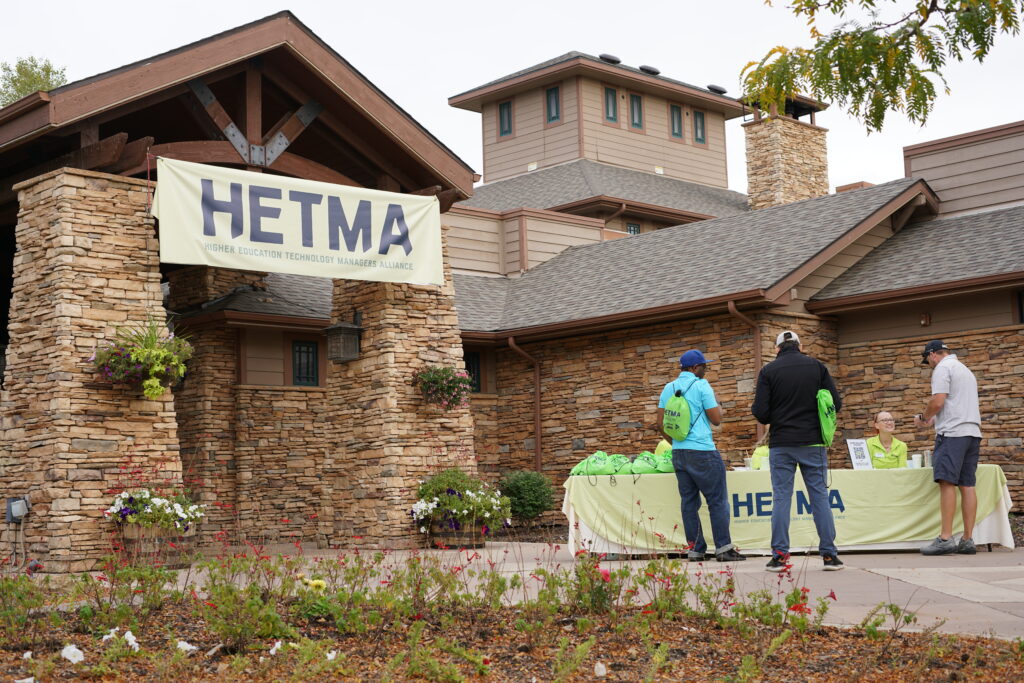
After everyone came off the course, the day continued with a vendor expo back at the clubhouse. This was new for the Golf Classic this year and gave attendees a chance to spend some additional time with the sponsors who helped make the event possible.
There was some gamification built around visiting the tables, but the bigger benefit was simply giving people another reason to stop, talk, and make connections. It also gave sponsors who were not out golfing another way to be part of the event and spend time with attendees.
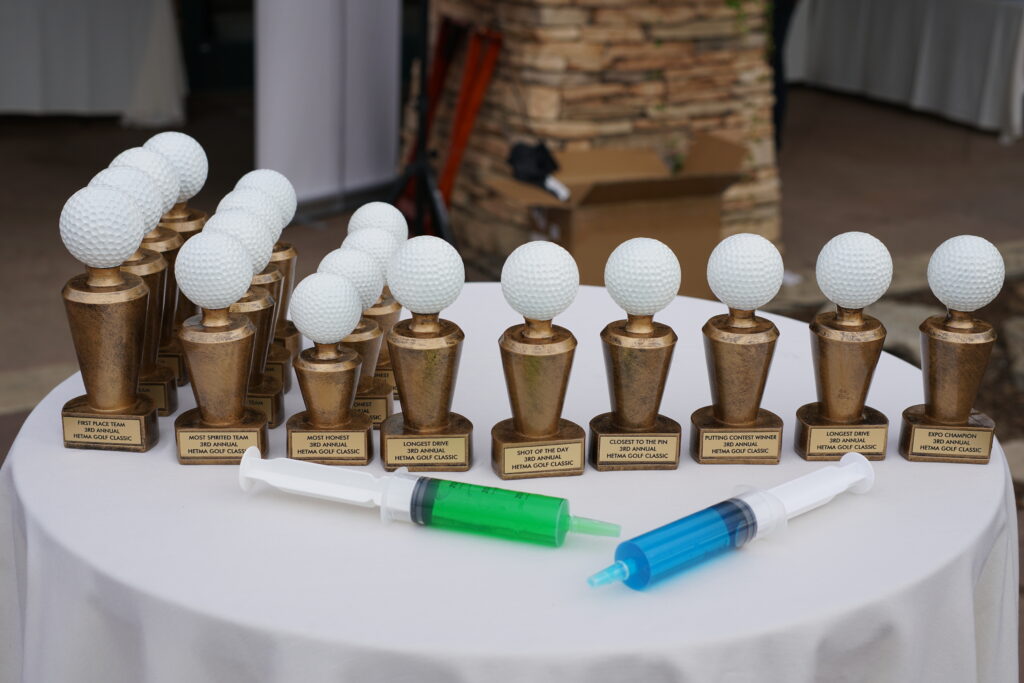
Then came the reception, food, raffles, and awards. There were trophies for the things you would expect at a golf tournament, including best score, longest drive, and closest to the pin.
But this is HETMA, so there were also awards like “Most Honest” and “Most Spirited.” I like that because you don’t have to be the best golfer there to stand out or add something to the experience. You can be terrible at golf and still make the day better for the people around you.
What I Gained
I went into my first HETMA Golf Classic knowing the basics of what the event was supposed to be. It was a fundraiser supporting the Prism Scholarship, with sponsors, higher ed professionals, volunteers, food, contests, and, obviously, golf.
What I didn’t really understand until attending was how all those pieces fit together. Golf is important to the event, but it isn’t really the point.
The point is getting people together long enough for real relationships and conversations to develop. That can mean spending several hours in a cart with someone you might normally only see across a tradeshow aisle, laughing about a terrible shot, or finding out that someone you met on the course can eventually connect you with the right person back home.
It’s stopping to appreciate the Rockies behind you. It’s grabbing a hot dog at the turn, answering a ridiculous quiz question, wandering through the expo, and eventually ending the day back at the clubhouse swapping stories about what happened out on the course.
It is all the smaller parts of the day that add to that. The conversations, the golf, the food, the activities, and the time spent around people you might not normally get to know all help make the event what it is.
By the end of the day, I had met people I didn’t know before, spent more time with people I did, and came away with a better understanding of why this event works. At the same time, the money raised goes back into the Prism Scholarship and helps create more opportunities for people entering higher ed AV.