






Shure at InfoComm 2026: When Good Enough Audio Stops Being Good Enough
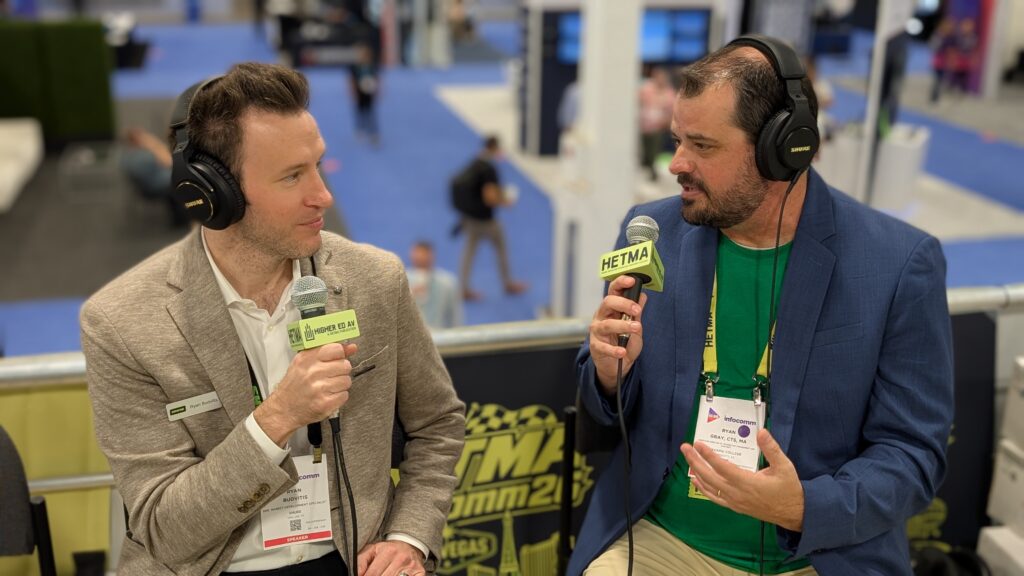
Some InfoComm conversations land because they connect the product roadmap to what campus AV teams are already trying to solve. Shure’s higher-ed conversation this year is one of those.
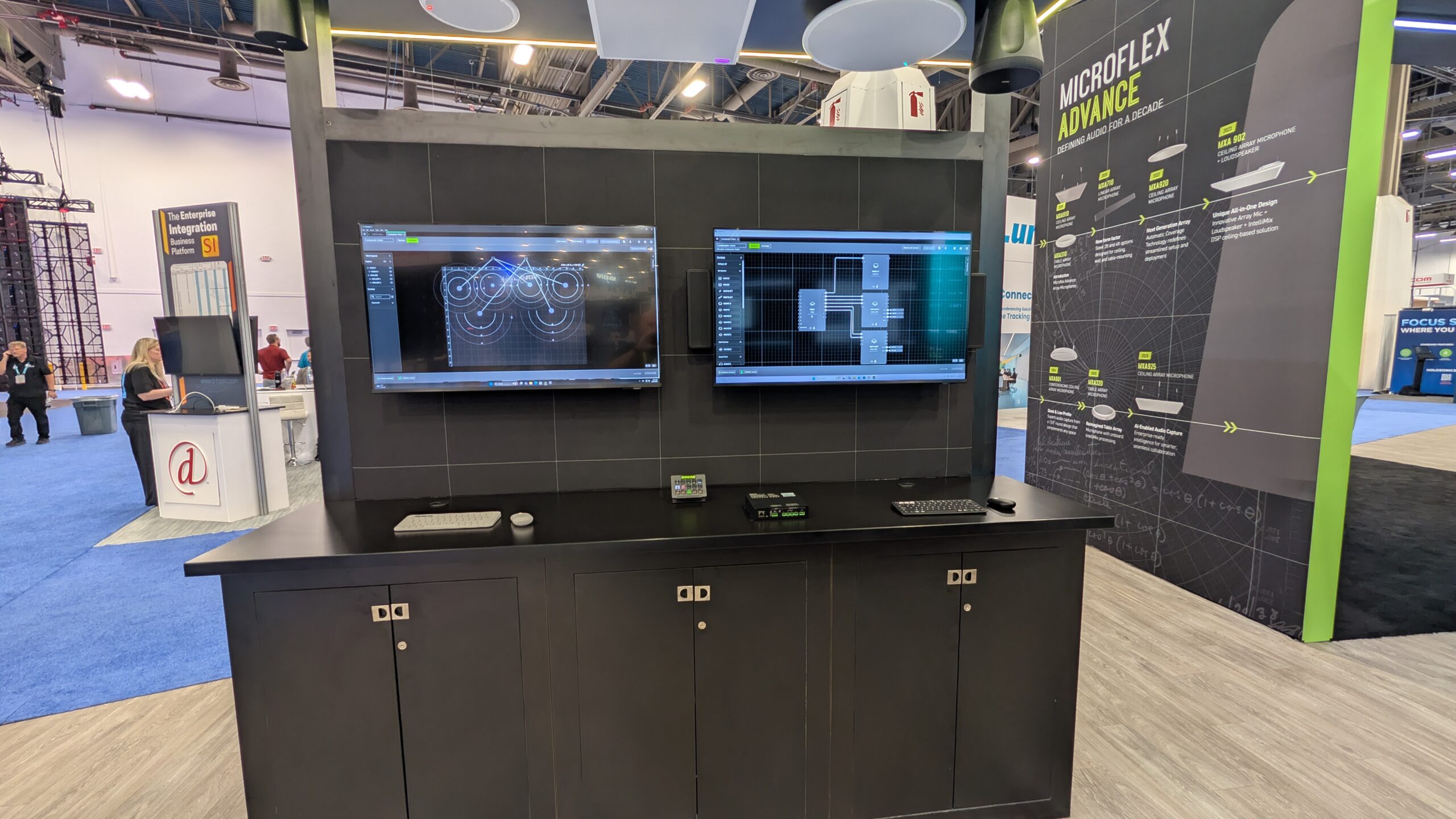
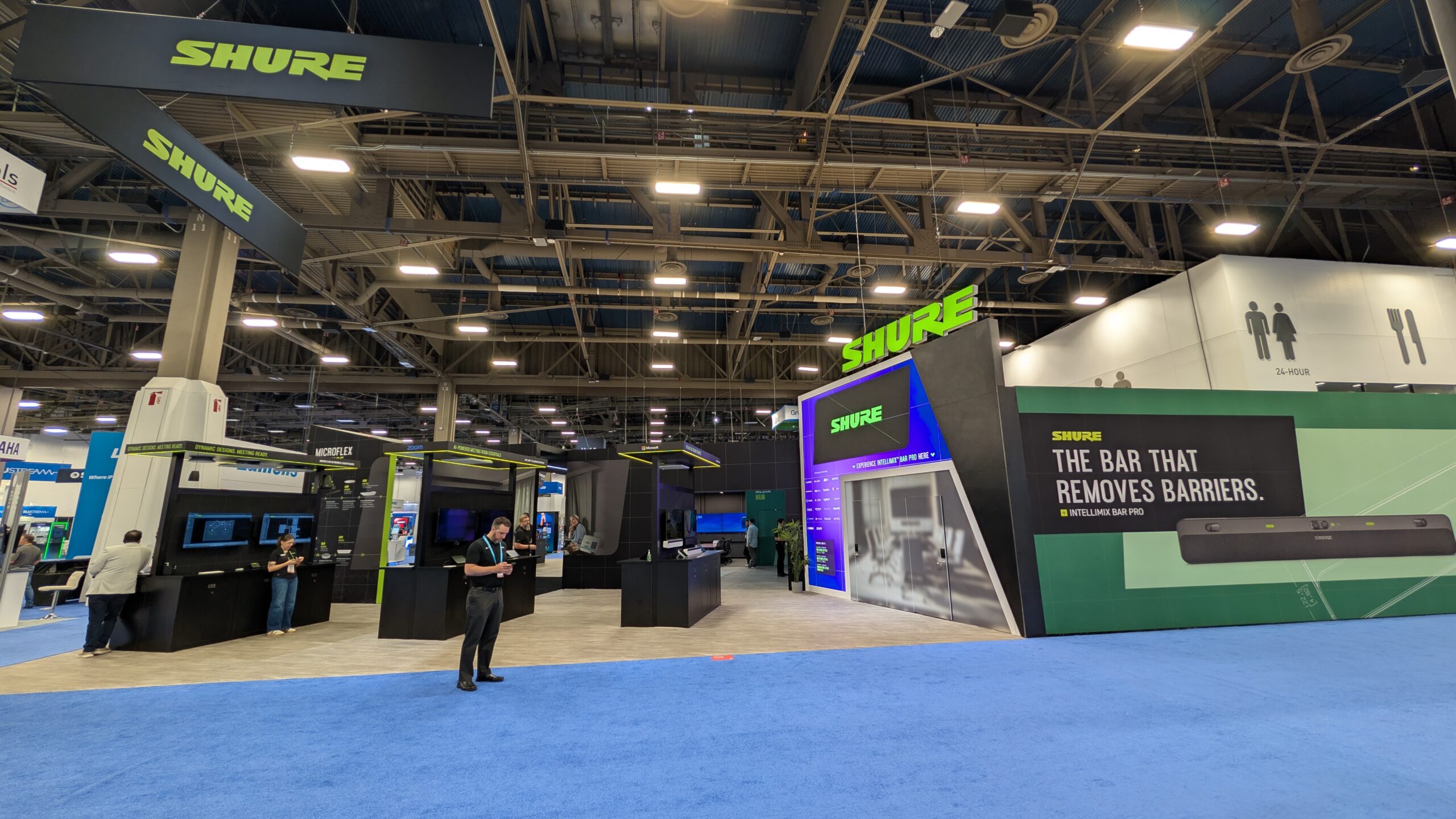
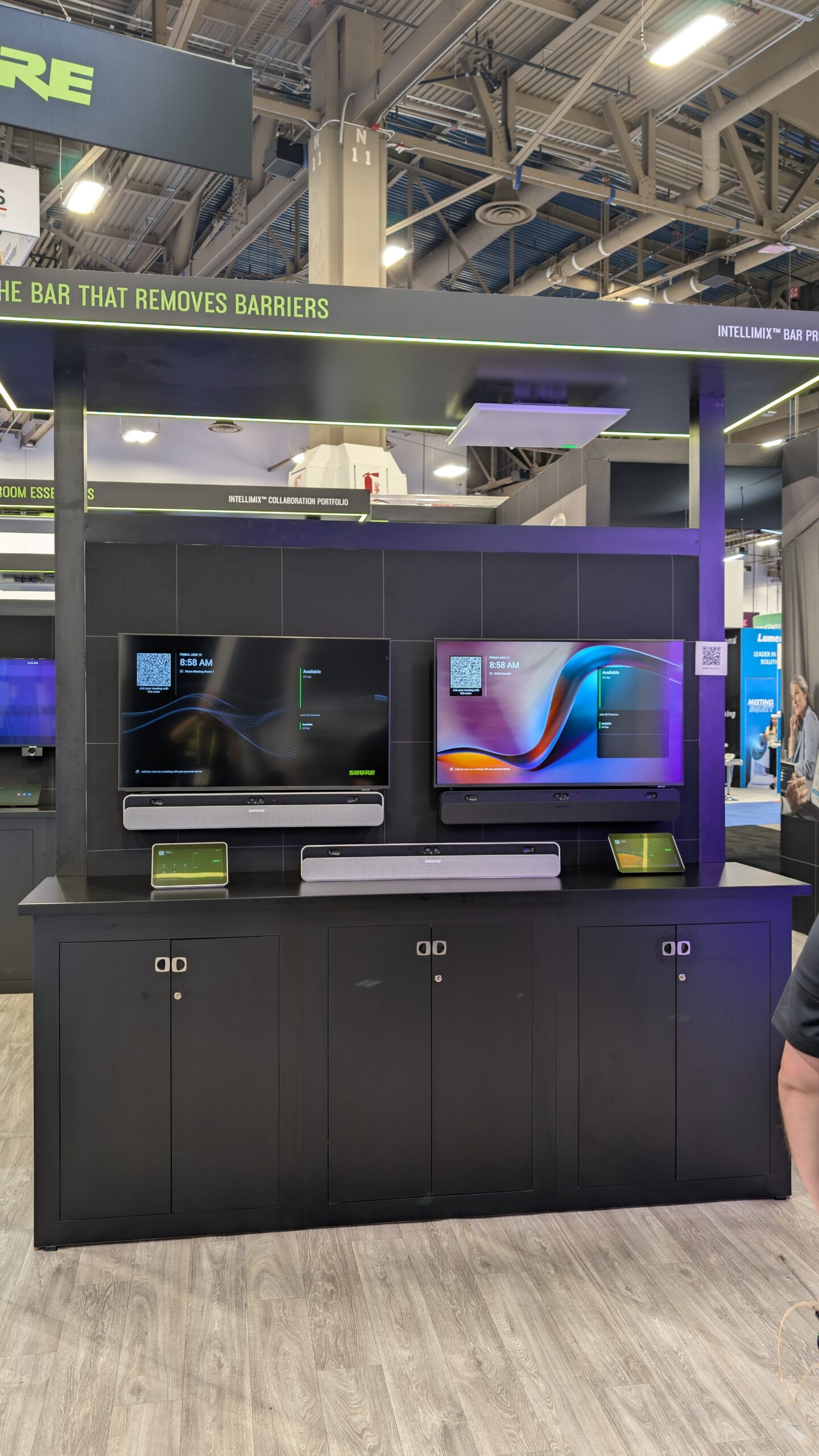
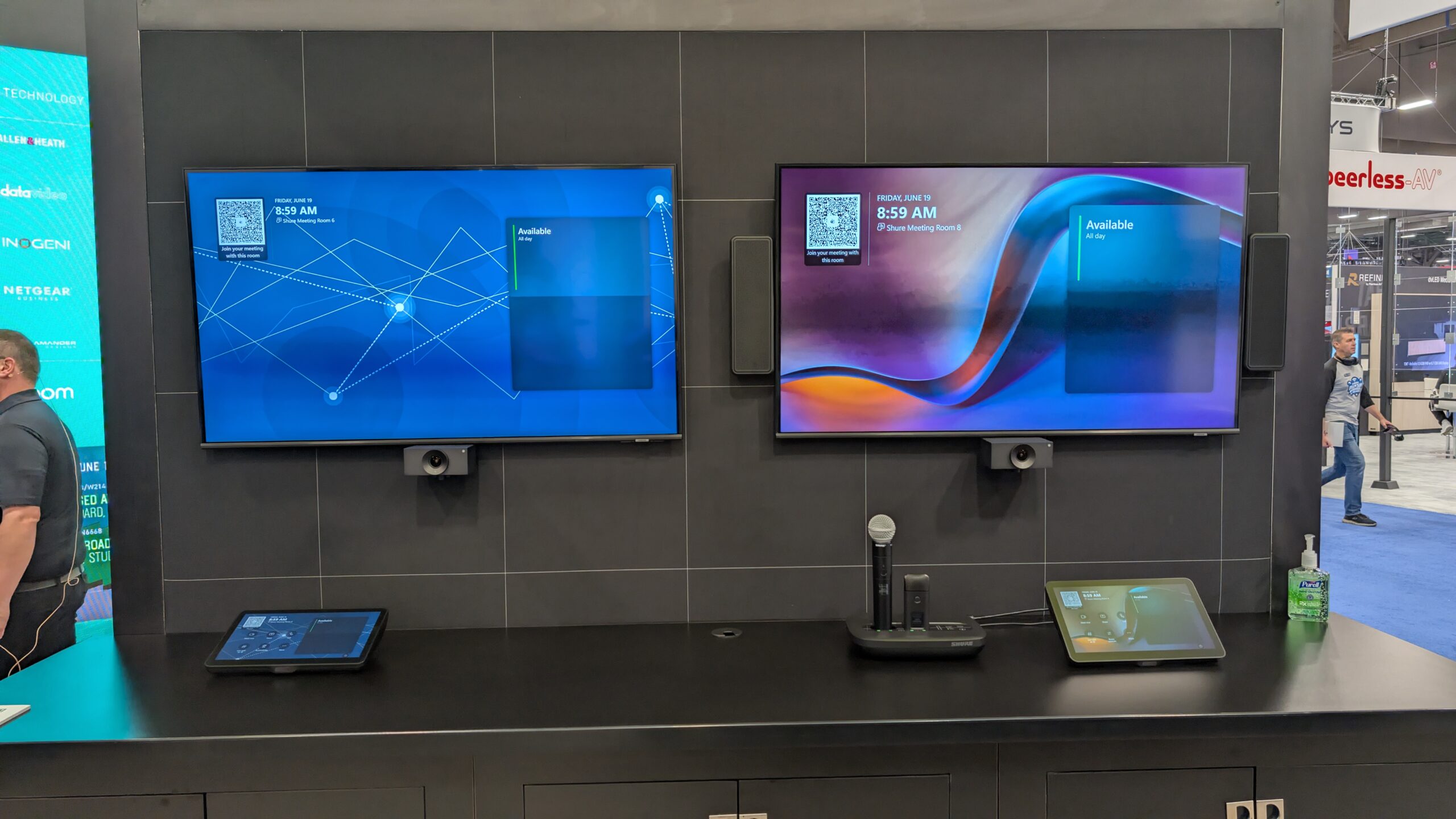
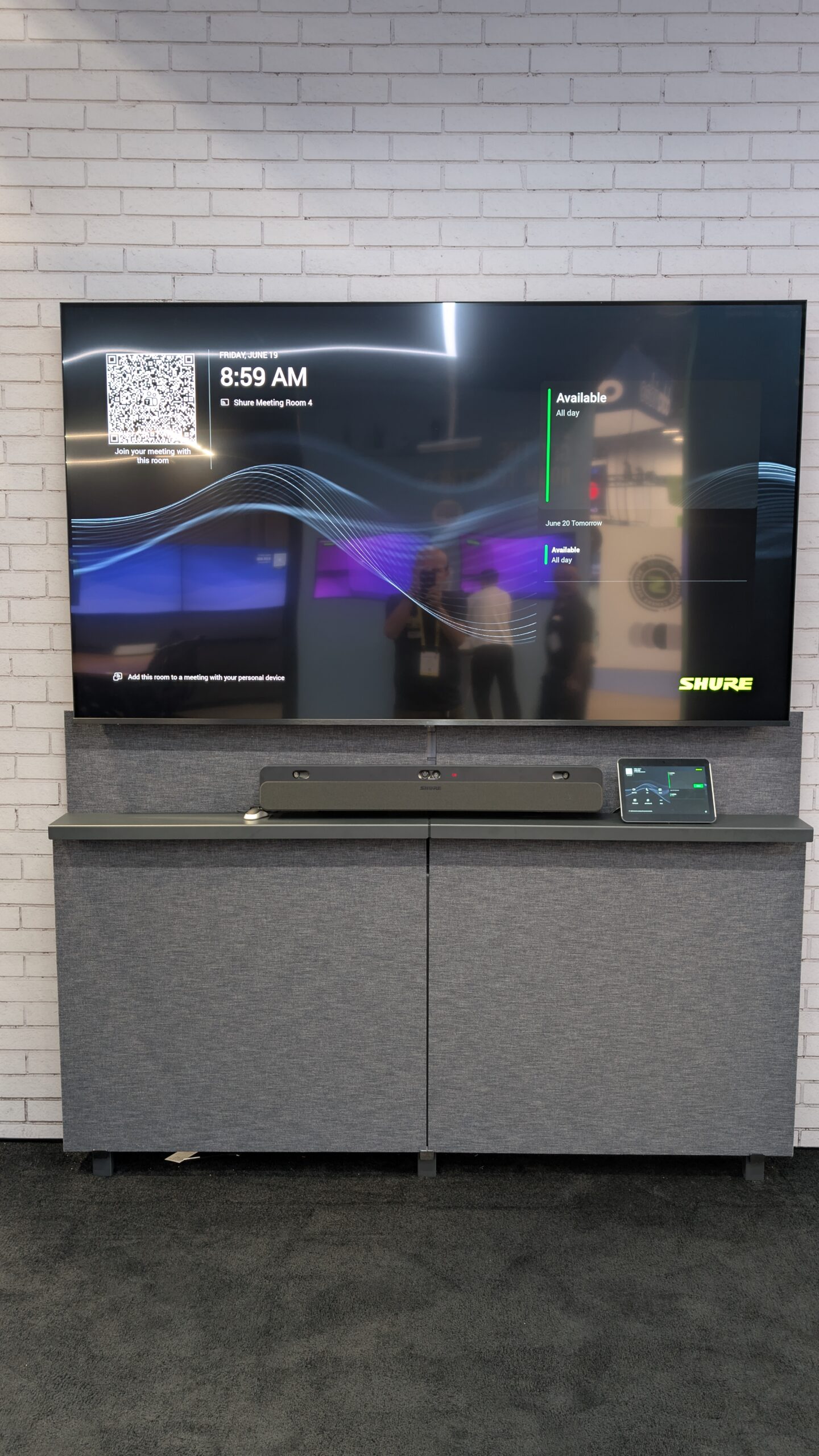
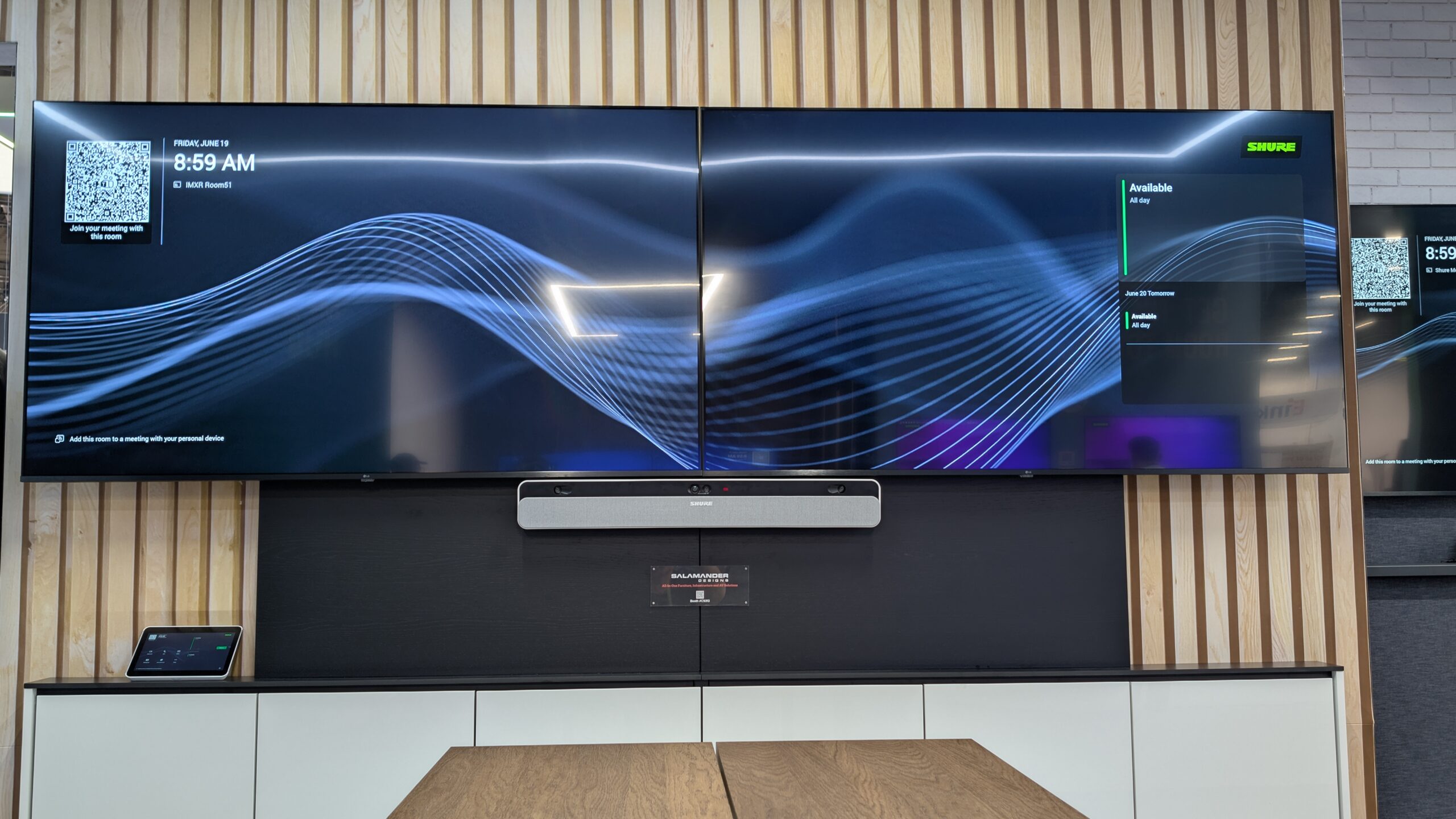
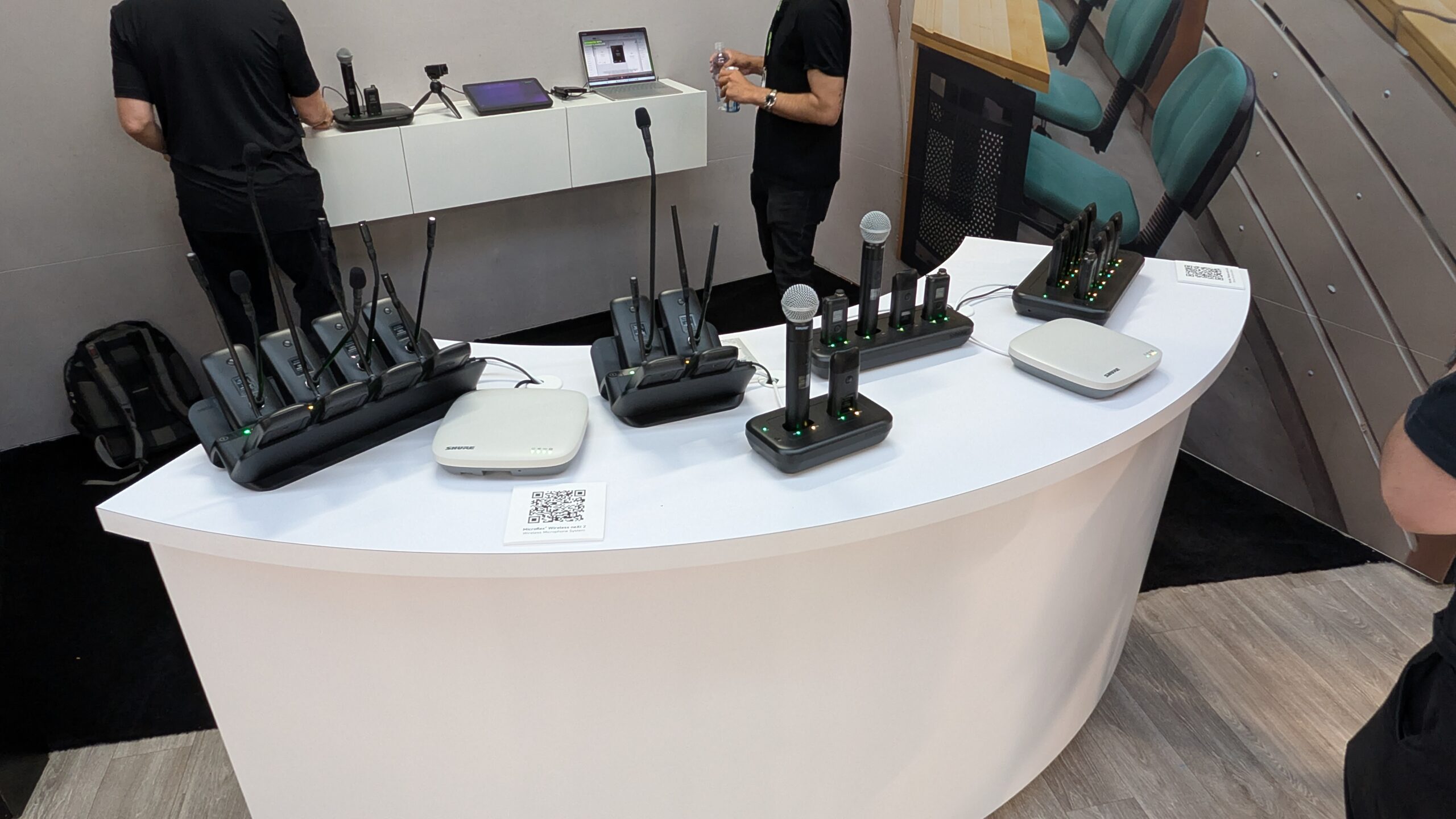
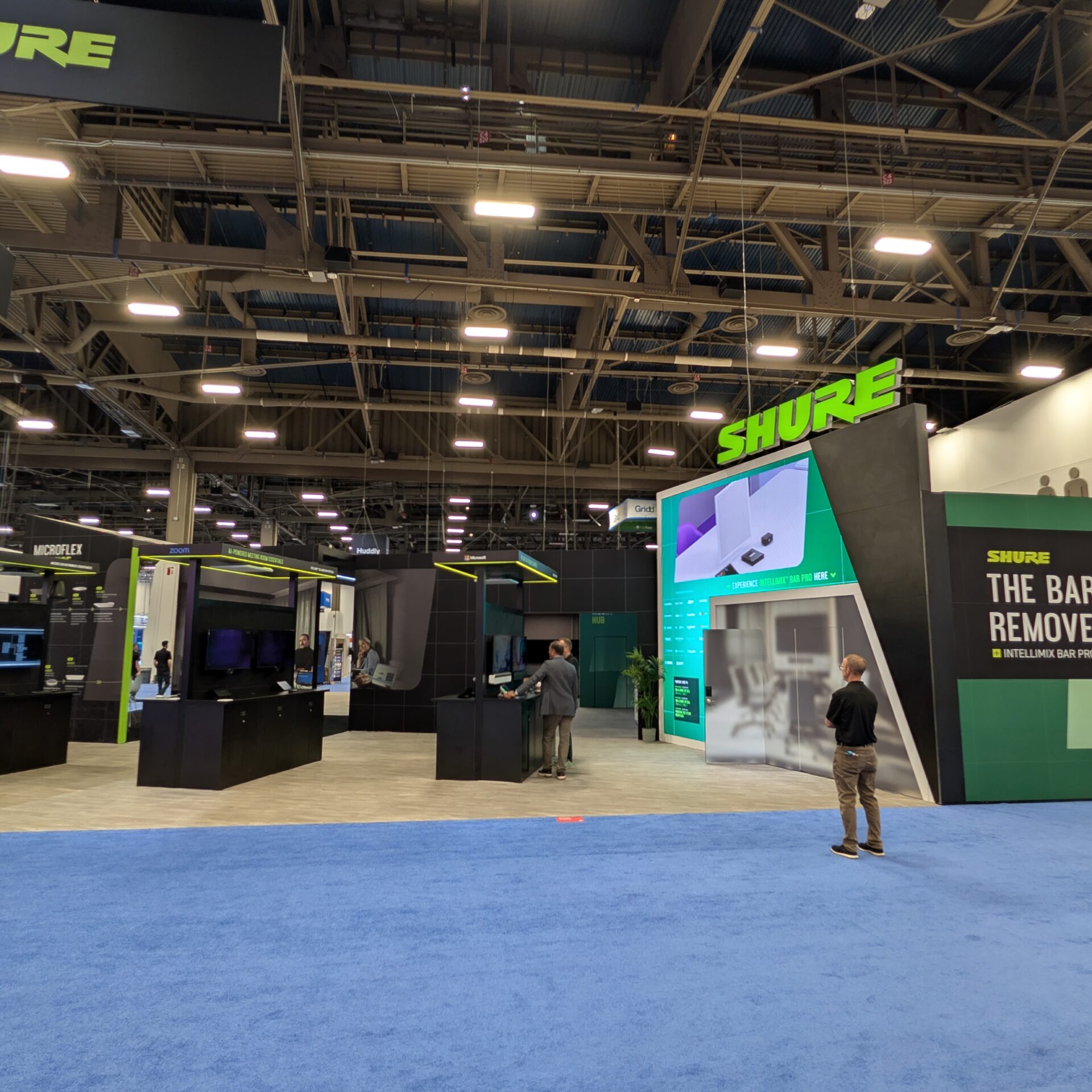
In the interview, Ryan Budvitis, Shure’s HETMA liaison, talked about new Shure tools for higher education, including IntelliMix Room Kits for Zoom, the MXA925, MXW Next updates with Fusion, IntelliMix Bar Pro, and the larger idea that classroom audio now has to support more than the people in the room. Shure is also showing IntelliMix Bar Pro Kit, IntelliMix Room Kits Zoom, MXA925, SLXD+, DCA 901, ANX4, 901 firmware, and MXW Next with Fusion at InfoComm 2026.
The core message was not just that Shure has more products for classrooms. It was that the standard for audio in higher ed has changed.
“good enough is no longer going to be good enough when it comes to audio.”
That is the point. Audio is no longer only about whether people in the room can hear the instructor. It affects lecture capture, remote participation, transcription, translation, AI study tools, accessibility, searchability, and the ability for students to recover when they miss class. If the audio is not intelligible, the downstream tools cannot do much with it.
Audio Is Now Part of the Learning Data
One of the strongest parts of the Shure conversation was how quickly audio moved from room experience to learning access.
Ryan described a common higher-ed reality: students may miss class because of work, family responsibilities, illness, or life outside the institution. If the class is captured well, students can use recordings, transcripts, summaries, and other tools to catch up. If the audio is weak, those opportunities start to fall apart.
The line that tied it together was simple.
“if we can’t translate human interaction into digital, we don’t get that capability.”
That is why classroom audio matters more than it sometimes gets credit for. The microphone is not just feeding the loudspeakers or the far-end participant. It is feeding the record of the class. It is feeding the captions. It is feeding the transcript. It may be feeding AI tools that create study aids or help students process the material in different ways.
That changes how campuses should think about audio quality. Intelligibility is not a luxury feature. It is part of whether the room can support the learning workflows institutions are increasingly asking it to support.
IntelliMix Room Kits for Zoom
Ryan started with one of the products Shure is most excited about for higher ed: IntelliMix Room Kits for Zoom.
When Shure first released the Teams version, Ryan said many higher-ed customers immediately saw the fit but asked when it would come to Zoom. That response makes sense. Zoom remains deeply embedded across many colleges and universities, especially in teaching, advising, hybrid instruction, and distance-learning workflows.
The higher-ed value of IntelliMix Room Kits for Zoom is in bringing Shure’s audio ecosystem into a room workflow campuses already use. It also points to a broader pattern in the Shure lineup: reduce the number of separate pieces when possible, keep the audio quality high, and make the system easier to build into common teaching and collaboration spaces.
That matters because many campuses are being asked to improve room capability without adding more budget, more devices, or more support overhead. A kit approach can help standardize the room while still giving AV teams room to adapt to the space.
MXA925 and the AI Audio Layer
Shure is also showing the MXA925, an update to the MXA920 family with more processing power. Ryan focused on the practical benefits: AI Denoiser, AI Deverb, and AI AEC.
Those are not abstract audio features in higher ed. They map directly to familiar classroom problems.
AI Denoiser helps address the chip bags, keyboard clicks, pens, and other small noises that become distracting in captured or remote audio. AI Deverb helps in rooms where the acoustics are not easily changed, which is a common campus issue. Some rooms cannot receive treatment because of architecture, budget, aesthetics, historic constraints, or stakeholder decisions. They still have to support hybrid teaching and capture. AI AEC brings a newer algorithm designed to handle the room more intelligently when people move or conditions change.
The practical higher-ed point is that campuses rarely get perfect rooms. They inherit spaces. They adapt spaces. They support rooms that were not designed for hybrid learning, but now need to function that way. Better processing does not remove the need for good acoustics and system design, but it can help make more rooms usable for remote and recorded participation.
MXW Next and Doing More With Fewer Boxes
Another major theme in the interview was reducing the number of separate devices needed in a classroom audio system.
Ryan talked about MXW Next and the ability to use DSP and endpoints in a way that can remove extra hardware from the signal chain. If a room already has ceiling arrays and the campus wants to add wireless, MXW Next can help avoid adding another intermediary processor in some designs. He also pointed to Fusion and additional Dante inputs through the automixer as part of that direction.
That matters because higher ed teams are constantly balancing quality, cost, supportability, and room complexity. Every additional black box has a cost. It also adds firmware, configuration, rack space, power, points of failure, and support documentation.
The goal is not to make every room minimal at the expense of performance. The goal is to remove unnecessary layers while still producing audio good enough for capture, transcription, translation, and remote participation.
Ryan described the result as being able to remove parts and pieces while still getting the high-quality result needed for the rest of the learning workflow.
That is the campus value: fewer boxes where possible, not lower expectations.
Accessibility Is in the Audio Path
The interview also moved into accessibility, especially around the idea that existing systems may be able to support more than their original use case.
Ryan hinted at future possibilities around using the broader system in different ways, including the Bluetooth component and assisted listening direction. The point was not a formal product announcement. The point was the larger possibility: if the infrastructure is already in the room, campuses may be able to expand accessibility support without treating it as a special exception every time.
The phrase that landed was:
“Accessibility at its finest.”
That line matters because accessibility should not depend entirely on individual accommodation events. The stronger model is rooms that are better prepared by default. If the audio system can capture more of the full interaction, feed better transcripts, support remote access, and potentially connect into assistive workflows, the room becomes more inclusive without requiring every student to start from a deficit position.
For higher ed AV/IT teams, that is the direction to watch: audio systems that help make access part of the room design, not an afterthought.
IntelliMix Bar Pro and Expandable Room Design
Shure is also highlighting IntelliMix Bar Pro. Ryan described it as a major release, starting with Microsoft Teams, with Zoom expected to follow soon. The bar includes camera technology and a four-port PoE+ switch, allowing the system to expand from the bar itself.
That fits the same design pattern running through the Shure conversation. Start with a strong base, then expand to fit the room. Not every classroom or conference space needs the same microphone plan, camera plan, or endpoint design. A product that supports expansion gives campus teams more flexibility than a fixed appliance that only works one way.
For higher ed, that is especially useful because room types vary widely. A small conference room, a seminar room, a HyFlex classroom, and a multipurpose teaching space may all need related but different configurations. The more the system can scale without becoming a custom design every time, the easier it is for campus teams to standardize intelligently.
Ten Years Since the MXA910
Shure is also marking ten years since the MXA910 changed the ceiling microphone conversation. That anniversary matters because a lot of campus AV teams built modern hybrid and lecture capture workflows around the ceiling array category.
The current Shure message is not only about what that product started. It is about how far the category has moved. Ceiling microphones, room DSP, wireless systems, software DSP, video bars, collaboration kits, and AI-enhanced processing are now all part of the same campus conversation.
The through line is clear: Shure wants to support classrooms, conferencing, events, and content creation across multiple use cases. For higher ed, that means choosing audio systems not only for the room today, but for the recordings, transcripts, remote students, AI tools, and accessibility expectations that will sit on top of that room tomorrow.
The Higher Ed Takeaway
Shure at InfoComm 2026 is worth seeing because the company is connecting audio quality to the broader learning experience. IntelliMix Room Kits for Zoom, MXA925, MXW Next with Fusion, IntelliMix Bar Pro, SLXD+, DCA 901, ANX4, and the 901 firmware update all point toward a campus reality where audio has to support live instruction, remote participation, capture, transcription, accessibility, and content creation.
The takeaway for higher ed AV/IT teams is not simply that Shure has new audio products. It is that the room audio standard has moved. Clear audio is now part of whether students can participate, whether recordings are useful, whether AI tools can help, and whether accessibility can be built into the room rather than patched on later.
Make sure to check out Shure at InfoComm 2026, or visit www.shure.com/en-US to learn more.