




Neoti at InfoComm 2026: LED Displays That Have to Fit the Use Case
Some InfoComm conversations are useful because they slow down a category that can feel crowded fast. Direct view LED is everywhere now. It shows up in lobbies, classrooms, event spaces, command centers, athletics venues, student centers, boardrooms, and public-facing campus environments. The hard part is no longer deciding whether LED is part of the conversation. The hard part is asking the right questions before the wall goes in.
That is where Neoti’s InfoComm 2026 story fits.
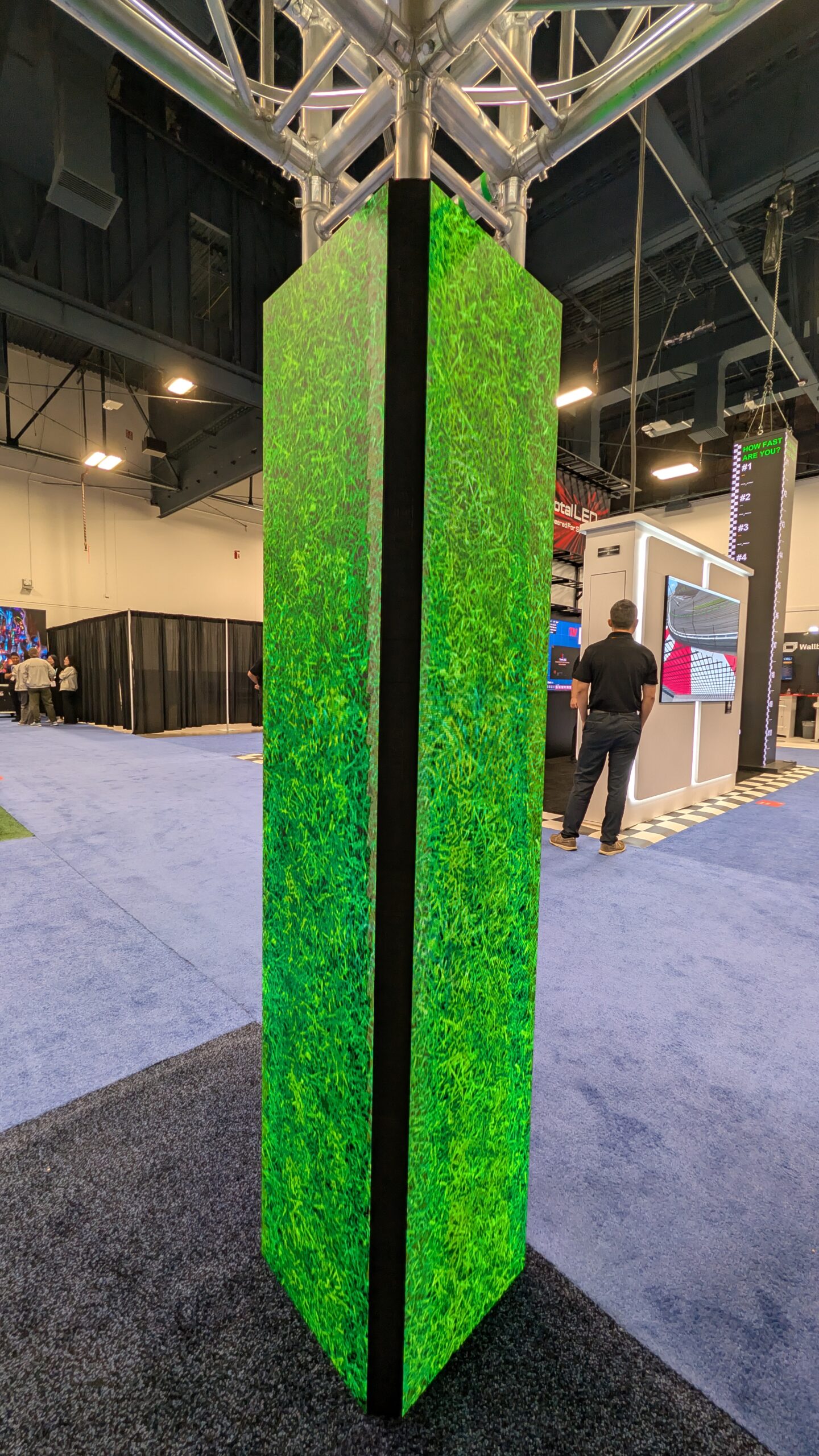
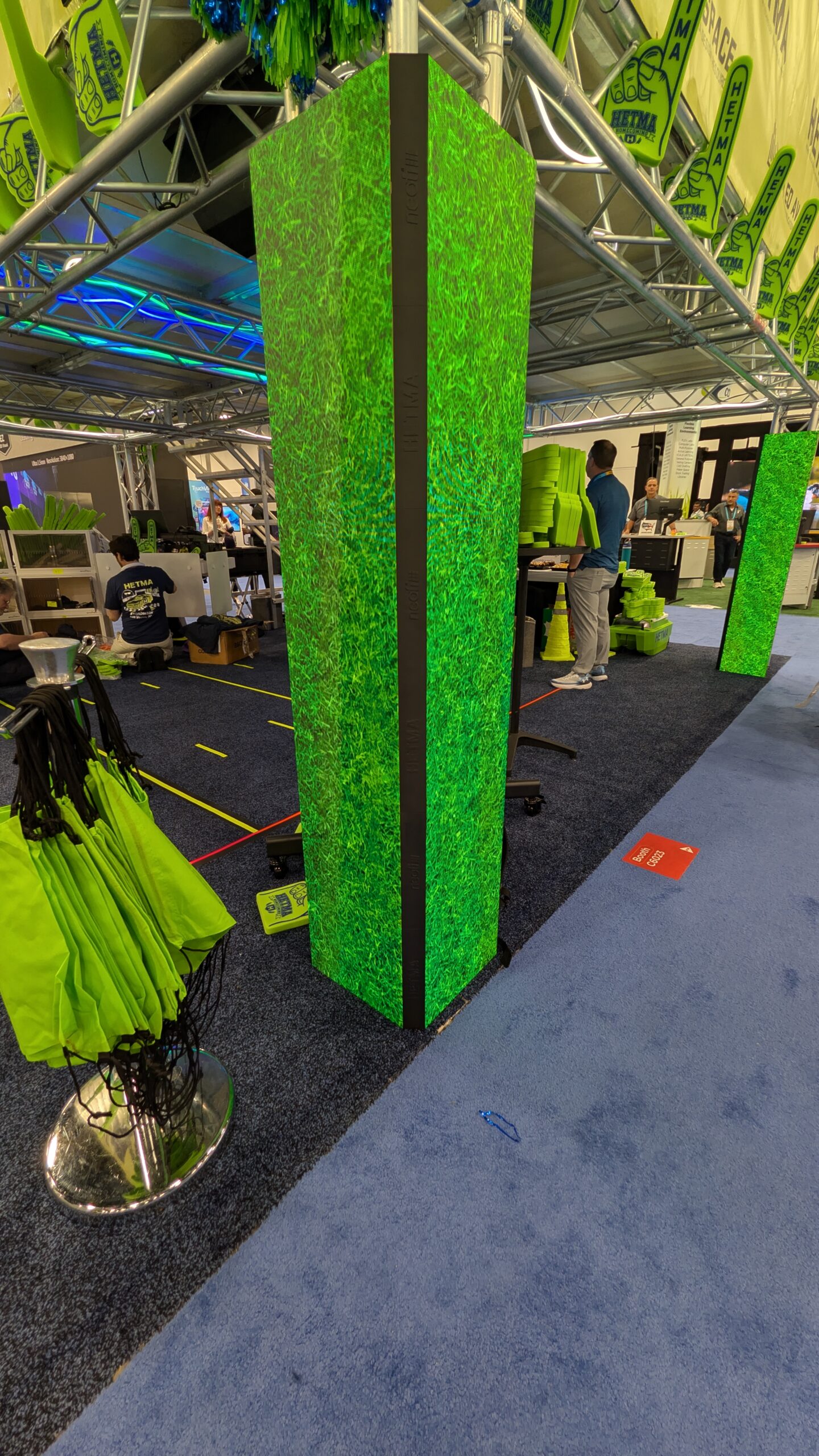
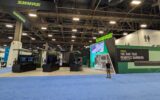
Neoti’s UHD Pro 0.8mm is featured in the G&D/VuWall booth at C8867, while UHD 2 is featured in both the HETMA booth and the G&D/VuWall booth. Neoti also has meeting room C6733-MR. The company is showing UHD Pro as a mission-critical, TAA-compliant display with automatic calibration, true-to-life color authenticity, deep black levels, and grayscale performance. UHD 2 brings impact-resistant COB technology into the conversation for higher ed and mission-critical environments that do not require TAA-compliant technology.
That product set matters, but the stronger higher-ed angle is how Neoti talks about the selection process.
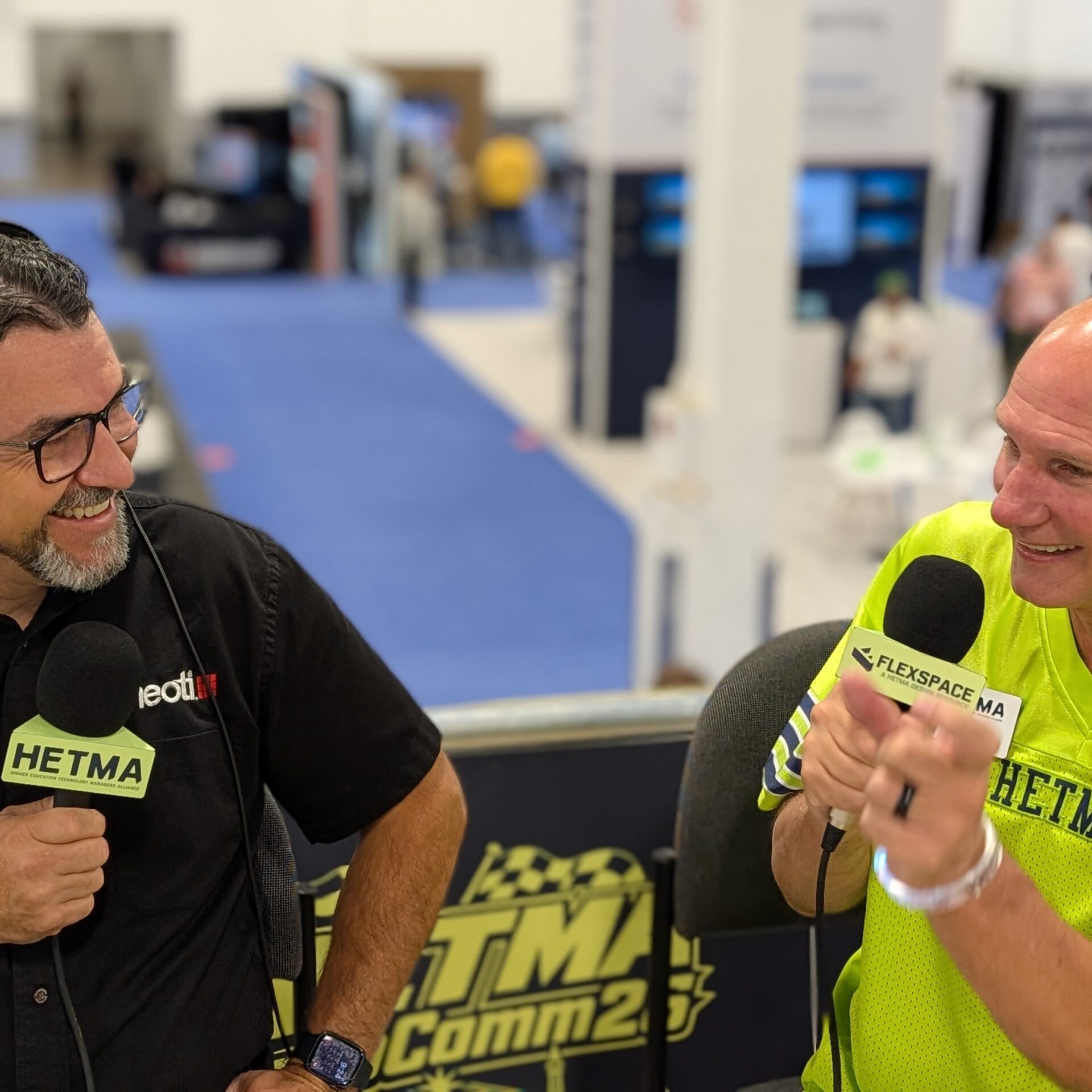
In the interview, Derek Myers described the pain point clearly: there are now too many LED choices for campuses to treat the category as one simple decision.
“there are thousands of options.”
That is the campus reality. Pixel pitch, refresh rate, scan rate, brightness, grayscale, color performance, serviceability, viewing distance, content type, camera behavior, mounting, warranty, and long-term support all matter. A display that works well in one space may be the wrong choice in another.
Featured at HETMA and G&D/VuWall
Neoti’s presence at InfoComm is showing up through partnership spaces, which fits the company’s message. The HETMA booth uses Neoti LED to help create the booth’s visual environment, including the digital signage and themed display experience. In the G&D/VuWall booth, Neoti’s UHD Pro 0.8mm is part of a mission-critical display conversation.
That spread makes sense. Higher ed does not use LED in only one way. A display might be a lobby focal point, a teaching surface, a simulation wall, a media backdrop, a boardroom system, a command center display, or a donor-facing experience. The same institution may need different LED designs for different purposes.
Derek described Neoti as a consultative manufacturer, and the reason is practical. Even within a similar product category, the display can be designed differently depending on what it needs to do.
The question he wants to start with is not what LED wall someone wants to buy. It is what the display needs to accomplish.
“what is it that the customer is trying to accomplish?”
That is the right first question for higher ed AV/IT teams. A classroom display, a lobby wall, a filmed backdrop, and a mission-critical visualization wall do not have the same requirements.
Content Should Drive the Display Conversation
One of the strongest parts of the interview was Derek’s focus on content. He talked about asking what the viewer should feel, experience, or learn through the display, then moving into practical questions about the content itself.
Will it be motion graphics? PowerPoint? Digital signage? Artwork? Medical imagery? Video? Something that will be photographed or filmed?
Those questions matter because LED problems often appear after the install, when the campus finally uses the display in the real situation it was meant for. Derek gave the example of a marketing team trying to take a photo in front of a new lobby display, only to discover scan lines, poor refresh behavior, or jagged image artifacts.
That is a very real higher-ed issue. A lobby wall may be used for admissions visits, advancement events, athletics coverage, social media content, presidential messaging, and emergency communications. If it looks good in person but fails on camera, the campus may have solved one problem and created another.
Derek described the value of early questions this way:
“all of those questions getting answered early will really help the customer avoid the pain points later”
That is the operational takeaway. LED is not just a display decision. It is a use-case decision.
True-to-Life Imagery Matters in Teaching
Neoti is also emphasizing true-to-life imagery, color authenticity, grayscale performance, and reduced viewing fatigue. Those details can sound like spec-sheet language until they are placed in a teaching environment.
Derek made that connection by talking about creator intent. A display should show what the creator intended the viewer to see. That matters in environments where color and detail carry instructional meaning: medical imagery, design work, art, media production, data visualization, architecture, simulation, and other visual disciplines.
He put it plainly:
“in a teaching institution, that’s incredibly important.”
That quote earns its place because it moves the conversation beyond brightness and size. In higher ed, image accuracy is not only about making the wall look premium. It can affect whether students are seeing the material correctly.
Neoti’s response materials also point to advanced low-brightness image processing, grayscale performance, reduced viewing fatigue, and long-term performance as part of the company’s display value. For campuses, those details matter in spaces where people are looking at the display for extended periods or where subtle image differences affect the learning experience.
Automatic Calibration and the Service Problem
The most campus-relevant feature may be Neoti’s automatic calibration technology. The UHD Pro display is described as having automatic calibration where replacement modules calibrate to surrounding modules, reducing the need for manual color and brightness adjustment.
That is a direct support issue. LED walls are modular systems. Modules get replaced. Over time, differences in brightness or color can become visible. Manual calibration takes time and expertise, and many campus teams are already stretched.
Derek tied the feature to the way higher ed teams work.
“everyone’s wearing multiple hats”
That is the part that matters. A university may not have a dedicated LED specialist sitting around waiting for a module swap. The same team may be supporting classrooms, event spaces, digital signage, conference rooms, lecture capture, and emergency calls.
If a replacement module can automatically white-balance and match surrounding modules, the support model becomes less fragile. It does not remove the need for good installation, commissioning, and support. It does reduce one of the common pain points that can turn a simple service event into a more specialized task.
For higher ed AV/IT teams, that is the question to bring to Neoti: what happens after the first install, when the wall has to be maintained by the people who support the rest of campus?
Partnership After Day One
The other thread running through the Neoti conversation is support after installation. Neoti’s response materials emphasize long-term service, support, warranty coverage, and partnership from concept and design through installation and ongoing support.
Derek said it more directly in the interview.
“When a customer has a problem, it’s our problem.”
That is the kind of quote that matters for higher ed because day-one performance is not enough. Campus AV teams need partners who understand that a display has to keep working through events, classes, tours, leadership visits, student use, and future refresh cycles. The support relationship affects the real cost of the display over time.
For a large LED deployment, that can be the difference between a campus feeling confident about the investment or feeling stuck with a showpiece that is hard to maintain.
The Higher Ed Takeaway
Neoti at InfoComm 2026 is a useful stop for campus teams thinking about LED beyond the first impression. UHD Pro 0.8mm is featured in the G&D/VuWall booth at C8867, and UHD 2 is featured in both the HETMA booth and G&D/VuWall booth. Neoti also has meeting room C6733-MR. The company is showing TAA-compliant UHD Pro, automatic calibration, true-to-life color, grayscale performance, deep black levels, reduced viewing fatigue, and UHD 2 with impact-resistant COB technology.
The higher-ed value is in asking better questions early: what content will be shown, who will view it, whether it will be filmed, how color accuracy matters, how modules will be serviced, and what support looks like after installation.
LED is becoming a more normal campus tool. Neoti’s message is that normal does not mean generic. The wall still has to fit the space, the content, the support model, and the long-term expectations of the institution.
Make sure to check out Neoti’s products in the HETMA booth and G&D/VuWall Booth C8867 at InfoComm 2026, or visit Neoti.com to learn more.