




Diversified at InfoComm 2026: The Work Behind the Relationship
Some InfoComm conversations are not about a single product or a single room. They are about what it takes to get complicated work done when the stakes are high, the timeline is tight, and the campus team needs a partner who will pick up the phone.
That was the center of the Diversified conversation.
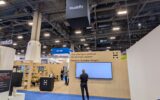
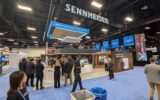
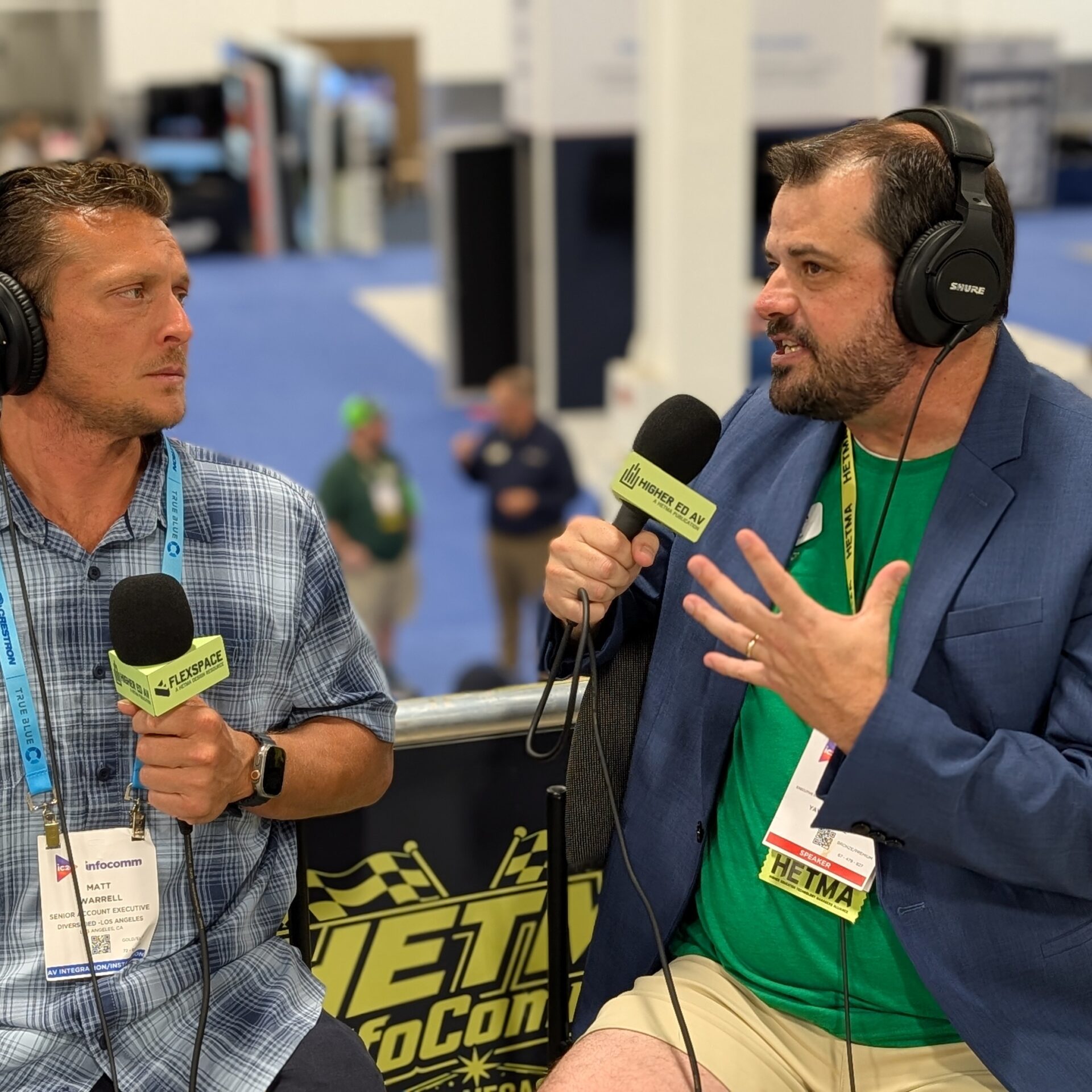
In the interview, Matt Warrell from Diversified, who supports higher ed work across the U.S., talked about The Pitch, Diversified’s higher-ed relationships, and the kind of project execution that depends on more than a clean proposal. At InfoComm 2026, Diversified powered The Pitch in North Hall Booth N8063, a sports-inspired activation showing how integrated AV ecosystems support live production, audience engagement, fan experience, collaboration, broadcast control, and real-time decision-making.
For higher ed, the value of that kind of showcase is not only about sports venues. It is about the way campus technology spaces are becoming more connected. Athletics, media production, collaboration spaces, live events, donor experiences, boardrooms, classrooms, and digital engagement are no longer completely separate conversations.
The integrator role sits in the middle of that.
The Pitch as a Connected Environment
The Pitch gave Diversified a way to show a broader ecosystem rather than a single room type. Inspired by the World Cup, the activation brought together broadcast, workplace, experiential, and live event technologies inside one connected environment.
That matters for campuses because higher ed AV teams are getting pulled into more spaces that behave like venues. Athletics may need production and replay. Advancement may need premium event experiences. Student affairs may need live programming. Academic units may need content capture and distribution. Leadership may need decision rooms with data, video, and collaboration all working together.
The same campus may have a classroom standard, a broadcast workflow, a boardroom expectation, an athletics need, and a digital signage strategy all moving at once. Those systems do not always live in the same department, but someone eventually has to make them work together.
Diversified’s InfoComm presence leaned into that convergence.
People Buy From People
The strongest part of the interview was not a technology claim. It was Matt’s description of how he thinks about the work.
“I don’t want any of my clients to ever say I work with Diversified. I want them to say, I work with Matt at Diversified.”
That is the kind of quote that matters because it names something higher ed AV/IT teams already know. The company name matters. The contract matters. The capability matters. But when the project gets difficult, the relationship is often what determines whether the work keeps moving.
Matt tied that directly to trade shows. InfoComm is a place to see technology, but it is also where people run into each other, build trust, and start relationships that may later become projects. Sometimes that happens in a booth. Sometimes it happens after the sessions. Sometimes it happens in an elevator.
That is not a soft point. It is operational. Campus projects often depend on whether the people involved know each other well enough to be direct, honest, and responsive when things are not simple.
Higher Ed Is About Students
Matt also made the higher-ed connection in a way that moved beyond facilities and equipment.
“I enjoy higher education because it’s all about supporting not just the university, but supporting the students.”
That is the right frame for this audience. A project may look like displays, routing, cloud platforms, room controls, lecture capture, microphones, cameras, furniture, scheduling, or data. But the downstream reality is students using those spaces, faculty teaching in them, and staff supporting them.
Matt talked about designing higher-ed spaces while thinking about engagement. That is a useful lens because the modern campus room cannot be evaluated only by whether the system powers on. It has to hold attention, support interaction, capture what matters, and give the institution usable data about how the space is working.
For higher ed AV/IT teams, that is where integrator partnerships become more than installation support. A good partner should understand that the room is not finished when the hardware is mounted. The room still has to serve students, faculty, staff, and the people who support it after turnover.
UCLA, PlaceOS, and the Project Execution Story
Matt pointed to Diversified’s UCLA work as one of the projects he was proud to talk about at InfoComm. He described a rapid implementation involving ten rooms and more than six hundred pieces of equipment completed in five weeks, with PlaceOS as part of the data and platform layer.
The technical scope is impressive, but the better higher-ed takeaway is how he described the relationship.
“I don’t look at UCLA as a client, I look at them as a partner.”
That distinction matters. A campus can send out an RFP and receive a response. That is part of the process. But projects with tight timelines, complex expectations, new workflows, and multiple stakeholders usually need more than a transaction. They need shared ownership.
Matt talked about late calls, ongoing coordination, and the kind of partnership required to get the work done. That will sound familiar to any campus team that has lived through a summer classroom push, a fast-track building opening, or a high-visibility room that had to work before a fixed date.
The quote that gets closest to the point was this:
“Can you get it done as a team rather than, hey, you’re sending me an RFP?”
That is a practical question for higher ed. Procurement is necessary. Scope is necessary. Documentation is necessary. But execution depends on people who can move together when the real project starts behaving like a real project.
The Data Layer Behind the Room
One of the more interesting parts of the UCLA example was Matt’s point about data. The project was not only about creating engaging rooms. It was also about giving the institution something tangible to understand how the spaces were being used.
That is where higher ed AV is increasingly headed. The room experience matters, but so does the information behind it. Are spaces being used? Are recordings available? Are students able to revisit content? Are rooms supporting the teaching model they were designed for? Are support teams able to see what is happening across the environment?
That is the shift from traditional AV toward a broader campus technology strategy. The systems in the room are still critical, but they are also part of a larger operational picture.
For campus AV/IT teams, that means the integrator conversation should include the room, the platform, the support model, the data, and the way all of it fits into the institution’s long-term direction.
The Higher Ed Takeaway
Diversified at InfoComm 2026 is a different kind of story than a manufacturer booth. The Pitch at Booth N8063 showed how connected AV, broadcast, collaboration, live event, and experiential systems can come together in one environment. The interview added the piece that matters most for higher ed: those environments are built through relationships, trust, execution, and partners who understand what campuses are trying to support.
For higher ed AV/IT teams, the value is not just whether Diversified can build a room. It is whether the team can help connect campus goals, technical systems, project timelines, stakeholder needs, and the student experience into something that works after opening day.
Make sure to check out Diversified’s work from The Pitch at InfoComm 2026, reach out to Matt at mwarrell@onediversified.com or visit onediversified.com to learn more.