




AVI-SPL at InfoComm 2026: The Room Is Only One Part of the Work
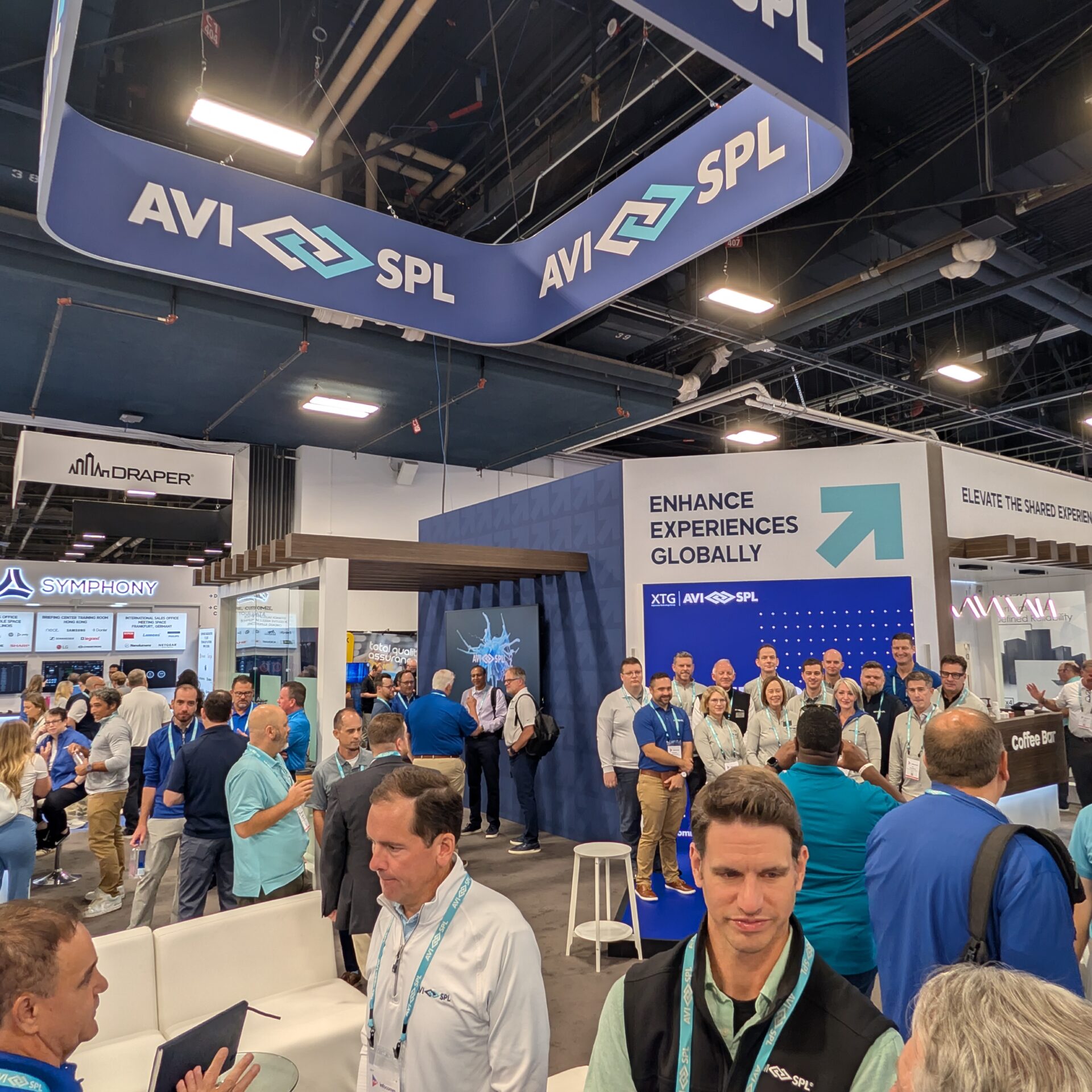
Some InfoComm booths are built around a new product. AVI-SPL’s booth is built around a different kind of conversation: what happens before the room is designed, after it is installed, while it is being supported, and when the campus has to decide what comes next.
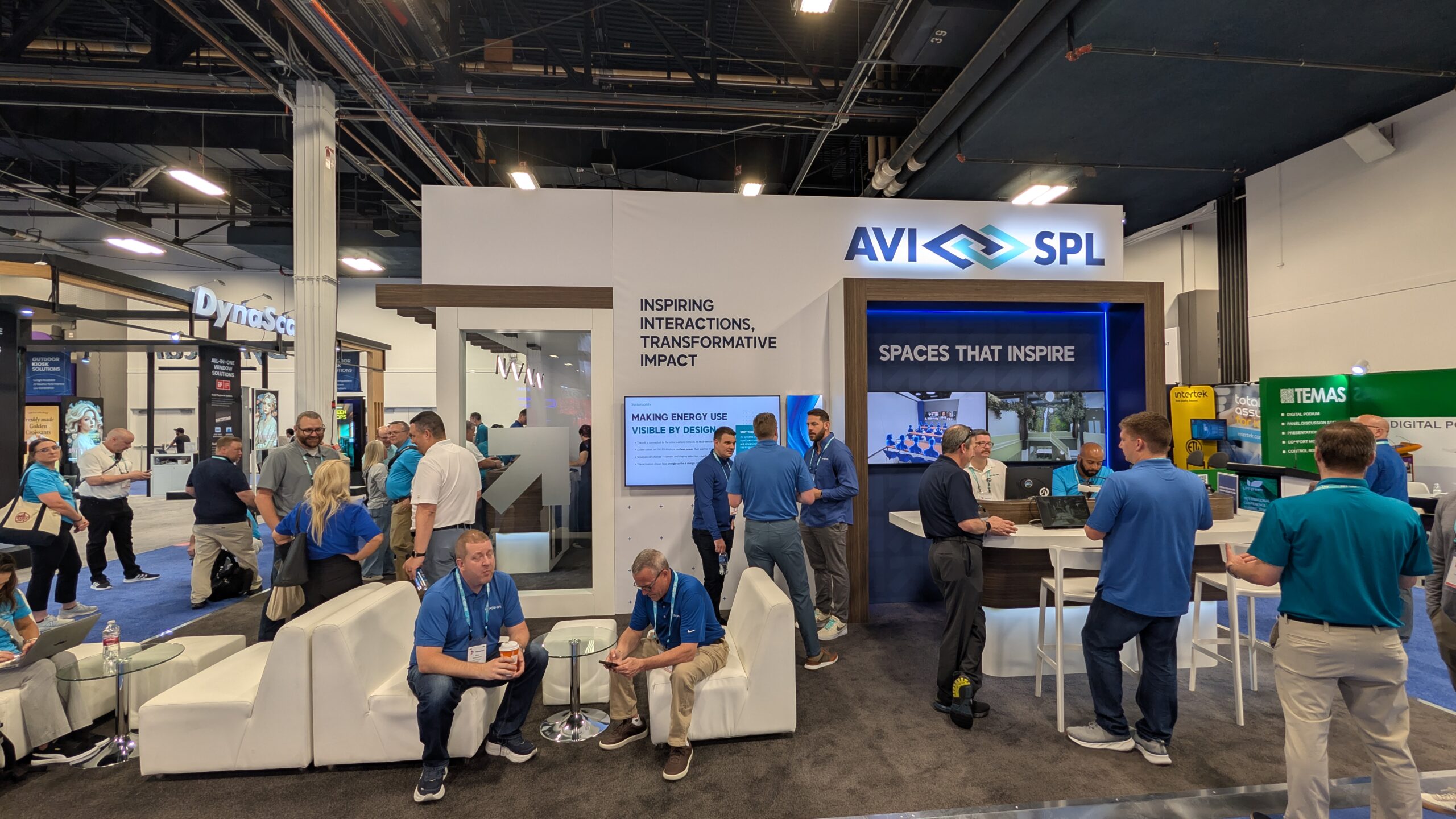
That makes sense for an integrator. AVI-SPL is not showing one device that solves one problem. At Booth C5601, the company is showing Symphony, XTG, the Immersive Zone, real-time design, sustainability work, and global services. The pieces are different, but the higher-ed thread is consistent: campuses need better ways to design, support, measure, and improve spaces without adding unnecessary operational load.
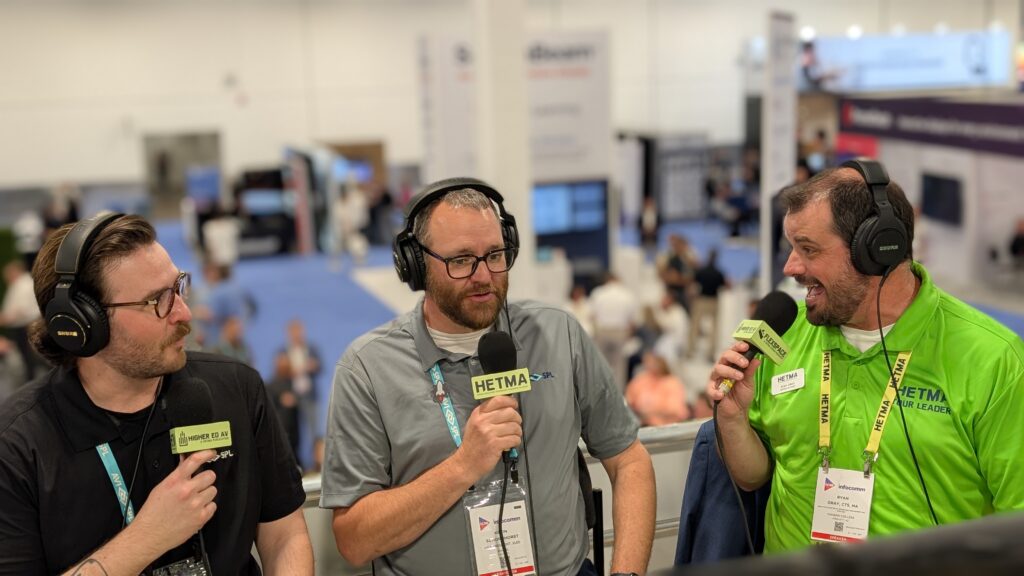
In the interview, Kevin Schornhorst put the baseline plainly.
“we are a traditional audio visual integration company”
That is the starting point, not the whole story. Displays, projectors, direct view LED, room systems, and integration work are still part of the business. But the conversation at InfoComm was less about selling hardware and more about what AVI-SPL can help institutions see, plan, and support across the full lifecycle of their technology environments.
Booth C5601
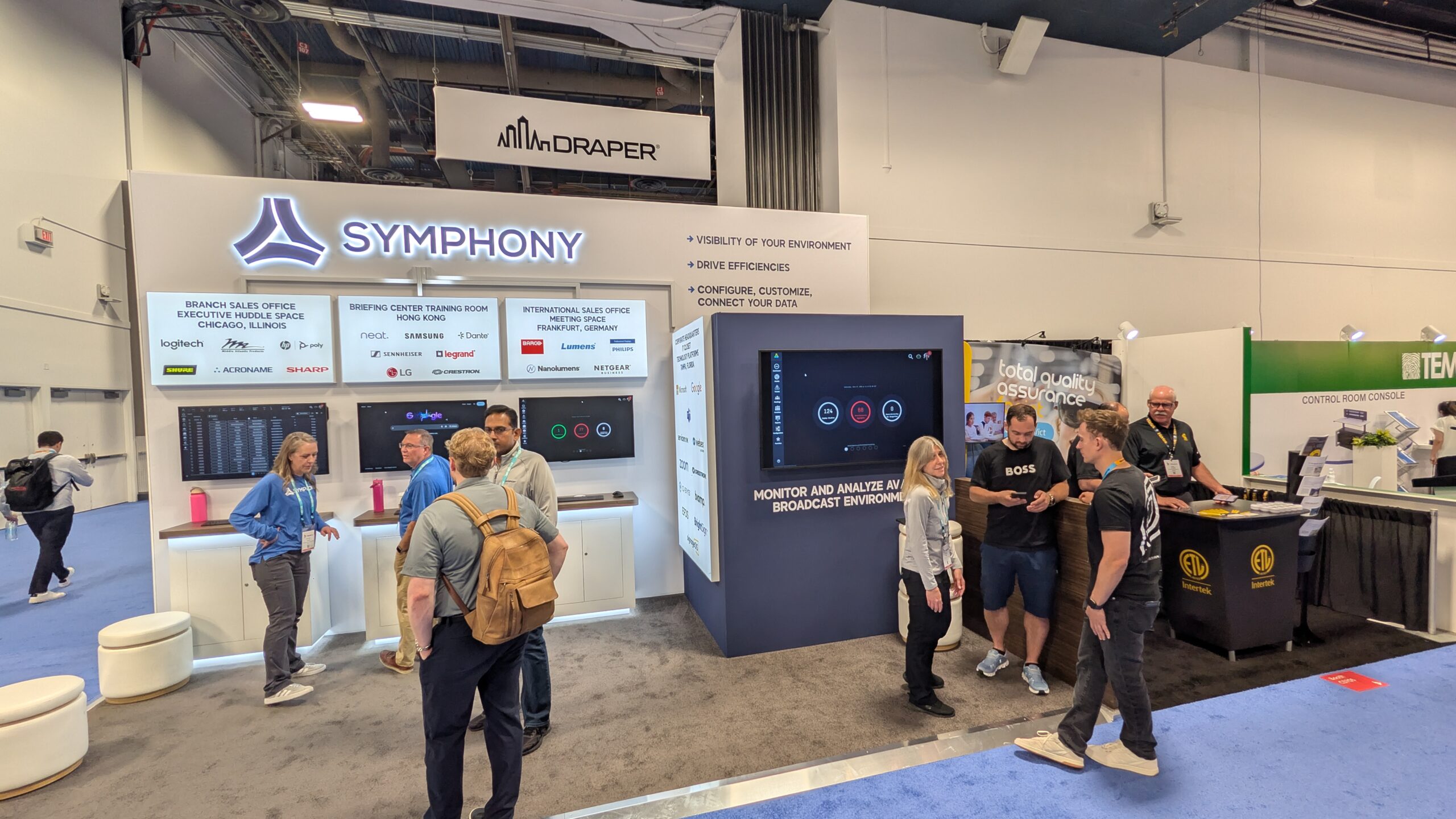
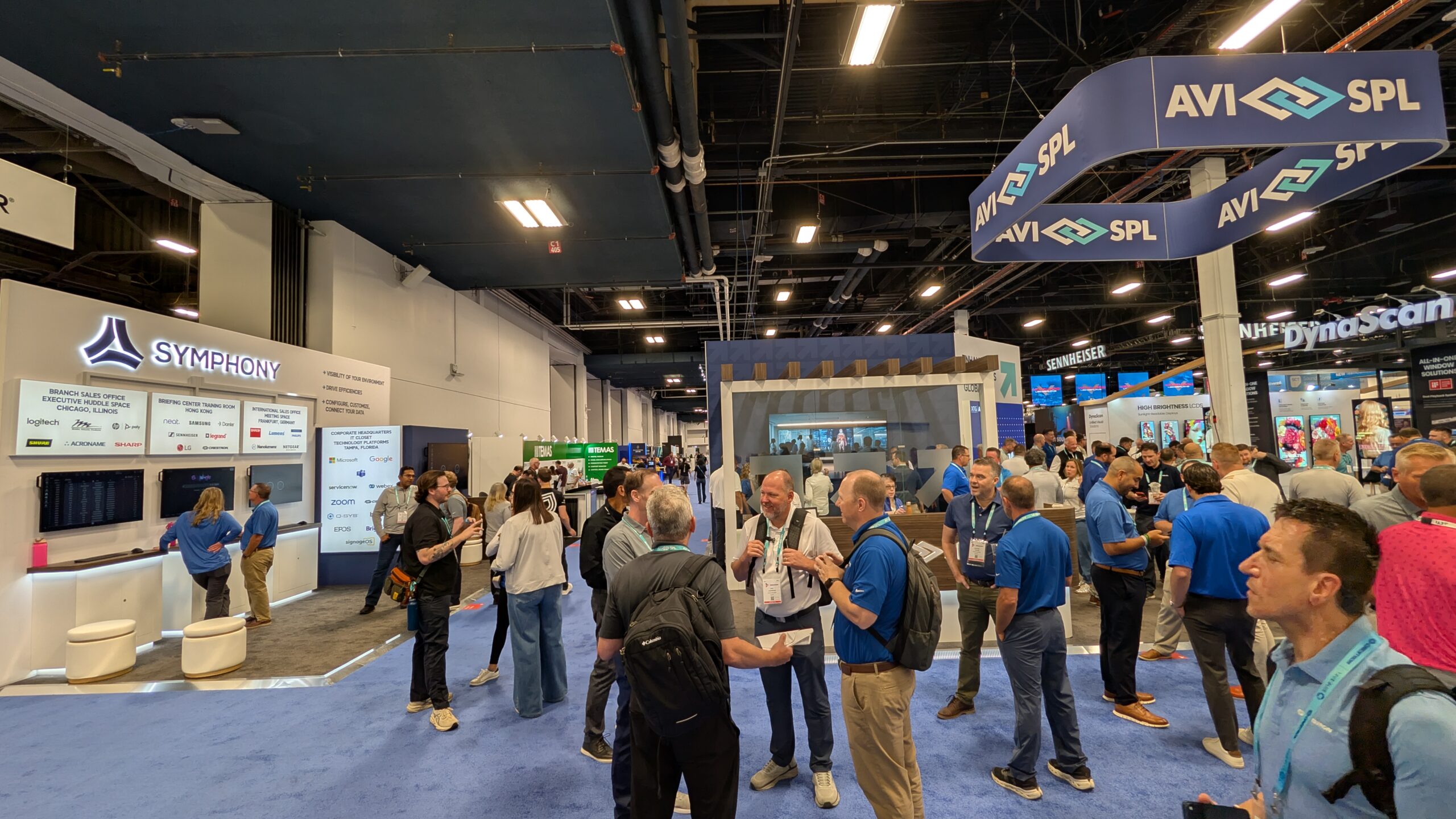
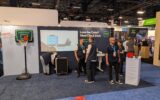
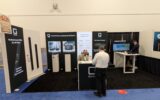
AVI-SPL is exhibiting at Booth C5601, with several areas that speak to different parts of the campus technology lifecycle. Symphony is there as a management and optimization platform. XTG and the Immersive Zone are there to show experiential environments. Real-time design gives visitors a way to see spaces before deployment. Sustainability work is part of the booth conversation, including practical demonstrations around power consumption. Global services ties the booth back to support, management, and the ongoing work after installation.
That is a lot to put under one roof, but it fits the way higher ed AV/IT teams experience the work. A classroom refresh is not just a purchase. It touches standards, contracts, design reviews, support staffing, training, monitoring, budget cycles, sustainability goals, and sometimes institutional priorities like enrollment, student experience, or space utilization.
Jimmie Singleton described the booth focus this way.
“This is what makes us different”
For higher ed, that difference has to show up in practical ways. Does the partner understand campus procurement? Does the design fit the support team? Can the system be monitored after turnover? Can the institution see what is actually being used? Can sustainability goals be connected to technology decisions? Can the integrator bring ideas from other campuses without pretending every campus is the same?
Those are the questions AVI-SPL is trying to answer at InfoComm.
Symphony and Knowing What Is Actually Happening
AVI-SPL Symphony is one of the most relevant booth conversations for campus teams managing large numbers of rooms. Kevin described it as a single pane of glass for IP-enabled and network-connected devices, with visibility into usage and performance.
The classroom example he used was familiar: how often is that DVD player being used? Does every future classroom need a document camera? Which devices are actually part of teaching, and which ones are being included because they have always been included?
That information matters because room standards often outlive the reasons they were created. A device can remain in the standard because no one has clear utilization data. A capability can be removed too quickly because one team assumes it is no longer needed. A campus can spend money maintaining equipment that is rarely touched, while other needs go unfunded.
Symphony’s value is not just monitoring. It is decision support. For higher ed AV/IT teams, data can help move conversations from opinion to evidence. It can help with refresh planning, support triage, standardization, and budget justification.
Kevin put the staffing reality behind that need bluntly.
“You’re never going to get more employees.”
That line will sound familiar to many campus teams. The room count keeps growing. The systems get more connected. The expectations go up. Staffing often does not keep pace. If the team cannot grow at the same rate as the demand, the work has to become more visible and more manageable.
Kevin followed that with the real operating principle.
“you have to be smarter in how you’re doing work.”
That is where Symphony fits the higher-ed conversation. It is not about dashboards for the sake of dashboards. It is about helping teams understand where to spend time, where to standardize, where to simplify, and where to make the next investment.
Sustainability That Connects to Campus Decisions
AVI-SPL is also using InfoComm to talk about sustainability in a more operational way. The booth includes sustainability initiatives and a demonstration around DVLED power consumption, including how power use changes based on what is being shown.
That is a useful show-floor example because sustainability conversations can get vague quickly. Campus AV teams need details that connect to real design choices: display type, power behavior, lifecycle planning, refresh timing, reuse, standards, serviceability, and operating costs.
Jimmie tied the sustainability conversation back to money and campus goals. That is the practical overlap. Sustainability work in higher ed often has to satisfy multiple audiences: facilities, IT, procurement, sustainability offices, finance, academic departments, and leadership. An AV decision may need to support teaching and learning, but it may also need to fit energy goals and long-term operating plans.
For campuses evaluating larger display deployments, immersive spaces, new collaboration rooms, or refreshed classroom standards, that conversation matters. The right question is not only what looks best on day one. It is what the room costs to operate, how it will age, how it will be supported, and whether the technology strategy helps or hurts institutional sustainability goals.
Real-Time Design Before the Purchase Order
The real-time design experience is another part of the AVI-SPL booth that fits higher ed well. Jimmie described it as virtual design work that lets people see a space before they cut a purchase order.
That matters because many campus projects require translation. A stakeholder may not understand a line drawing. A faculty group may not be able to visualize sightlines, display placement, furniture interaction, or what a collaborative space will feel like. A leadership team may need to see the concept before approving funding. An AV team may need to test whether a proposed design actually fits how the room will be used.
Real-time visualization can help make those conversations less abstract. It gives people something to react to earlier, before the project is too far along and changes become expensive.
For higher ed, that can be especially useful in spaces with many stakeholders: active learning classrooms, simulation environments, hybrid teaching spaces, immersive rooms, student collaboration areas, and large lecture halls. These are the spaces where design assumptions can create long-term support problems if they are not caught early.
XTG and the Question Behind Immersive Spaces
AVI-SPL’s XTG group and Immersive Zone bring a different energy to the booth. These are the kinds of experiences that can prompt the familiar campus response: that looks impressive, but can my institution afford it?
Jimmie addressed that exact reaction in the interview.
“my school can’t afford that”
His point was not to dismiss the concern. It was to use it as the beginning of a better conversation. Why would the space matter? What institutional goal would it serve? Is it about recruitment? Enrollment? Research? Community engagement? Student experience? Donor visibility? Program differentiation? Workforce training?
That is the right way to approach immersive and experiential environments in higher ed. They should not be justified only because the technology is exciting. They have to connect to an institutional purpose, and they have to be designed with support, staffing, content, scheduling, and long-term value in mind.
AVI-SPL’s booth gives campus teams a chance to see immersive work, but the more important conversation is what kind of institutional outcome would make that work worth pursuing.
The Integrator as a Conduit
One of the strongest points in the interview came when Kevin and Jimmie talked about AVI-SPL’s reach. The idea was not that every campus should be first to try something. In fact, Jimmie made the opposite point: being first can be hard.
The value of a broad integration partner is that someone, somewhere, may already have tried a version of the thing your campus is considering.
“someone’s done it somewhere”
That is a useful sentence for higher ed AV/IT teams. Campuses are often asked to solve new problems with limited time and limited staff. Having access to examples, case studies, peer projects, and people who have already worked through a similar challenge can reduce risk.
That does not replace local expertise. Campus teams still know their users, standards, buildings, politics, and support realities better than anyone else. But a partner who can bring relevant examples from other institutions can help widen the conversation without forcing the campus to start from zero.
Kevin and Jimmie also talked about educating internal teams so AVI-SPL staff can have better higher-ed conversations, not just sell whatever is current. That matters because campus projects are not generic AV projects with a university logo attached. The room has to fit teaching, support, procurement, academic schedules, and the lived rhythm of the institution.
The Higher Ed Takeaway
AVI-SPL at InfoComm 2026 is not a one-product stop. It is a lifecycle conversation. At Booth C5601, the company is showing Symphony, XTG, the Immersive Zone, real-time design, sustainability initiatives, and global services. For campus AV/IT teams, those areas connect to the questions that keep showing up across higher ed: how to design better rooms, support more systems, measure usage, reduce waste, plan refreshes, and make stronger cases for the resources the work actually requires.
The key question is not whether AVI-SPL can install the room. The more useful question is what happens around the room: how it is planned, how it is justified, how it is managed, how it is optimized, and how the campus learns from it over time.
For institutions trying to move beyond reactive support and isolated projects, AVI-SPL’s booth is worth a stop. The conversation is less about a single technology and more about how to make campus technology decisions with better visibility, better planning, and fewer surprises after deployment.
Make sure to check out AVI-SPL at Booth C5601 at InfoComm 2026, or visit www.avispl.com to learn more.