

The information shared in this article is based on observations, conversations, and sessions attended during the MCUAV 2026 Annual Conference. While care has been taken to accurately reflect the presentations and discussions, some details may have been misinterpreted, misheard, or noted incorrectly. Readers who notice any inaccuracies are encouraged to reach out to the author so updates can be made as appropriate. Thank you to all participating organizations, institutions, presenters, and attendees for their openness, insights, and willingness to share knowledge throughout the event.
Midwest Colleges and Universities AV (MCUAV) is a regional organization supporting higher education AV professionals across the Midwest. While the organization is regional by design, its reach extends well beyond that footprint, with members spanning multiple countries and a membership of more than 200 professionals. MCUAV hosts monthly virtual meetings and maintains shared resources, but the annual conference remains the centerpiece of the organization’s work.
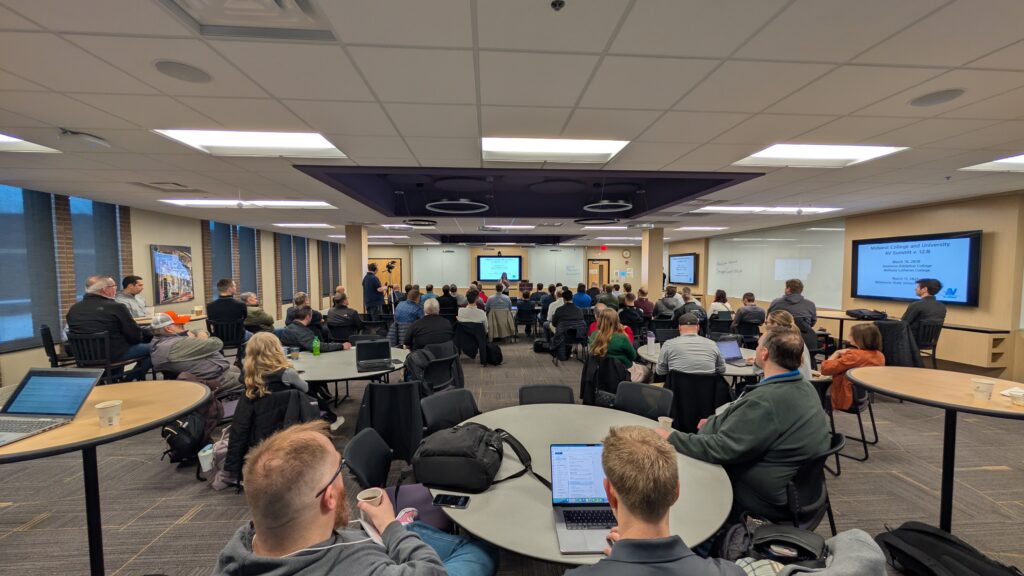
While part one of this series focused on campus tours and after-hours events, this second article centers on the educational component of the 2026 conference, including the keynote, campus updates, and breakout sessions that drove learning, reflection, and professional growth.
Education
A major benefit of the MCUAV conference is the educational sessions and keynote. This is not to diminish the learning that happens in other moments throughout the event. From campus tours to spontaneous conversations with peers, manufacturers, and integrators, education is happening continuously.
I found myself feeling deeply grateful for the extended conversations I had, particularly with colleagues from Iowa State University, along with countless others throughout the conference. Those informal exchanges reinforced just how much learning happens outside of scheduled sessions and how valuable those connections can be.
Keynote – Meghan Marrer Andrew, Product Marketing Manager, Color Kinetics: “If I Can Do It at Home…”
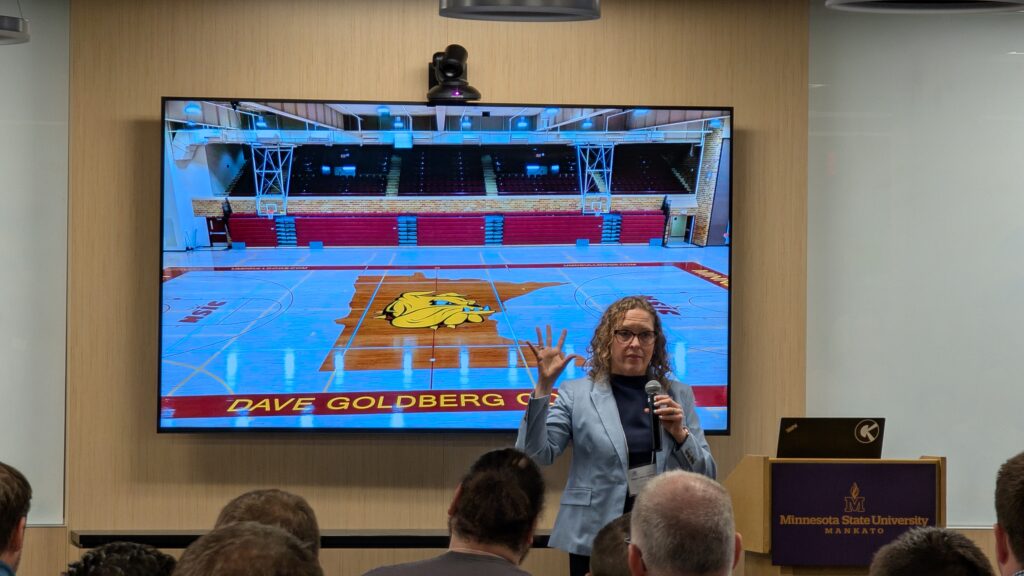
While the keynote focused primarily on lighting, the underlying message resonated across many aspects of higher ed AV work. With the rapid advancement of consumer technology, nearly anyone can purchase smart lights, displays, speakers, and other devices that offer impressive features at relatively low cost. This reality often leads to questions about why similar functionality is not available in college spaces at comparable prices.
Most AV professionals have encountered some version of the question about why professional-grade systems cost more than consumer alternatives. The keynote acknowledged this tension and framed it in a way that felt familiar and validating to many in the room.
Andrew shared several compelling statistics related to lighting, including a study suggesting that improvements in lighting alone accounted for a 16 percent increase in student test scores. She also emphasized that lighting should not be thought of solely as fixtures mounted to the ceiling. Natural light, how light reflects off different surface types, and the color and finish of furniture all play a role in shaping how a space feels and functions.
As a way to evaluate learning environments, Andrew offered several practical takeaways. Rather than treating lighting as a one-size-fits-all solution, she encouraged attendees to think in terms of zones. She showed examples of rooms with empty seating areas where lighting was intentionally reduced, while illumination was increased in occupied zones. Lighting should be an active and intentional decision that can truly impact the value received by people in the space.
Campus Updates
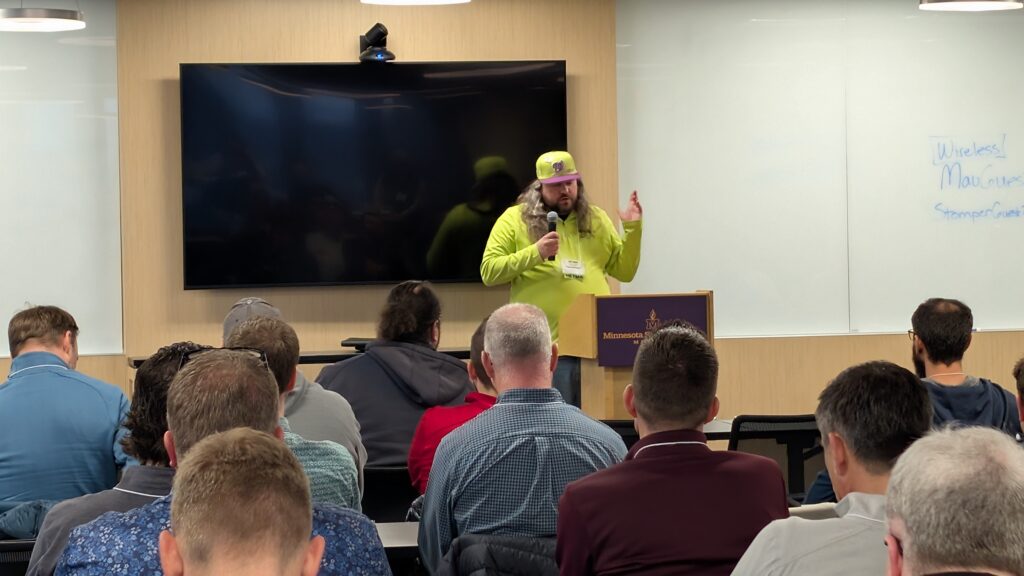
A valuable component following the keynote was the campus updates segment, where attendees were invited to share news from their own institutions. This open forum created space for participants to discuss recent wins, ongoing challenges, or projects in progress.
There was ample time for discussion, and it was empowering to hear about the work happening across campuses. Attendees shared photos of recently completed projects, talked through processes they were using, and openly discussed what was working and what was not. The format reinforced the value of transparency and peer learning.
Education Sessions
The conference included three time blocks for breakout sessions. Choosing which sessions to attend was genuinely difficult, as there was not a topic that felt irrelevant. To emphasize the breadth and relevance of the programming, the sessions included:
First Session
- Miranda Novak — Succession Planning and Staff Growth
- Doug McCartney — Things Take Time: South Foundation Hall
- Joseph Leija — Creating a Collaborative Blueprint for Successful Learning Space Planning
Second Session
- Mike Pedersen — AV Infrastructure Done Right: The Therkildsen Industrial Engineering Building Case Study
- Michael Hooper — Speech Reinforcement without Regret
- Rick Nimtz — Present at a Conference? I Would but I Can’t Talk in Front of People
Third Session
- Damon Whitcomb & John Workman — Networking and AV: How Do We Work Together?
- Darrin Kimsey — HDMI 2.2
- Chris Kelly & Troy Powers — Finding Your People
At the time of writing, many of the session materials were expected to be shared following the conference. I took notes on the sessions I attended, including the one led by Troy Powers and myself.
Joseph Leija — Creating a Collaborative Blueprint for Successful Learning Space Planning
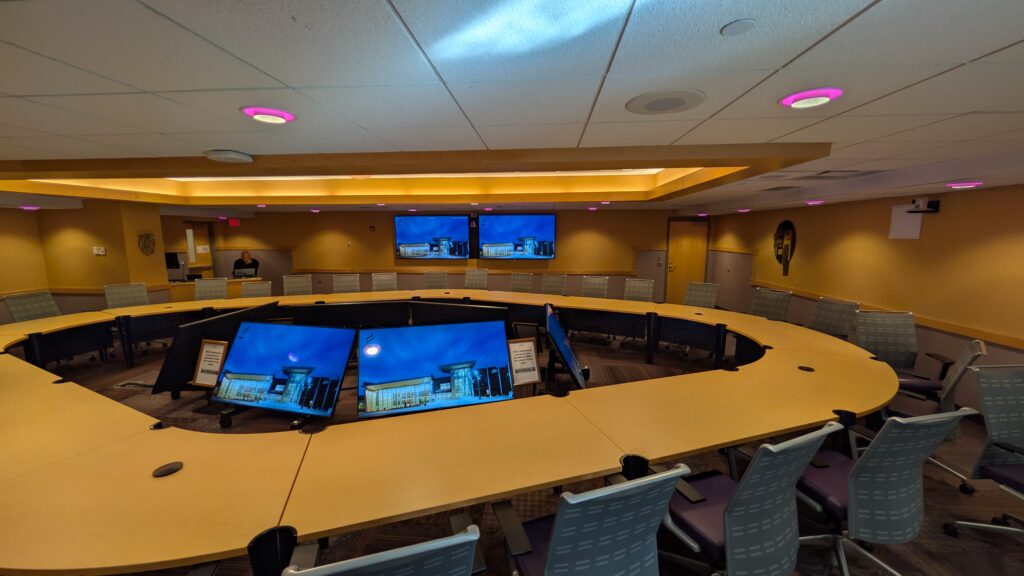
This session emphasized that effective learning space planning works best when it is structured, collaborative, and intentionally holistic. At Denison University, moving away from ad hoc decision-making toward a clearly chartered, cross-functional committee created consistency and shared ownership across IT, facilities, academic leadership, and faculty.
Expanding the scope beyond technology alone to include environmental factors such as lighting, furniture, and room aesthetics helped position classrooms as shared institutional assets rather than department-owned spaces. Establishing clear governance, defined roles, and regular meeting rhythms gave the process durability rather than relying on individual champions.
A major theme of the session was the importance of data, transparency, and engagement in building trust and prioritization. Regular faculty and student feedback, paired with a modified classroom audit framework, allowed the committee to prioritize upgrades based on impact rather than volume of requests. Simple engagement strategies, clear communication paths, and visible quick wins helped build credibility and momentum. The session reinforced that successful learning space planning is less about one-time projects and more about repeatable, sustainable processes.
Mike Pedersen — AV Infrastructure Done Right: The Therkildsen Industrial Engineering Building Case Study
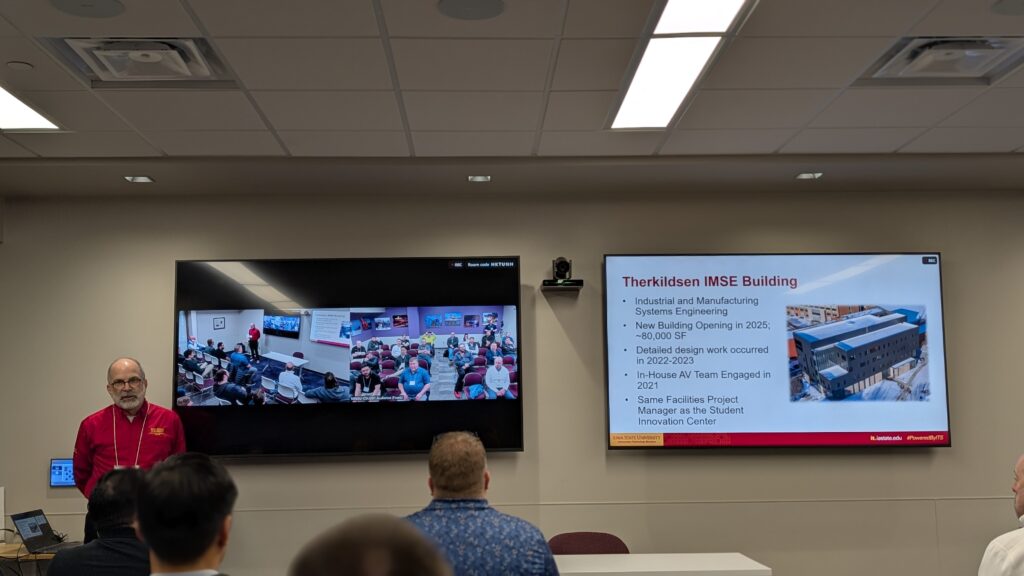
Pedersen framed his presentation around a contrast between two major building projects at Iowa State University. He began by describing how the loss of senior AV staff and a push to outsource in 2016 resulted in AV being excluded from early design conversations. Without AV representation, critical decisions were made without a full understanding of instructional needs, leading to delays, poor user experiences, and reactive fixes once construction was underway.
In contrast, the Therkildsen Industrial Engineering Building demonstrated how early and intentional AV involvement can dramatically improve outcomes. AV was engaged from the beginning, supported by clear standards, detailed room data sheets, and structured stakeholder conversations focused on use cases and success criteria.
Pedersen emphasized the importance of having a true project champion, maintaining strong relationships with facilities, and grounding the work in a well-defined RFP. Practices such as design charrettes, disciplined change management through the project manager, ongoing progress monitoring, and rigorous quality checks all contributed to predictability and accountability. The overarching takeaway was clear: successful AV projects are not accidental, but the result of early involvement, clear standards, and consistent follow-through.
Chris Kelly & Troy Dale Powers — Finding Your People
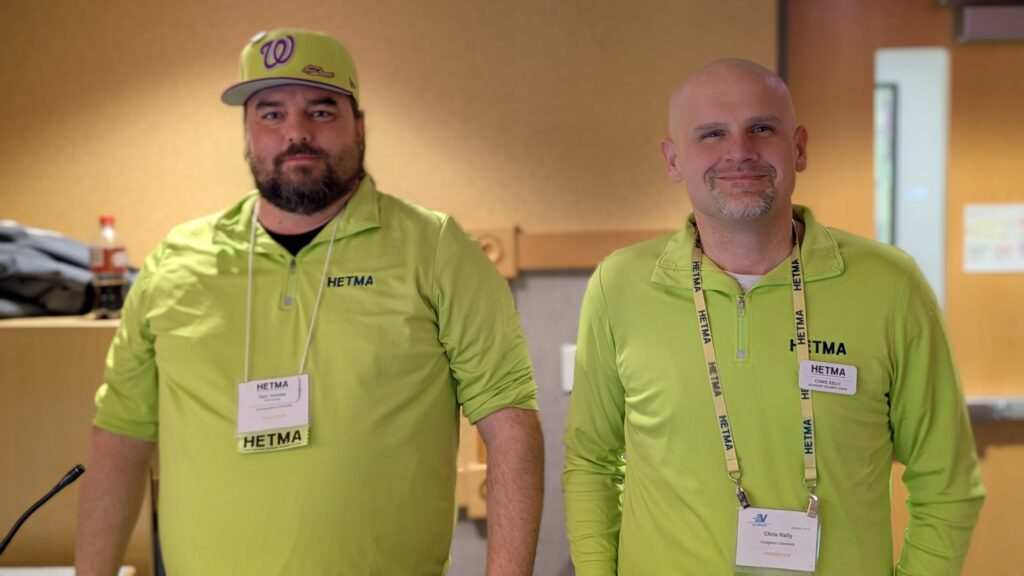
This session focused on the unique complexity of higher education AV and the challenge of finding professional communities that fully support the scope of the work. While many IT, AV, and educational technology organizations exist, there are relatively few that address governance, procurement, extended lifecycles, hybrid learning, and vendor dependence within higher education in a comprehensive way.
The presentation encouraged attendees to move beyond reliance on a single professional group and instead build layered support systems. Starting locally with campus peers and regional networks provides practical, day-to-day insight, while national organizations offer strategic and policy perspectives. Global groups amplify advocacy and standards, and training bodies validate skills through credentials and continuing education.
The session positioned HETMA as a connector across these layers, bridging community, strategy, advocacy, and professional development. The central message was that strong careers and resilient AV programs are built not through a single affiliation, but through intentional engagement across a diverse and interconnected professional ecosystem.
In Closing
The MCUAV Annual Conference stands out as a welcoming, thoughtful, and deeply educational experience for higher education AV professionals. Whether through structured sessions, candid campus updates, or informal conversations between peers, the conference created space for learning that felt both practical and personal. The openness of presenters, institutions, and attendees made it easy to ask questions, share challenges, and leave with ideas that can be carried back to campus.
For anyone considering getting more involved, I would strongly encourage joining MCUAV, participating in their monthly meetings, and attending a future conference. The community is approachable, generous with its knowledge, and genuinely invested in helping one another succeed. I am grateful for the experiences and conversations that came out of this year’s event and look forward to continuing those discussions. I hope to see and talk with you all at a future MCUAV meeting.