

Summer is supposed to be the quiet season in higher ed AV.
I am not sure who started that rumor.
For most of us, summer is when we finally get access to the rooms that have been occupied all year. It is when project lists that have been growing since September suddenly become real. Displays get replaced. Projectors get swapped. Firmware gets updated. Infrastructure gets touched. New systems get installed. Old problems that we have been working around all year finally get addressed.
And all of it comes with a deadline that does not move: students are coming back.
That makes summer projects a strange combination of opportunity and pressure. We have more access, but we also have a finite window to get everything done.
Then, somewhere in the middle of all of that, life happens.
Maybe you have a family vacation planned. Maybe you are traveling for an event. Maybe you just need a few days away because you have been running hard for months. Whatever it is, summer projects do not conveniently stop because you are out of the office.
I dealt with that myself this summer in a way that felt a little unusual for me. I rarely travel for personal reasons over the summer. Most years, I am pretty firmly planted in the middle of projects, trying to keep everything moving while rooms are being turned over and deadlines are stacking up.
This year was different.
I ended up traveling twice for personal reasons, and both trips lasted more than a week. That is not typical for me, and I will admit it forced me to think differently about how I was approaching everything happening at work and with HETMA.
There was plenty happening at Northwestern, plenty happening with HETMA, and I also had personal travel on the calendar. The temptation in that situation is to convince yourself that the only way everything keeps moving is if you stay connected to all of it.
That is usually a sign that something is wrong.
A good summer project cannot depend on one person constantly watching it.
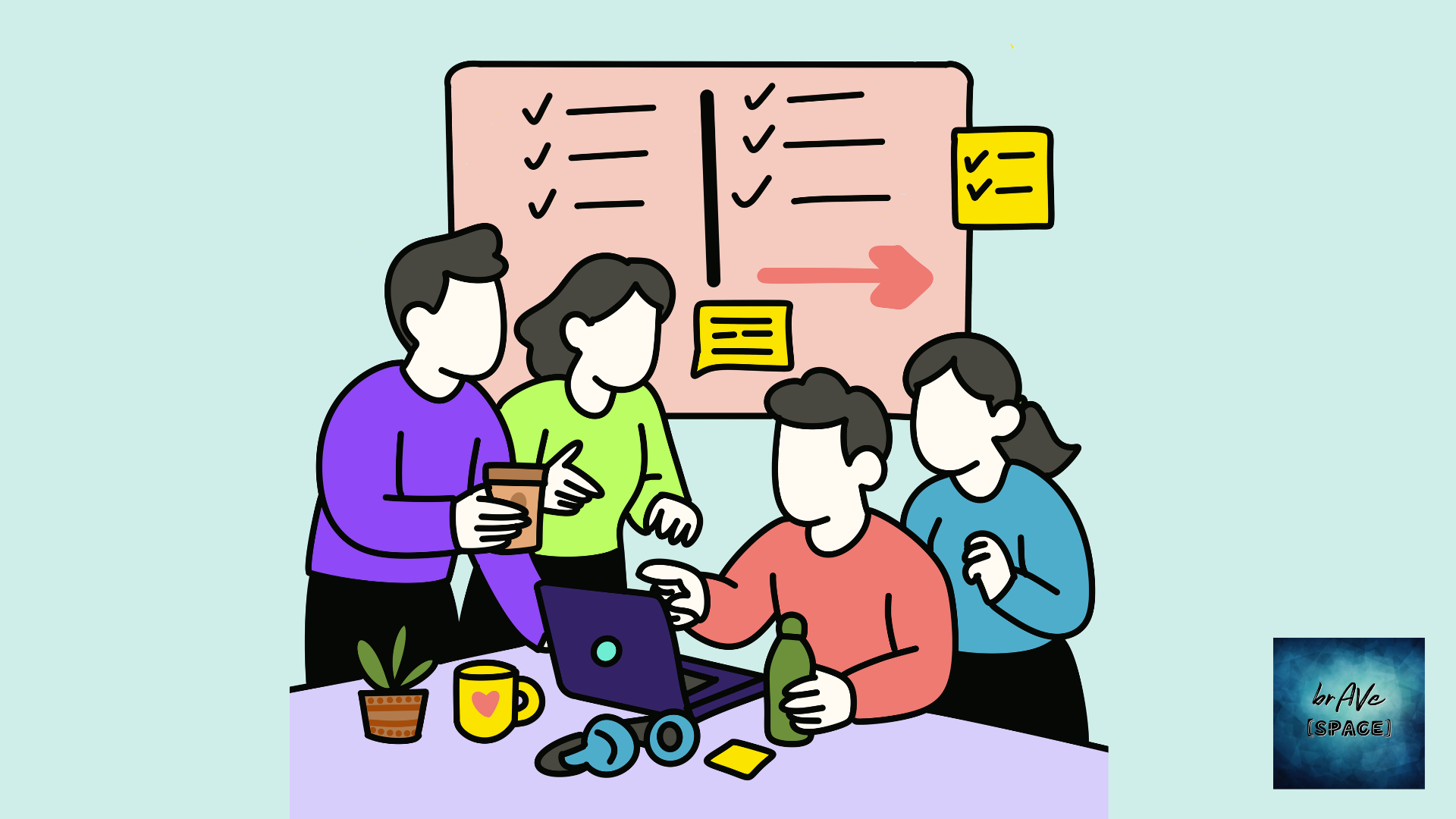
That means delegation matters. Not delegation in the sense of handing someone a task five minutes before you leave and hoping for the best, but actually giving people ownership. They need to understand what needs to happen, why it needs to happen, what decisions they can make themselves, and when something actually needs to be escalated.
That requires trust, but it also requires preparation.
The same thing is true of coordination. Summer projects tend to overlap. One person may be replacing equipment while someone else is working on programming, networking, documentation, testing, or commissioning. If all of that information exists primarily in someone’s head, things are going to fall apart the moment that person disappears for a week.
Track the work.
Write things down.
Know what has been completed, what is waiting on someone else, what the next step is, and who owns it.
None of that is particularly exciting, but it is what allows a team to continue operating when somebody is not there.
More importantly, have a plan before the work starts.
One of the easiest traps during the summer is constantly reacting. There are enough rooms, enough projects, and enough unexpected problems that you can spend every day solving whatever is immediately in front of you without realizing the overall project is drifting.
A plan gives you something to come back to.
It does not mean the plan will survive unchanged. It probably will not. Equipment will arrive late. Something will fail. A room will suddenly become unavailable. Somebody will discover a problem behind a rack that nobody knew existed.
The value of the plan is not that everything happens exactly as written. The value is that everyone knows where you are trying to go.
That becomes especially important if you are going to leave.
Before I travel, I want to know what should happen while I am gone, who is responsible for it, and what absolutely requires my involvement. Ideally, that last category should be very small.
The other side of this is learning how to actually be gone.
I am not particularly good at that.
I have always had a difficult time completely disconnecting from work. Even when I am technically on vacation, part of my brain wants to know what is happening back home. Did the projects move forward? Did somebody run into an issue? Is there something waiting for me?
HETMA makes that even harder.
There is almost always something happening. An event is being planned. Somebody has a question. A conversation is moving. A decision needs to be made. And because so much of the organization lives on the same phone that is in my pocket while I am on vacation, checking in takes almost no effort.
At least physically.
Mentally, it costs more than we sometimes realize.
There is a difference between being away from work and actually taking a break from it.
You can sit by a pool, walk through a national park, or be hundreds of miles from your office and still spend the entire day carrying the same mental load you had at your desk.
That is not recuperating.
And I am still working on that.
I do not think completely disconnecting necessarily means pretending your responsibilities no longer exist. There may be situations where somebody genuinely needs you. But there is a huge difference between being available for something important and constantly checking because you are uncomfortable not knowing what is happening.
The fact that I traveled twice this summer, each time for more than a week, made that tension even more obvious to me. It forced me to confront how much I rely on being close to the work and how much of that is habit rather than necessity.
The better prepared the team is before you leave, the easier that becomes.
Delegation creates space.
Coordination creates confidence.
Tracking creates visibility.
Planning creates direction.
And all of those things make it possible to put the phone down for a while.
There is another benefit, too. If everything continues functioning without you, that is not evidence that you are unnecessary. It is evidence that you built something that works.
That is what leadership should look like.
Summer projects will always have deadlines. There will always be another room to finish, another problem to solve, another HETMA conversation happening somewhere, and another email waiting when you get back.
The work will still be there.
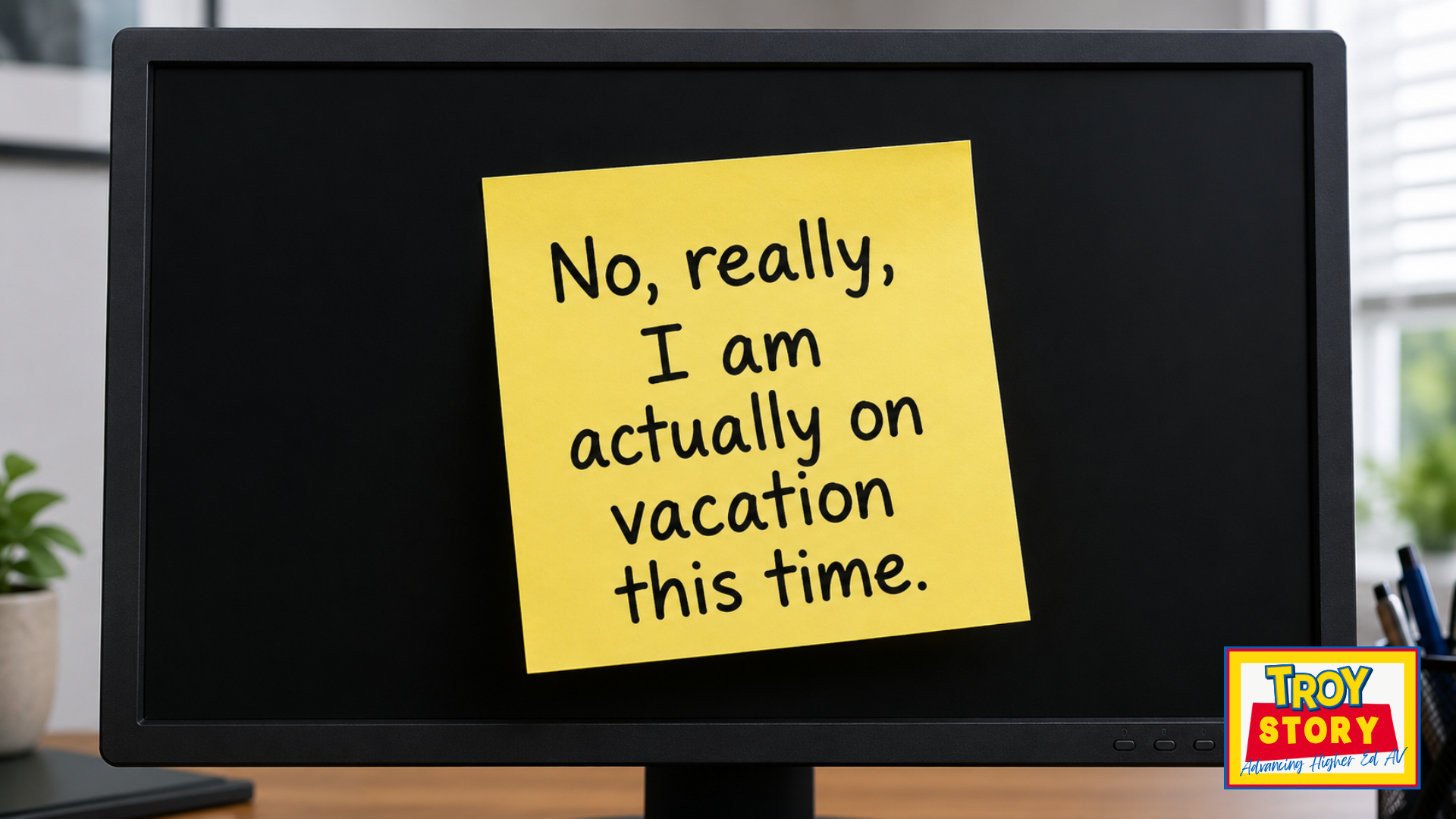
Sometimes the best thing you can do for yourself, your team, and ultimately the work itself is to make sure everyone has a plan, trust them to execute it, and actually go on vacation.