





Epiphan Video at InfoComm 2026: Lecture Capture Is Now a Platform Conversation
Some InfoComm conversations make it clear that the category has changed. Lecture capture used to be a question campuses were still sorting out. Which rooms should capture? Which events should stream? Which classes need to be available later? How much of this belongs to AV, IT, online learning, media services, or the academic departments?
That question has shifted.
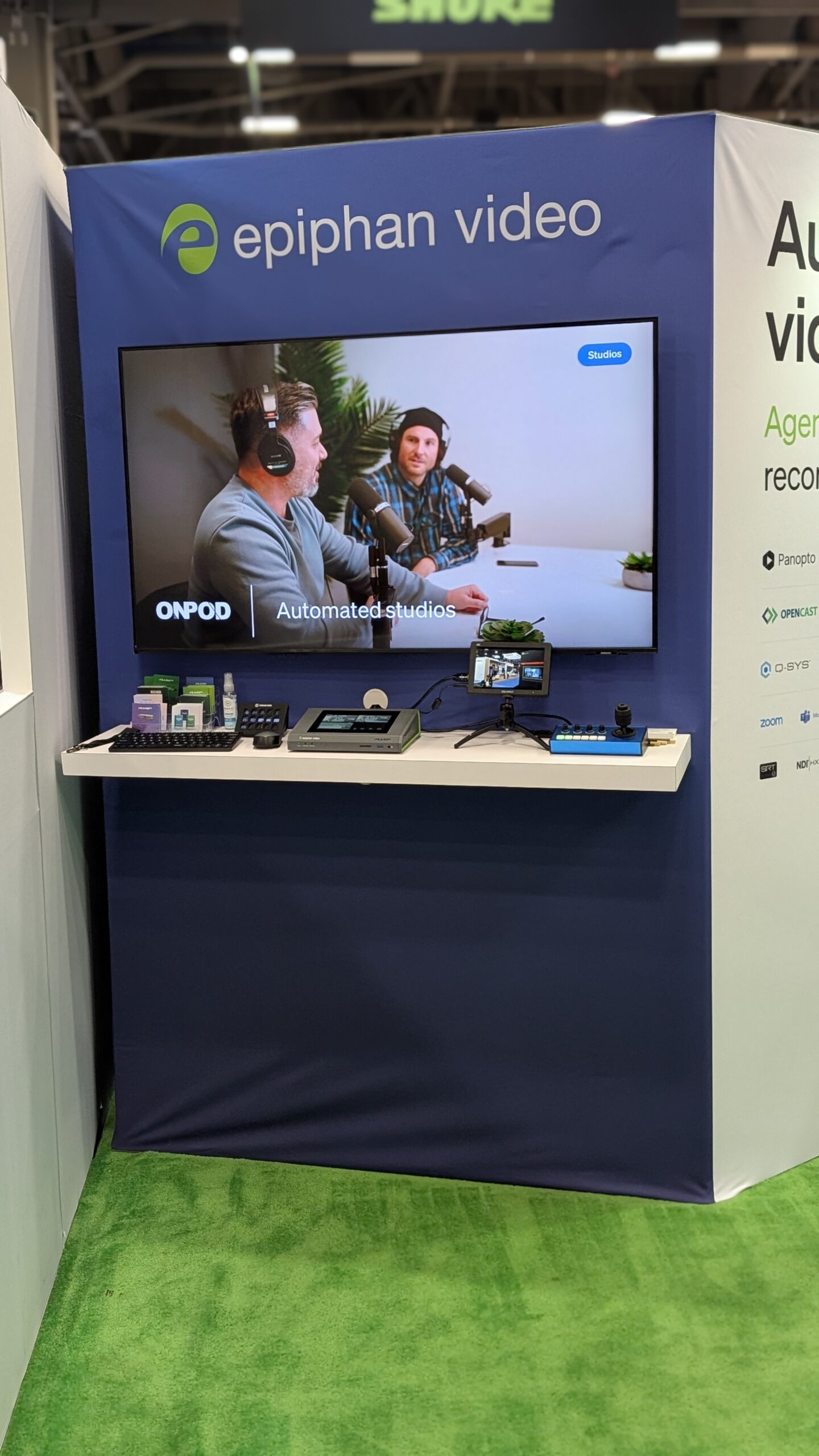
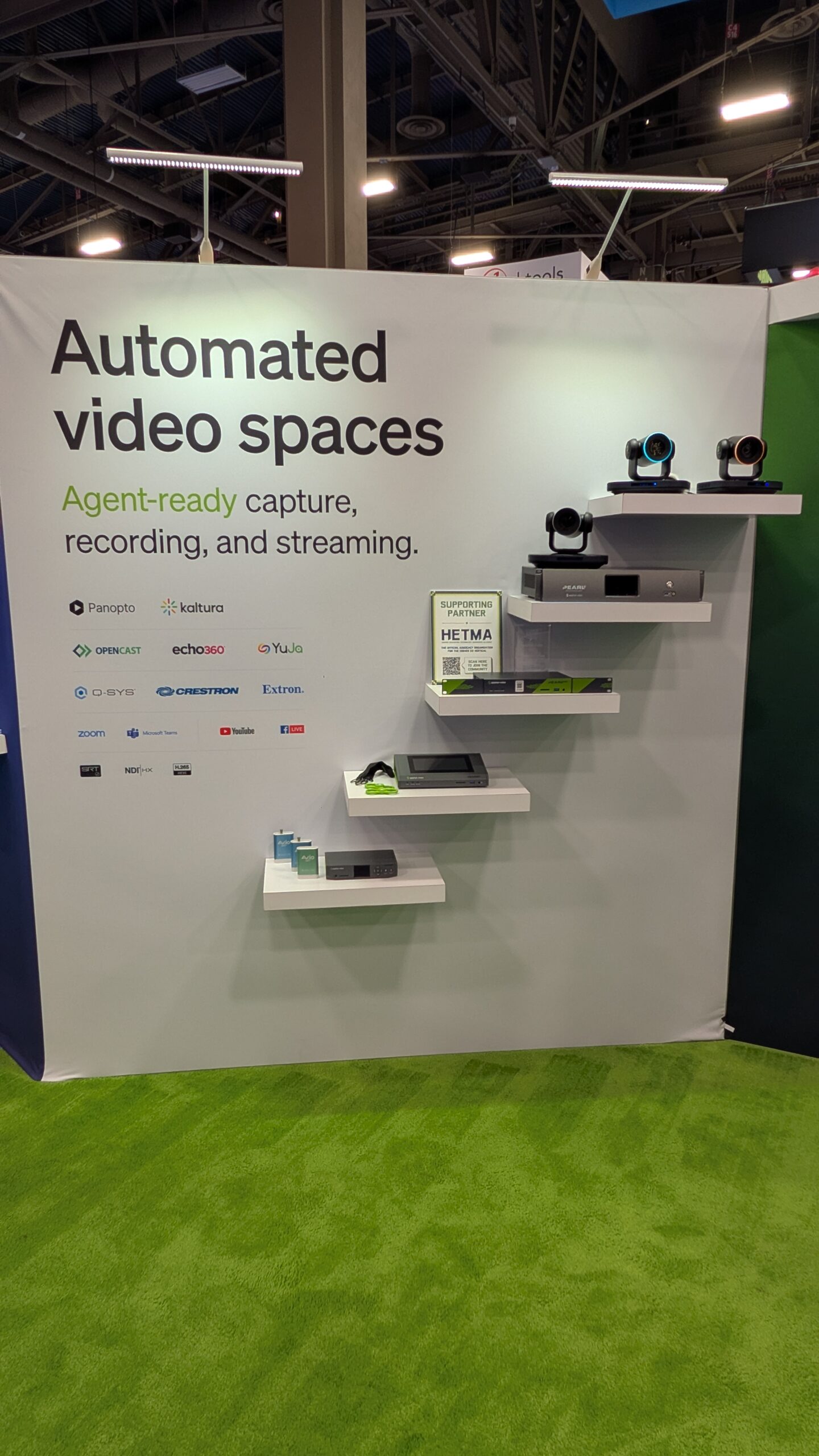
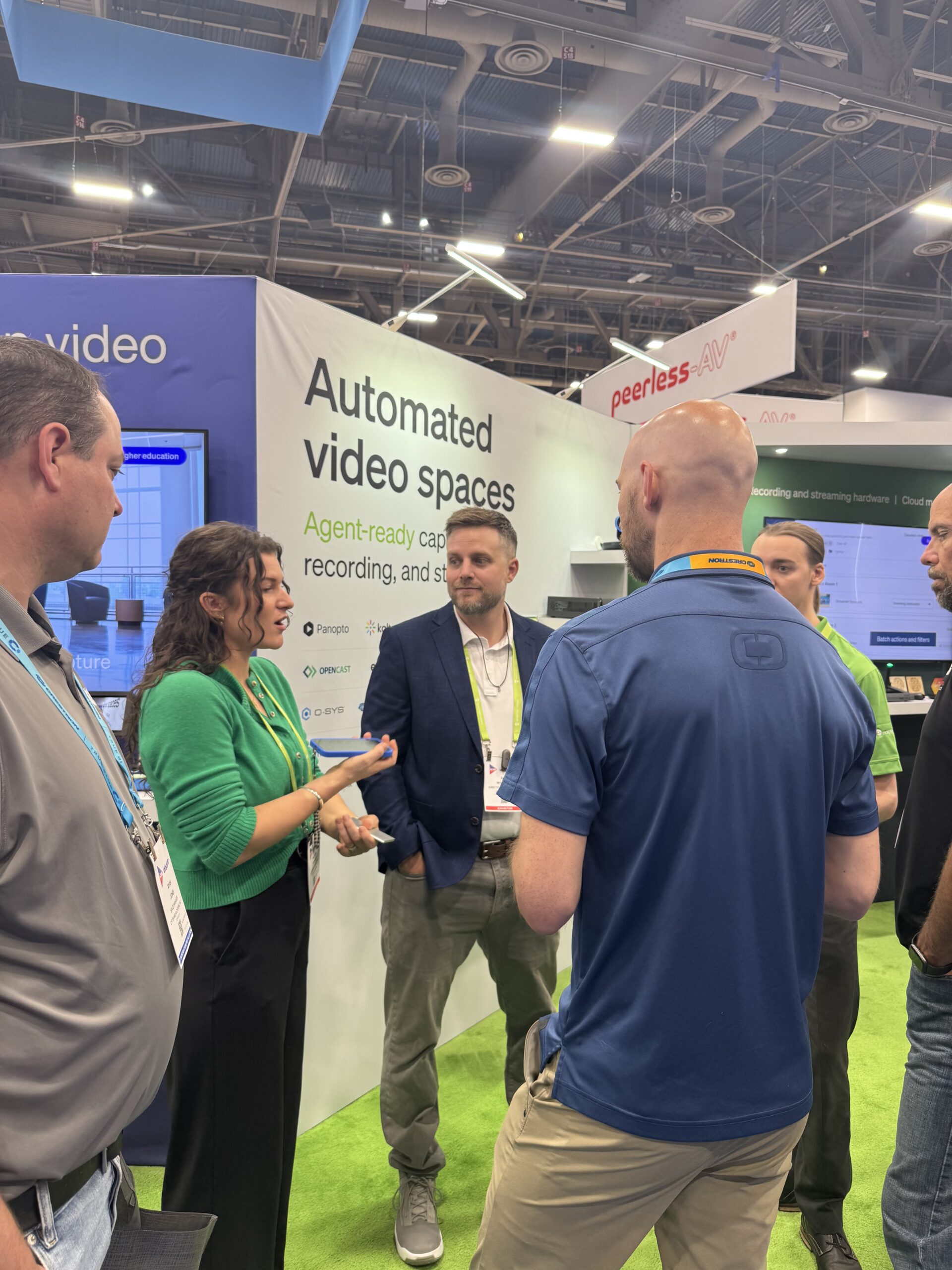
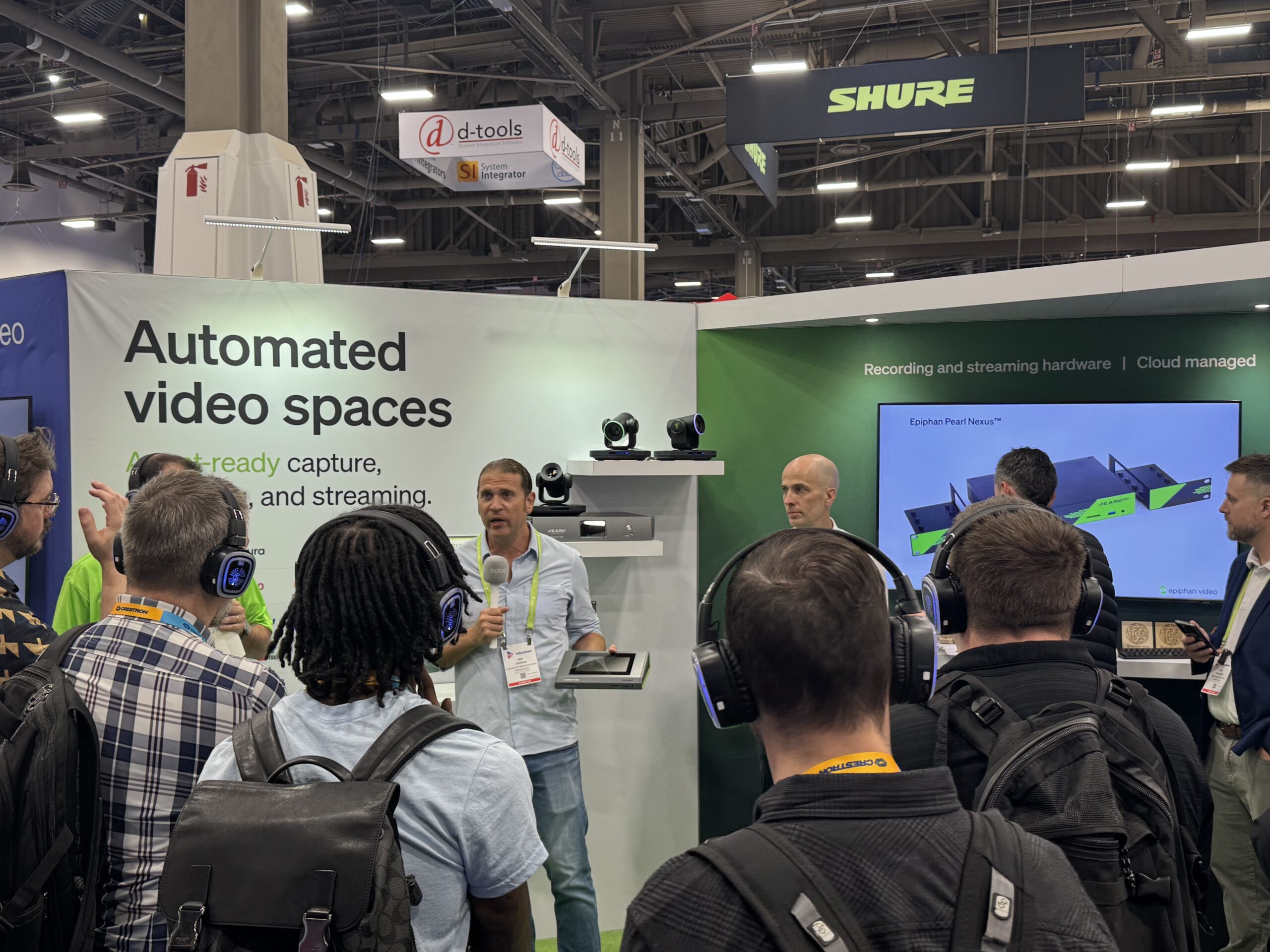
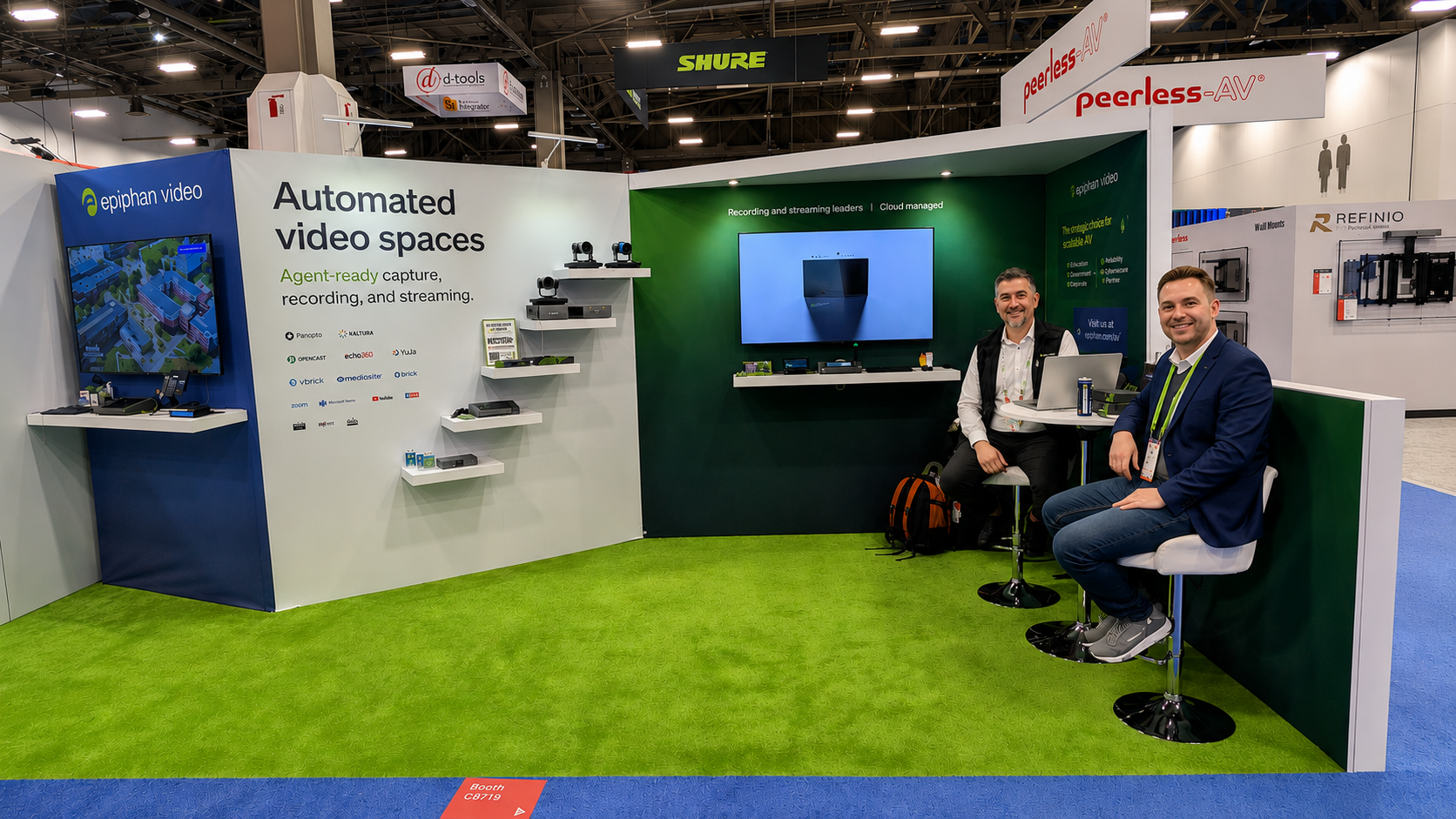
At Booth C8719, Epiphan Video is showing the EC20 PTZ Camera, Pearl Nexus, Epiphan Edge, and Agent-ready AV. The booth is centered on a complete lecture capture solution designed for higher education, but the larger conversation is not only about recording classes. It is about how campus teams scale video workflows, support complicated rooms, show value to leadership, and use analytics to understand what is actually happening in learning spaces.
People in higher ed AV don’t really ask the the old question of whether they want lecture capture or video on campus. For many institutions, that decision has already been made. The harder question now is how to show the value of those systems, how to support them at scale, and how to give AV teams better visibility into the rooms they are responsible for.
Booth C8719
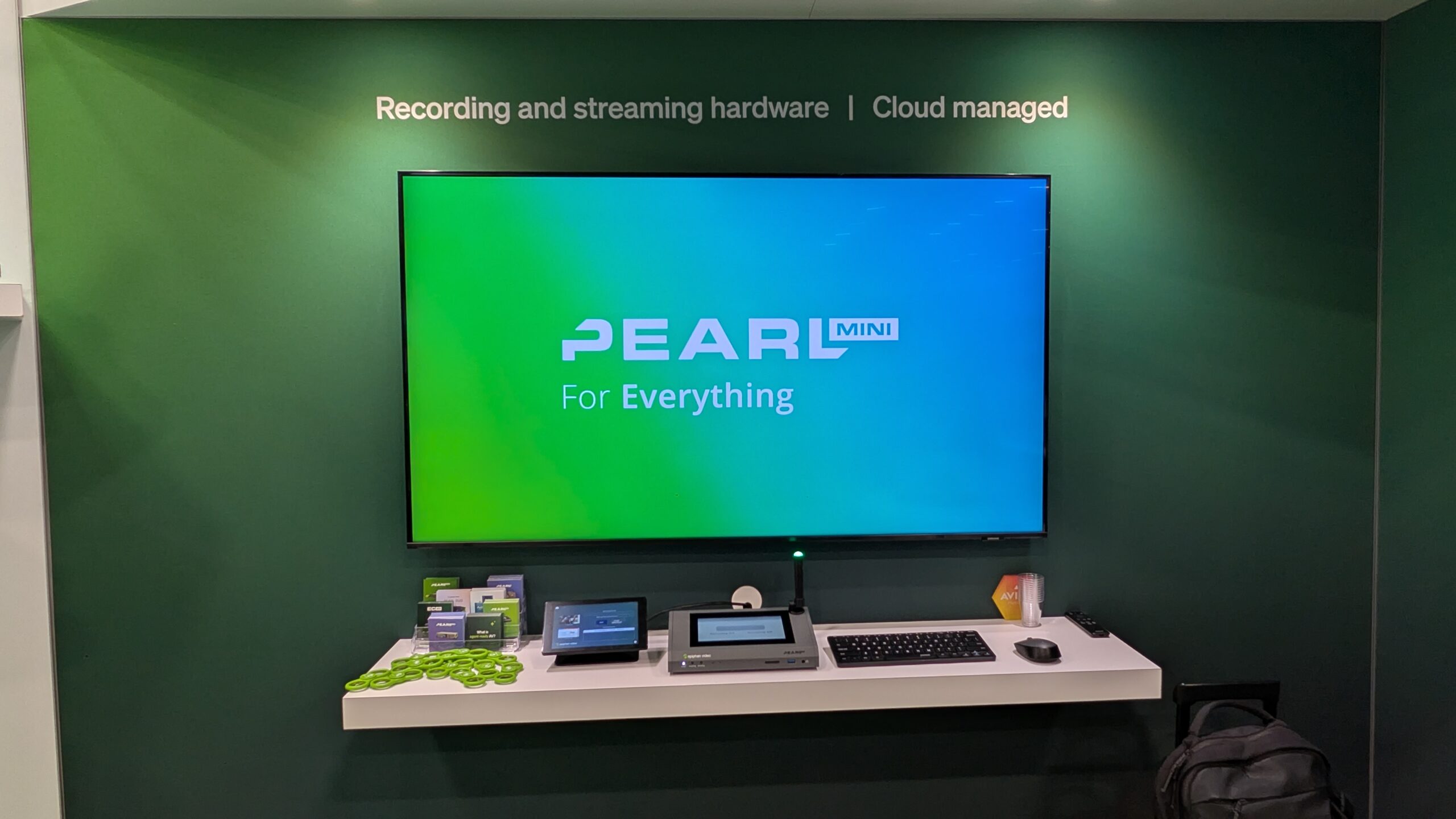
Epiphan is exhibiting at Booth C8719, with a lineup that reflects where lecture capture has gone in higher ed. EC20 adds the camera layer. Pearl Nexus sits at the center of the capture workflow. Epiphan Edge brings cloud management, analytics, and remote support into the picture. Agent-ready AV points toward a new interface layer where teams can ask questions and get usable answers from the systems and data they already manage.
That is the key shift. Epiphan is not presenting lecture capture as a standalone box in the room. The conversation is moving toward platform behavior: hardware, cloud, cameras, analytics, remote management, and AI-assisted access to room and usage information.
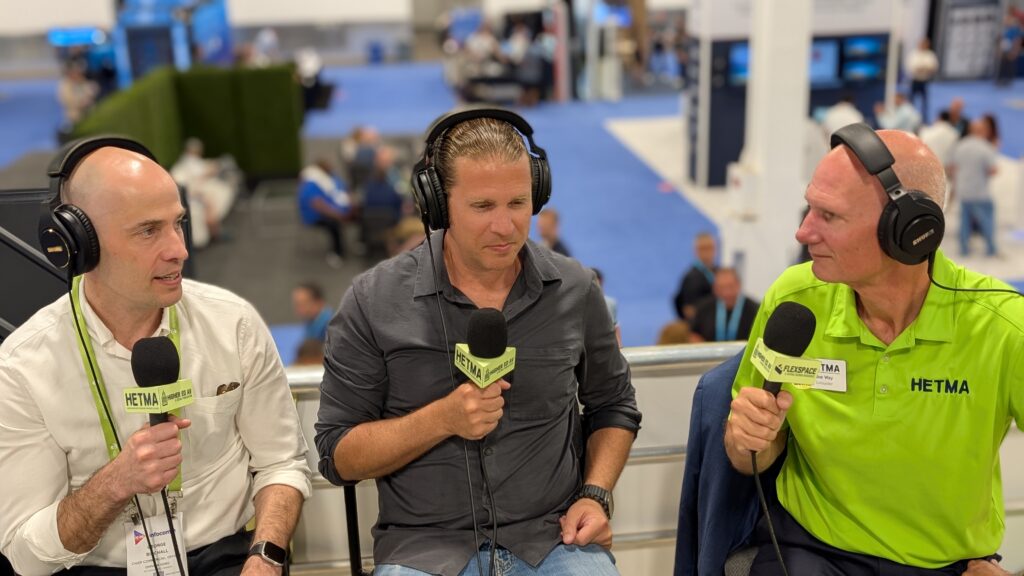
Ron Epstein put Epiphan’s higher-ed position directly.
“we’re a very higher ed focused company at this point”
That matters because lecture capture in higher ed is not a generic recording problem. Classrooms have schedules, support constraints, accessibility expectations, faculty workflows, privacy concerns, and a need for consistency across many room types. A product that works beautifully in one room still has to survive campus scale.
From Capture to Evidence
One of the strongest points in the interview came when George described the change in buyer conversation. Higher ed teams already know they want video. Now they need help explaining why it matters and proving how it is being used.
He framed the current question this way.
“How do I get my other people on campus to see the value in it?”
That is a familiar campus problem. AV teams can know a system is important and still struggle to show that value in budget meetings, refresh planning, governance conversations, or executive-level reporting. Anecdotes help, but they do not always move the conversation. Data can.
Epiphan Edge and Agent-ready AV are where that part of the story comes into focus. In the interview, George described the ability to use AI tools to ask questions and get answers that were difficult to surface before. He gave the example of showing a CIO whether rooms are actually being used, including a scenario where a newly built wing of rooms might be used only a portion of the time.
That kind of information matters because it changes the planning conversation. It can help teams justify refreshes, identify underused spaces, reconsider standards, understand adoption, and speak to leadership in a language that connects technology to institutional decisions.
Pearl Nexus and the Platform Shift
Pearl Nexus remains a central part of Epiphan’s higher-ed story. It gives the lecture capture workflow a dedicated foundation, but the booth conversation around Nexus is less about one device and more about what the platform knows.
Ron described why Epiphan thinks about this as a platform rather than a product.
“It’s more than just the device.”
That line is important. The device in the room still matters. Reliability matters. Inputs matter. Capture quality matters. But campus support teams need more than a box that records. They need to know what is coming into it, what is happening around it, whether the room is being used, whether the workflow is healthy, and what can be fixed remotely before someone has to walk across campus.
Ron connected that to Epiphan Edge and the larger analytics picture. The camera is part of the next iteration. Edge provides analytics, remediation, and visibility. Agent-ready AV adds a way to ask for information without having to know every system detail behind the scenes.
For higher ed AV/IT teams, that is the difference between maintaining endpoints and managing an environment.
Agent-ready AV and Asking Better Questions
Agent-ready AV may be the most forward-looking part of Epiphan’s booth. The idea is not simply AI for the sake of AI. The more practical higher-ed angle is that campus systems already contain useful information, but getting that information out in a usable way can be difficult.
Ron described the value as putting more power in the hands of AV teams.
“we’re actually putting the power in your hands”
That matters because AV teams are constantly asked questions that require data they may not be able to surface quickly. Which rooms are used most? Which capture systems are healthy? Which classrooms generate the most support load? Where are inputs failing? Which devices are connected? What changed? Which spaces justify more investment? Which spaces are not being used the way they were designed?
If an AI-assisted interface can help teams ask those questions and retrieve useful answers from their AV environment, it becomes more than a reporting tool. It becomes a support and planning layer.
The key will be how well it understands the actual room context. Higher ed systems are messy. Rooms are built over years. Standards change. Equipment from multiple manufacturers gets stitched together. Documentation is not always perfect. The promise of Agent-ready AV is most useful if it helps teams navigate that complexity without needing every staff member to know the full history of every room.
Complicated Rooms Need Simpler Support
The pain point Epiphan named will sound familiar to campus teams.
“Higher ed has built these incredibly capable but complicated workflows”
That is the tradeoff of the last several years. Many classrooms are more capable than ever. They can capture, stream, conference, record, route, switch, automate, caption, and integrate with platforms across campus. But every added capability creates more places where support can get complicated.
Ron described the problem plainly: when something breaks, it could be anywhere in the stack. Someone has to know how it was plugged in and configured. Someone has to understand the signal flow. Someone has to know which system owns which part of the workflow.
That is not always sustainable. Experienced AV staff are valuable, but every campus also knows the challenge of staffing, training, turnover, and room count. A platform that can help less-experienced staff ask the right questions and understand what is happening in the system can reduce the pressure on a small number of experts.
That is the higher-ed value of analytics and agent-ready support. It is not replacing the expertise of AV teams. It is helping that expertise scale.
Less Support Tickets
Ron offered the booth message he would put above everything else.
“less support tickets”
That is a clean higher-ed takeaway. The best classroom technology is not only powerful. It reduces avoidable support load. It gives teams remote visibility. It helps them remediate issues. It provides evidence for planning. It helps faculty and students experience the room without noticing the machinery underneath.
Lecture capture, in that sense, is no longer just about recording a lecture. It is part of the classroom service model. If the capture system can provide analytics, visibility, remote support, and a clearer picture of room behavior, it becomes more valuable to the AV team and the institution.
That is where Epiphan is positioning itself at InfoComm 2026: not as a single capture appliance, but as a higher-ed video platform built around capture, management, analytics, and support.
The Higher Ed Takeaway
Epiphan Video at InfoComm 2026 is worth seeing because the lecture capture conversation has moved beyond whether campuses need video. At Booth C8719, Epiphan is showing EC20 PTZ Camera, Pearl Nexus, Epiphan Edge, and Agent-ready AV, with a focus on complete lecture capture and scalable video workflows for higher education.
For campus AV/IT teams, the value is in what happens around the recording: remote support, room analytics, usage data, visibility into connected systems, AI-assisted reporting, and a platform approach that can help teams manage complicated workflows across campus.
The classroom is now a produced environment in many ways. The support team needs tools that recognize that reality without making the work harder. Epiphan’s InfoComm message is that lecture capture can be part of a broader room intelligence and support strategy.
Make sure to check out Epiphan Video at Booth C8719 at InfoComm 2026, or visit www.epiphan.com to learn more.