
Day 1 of the HETMA Higher Ed Summit: Inclusive Design, Real-World Audio, and Conversations That Mattered
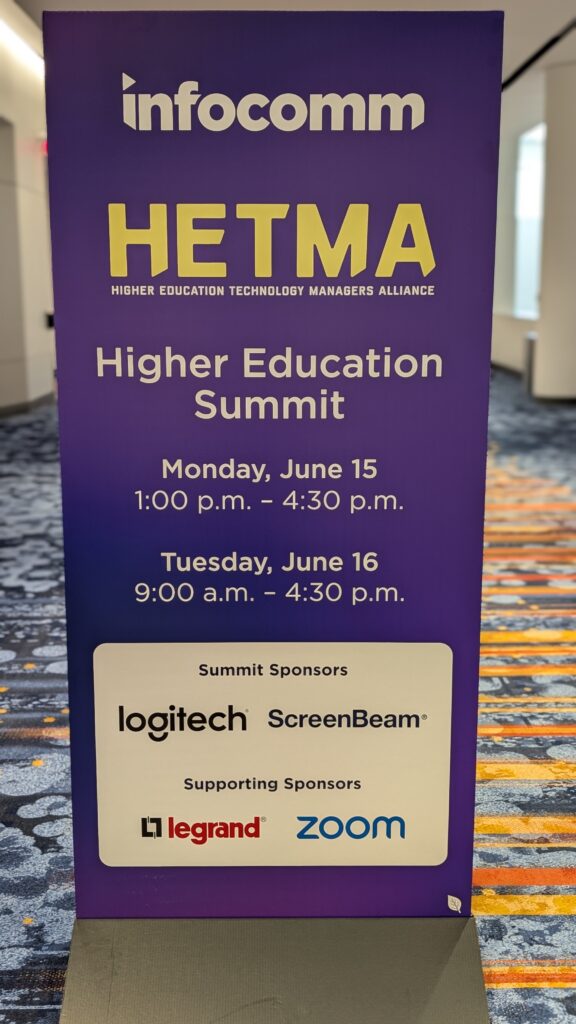
Day 1 of the HETMA Higher Ed Summit at InfoComm was a strong reminder of why these higher ed-focused conversations matter. The day centered around inclusivity, universal access, and the responsibility we have as AV professionals to design learning environments that serve every student, faculty member, and guest who enters our spaces.
The afternoon opened with Erin Maher-Moran welcoming attendees before Kay Sargent delivered the keynote, “The Compliance Compass: Steering Higher Ed Tech Toward Inclusive Excellence.” Sargent challenged the room to think beyond basic compliance and toward environments that create belonging, support neurodiversity, and recognize that learning is not one-size-fits-all. It was a great way to start the summit because it pushed the conversation past simply meeting requirements and into the larger question of how we build spaces that are truly inclusive from the beginning.
That theme continued with “The Invisible Barrier: Moving from Accommodation to Universal Access.” This session focused on the difference between reacting to individual accommodation requests and proactively designing systems that support all users by default. For higher ed AV teams, that distinction is important. When accessibility is treated as part of the standard instead of an exception, our classrooms, meeting spaces, and event spaces become more equitable, more consistent, and easier to support.
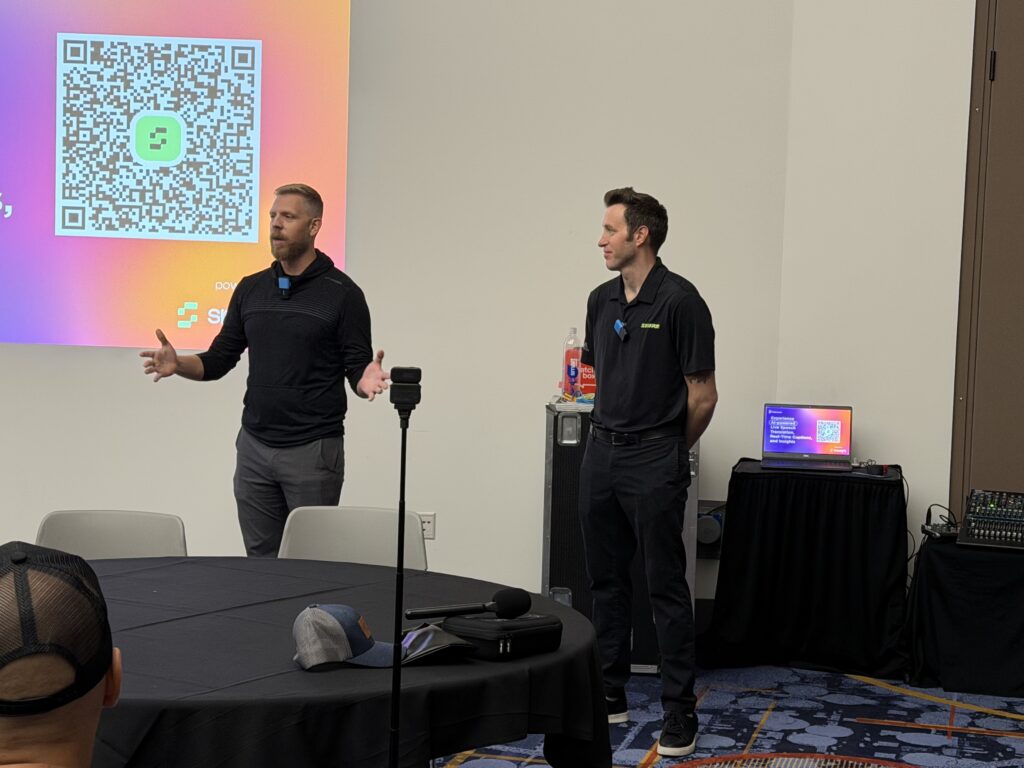
One of my favorite sessions of the day was “Beyond Volume: Engineering Inclusive Audio Ecosystems,” featuring Michael Hooper, Lisle Waldron, and Ryan Budvitis. Of course, anytime a session gets into real audio conversations, I am probably going to enjoy it. There were moments where the discussion leaned into some great audio “nerd” territory, and those moments helped make the session both practical and engaging.
What I appreciated most was that the discussion did not stop at the idea of simply making systems louder. The conversation focused on making audio clearer, more intelligible, and more intentional. The panel discussed real-world solutions that can be utilized across higher education spaces, including better microphone strategy, improved room coverage, assistive listening considerations, acoustical awareness, signal-to-noise ratio, and designing audio systems with comprehension in mind.
Another important point from the session was that inclusive audio does not always require a brand-new system, a major redesign, or a large capital investment. Sometimes, it starts with using the tools we already have more effectively. That includes turning on captioning in conferencing platforms, enabling captioning and transcription tools in lecture capture systems, and making sure those features become part of our normal support conversations with faculty and staff. These tools are already available on many campuses, but they only help if we intentionally use them.
That part of the discussion really stood out because it connected accessibility to everyday practice. It is easy to think about inclusive design only in terms of new construction, major renovations, or expensive system upgrades. Those things matter, but so do the smaller decisions we make every day. Enabling captions, training users, improving microphone placement, checking intelligibility, and thinking through how students actually experience a room can all make a meaningful difference.
The format of the audio session also made it feel especially useful. It became less of a traditional presentation and more of a Q&A driven by the audience. Attendees brought forward real campus challenges, and Michael, Lisle, and Ryan were able to respond with practical insight based on experience. Because the session was offered twice, each version differed slightly depending on the direction of the conversation and the questions from the room. One group might steer the discussion toward captioning and assistive technologies, while another might focus more on acoustics, microphone deployment, or how to improve audio in difficult spaces. That flexibility made the session feel grounded in the real problems higher ed AV teams face every day.
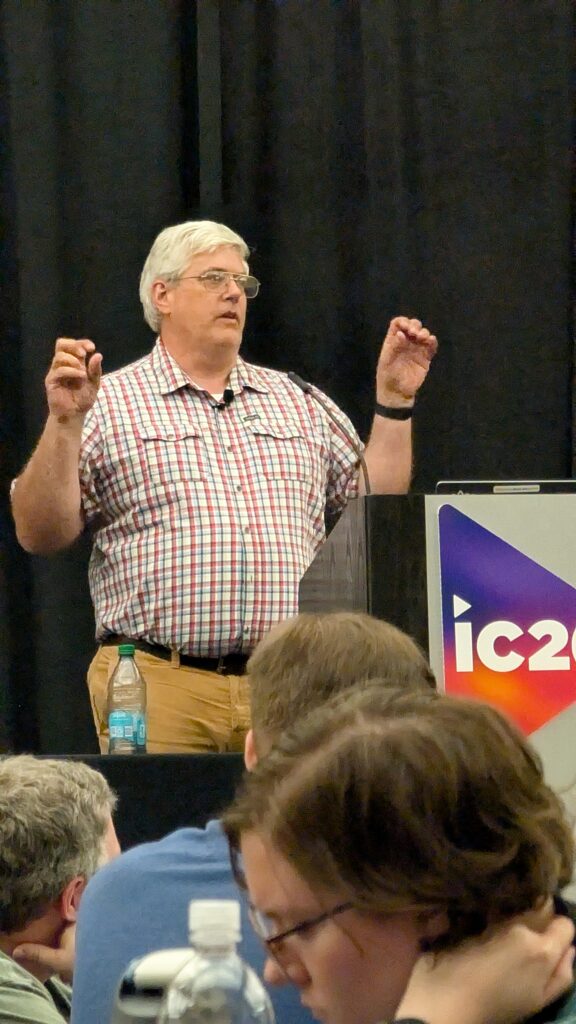
The day also included John Pfeffer’s session, “Designing for All: Leveraging Shared Intelligence and Universal Design.” This session expanded the inclusivity conversation by looking at how universal design principles and shared community knowledge can help AV professionals create learning spaces that are more flexible, accessible, and effective. John also discussed the use of Flexspace as a way to share ideas, examples, and approaches around universal design. That part of the session was especially relevant because so many campuses are trying to solve similar challenges, and having a shared resource for learning space examples can help teams see what others are doing, adapt ideas to their own environments, and continue improving their standards over time.
The session reinforced the idea that no campus must solve these challenges alone. Higher ed AV is at its best when institutions share ideas, standards, lessons learned, and solutions that others can adapt to their own environments.
Overall, Day 1 of the HETMA Higher Ed Summit delivered a strong mix of vision and practicality. The sessions did not just talk about why inclusive design matters; they gave attendees language, examples, and real-world strategies to bring back to their own campuses. From keynote-level ideas about belonging to detailed conversations about audio intelligibility, captioning, and universal design, the day made it clear that AV design directly impacts student success.
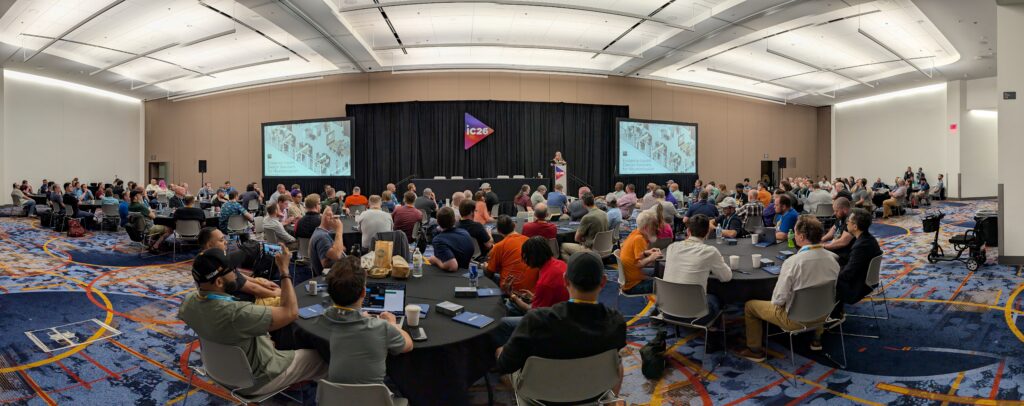
The best part of the day was that it felt like a true higher ed conversation. It was not just presenters walking through slides or vendors talking about products. It was a room full of campus professionals, designers, partners, and advocates asking better questions about how our spaces can better serve the people who use them.
Day 1 made one thing clear: inclusive technology is not a future goal for higher education. It is the work we should already be doing.