




AJA at InfoComm 2026: Bridging Broadcast, AV, and IP Video for Campus Production
Some InfoComm conversations matter because they name a shift that higher ed AV teams are already living through. AJA is one of those conversations this year.
For years, AJA has been known in broadcast and production environments. That still matters. But the campus use case has changed. Higher ed AV teams are no longer only supporting classrooms in one lane, event production in another lane, and broadcast-style workflows somewhere else. Those worlds are blending. Classrooms stream. Events get archived. Student groups run production systems. Athletics, communications, distance learning, lecture capture, and campus media teams all need video workflows that can move between formats, standards, and destinations.
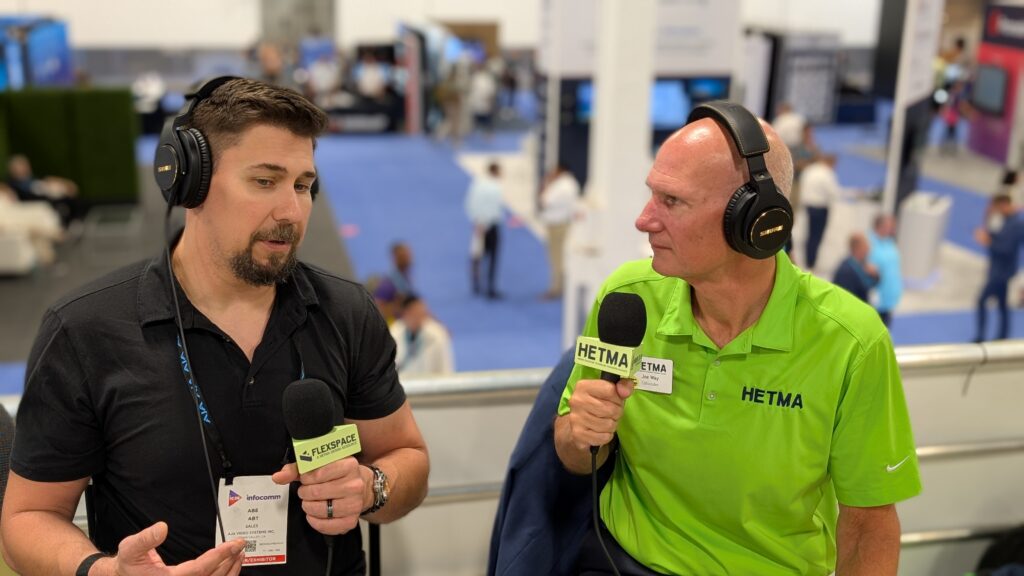
Abe Abt, Senior Product Consultant at AJA Video, put it plainly in the interview.
“AV and broadcast, that line is blurring.”
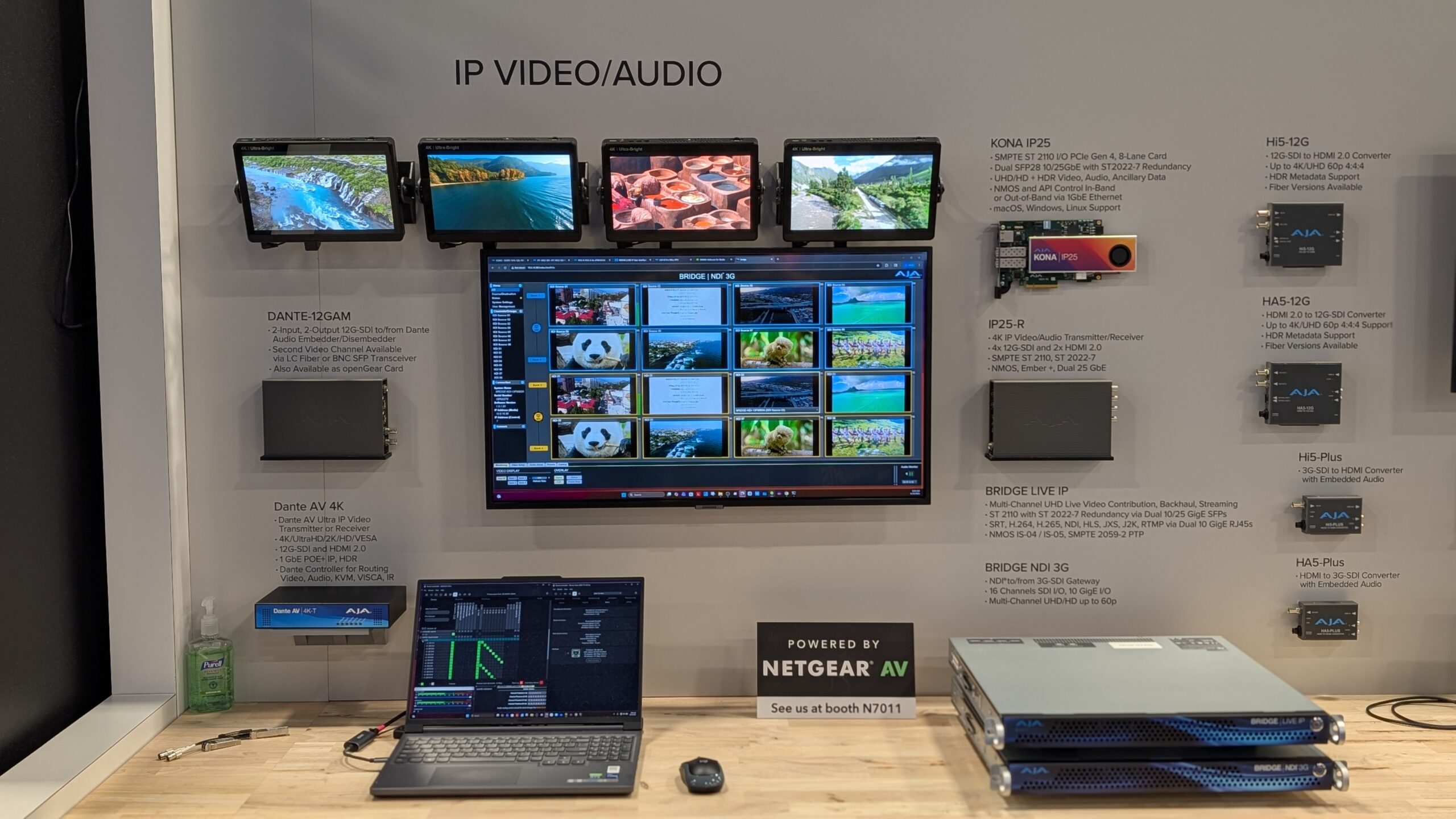
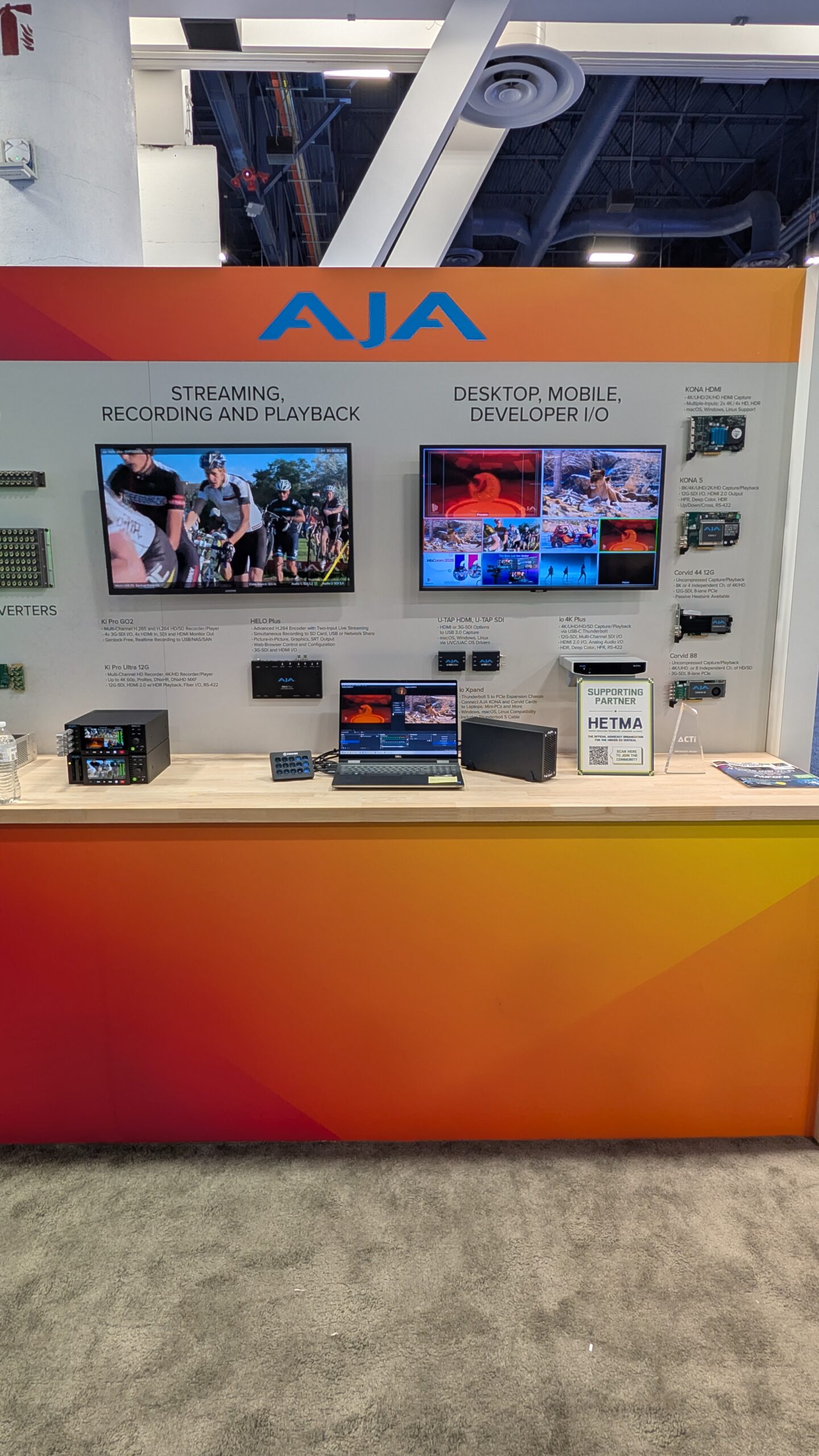
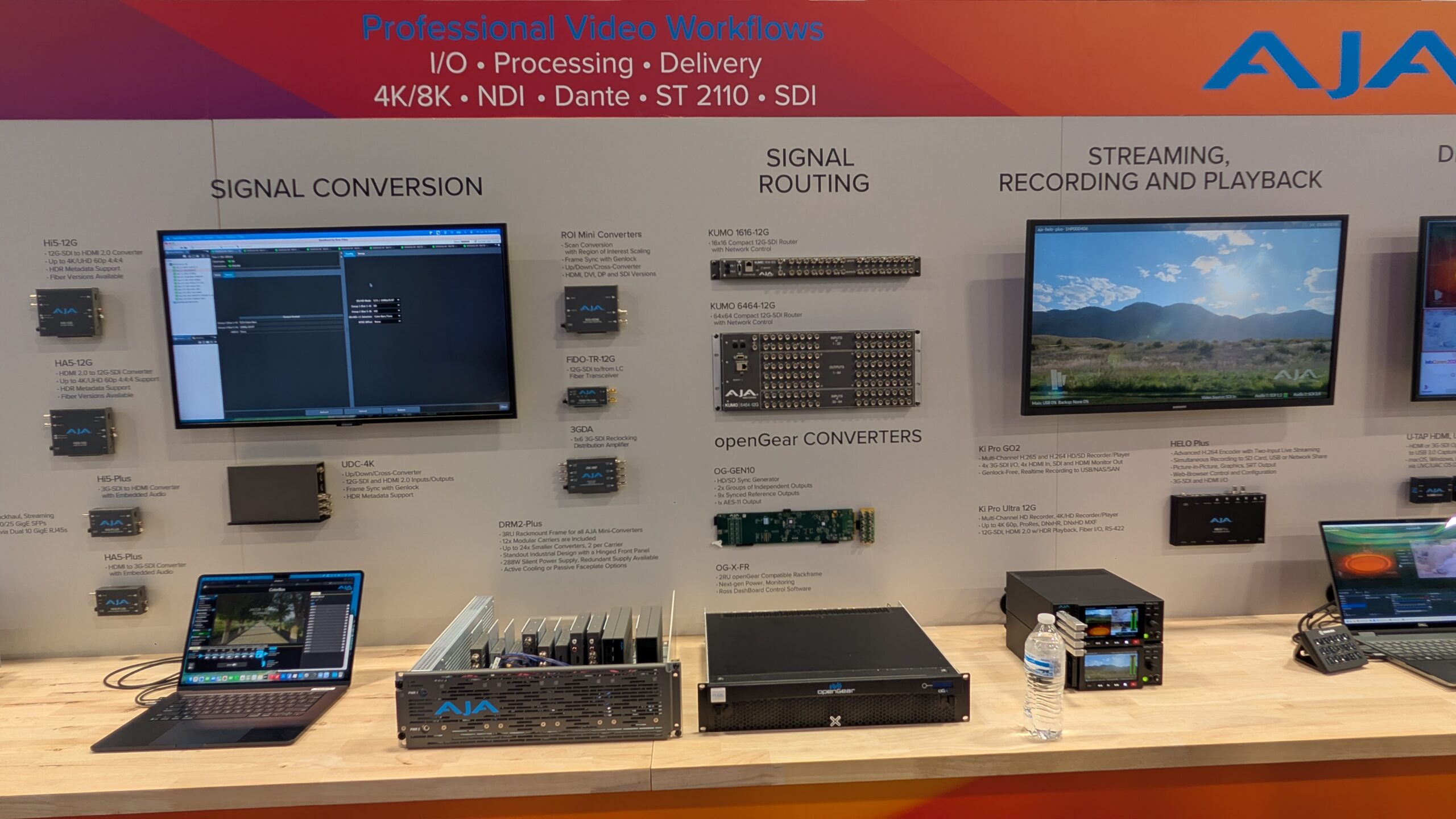
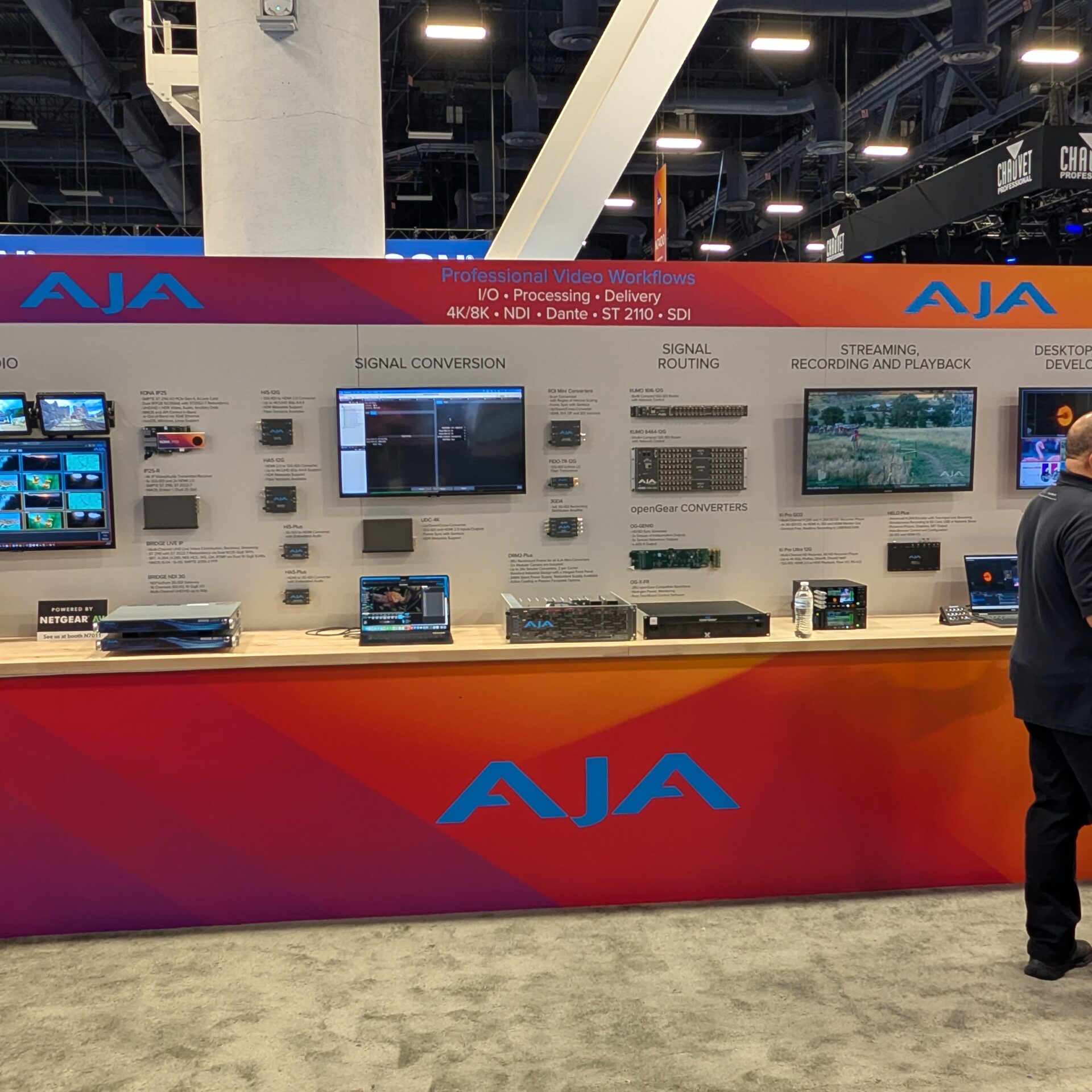
That is the central reason AJA is worth a stop for higher ed AV/IT teams at InfoComm 2026. At Booth N7744, AJA is showing tools built around production, streaming, recording, transport, conversion, timing, I/O, and IP video workflows. The booth lineup includes BRIDGE LIVE IP, IP25-R, OG-GEN10, Io Xpand, Mini-Converters, fiber transmission converters, I/O cards, and other AJA solutions already used in higher ed environments.
The specific products matter, but the larger story is about helping campuses move through technical transitions without making every workflow harder to support.
Booth N7744
AJA is exhibiting in North Hall at Booth N7744. The booth is focused on helping teams produce, stream, record, transport, and deliver content for live and on-demand viewing. That lands directly in higher ed because video production is now part of many campus operations: distance learning, staff training, campus events, student media, live streaming, hybrid instruction, commencement, athletics, academic programming, and archived content libraries.
Abe described AJA’s long-term role as a company that helps people move between technology eras.
“we’ve always just kind of been about bridging gaps”
That phrase fits the InfoComm booth well. AJA’s products are not only about one format or one room type. They are about the connective tissue between video systems. Analog to digital. SD to HD. SDI to HDMI. Baseband to IP. Broadcast to AV. Local production to streaming. High-bandwidth contribution to lower-bandwidth delivery.
For campus teams, those gaps are not theoretical. They show up in real workflows, often in the same project. A production studio may need SDI. A classroom may need HDMI. A streaming workflow may need H.264, H.265, SRT, HLS, NDI, or ST 2110. A control room may need timing. A laptop-based production setup may need reliable I/O. A remote guest feed may need to land cleanly in a campus stream.
AJA is positioning its InfoComm booth around those exact intersections.
Higher Ed Has Become a Production Environment
One of the strongest points in the interview was Abe’s description of what he sees on campuses now. Higher ed is not just classroom support. Many campuses are running serious production environments.
He described modern campus AV groups this way.
“they have production studios”
That is not an exaggeration. Many institutions now have spaces and teams handling live switching, streaming, recording, remote contribution, student content, event capture, digital media, and production training. Sometimes that work lives in central AV. Sometimes it lives in communications, athletics, media studies, online learning, or student affairs. Often, it overlaps.
Abe also pointed out that students are not just consuming the content. In some spaces, they are learning on the same kinds of workflows they may encounter after graduation.
“we’re preparing these folks for the real world.”
That is a strong higher-ed reason to care about production-grade tools. When students work with real signal flows, real streaming protocols, real I/O, real routing, and real conversion needs, they learn more than software operation. They learn how media systems behave under pressure.
That matters for student media, broadcast programs, esports production, sports communication, live events, journalism, digital media, theatre, music, and any program where production skills are part of the student experience.
BRIDGE LIVE IP and the IP Format Problem
BRIDGE LIVE IP is one of the major AJA products on display at InfoComm 2026. Built in collaboration with Comprimato, which AJA recently acquired, BRIDGE LIVE IP is designed as a video gateway for production, transport, and delivery workflows. It supports encoding, decoding, transcoding, and streaming to and from ST 2110, NDI, H.264, H.265, and other formats.
That matters because IP video has opened up powerful possibilities, but it has also made workflow design more complicated. Campuses may not have one clean format choice. They may have several systems using several protocols for several reasons.
Abe described the pain point directly.
“I have a ton of IP formats and they’re all great”
He then listed the practical issue: H.264, H.265, HLS, SRT, and other formats all have their place, but they do not automatically make one clean workflow.
The question becomes: how do you make all of it come together?
That is where BRIDGE LIVE IP fits the campus conversation. It gives teams a way to move between formats and bandwidth needs without turning every production into a computer science project. A high-quality feed may be needed for production. A lower-bandwidth feed may be needed for delivery. A remote contribution feed may arrive one way and need to leave another. A campus may be testing ST 2110 or IPMX while still living with existing SDI, HDMI, NDI, and streaming workflows.
The value is in controlled translation. Not every campus is ready to move everything to IP at once. Most will live in hybrid states for a long time. AJA’s booth is worth visiting if that is your reality.
IP25-R and the Transition to ST 2110
The IP25-R Mini-Converter is another bridge product in the AJA lineup. It is designed for facilities moving toward ST 2110 and can bridge IP video to and from 12G-SDI and HDMI 2.0. AJA positions it as a receiver or transmitter, with the mode enabled through a browser-based interface.
That kind of product can matter on campuses because transitions rarely happen all at once. A new production area may need IP transport, but an existing room may still be SDI. A display path may need HDMI. A control room may need to integrate with gear from multiple generations. A campus may want to experiment with ST 2110 without rebuilding everything immediately.
For higher ed AV/IT teams, the practical question is not whether IP video is coming. It is how to adopt it without breaking working systems, overcomplicating support, or requiring every staff member to become a protocol specialist overnight.
Abe described AJA’s philosophy around that kind of transition.
“we want to make it so the guys on the other side of the gap aren’t afraid to actually bridge that gap.”
That is a useful filter for evaluating IP tools. The goal should not be to make the system feel more impressive. The goal should be to make the transition approachable, understandable, and supportable.
Timing Still Matters
OG-GEN10 is one of those products that may not make the flashiest show-floor moment, but it points to something higher ed production teams know: timing matters.
OG-GEN10 brings AJA’s GEN10 HD/SD sync generator functionality into the openGear form factor. It provides simultaneous HD tri-level and SD sync, redundant power options in openGear frames, and remote control through DashBoard software. It is designed to keep equipment locked to house reference for accurate timing, which becomes more important as workflows add complexity and more gear needs to operate in sync.
For classrooms, this may not be the first conversation. For campus production, it can be foundational. The more a campus moves into multi-camera production, switching, streaming, remote contribution, and broadcast-style signal flows, the more timing and reference can matter.
Higher ed teams often operate across a wide range of sophistication. A basic teaching space may need simple USB capture. A central studio may need house sync. A performance venue may need production switchers and routing. A communications department may need streaming and archiving. A student media lab may need training workflows that reflect professional practice.
AJA’s booth sits across that range.
Io Xpand and Portable Production Power
AJA is also showing Io Xpand, a Thunderbolt 5-enabled PCIe expansion chassis for KONA and Corvid video and audio I/O cards. It is designed for video professionals using Thunderbolt 5 laptops and mini-PCs on Windows, macOS, and Linux, with support for production software including vMix, Wirecast, OBS, and other packages.
For higher ed, the value is in portable and flexible production workflows. Not every production happens in a fixed studio. Campus events move. Productions happen in lecture halls, theaters, athletic venues, temporary spaces, student areas, and remote locations. Laptops and compact systems are often part of that model, but they still need dependable I/O.
Io Xpand gives AJA a current answer for teams that want to use familiar PCIe I/O cards with modern Thunderbolt 5 systems. That can matter for campuses balancing performance, mobility, software-based production, and the need to support multiple event types without building a full truck or permanent control room for every use.
The Higher Ed Takeaway
AJA’s InfoComm 2026 presence is about the production side of higher ed getting more serious, more distributed, and more connected to AV/IT work across campus.
At Booth N7744, AJA is showing BRIDGE LIVE IP, IP25-R, OG-GEN10, Io Xpand, Mini-Converters, fiber transmission converters, I/O cards, and other tools for production, transport, conversion, streaming, timing, and delivery. For campus teams, the value is in bridging formats, standards, and workflows without making the system harder to use than it needs to be.
Abe summed up the company’s approach well.
“making exciting new technology in the world of video, accessible and easy to use.”
That is the higher-ed angle. Video production is no longer isolated to a few specialists on campus. It is part of teaching, learning, events, student experience, distance education, and institutional communication. AJA’s booth is worth a stop for teams trying to move between broadcast and AV, SDI and IP, high-bandwidth production and streaming delivery, fixed studios and portable workflows.
Make sure to check out AJA at Booth N7744 at InfoComm 2026, or visit AJA.com to learn more.