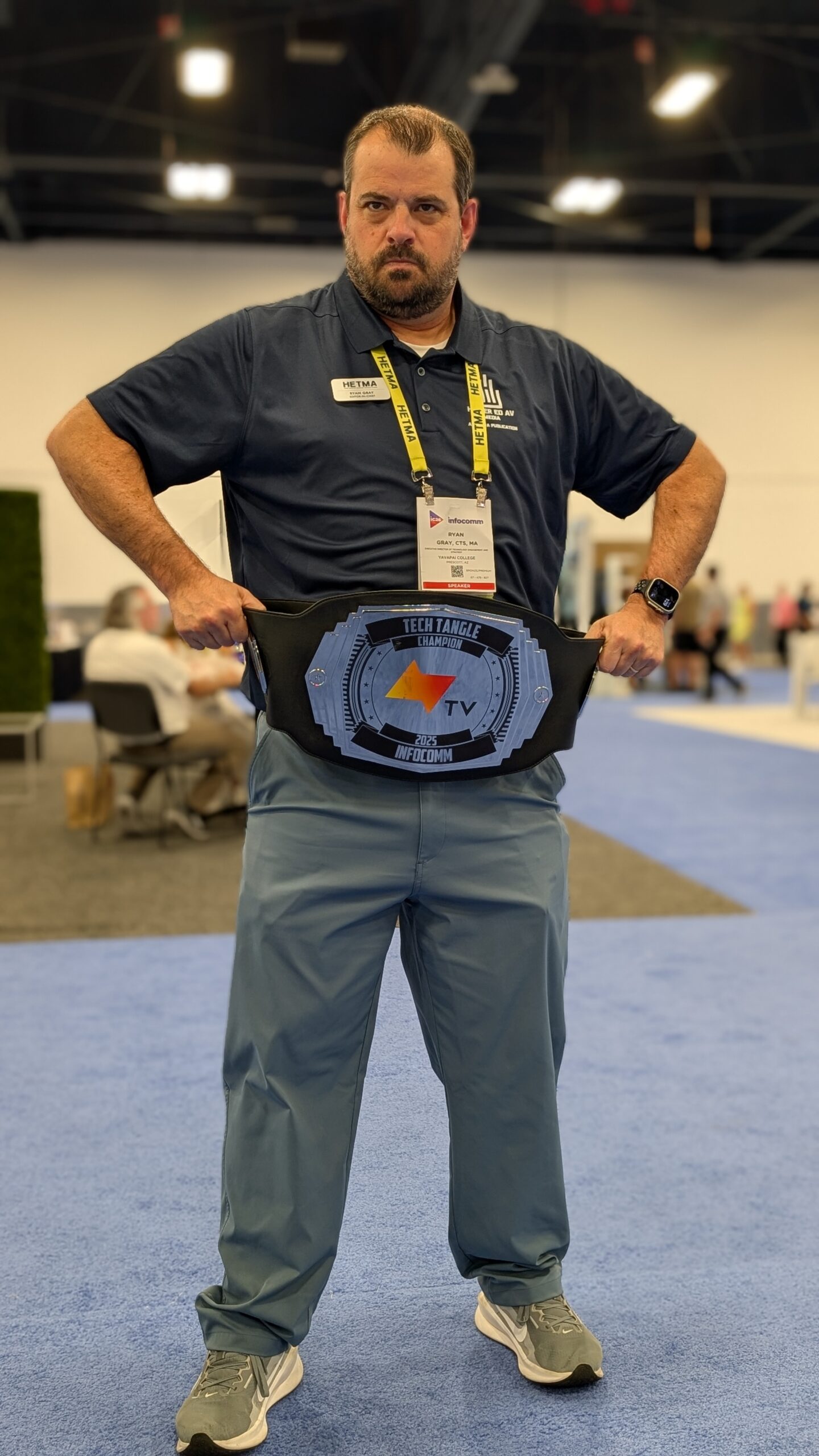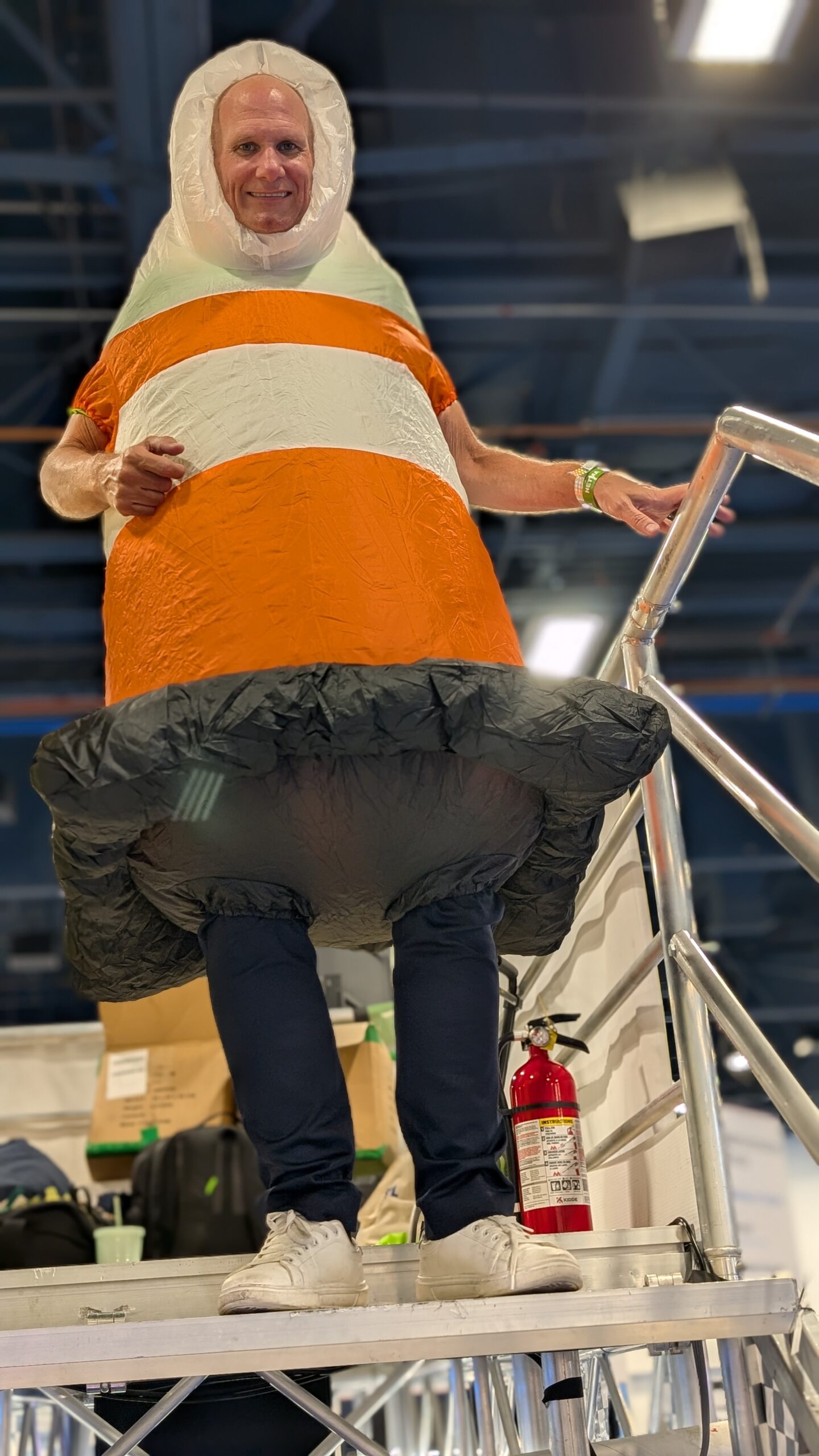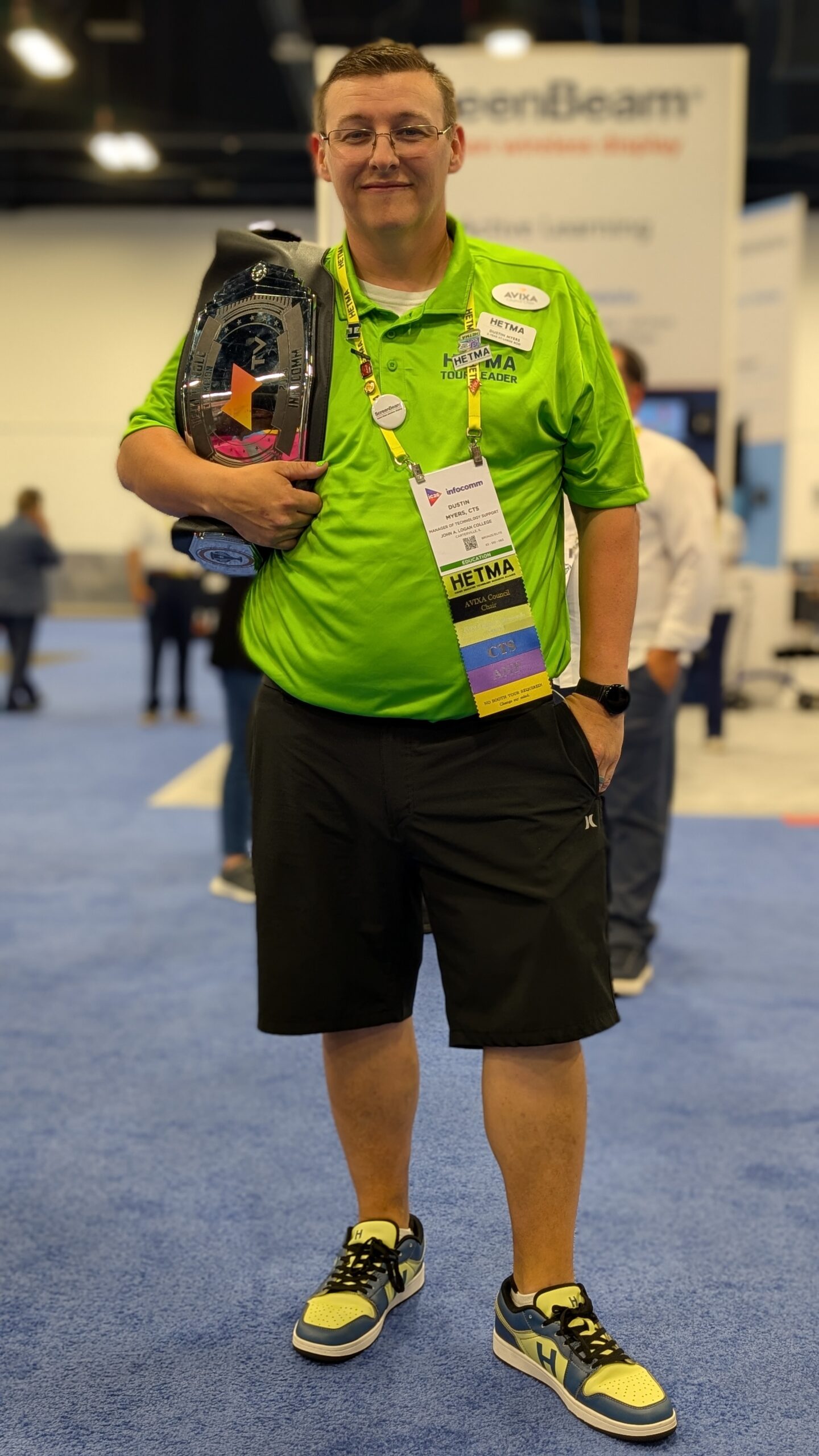
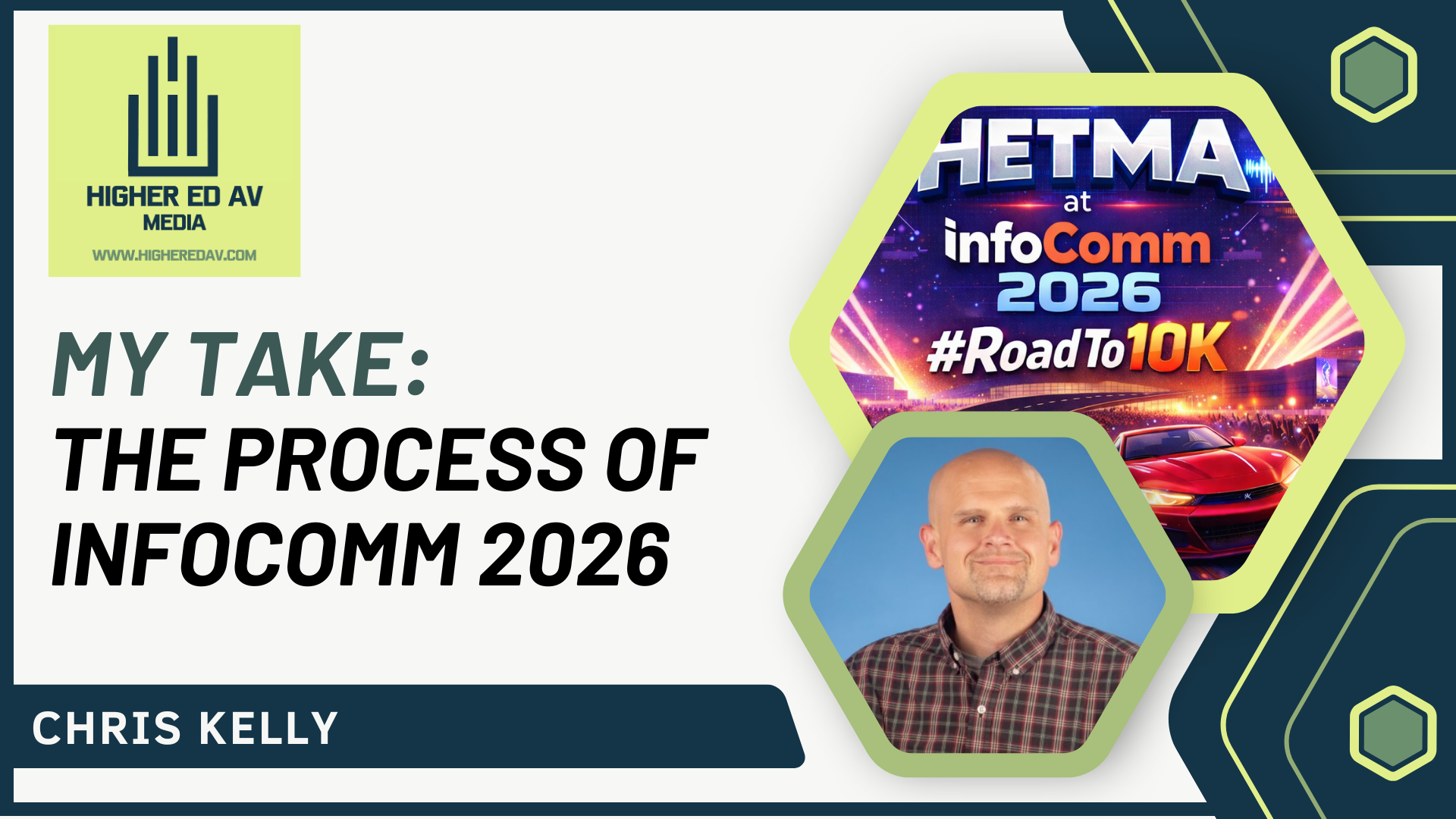

Any time I attend a HETMA event, I like to do a writeup. I realize I’m extremely fortunate to be able to attend as many as I do, and a lot of folks aren’t able to for a variety of reasons. The content and experiences HETMA puts out there continue to humble me, and nearly all of it is free. The Education Summit at InfoComm is one of the exceptions, but that’s InfoComm rules, not HETMA’s.
Planning Starts Early
What a lot of people don’t see is how early the work begins. I usually get a window into these events ahead of time through the weekly HETMA Events and Education Committee meetings. We review plans, adjust direction, and figure out how to make each event better than the last. It’s one of those spaces where you can see your input actually make a difference.
The pace never really stops. The Monday after InfoComm, we were already talking about the Golf Classic, EDUCAUSE, Roadshows, ISE, the Virtual Conference, and even next year’s InfoComm. If you’ve ever thought about getting more involved, those meetings are probably the easiest entry point and honestly one of the most impactful.
Booth Build: Where It All Comes Together
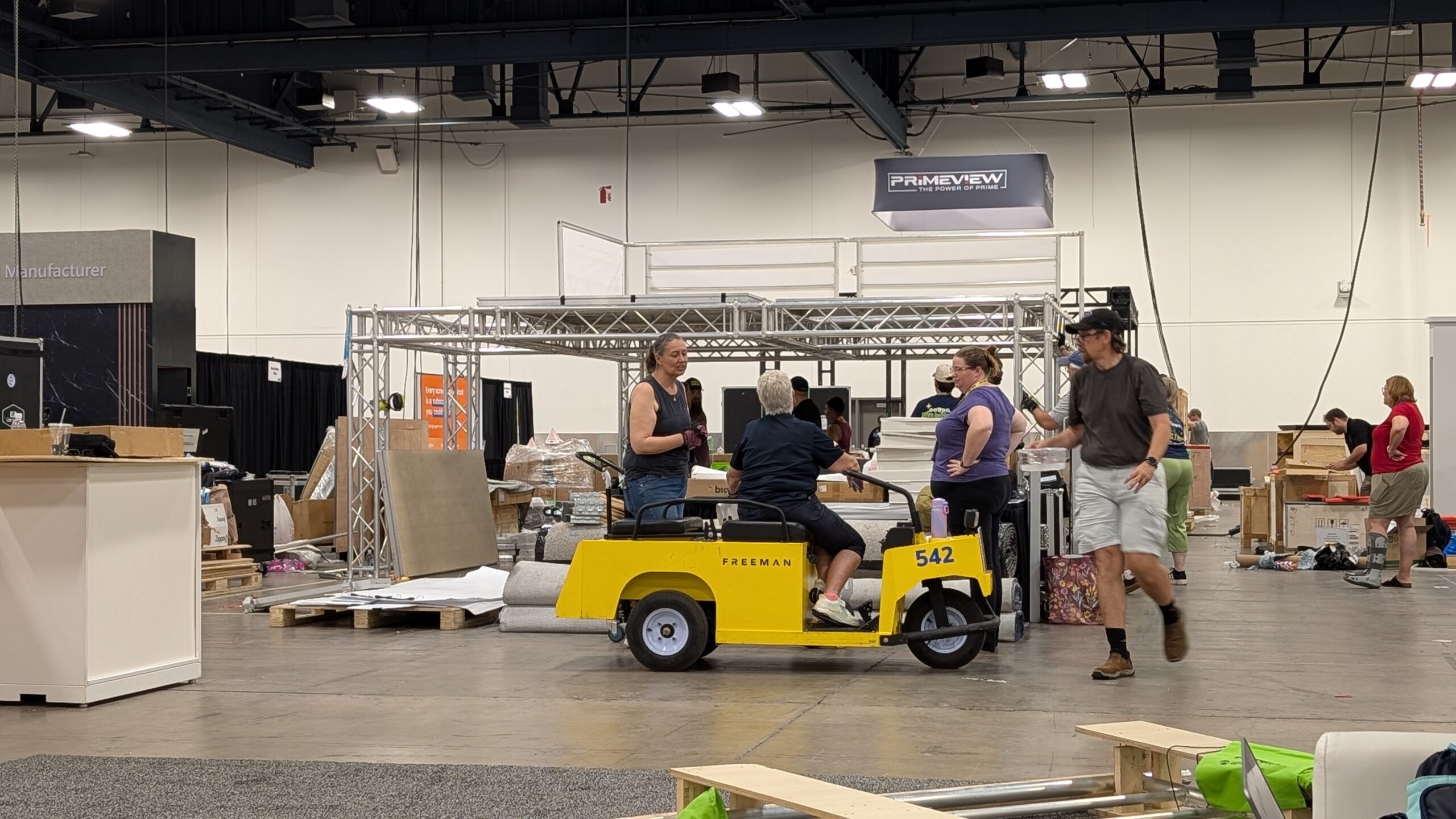
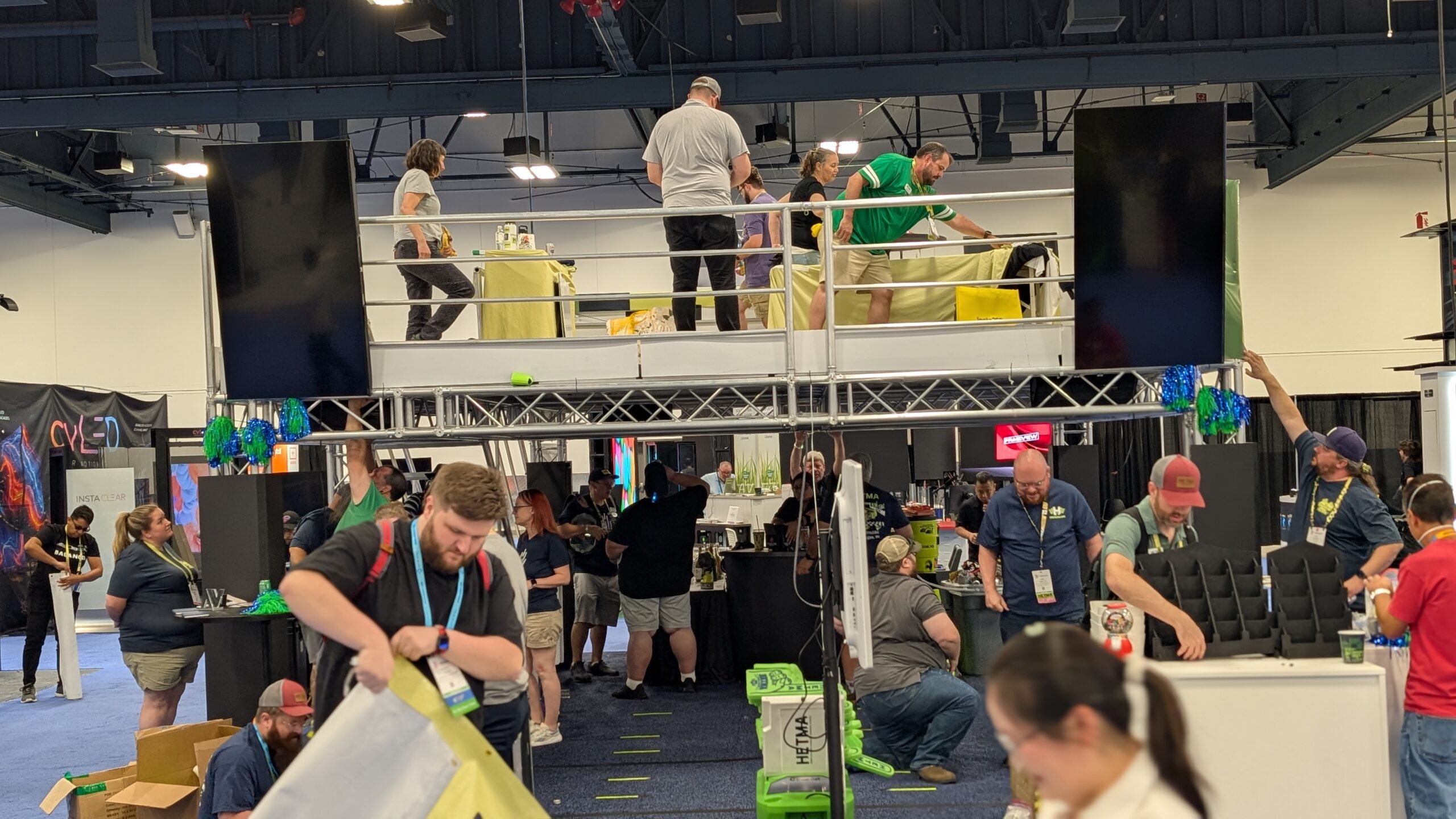
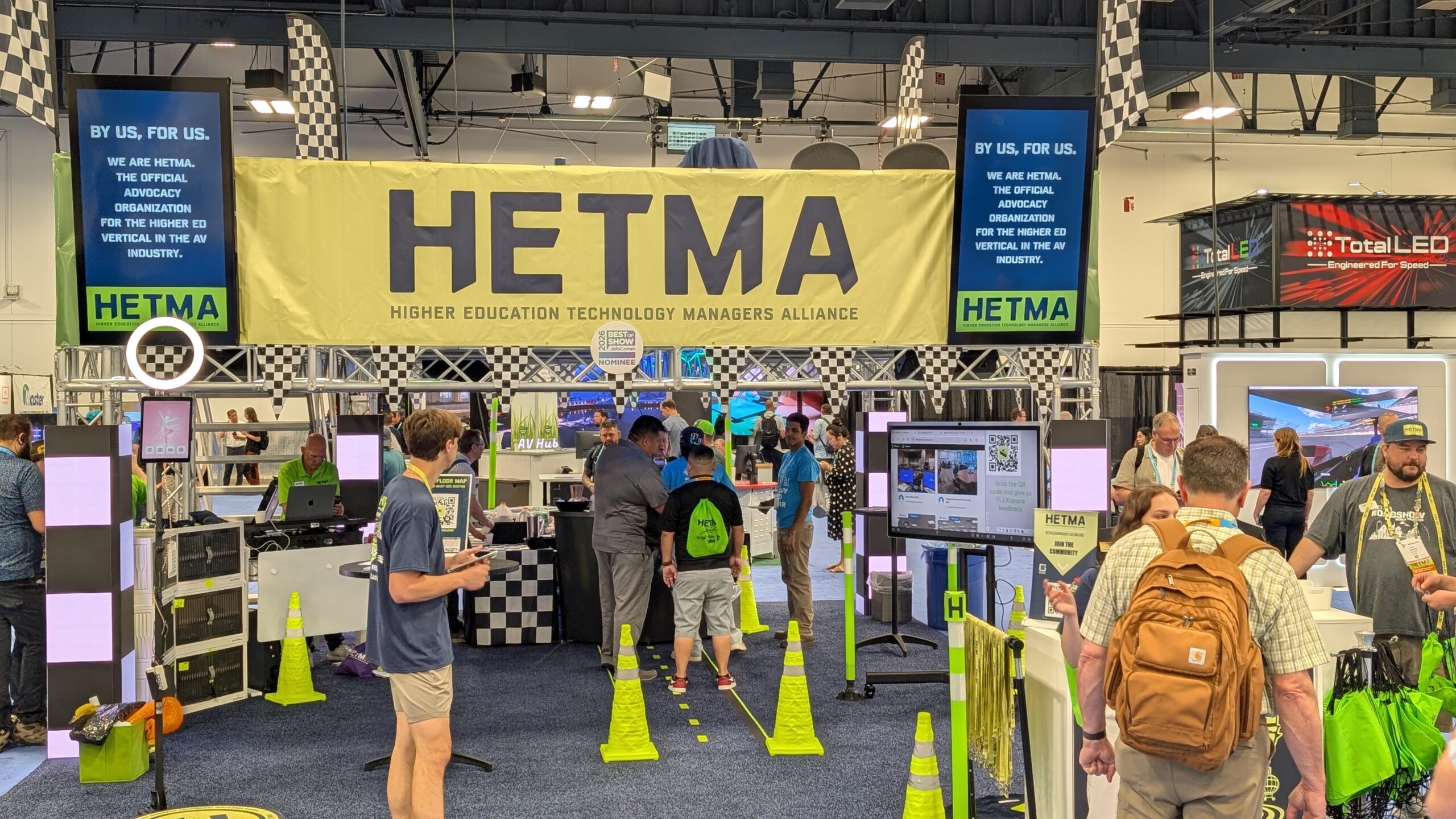
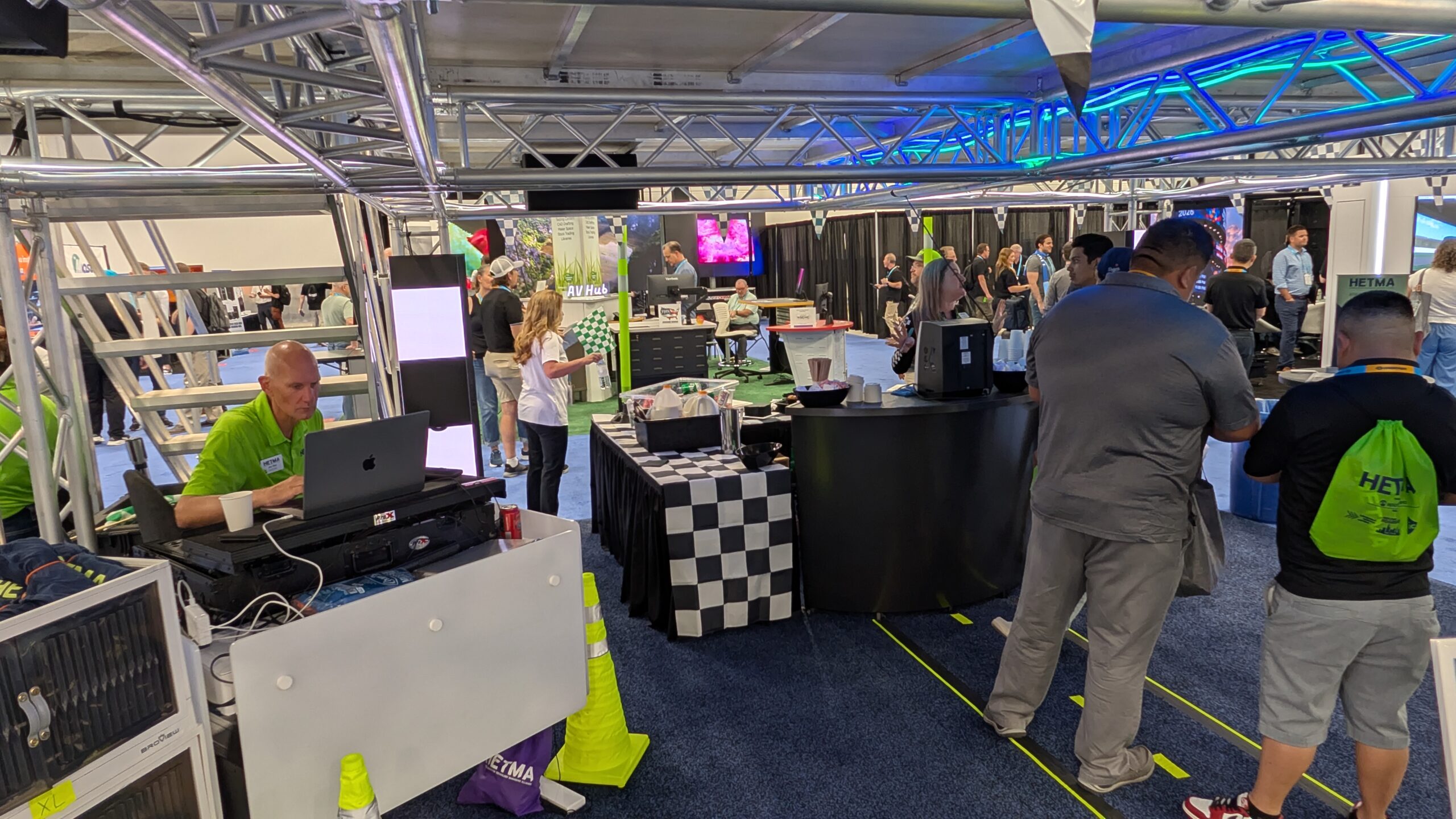
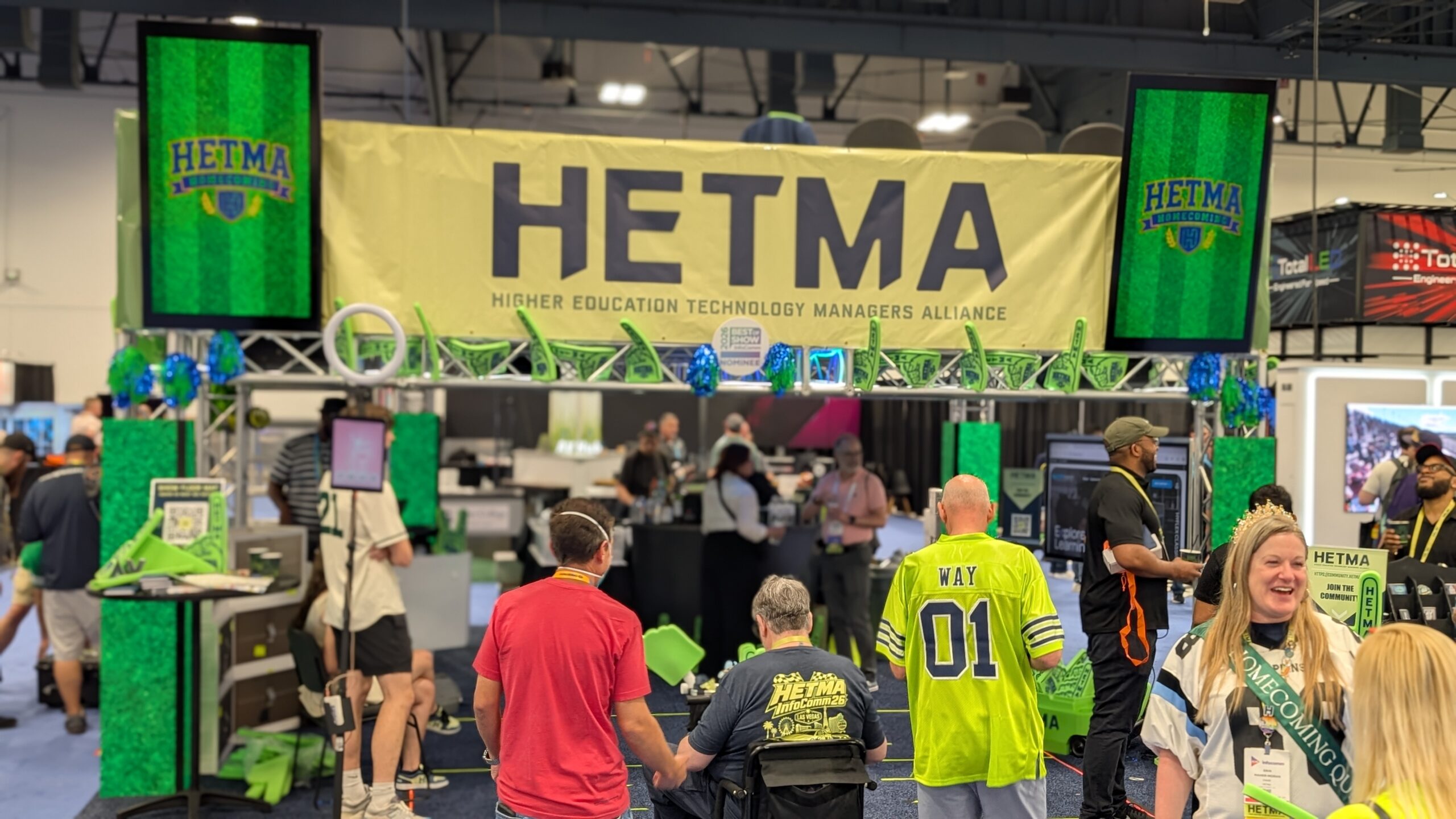
InfoComm stands out because of the scale. We put more pre-work and planning into it than anything else, and it shows when you get onsite. We’re not just setting up a table. We’re building a two-story booth from a crate.
This is where people with live events or theater backgrounds really shine. I came into my first InfoComm having never worked with truss, stairs, or anything like that. By the end of the week, you feel like you’re part of something much bigger. There’s always someone there willing to show you how to contribute, even if it’s your first time.
On top of the physical build, there’s everything else. Audio, lighting, networking, displays. We’re running power and signal through truss, hanging lights, and figuring things out in real time. And things always come up.
This year, some of our planned digital signage displays from BenQ just didn’t work with the design once we got hands on them. We had to pivot quickly and source different displays for that purpose. At the same time, we introduced new pillar displays from Neoti that wrapped around the legs of the booth. They looked great, but no one on the team had deep experience with them, so we had to learn on the fly and get content built quickly.
Audio was another area where we leaned on partner support. Biamp provided equipment that helped us deliver a solid experience, but as anyone knows, that’s not always plug and play. We had to spend time getting levels right and making sure everything behaved like it should.
Podcasting and Production on the Show Floor
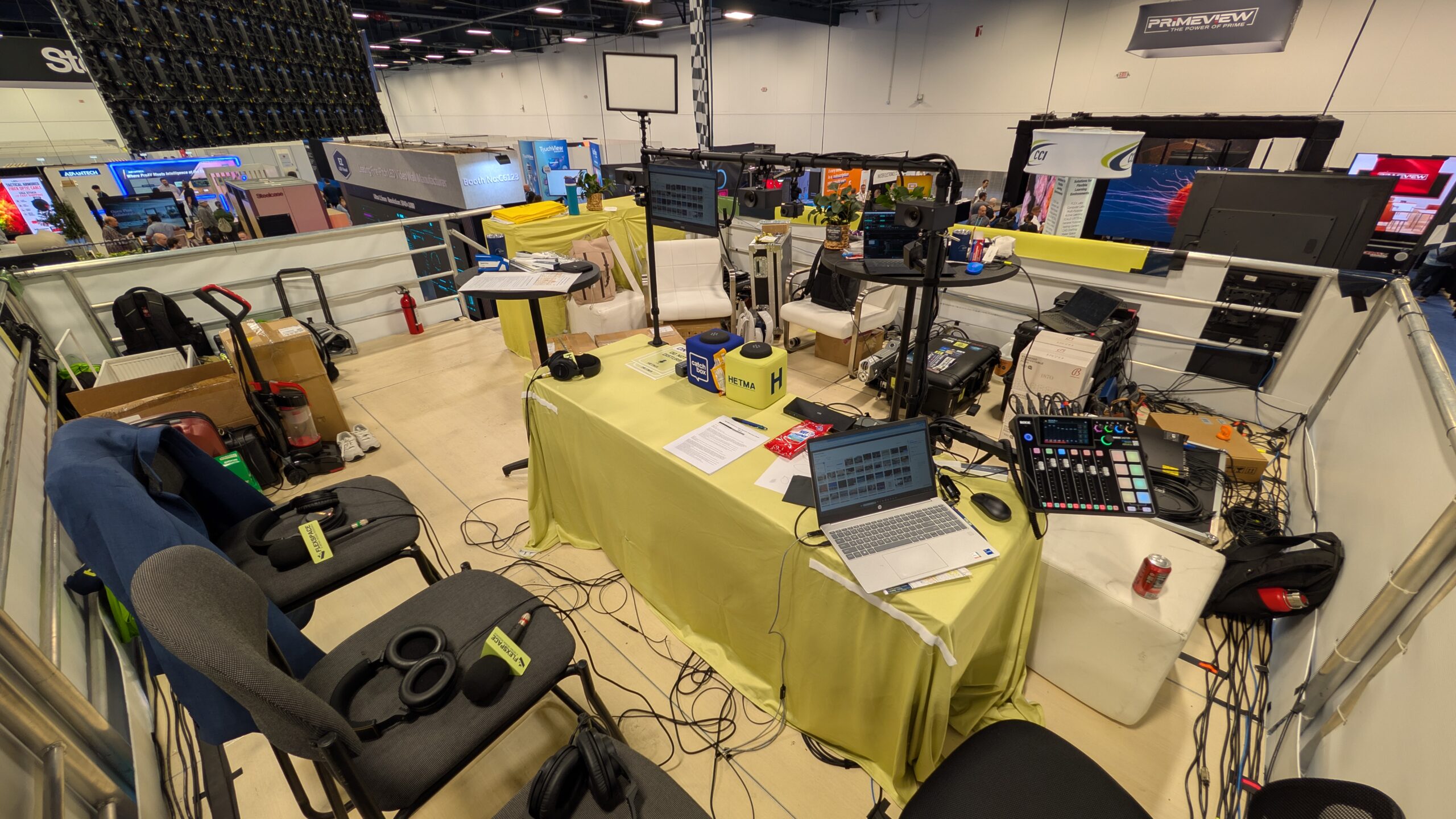
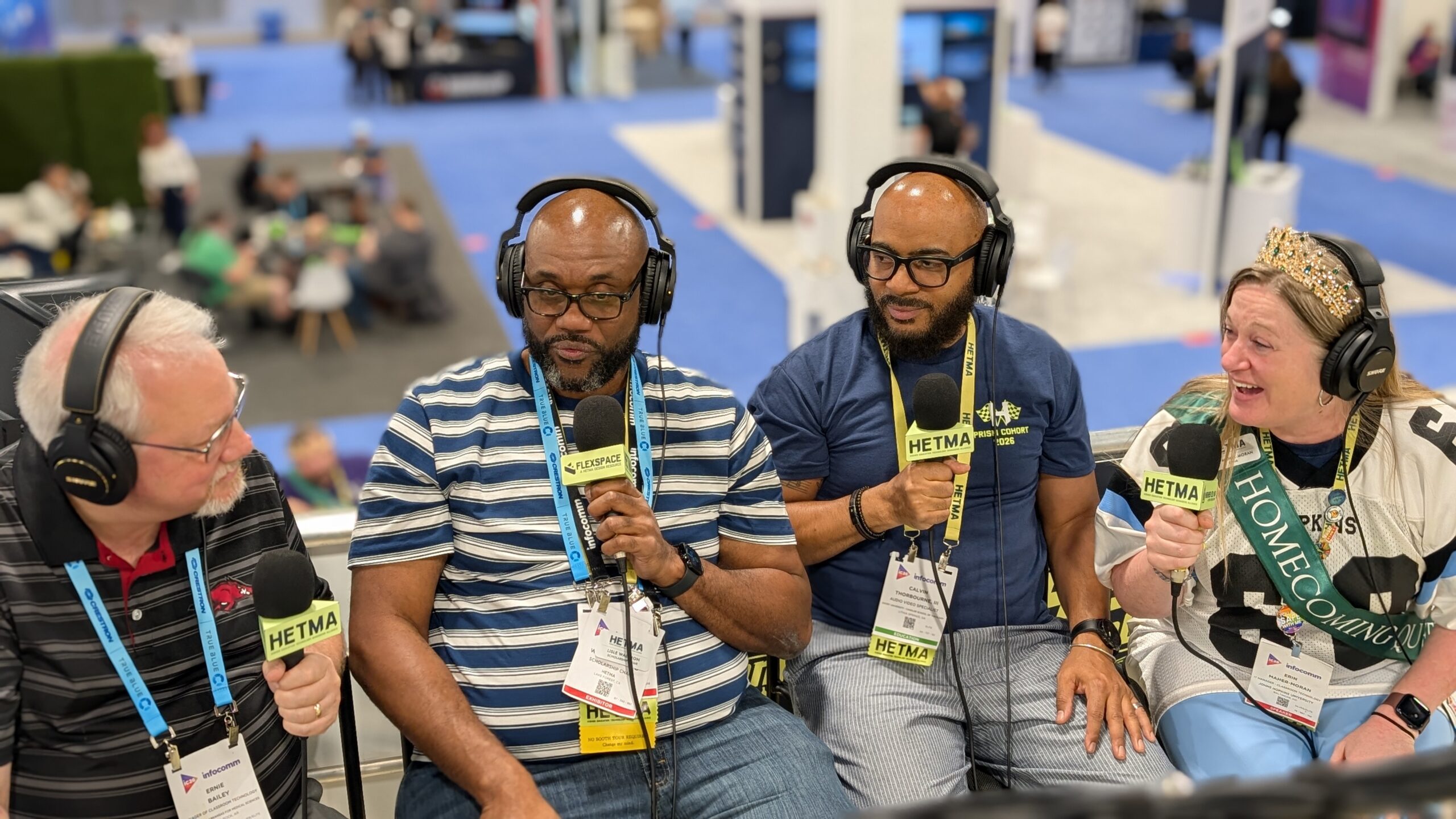
Upstairs, we set up the podcast booth, which is where I spend most of my time during InfoComm and ISE. I typically take on the producer role, prepping interviews, managing recordings in StreamYard, and getting everything organized for distribution across YouTube, Spreaker, and written content.
We tried a new setup this year with multiple cameras, a new mixer, and a different table layout. Some of it worked. Some of it didn’t.
The table situation changed quickly once we realized it wasn’t stable enough for what we needed. After a few recordings, we also noticed the camera was struggling to maintain focus and framing. We shifted to a single camera setup with more control. The mixer introduced some audio level issues, which meant troubleshooting on the fly and even re-recording a few sessions.
That’s kind of the reality of trying new things in a live environment. You learn fast or you fall behind.
One of the more interesting moments for me was working on a recording that wasn’t intended for Higher Ed AV Media. We had the Carrolls join us for an episode of Coffee with the Carrolls. It was a great reminder that the booth isn’t just about our content. It’s a space for connection and collaboration.
Education Summit
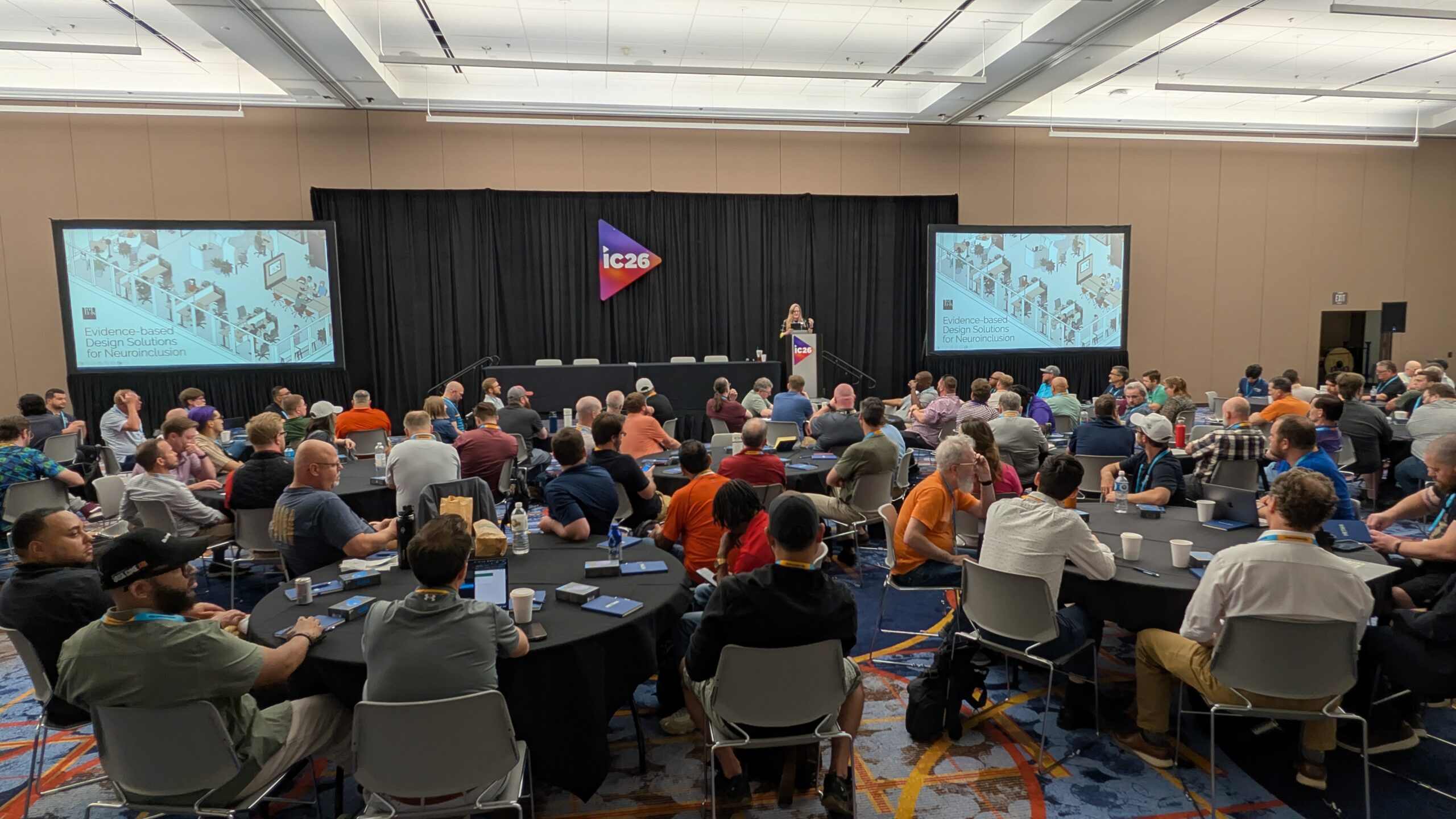
Before the show floor opens, the Education Summit sets the tone.
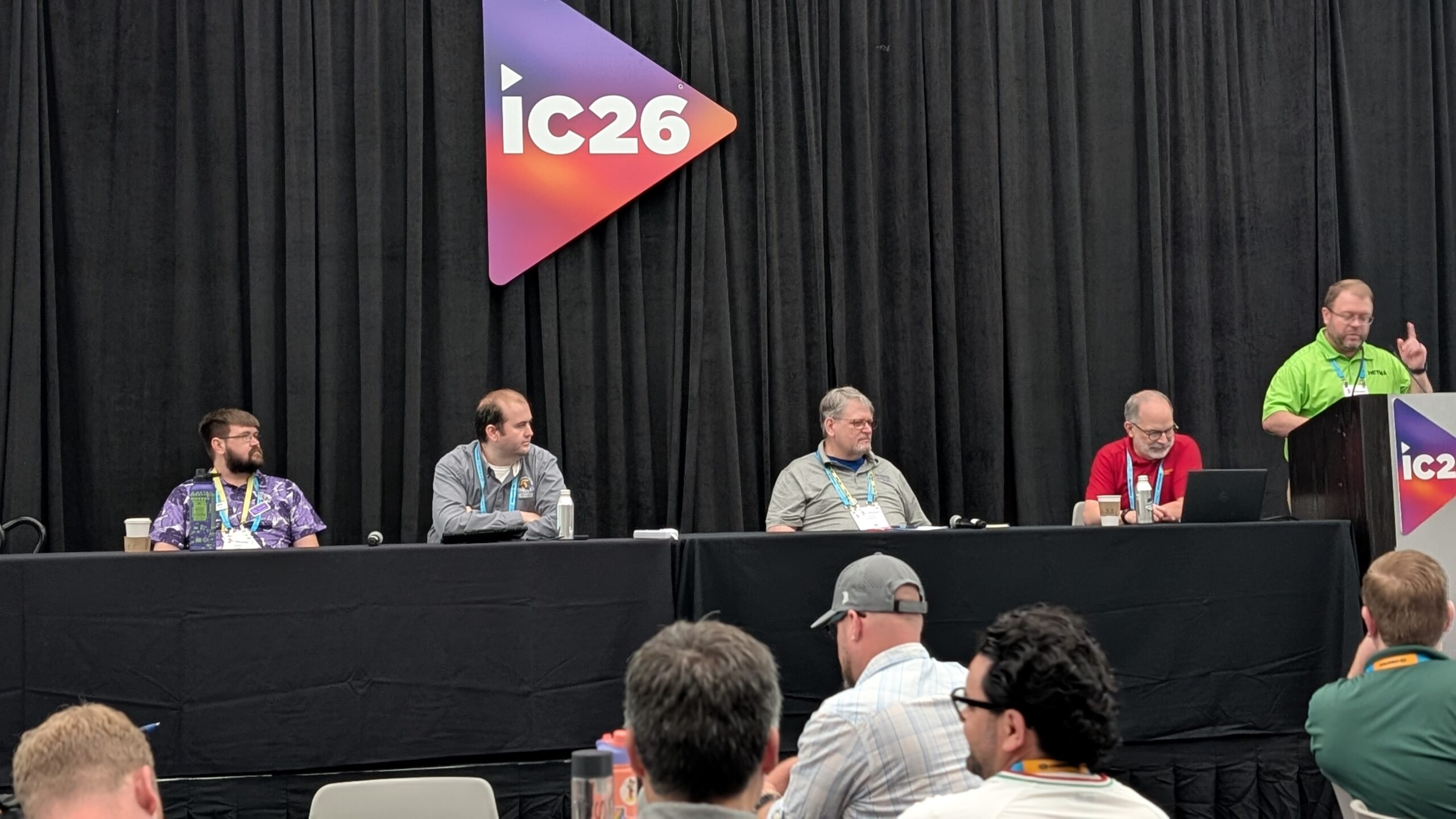
This year focused on inclusivity, standards, and the talent gap. Each topic had a mix of keynotes, breakouts, and panels, and the conversation really carried throughout the event. These aren’t just surface-level discussions. People come ready to share, question, and push each other a bit.
It’s always one of the more meaningful parts of the week and a reminder of why this community works. While we don’t have exact numbers, we know the summit exceeded 200 participants this year.
Curious about the content at the Ed Summit?
Day 1 Recap – Day 2 Morning Recap – Day 2 Afternoon Recap
Higher Ed AV Awards
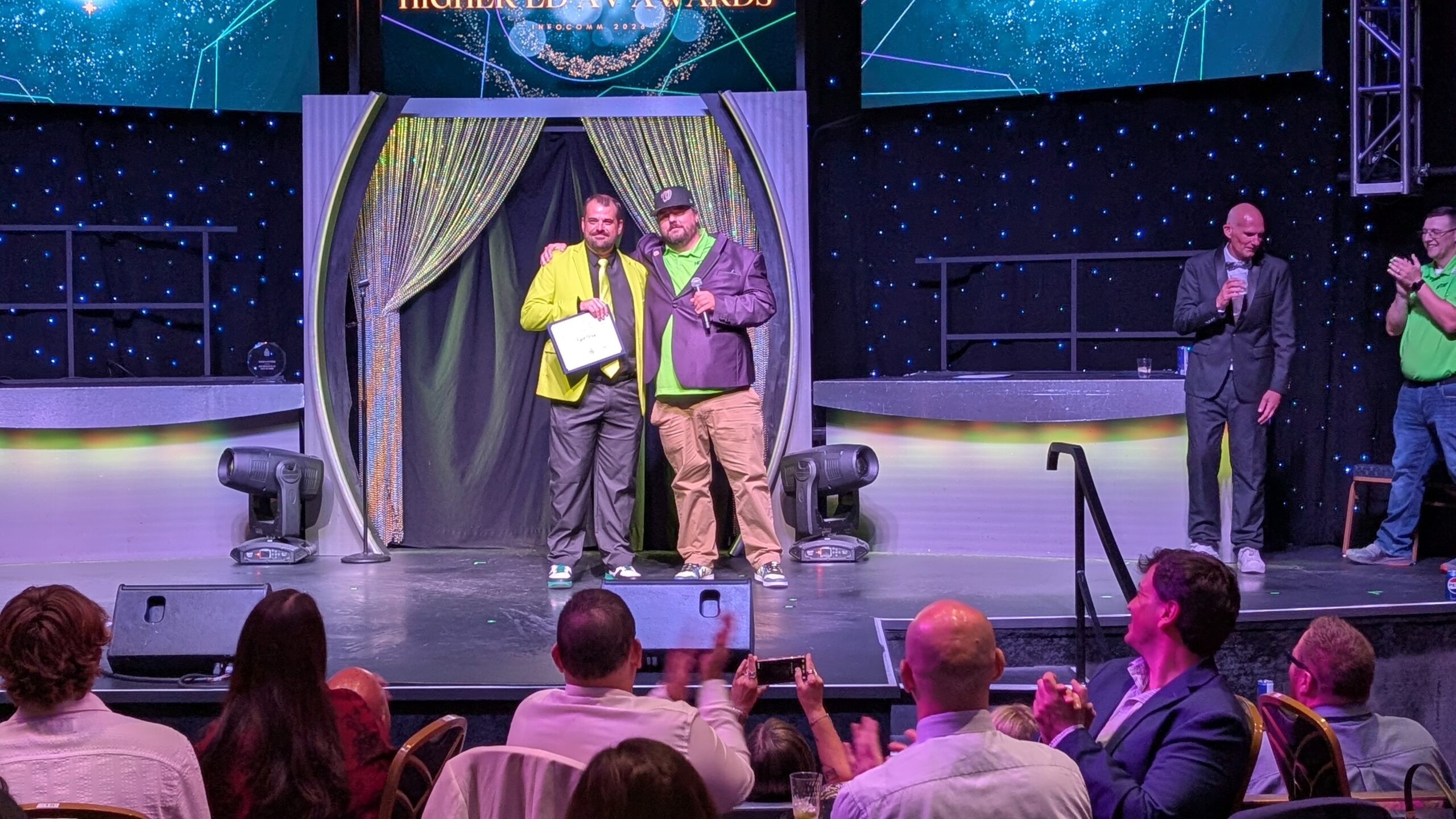
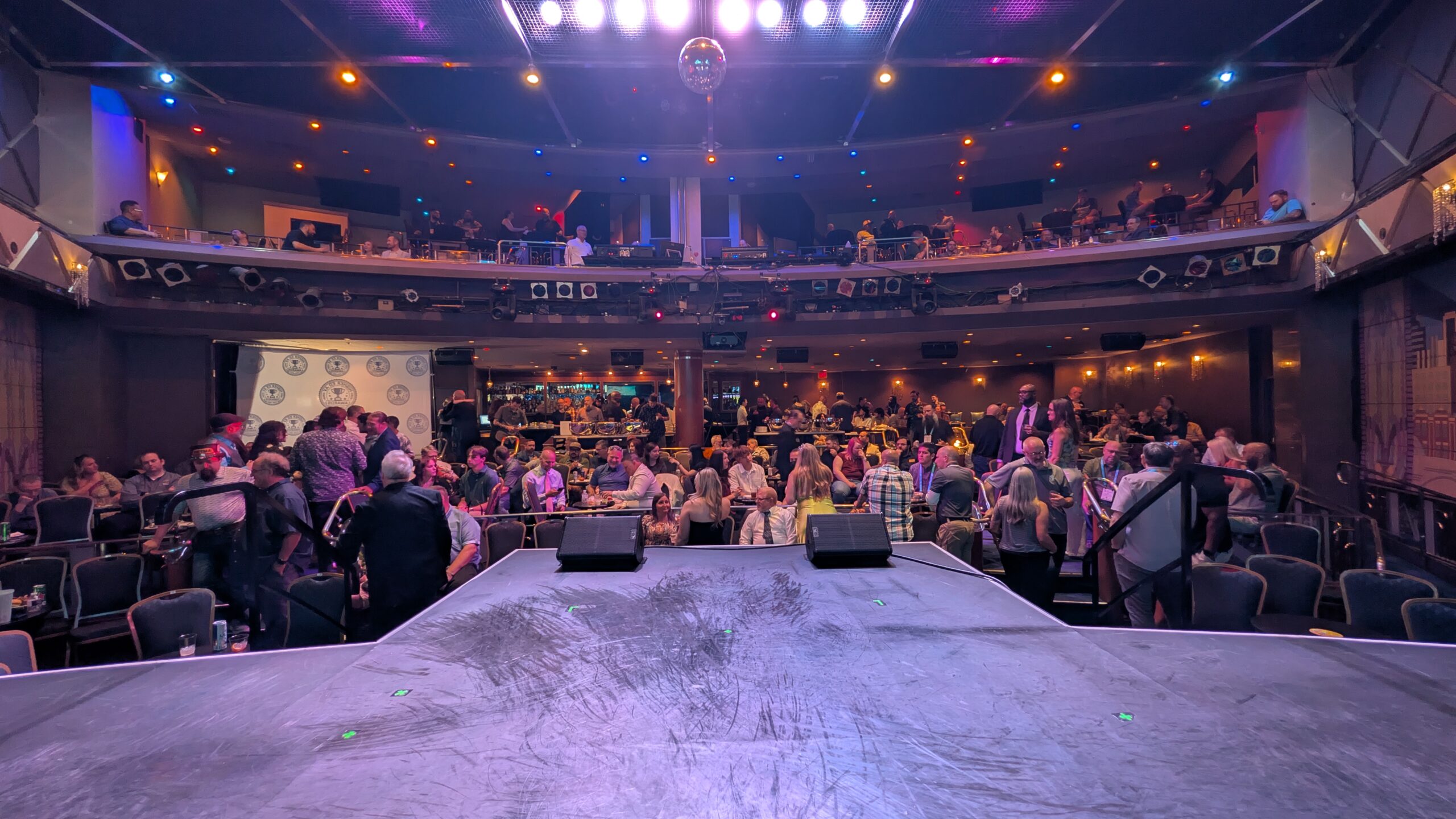
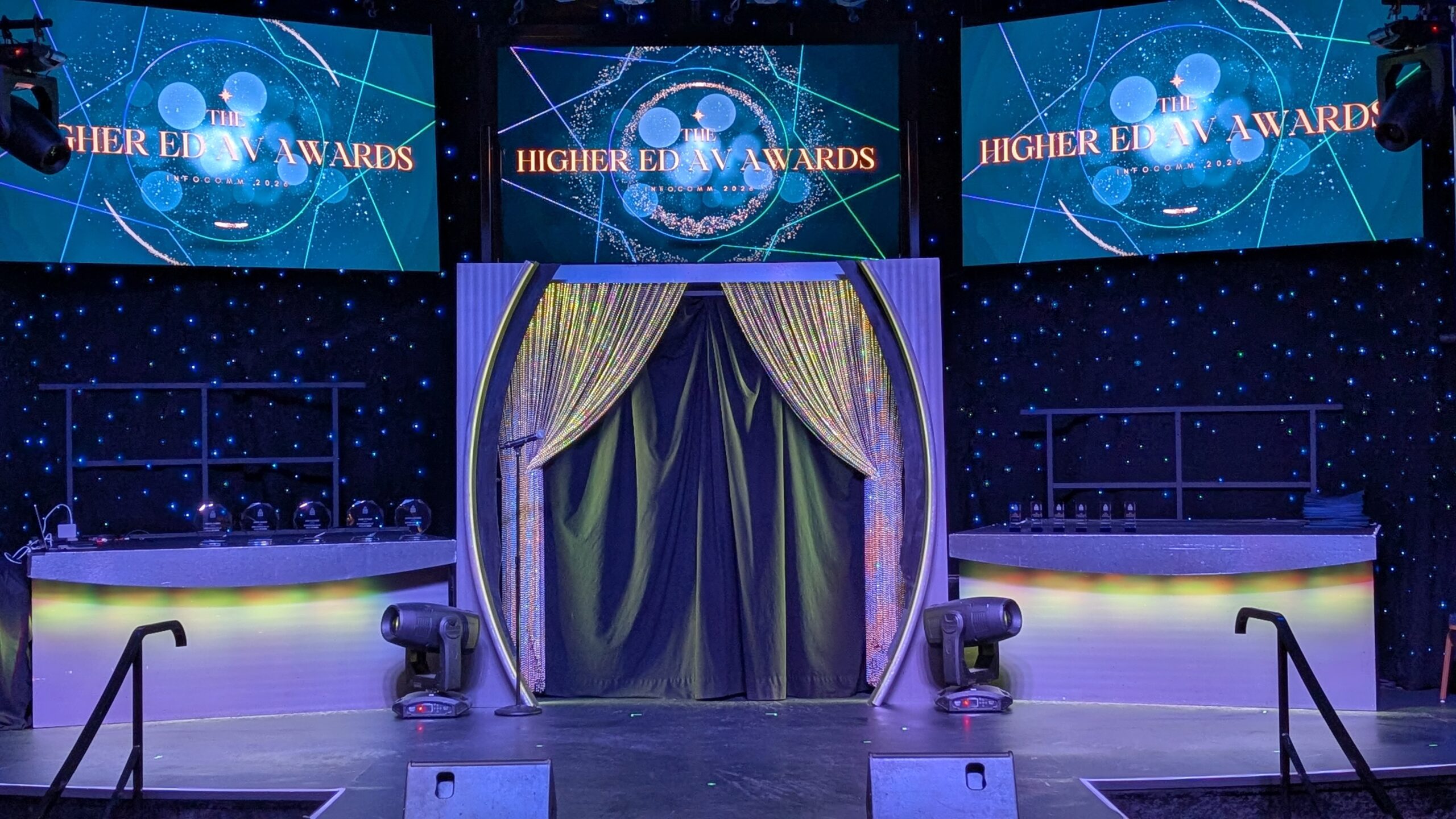
The Higher Ed AV Awards took place on June 15 and had a great turnout. The Cabaret Theater at the Westgate filled its 250-person capacity, which is always good to see.
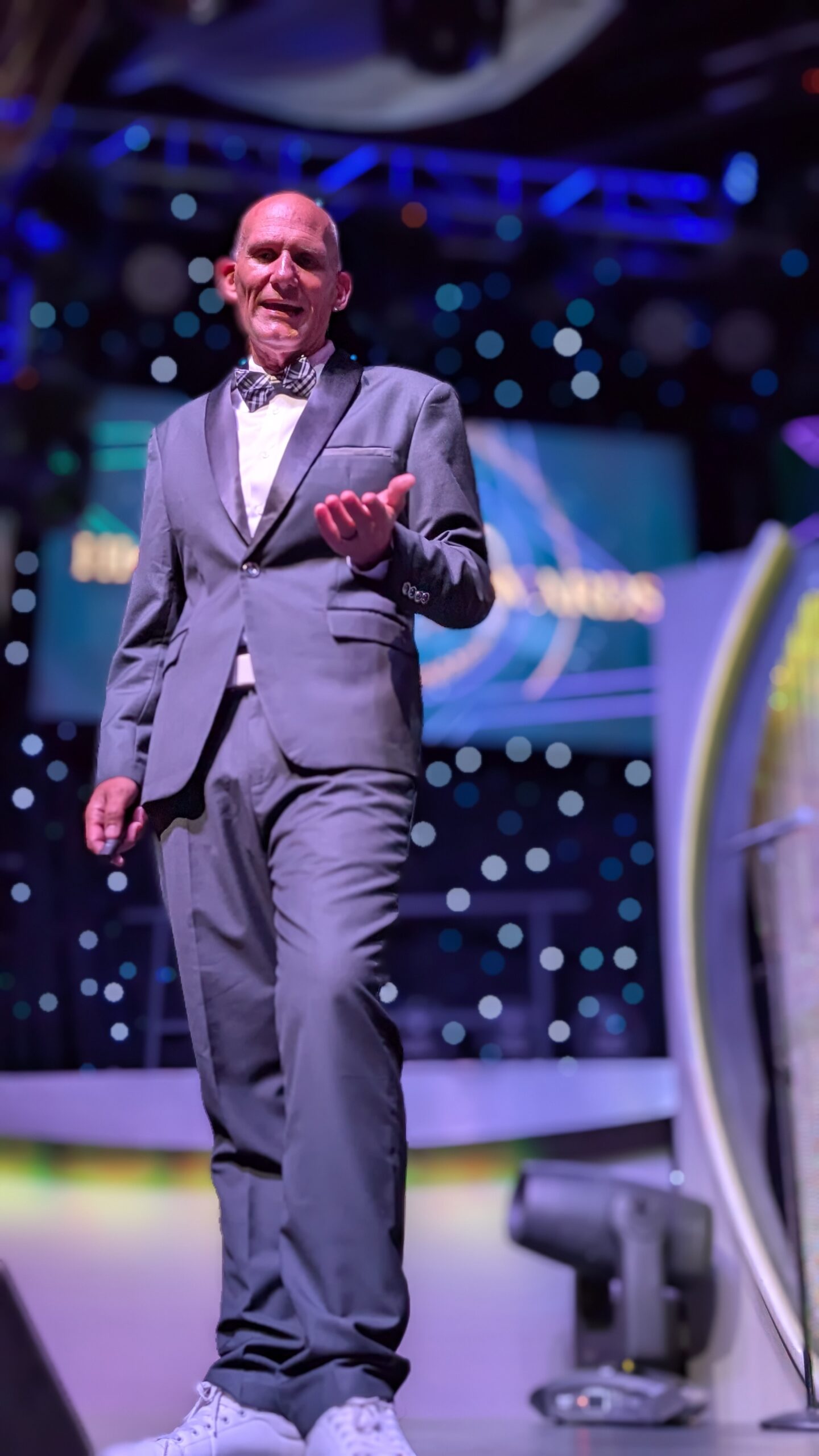
Tim Van Woeart wasn’t able to attend this year, so Joe Way carried the MC role solo, which is no small task. The night still landed exactly where it needed to. We celebrated projects, people, and contributions across higher ed AV, and it felt like a genuine moment of recognition for the community.
Make sure you check out my recap of the awards here: HEAV Awards.
Show Floor Energy and Daily Operations
Once the show floor is open, everything blends together in a good way. We’re running interviews, connecting with members and sponsors, managing booth traffic, and just trying to keep everything moving.
We also made a few changes this year that had a noticeable impact.
One was offering beverages throughout the day, along with some pastries in the morning. It sounds simple, but it made the booth more of a destination. People came by to reset, grab caffeine, and have a conversation. From where I was sitting upstairs, it was a lifesaver.
We also had additional space across the hall that gave people a chance to step away for quieter conversations. That combination made it easier for meaningful connections to happen instead of just quick check-ins.
Neighbors matter too. We were near familiar friends like ScreenBeam, Igloo Vision, and Computer Comforts among others. Some companies actively try to be near the HETMA booth because they know it draws people. That says a lot about the community we’ve built.
After Hours and New Experiments
After hours are part of the InfoComm experience, whether you plan for it or not.
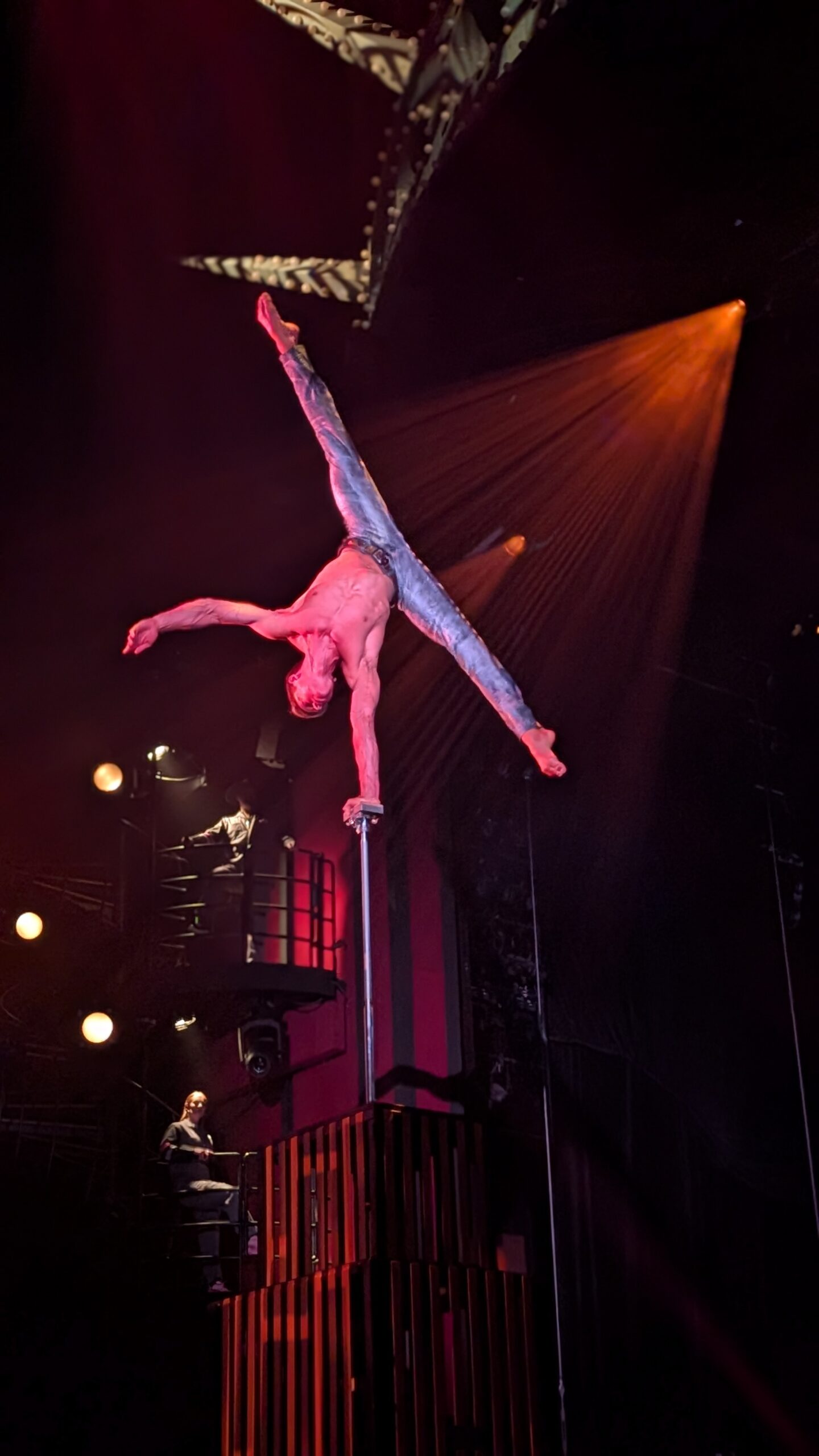
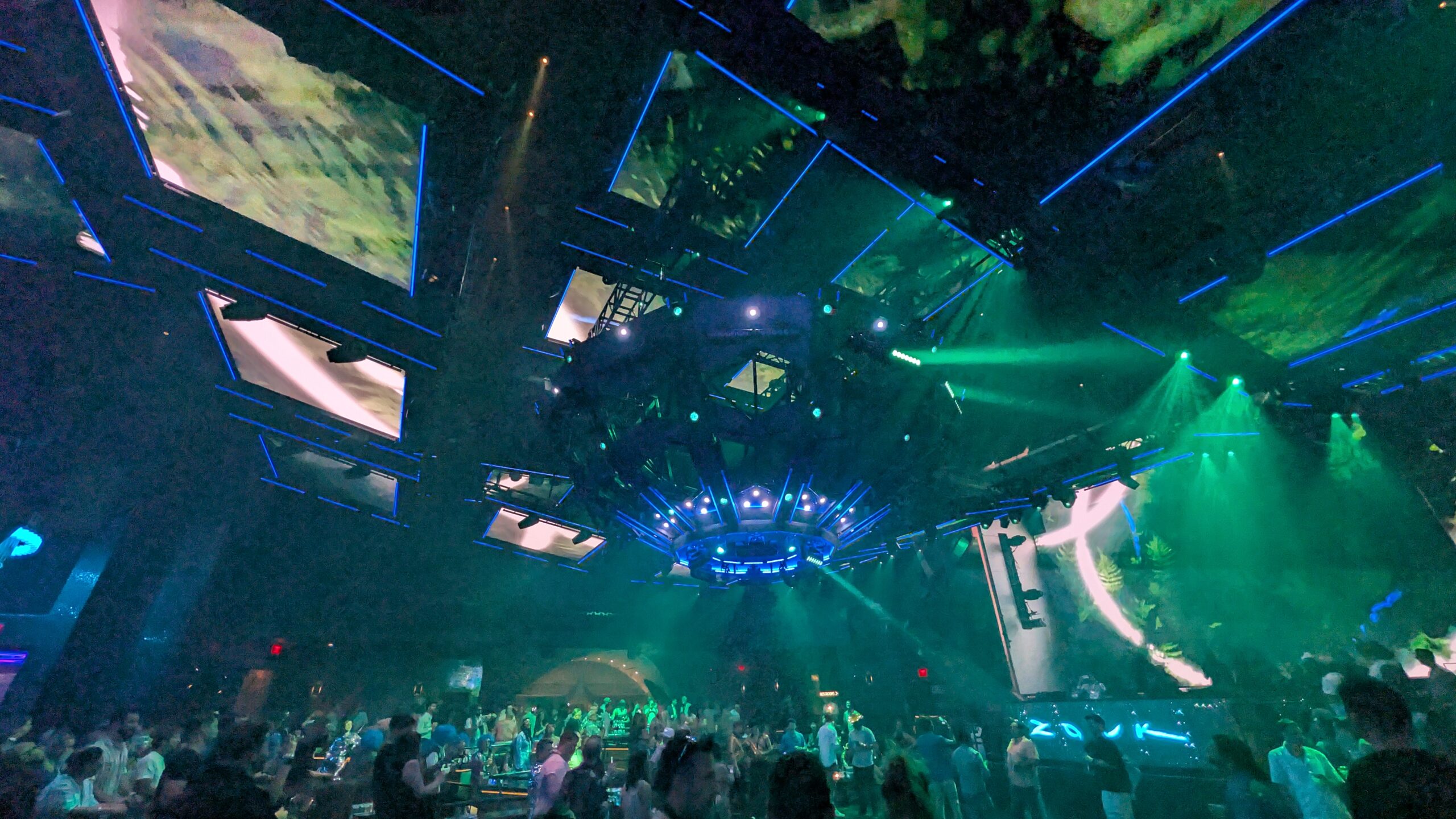
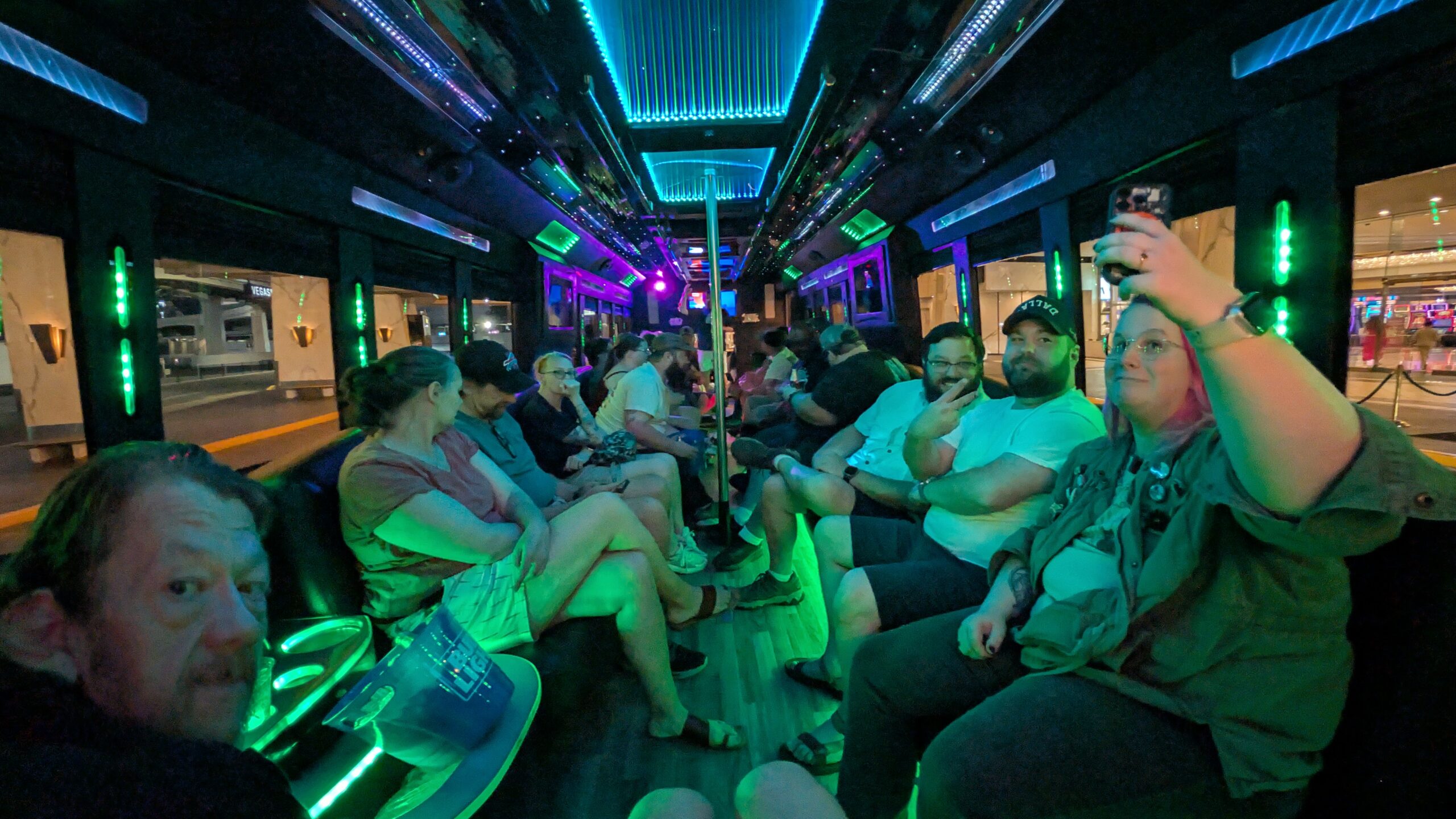
There are always more events than anyone could realistically attend each night. This year I made it to a handful, including the Peerless disco party, Epson’s Cirque Mad Apple event, and a dinner with Q-SYS. I still missed quite a bit, especially with all the sponsor deliverables we were working through for Higher Ed AV Media.
One thing I noticed this year is that more events felt targeted rather than open. I heard about quite a few things I didn’t even know were happening until after the fact. I get why it happens, but it does make it harder to connect across the broader group.
We also tried something new ourselves with a Qualified-Buyers After-Hours Reception on the show floor. The idea was to create intentional connections between higher ed folks with large upcoming projects and the sponsors who could support them.
It was a first run, so there’s room to improve, but the concept worked. We had 90 attendees, heard a lot of positive feedback, and will certainly look to bring the event back. It created focused conversations that are usually hard to have during the chaos of the show.
Following the Qualified-Buyers After-Hours Reception, we did a partial booth flip overnight, changing themes from Road to 10K to Homecoming. It’s one of those things that sounds small until you realize what it takes to actually pull off. There aren’t any other booths doing that kind of transformation mid-show.
The Bigger Picture
According to AVIXA, InfoComm 2026 had 28,132 verified attendees from 94 countries, with total registration reaching 35,707. There were over 300 education sessions and 807 exhibitors spread across 395,500 net square feet. But for me, it always comes back to what happens inside the HETMA space.
This year the booth saw 3,333 badge scans, and everything we did was supported by nearly 30 sponsors. Just as importantly, everything you see at the booth, from the build to the events to the content, is run by volunteers. The people making this happen aren’t paid to be there. That support makes all of it possible, from the booth itself to the content and events around it.
If you’re interested in supporting HETMA’s efforts, there are multiple annual sponsorship options, and you can also register for individual events at our Sponsorship Information page.
Final Thoughts
In short, InfoComm 2026 was exactly what I’ve come to expect in the best way. Strong connections, a lot of learning, and plenty to bring back home and put into practice.
I know not everyone can attend, and that’s real. My hope is that writeups like this help close that gap a bit. Maybe it gives you a better sense of what’s happening, maybe it helps justify making the trip next year, or maybe it just helps you feel a little more connected to the community.
If you’re looking to get involved, start with the Events and Education meetings. Show up, listen, contribute where you can. Most of what HETMA offers is free, and every event brings something worthwhile.