Kramer at InfoComm 2026: Standardizing the Classroom, the Meeting Room, and the AV Layer Between Them
Kramer comes to InfoComm 2026 with a clear higher-ed message: modern AV spaces need to be easier to deploy, easier to repeat, and easier to support after the install.
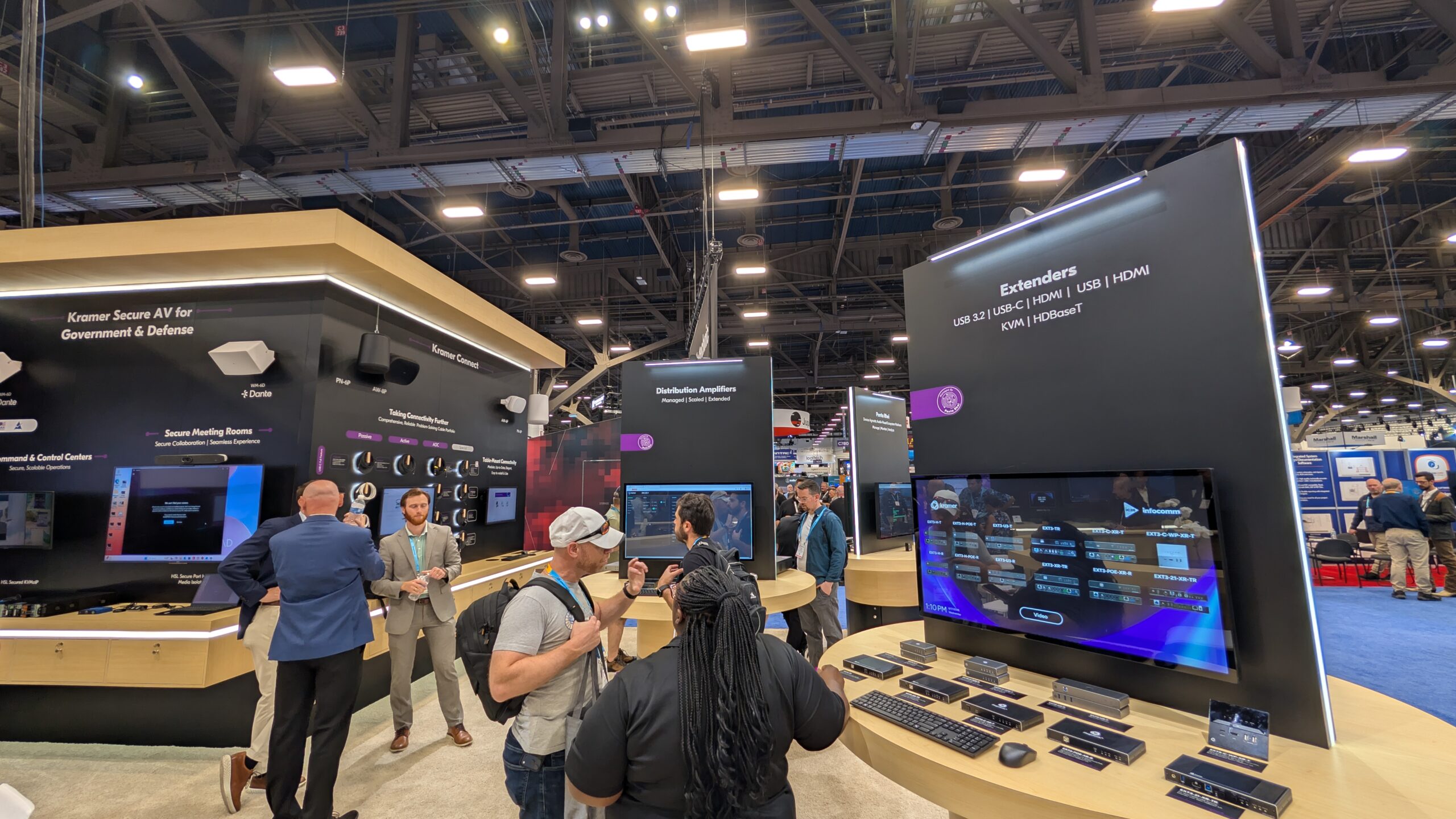
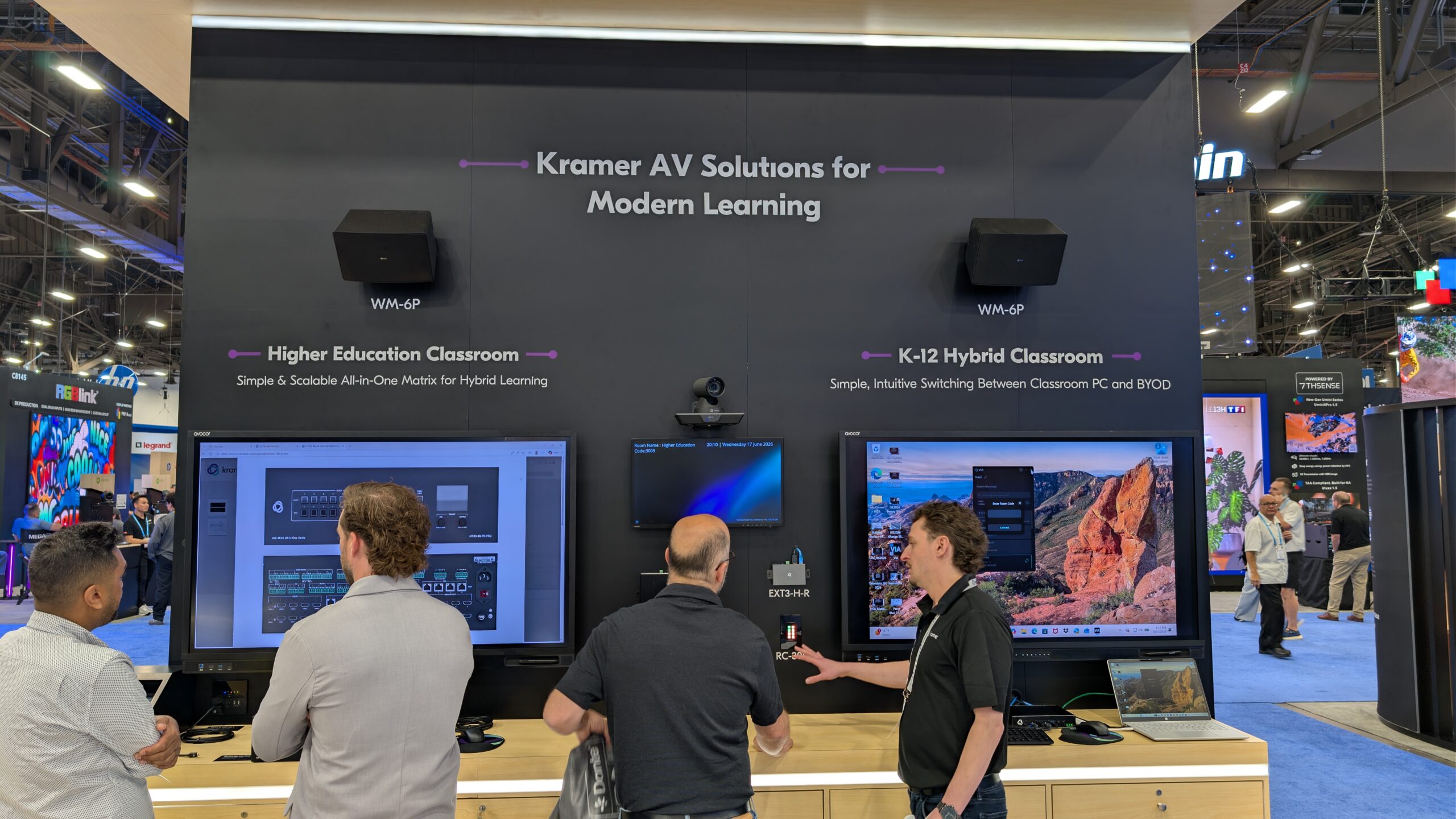
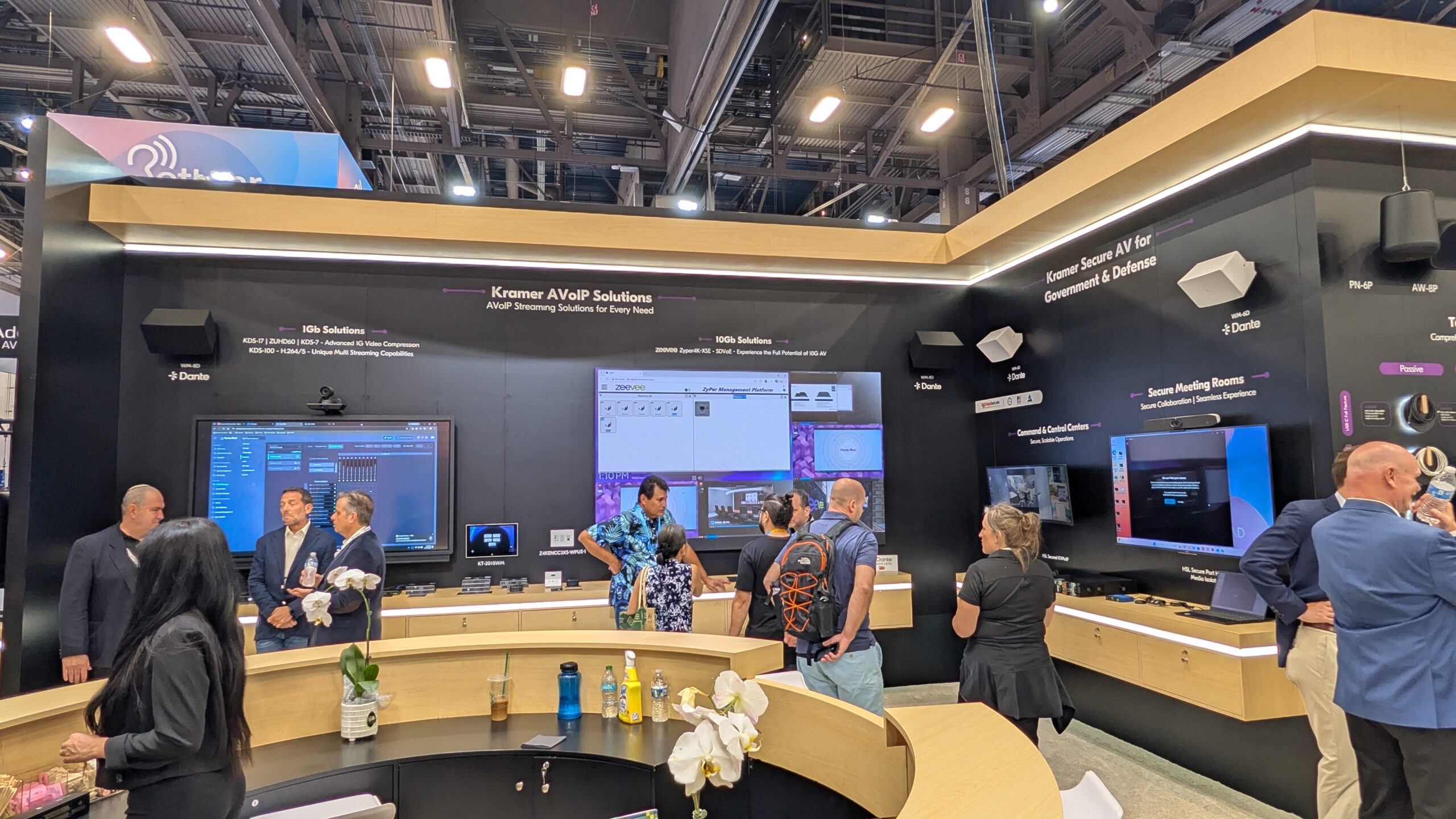
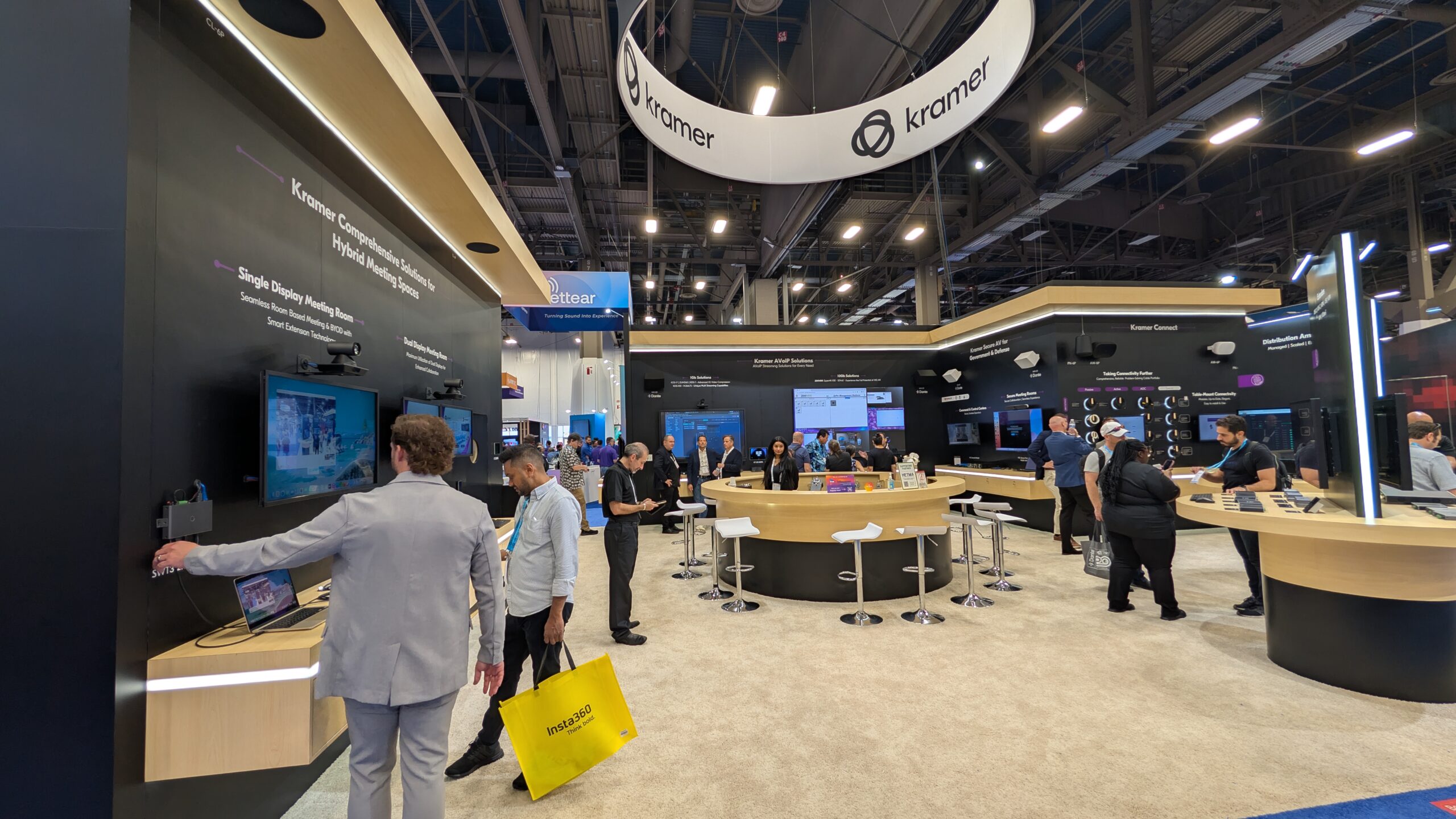
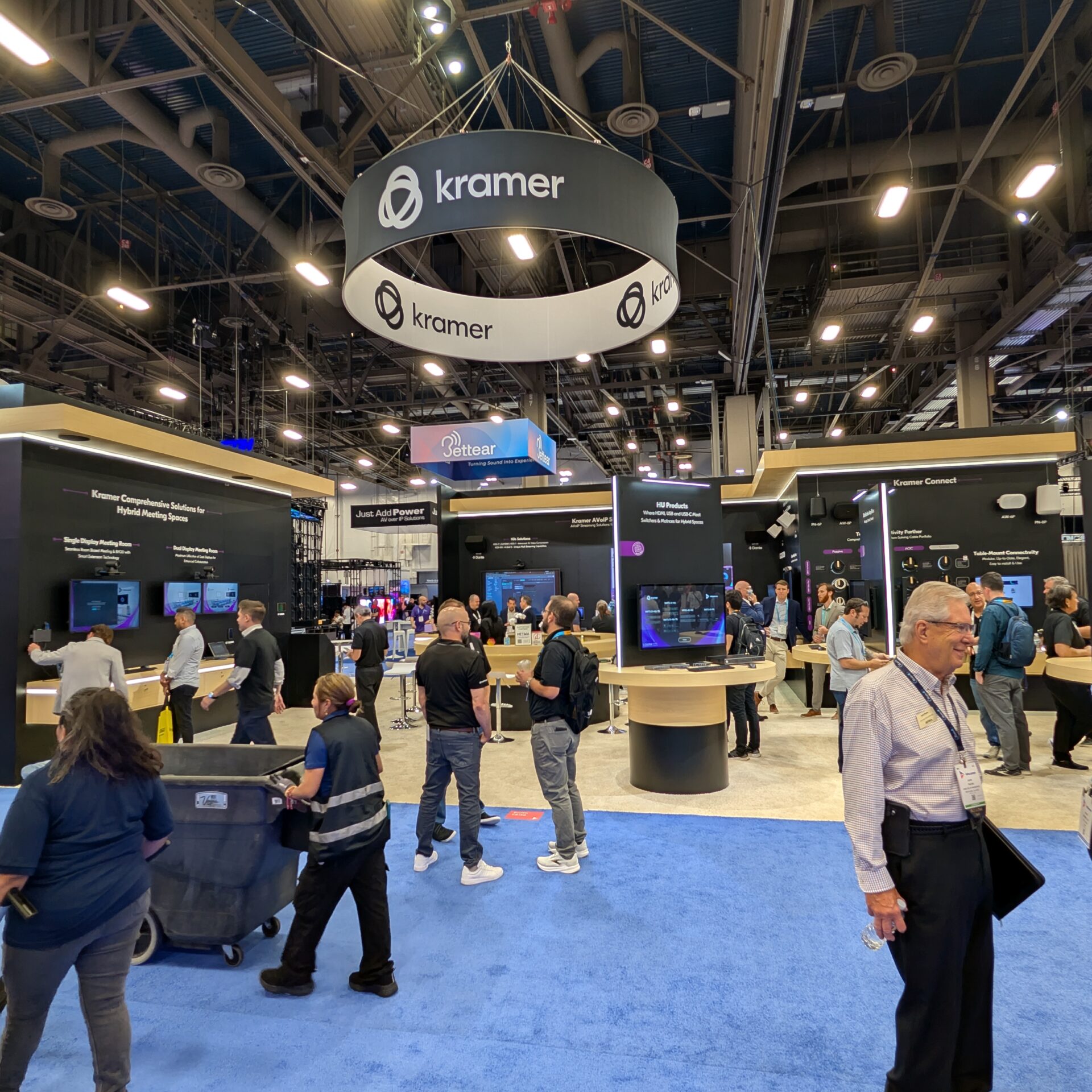
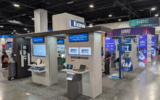
At Booth C8159, Kramer is showing a range of solutions that speak directly to that need, including the new KDS-17 Lite low-cost 4K60 4:4:4 AVoIP transceiver, AV-Studio for IP video streaming and multiview workflows, the expanded PR PRO all-in-one matrix switcher family with a new 4×4 model, USB-C presentation switchers, Dante speaker solutions, and USB-C infrastructure. Kramer is also highlighting Panta Rhei AV cloud management services and Ashton Bentley meeting room solutions.
The useful higher-ed angle is not just the product count. It is the way those products fit together.
Campuses are still supporting classrooms with presentation switching, audio, wireless presentation, control, and USB-C connectivity. At the same time, more spaces are moving toward AV-over-IP, centralized management, software-based video workflows, and repeatable meeting room packages. Kramer’s InfoComm story sits in that middle ground, where legacy room expectations and newer platform needs overlap.
The KDS-17 Lite is aimed at cost-sensitive 4K AV distribution applications, giving campuses a lower-cost path into 4K60 4:4:4 AVoIP without adding unnecessary complexity. For higher ed AV/IT teams, that matters because AVoIP cannot only work in flagship rooms. It has to make sense in the broader campus standard, where budgets, switch infrastructure, support models, and room counts all matter.
AV-Studio adds another layer to the conversation. Kramer is positioning it as a software platform for ingesting, routing, streaming, recording, and multiviewing IP video workflows. That matters for campuses where AV spaces increasingly need to support more than local presentation. Lecture capture, remote viewing, overflow rooms, event support, production-adjacent workflows, and campus communications all create pressure for more flexible video routing and monitoring.
The expanded PR PRO family, including the new 4×4 model, points in a slightly different but equally important direction: all-in-one switching for spaces that need capability without turning every room into a custom engineering project. In higher ed, repeatability matters. A room standard that is easier to quote, install, document, and support is often more valuable than a one-off design that only works well in one space.
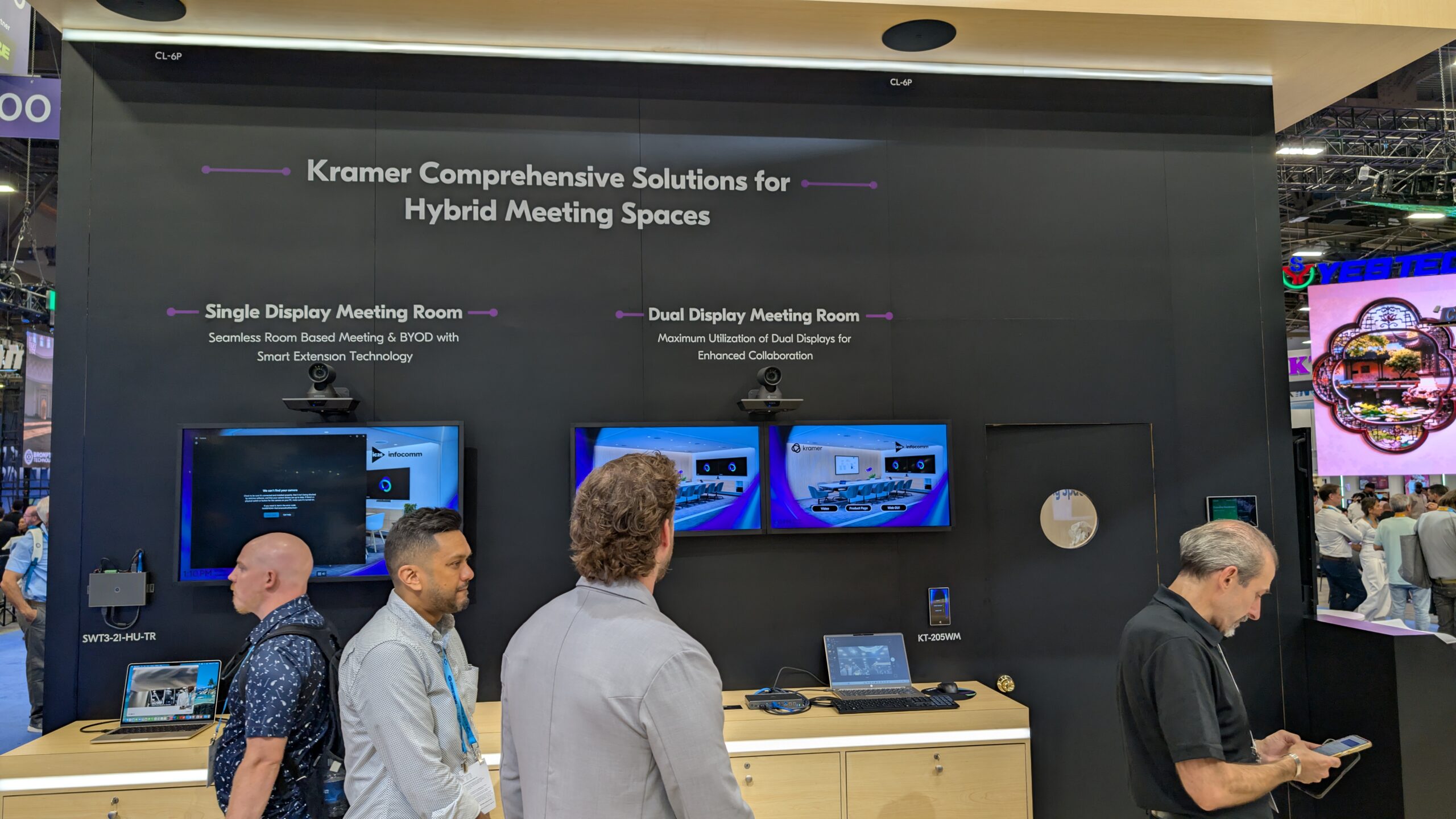
Kramer is also emphasizing USB-C infrastructure, Dante speaker solutions, wireless presentation, control, and meeting room packages that combine furniture and technology. That last piece is worth noting. Standardization is not only about what is in the rack. It is also about how the room is physically arranged, how users connect, where devices live, how support teams access them, and whether the experience feels consistent from room to room.
The broader message is that Kramer is not presenting itself as only an AV switching brand. The company is positioning its InfoComm presence around a fuller ecosystem for classrooms and meeting spaces, including switching, AVoIP, audio, USB-C collaboration, cloud management, and integrated meeting room environments.
For campus AV/IT teams, the takeaway is simple: Kramer wants to make standardizing AV spaces more practical. That includes the small teaching room, the meeting space, the collaboration room, and the AV-over-IP environment that needs to scale beyond the first install.
Make sure to check out Kramer at Booth C8159 at InfoComm 2026, or visit kramerav.com to learn more.