Standards That Scale: Inside the Higher Education Summit at InfoComm 2026 Day 2 Mornign Sessions
Day 2’s morning sessions of the Higher Education Summit at InfoComm 2026 centered on a theme that sits underneath nearly every campus AV conversation: standards. Not static documents, and not a way to make every room identical, but a working foundation that lets campus teams support learning spaces at scale.
The day opened with David Lopez of ScreenBeam, a HETMA Diamond Sponsor at booth 6109, bringing the standards discussion back to participation. HETMA is people first, and Lopez pointed to active learning as something that should not be limited to a special room type. Participation should be a baseline, not a privilege. ScreenBeam’s app-free sharing and instructor moderation model fits that classroom need.
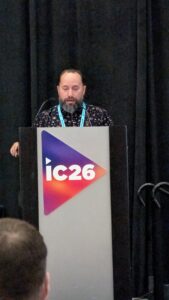
Jim Spencer’s keynote, The Invisible Foundation: Why Standards are the Key to Scalable Campus AV. Spencer began with a telling room check. When he asked who had a written campus standard, only a few hands went up. Higher ed AV teams carry deep institutional knowledge, but that knowledge does not always become a shared standard, a common language, or a tool that survives beyond the people who built it.
Spencer connected AV standards to the broader built environment. Building code defines the minimum. Electrical code gives creative work guardrails so systems do not burn the building down. AV standards serve a similar function, but they also carry the responsibility of experience. The room has to support teaching, learning, participation, visibility, audibility, and supportability. AV teams often have to translate between those expectations and the language of other trades.
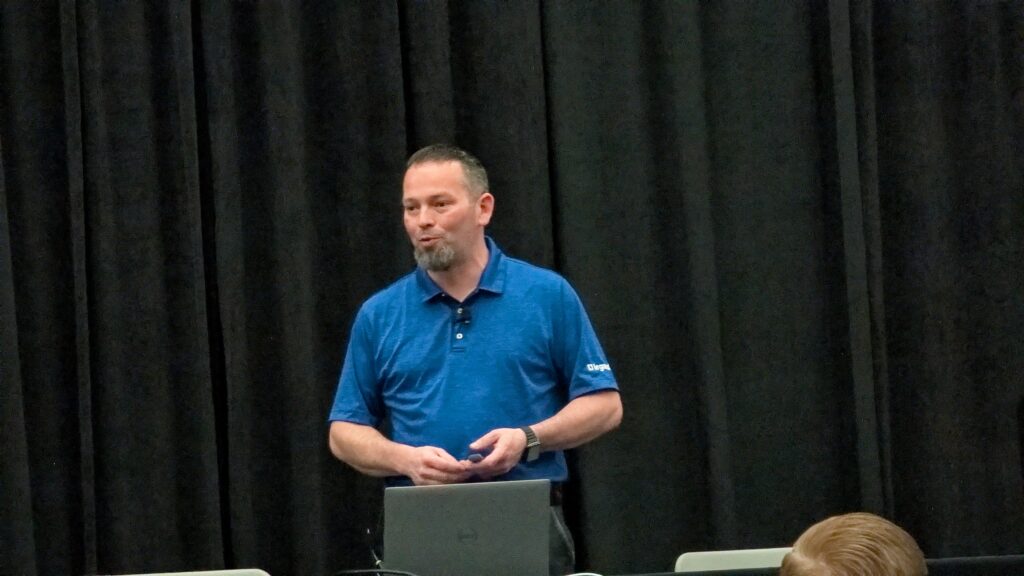
That translation became a recurring thread. Spencer pushed attendees to meet partners in the middle and make the standard fit the room. He also pointed to tools such as LSRS as a way to avoid recreating the wheel. The strongest standards are adapted to the campus, the room type, the support model, and the people using the space.
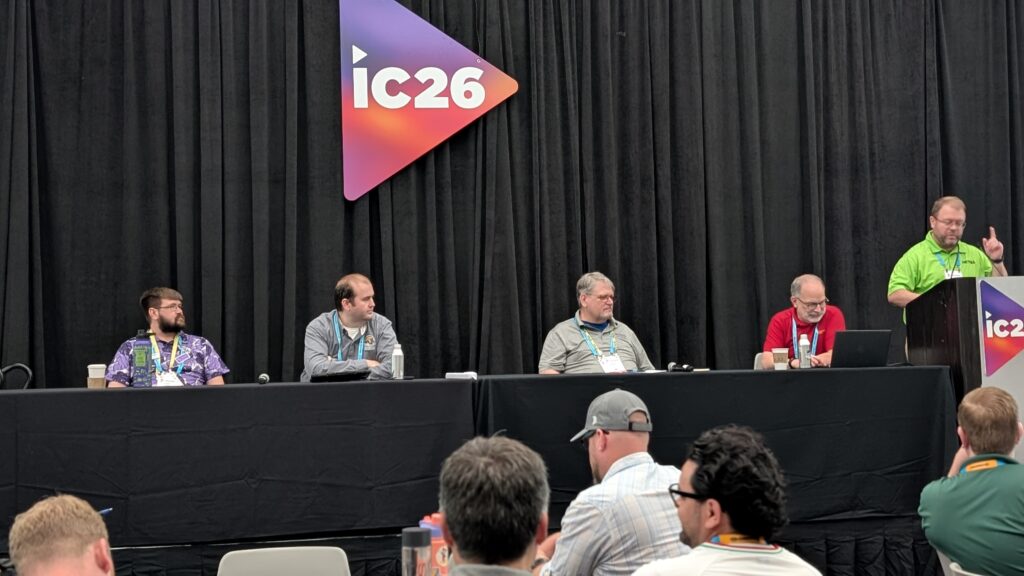
The lightning panel, From Concept to Consistency: The Standards Lifecycle Gallery, moderated by Jon Youse, took that foundation into campus operations. The panel followed the lifecycle of a standard, from initial buy-in to maintenance, monitoring, deployment, and the open questions that come when real rooms meet real constraints.
Mike Pedersen’s session, Building the Foundation: The Birth of a Standard, focused on moving from fragmented systems to a unified campus approach. He framed the value of standards around consistency, confidence, communication, and cost. Standardization helps teams stop re-deciding the same things on every project. It gives technicians, designers, faculty, facilities teams, and leadership a common reference point.
Pedersen also emphasized the shift from individual preference to institutional baseline. When a standard exists, the AV team is not only presenting an opinion. It is pointing to an agreed way of working. At the same time, standards cannot be static. They need ownership, revision, and participation. It takes a village, and campuses do not have to start from scratch.
Michael Gunderson continued that thread in The Living Standard: Evolving in Real-Time. From the perspective of a one-person operation at Highland Community College, Gunderson showed how standards can stay structured without becoming rigid. His model moved from standard rooms to standard plus basic HyFlex, standard plus basic HyFlex Plus, and custom spaces. Not every space needs the same solution, but every variation should have a reason.
Kyle Bell’s Proactive Pulse: Standardizing Real-Time Remote Monitoring brought the support layer into focus. At St. Petersburg College, Bell described an environment that had to be brought under control across 550 classrooms, 125 conference rooms, and 12 large venue spaces. The goal was a more self-healing environment, with classroom-in-a-box thinking, remote support, central monitoring, and tickets that could generate with useful room information.
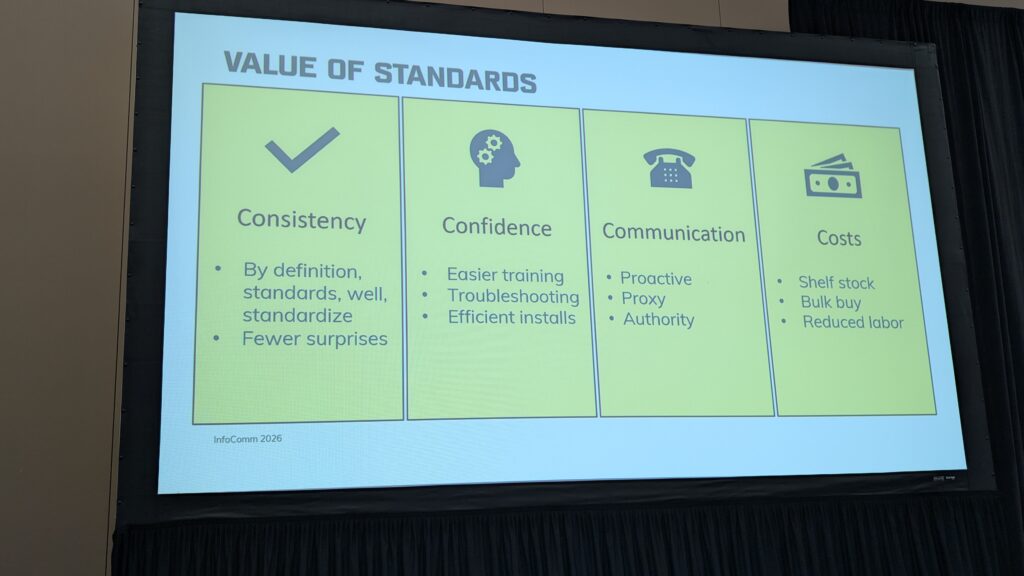
That is where standards become more than design documents. Limiting SKUs helps with spares. A common room model helps technicians troubleshoot. Monitoring data gives teams a way to see issues before they become classroom failures. For higher ed teams supporting large footprints with limited staff, standardization becomes part of the support strategy.
Aaron Baker’s Deploying at Scale: The 2026 Refresh looked at the pressure of summer deployment. When a campus has to refresh dozens of classrooms in a narrow window, the old build-on-site model can become a bottleneck. Baker focused on modular, pre-configured, full-package AV systems that can be deployed quickly and commissioned consistently. His notes also returned to relationship building. Standardization depends on trust with the people who fund, use, design, and maintain the spaces.
The Standardization Sandbox Q&A gave the room space to stay with those realities. The questions around standards were not abstract. They were tied to buy-in, supportability, supply chains, room variation, and what happens when a standard meets the constraints of a live campus.
The breakout sessions widened the lens. Ernie Bailey’s The Great Leap: Navigating the Transition from Legacy to Modern Standards focused on the long migration from aging analog hardware to modern networked environments. His goals were teach, search, and serve. Standardization reduces the need to train instructors across a maze of different rooms. It helps faculty move between spaces with less friction and gives support teams a clearer path across multi-year rollout cycles.
Bailey’s practical gains were direct: reliable systems, faster refresh turnover, remote classroom support, simpler training, easier upgrades, more relaxed faculty, and a more efficient support team. The point was not technology for its own sake. Students and instructors should not have to worry about the room.
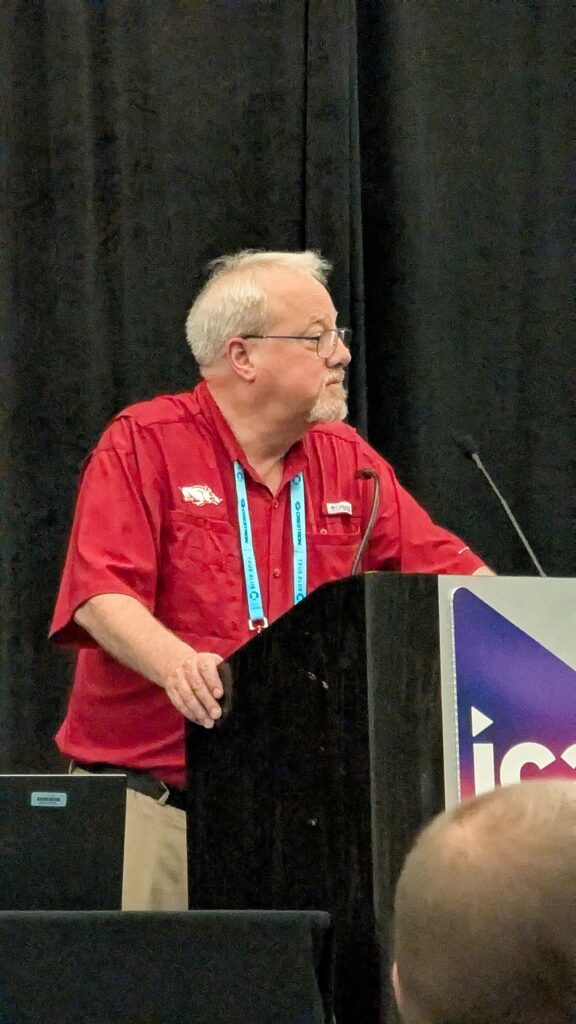
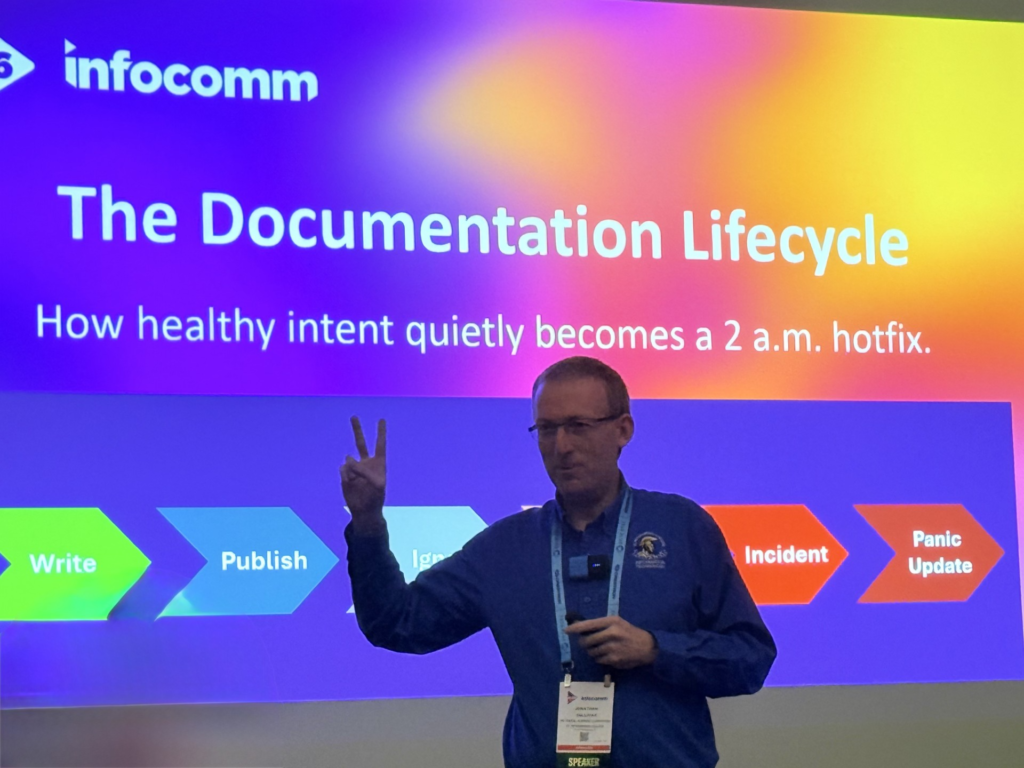
Jonathan Sullivan’s From Dusty Docs to Dynamic Playbooks: Making Standards That Stick addressed the documentation side of the same problem. Procedures often fail because knowledge lives in the wrong places: direct messages, memory, disconnected folders, or isolated ticket histories. Sullivan’s session pushed documentation toward governance and daily use.
The test for any standard or knowledge base article is whether it is findable, usable, trusted, and living. Good documentation has to serve the technician troubleshooting alone at 2 a.m. and the manager who needs a clear answer before a leadership meeting. SOPs need the why, who, when, steps, fallback path, and related resources. Without that context, the document may exist, but it will not reliably guide action.
Sullivan also highlighted practical ways to keep documentation alive: customer-facing and internal knowledge articles, ticketing systems that reveal process gaps, peer review, student involvement, and AI-assisted drafting where appropriate. The advice was manageable: start with one process, write one SOP, put it in front of the people who use it, and improve from there.
By the end of the morning, the summit’s message was clear. Standards are not about making campuses rigid. They are about making good experiences repeatable. They help AV teams reduce technical debt, scale support, plan refreshes, document what matters, and protect the student and instructor moments that happen inside the room.