

The University of Southern California operates an expansive IT team at an impressive scale. Serving approximately 50,000 students across its University Park and Health Sciences campuses, along with a faculty and staff population of roughly 30,000, USC’s instructional technology strategy is shaped by scale in a very real, operational sense. Decisions around room design, platforms, and support models are made with hundreds of daily classes and thousands of concurrent users in mind. The result is an environment that prioritizes standardization, predictability, and simplicity.
This work is led by the Central IT Learning Environments team under the direction of Raj Singh. Raj has been with USC since early 2020, a time when many things were changing in the world. Fortunately, he was familiar with USC before that through his work with the campus while at Extron. Raj was able to build much of his team, including hiring professionals from the AV industry. The result is a team blending strong longevity and individuals hand‑picked by Raj to help establish a high‑quality campus experience.
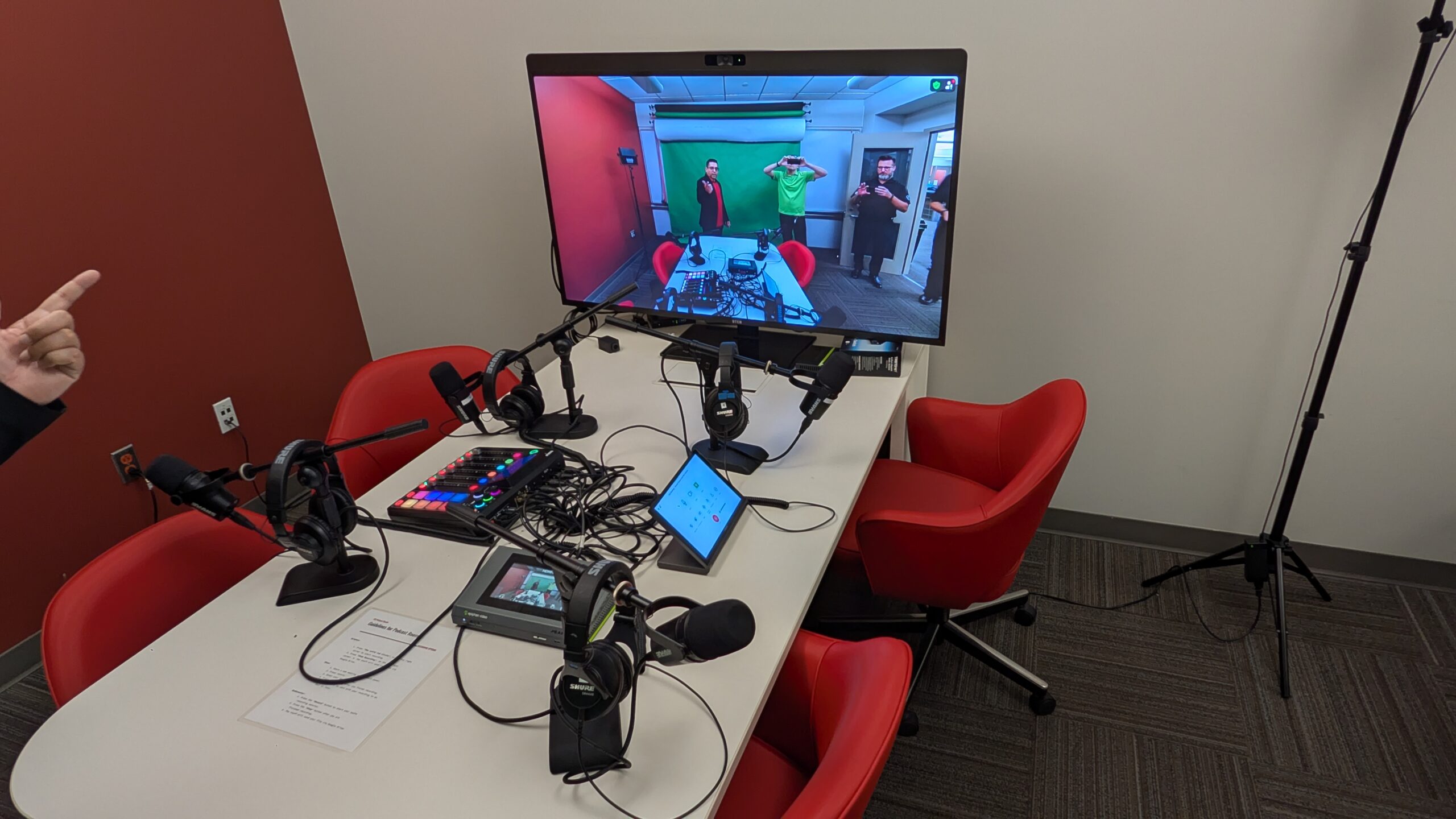
The group supports general use classrooms, teaching laboratories, conference rooms, podcast and media production spaces, device checkout services, and campus-wide digital signage using Korbyt. While individual schools and departments retain responsibility for certain specialized or locally managed spaces, the central team plays a critical role in establishing and maintaining shared standards. At an institution with more than two dozen schools, each with its own IT leadership and priorities, this balance between central ownership and distributed autonomy is both necessary and challenging.
A Centralized Model Built for Scale
USC’s Learning Environments team supports over 1,000 Zoom-enabled instructional spaces, placing it among the largest Zoom deployments in higher education. Every centrally supported classroom is capable of hosting live Zoom sessions and recording instruction. Recordings are retained in Zoom for one year, after which they are transferred to Panopto for long-term storage and access. Students view content through the Brightspace learning management system, creating a consistent experience across courses and modalities.
A key aspect of this model is faculty control. Instructors decide what is recorded, when recordings are shared, and how content is used in their courses. This self-service approach reduces the need for manual intervention by support staff and allows the Learning Environments team to focus on system reliability rather than day-to-day content management. At scale, this distinction matters. With hundreds of classes occurring simultaneously, minimizing friction and support dependencies is essential.
The team’s scope extends beyond traditional audiovisual systems. In centrally supported spaces, Learning Environments also oversees furniture, lighting systems, access control, and security cameras. This level of ownership allows the group to tightly align physical space design with technology standards and operational workflows.
The team supports events in their spaces until 5 PM, after which support becomes a shared responsibility between IT and the events team. External contractors are brought in for large‑scale events such as the Oscars and the Olympics. Several campus spaces will be used for the upcoming Olympics in Los Angeles, with the media hub located in USC Village.
Centralization also enables tighter control over procurement and vendor relationships. Technologies such as AV-over-IP are evaluated, approved, and deployed through a centralized process, helping ensure long-term supportability and reducing the risk of fragmented platforms across campus.
Standardization and Room Design Philosophy
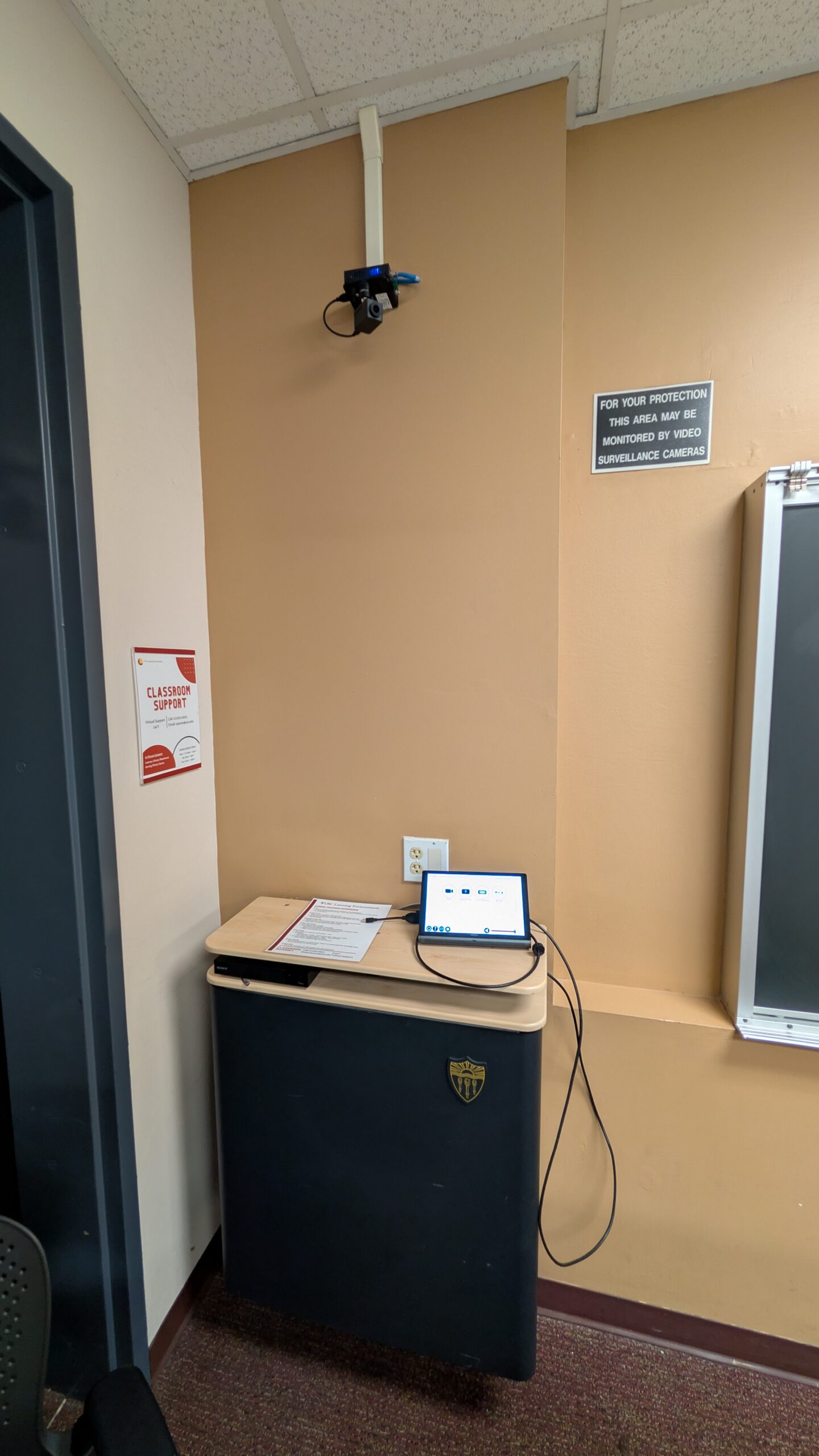
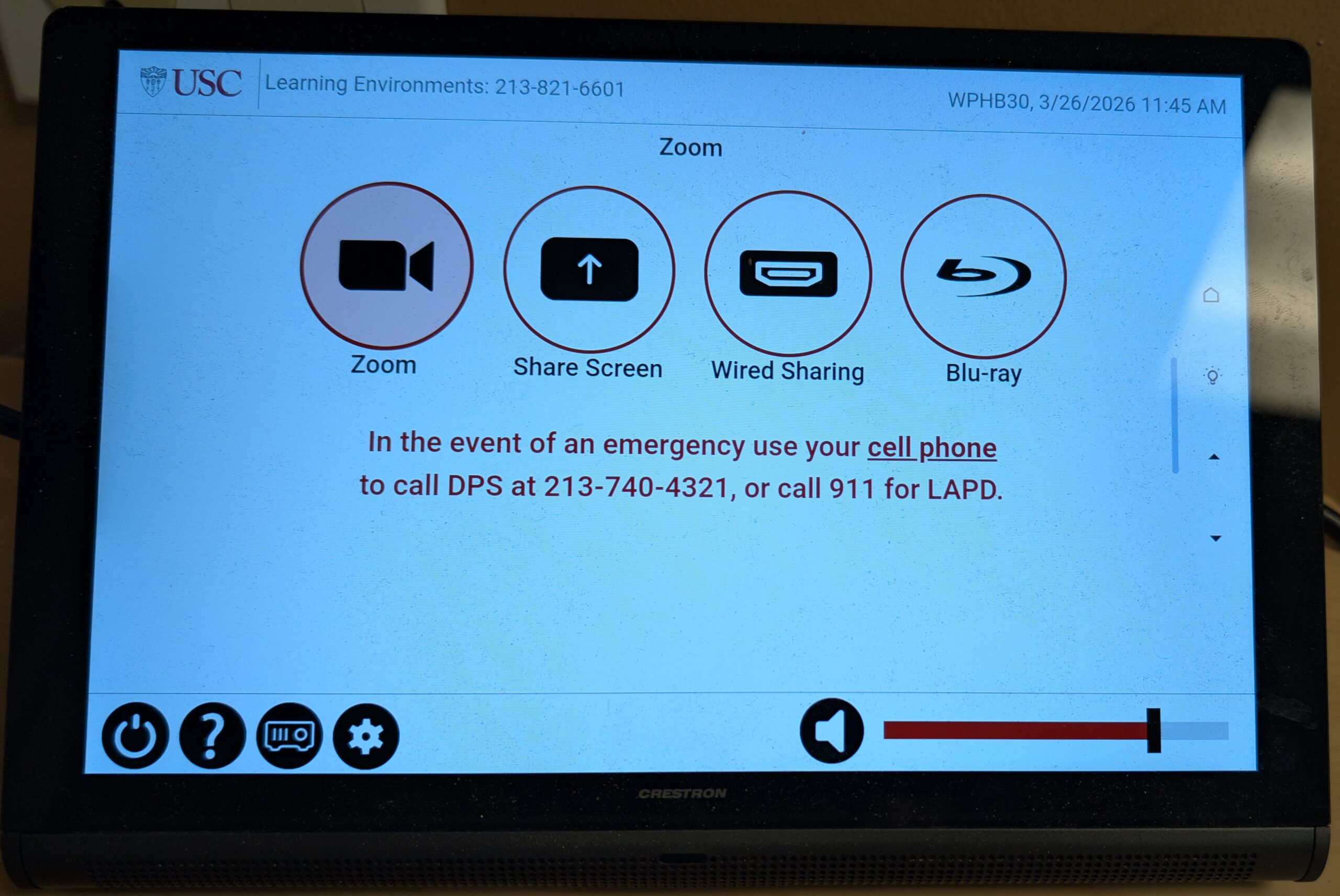
USC has adopted a fully bring-your-own-device model for instructional spaces, with the exception of specialized laboratories that require dedicated computing resources. Standard classrooms are intentionally minimalist. Large, complex lecterns have been replaced with smaller credenzas that house only the essentials. The goal is to optimize space utilization and simplicity in a city where space comes at a premium.
“If we do the small things right, the big things will be easier.” -Raj
The campus uses Ad Astra for scheduling, with Crestron scheduling panels installed outside classrooms. Rooms also have occupancy sensors that turn systems off if no activity is detected for 30 minutes.
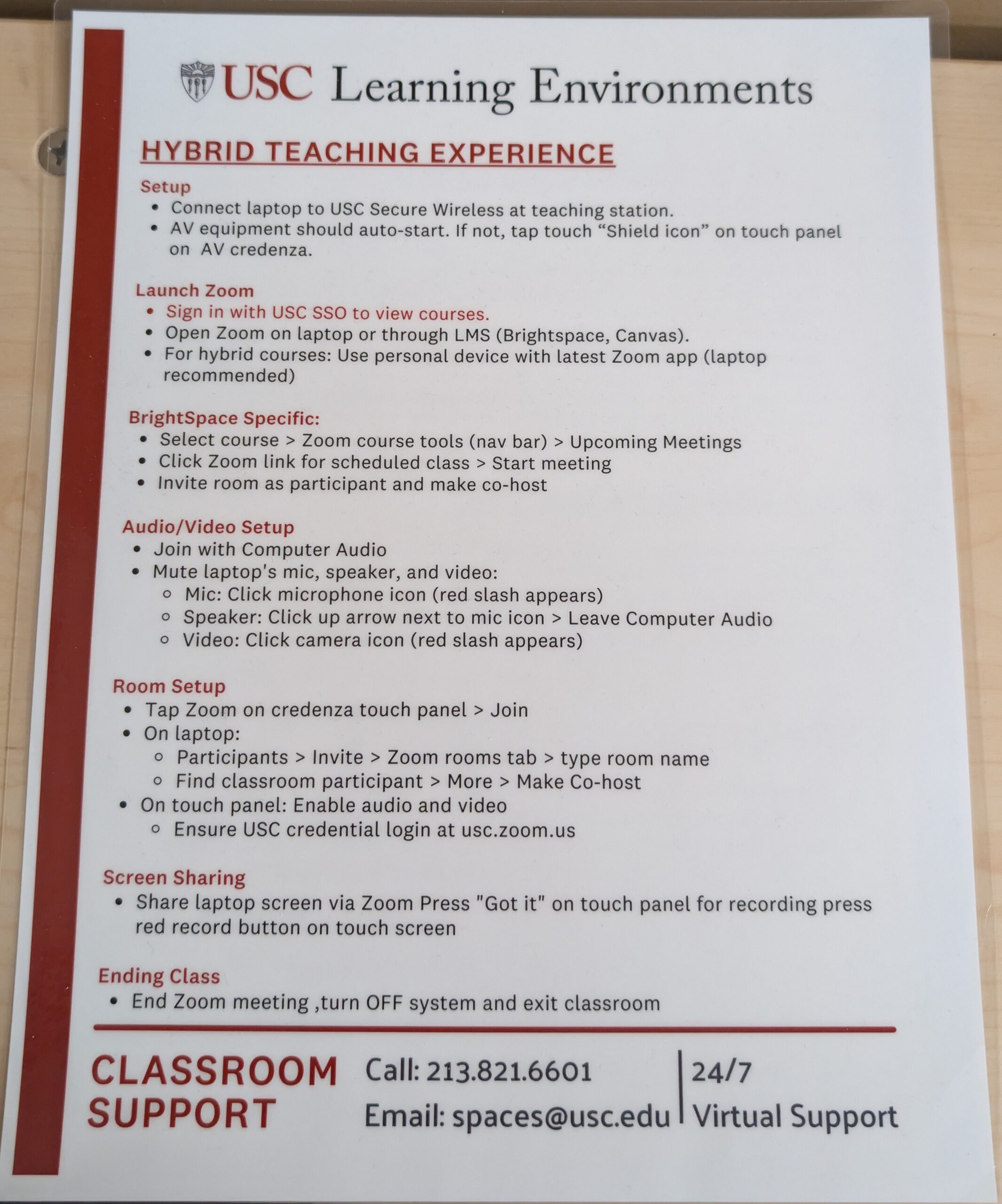
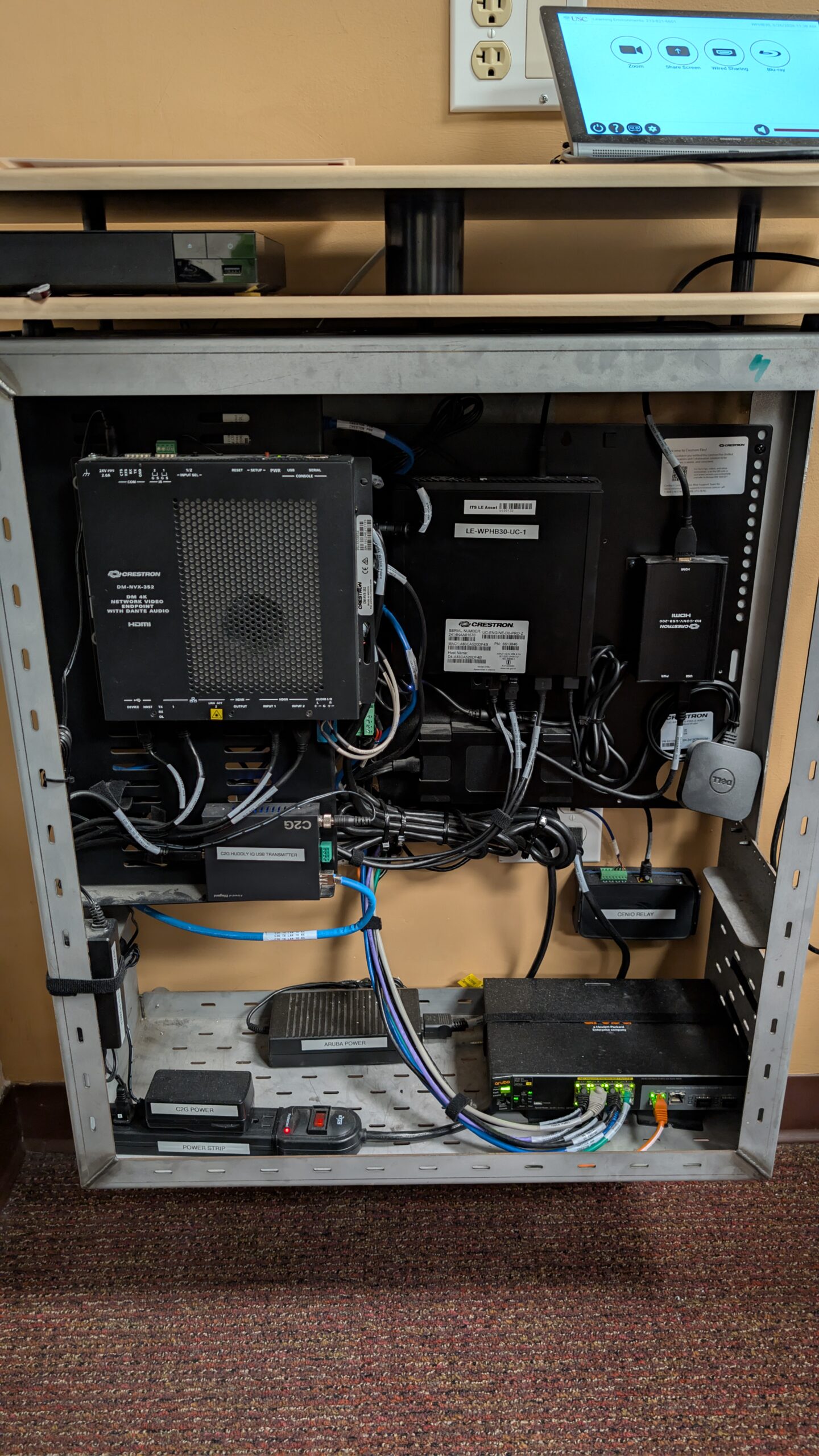
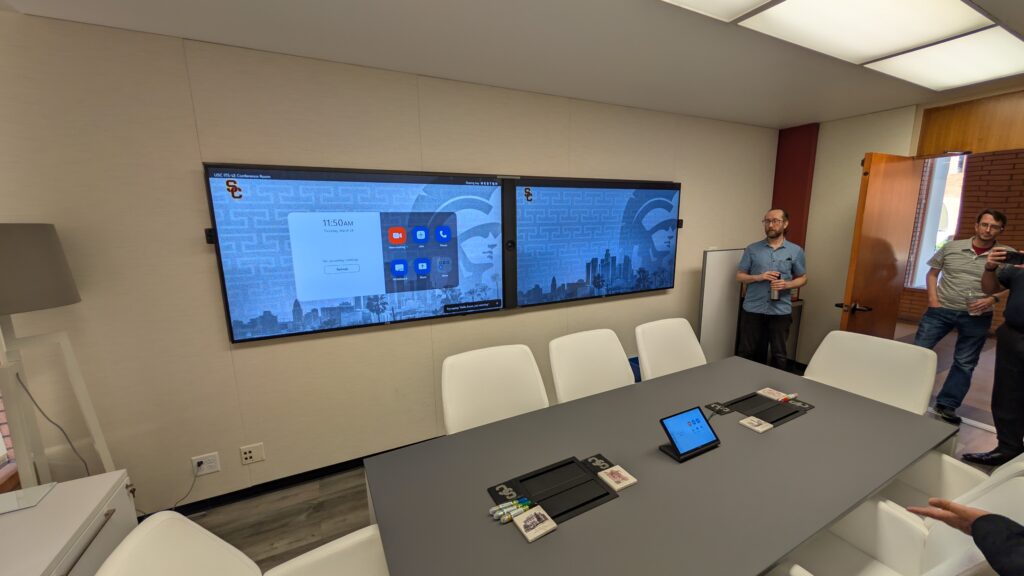
Faculty connect to the classroom through Zoom, either wirelessly or via HDMI when preferred. Conference rooms are largely standardized around DTEN displays paired with Crestron touch panels running Zoom Rooms. Spaces have remotely controlled PDUs for monitoring and control. This consistency allows instructors and staff to move between spaces with minimal retraining and supports a predictable user experience across campus. As a result, dedicated active learning classroom designs are not utilized.
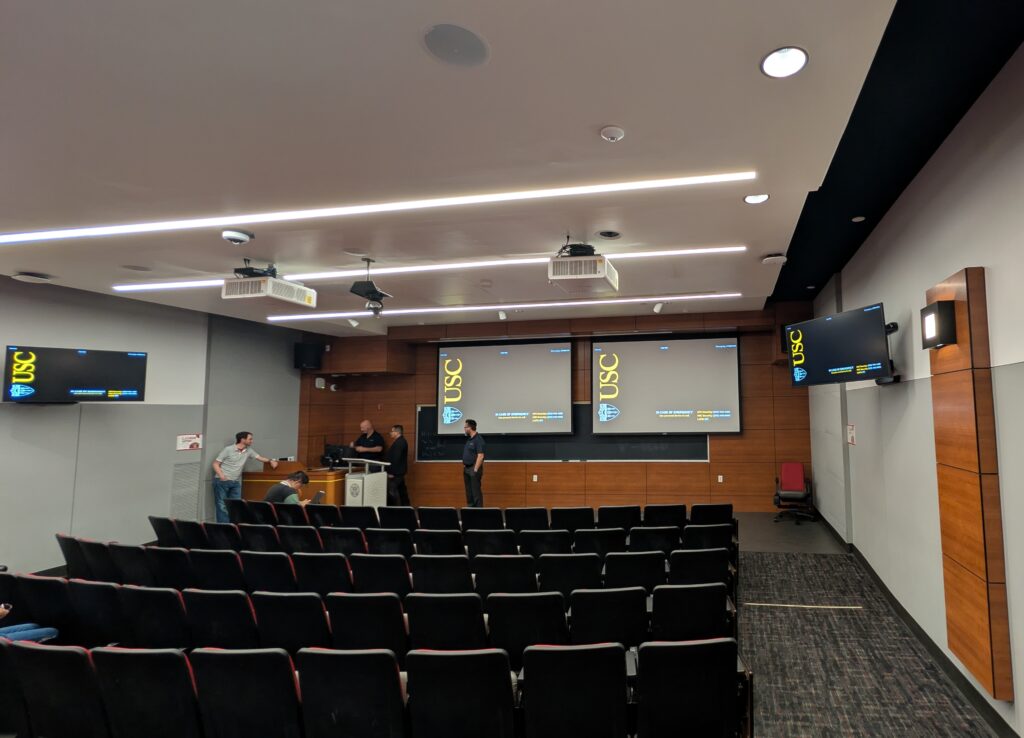
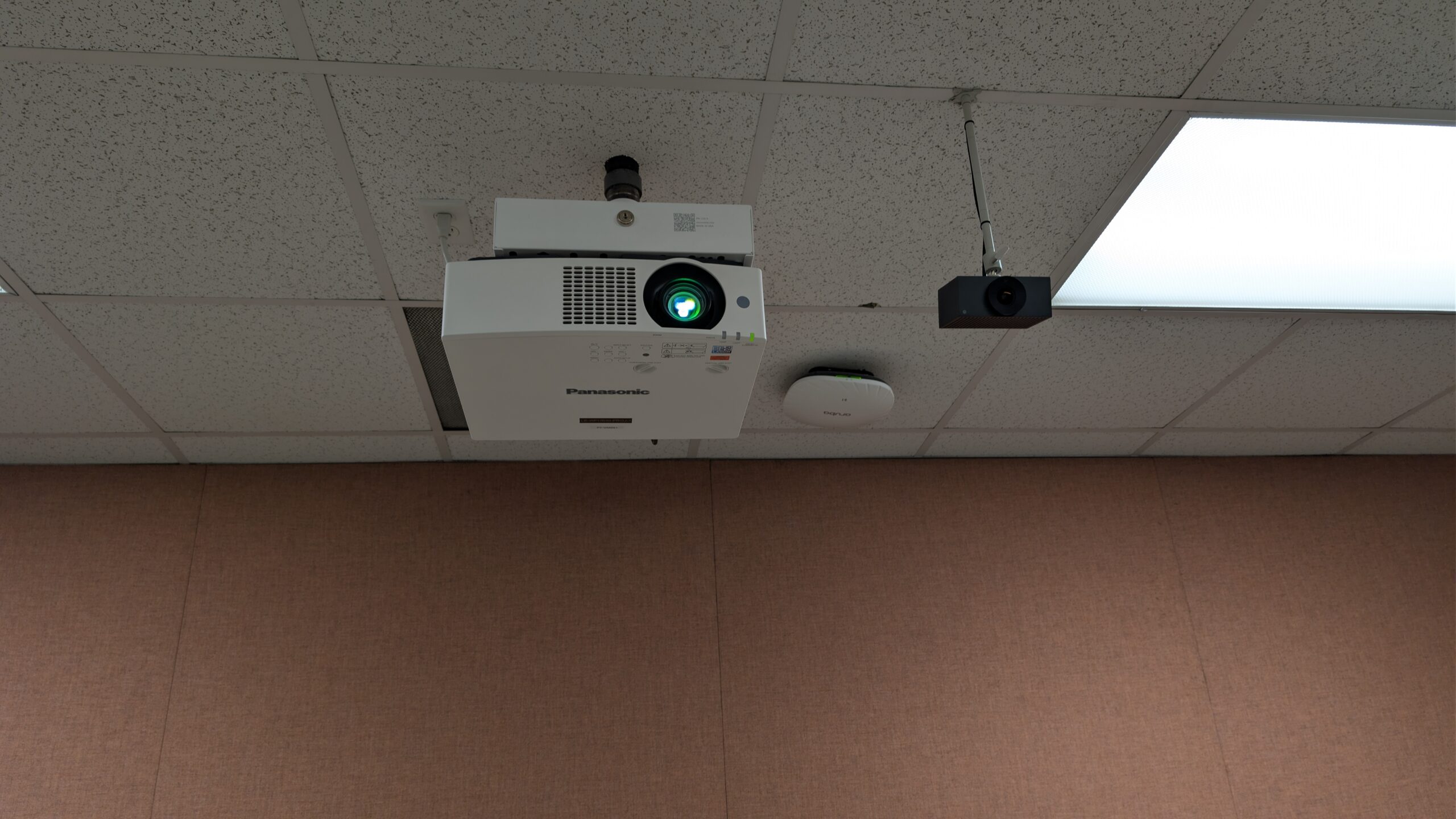
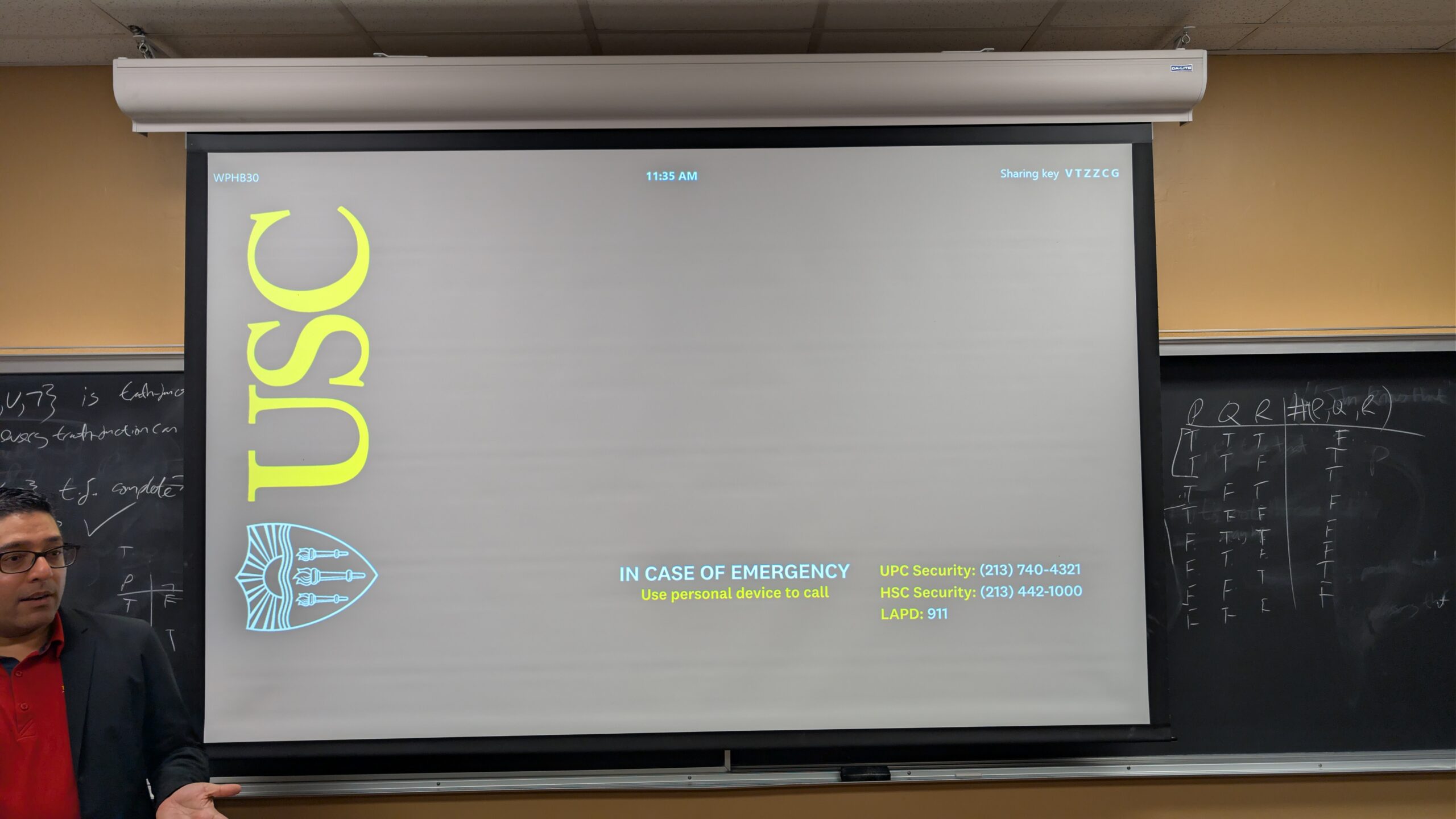
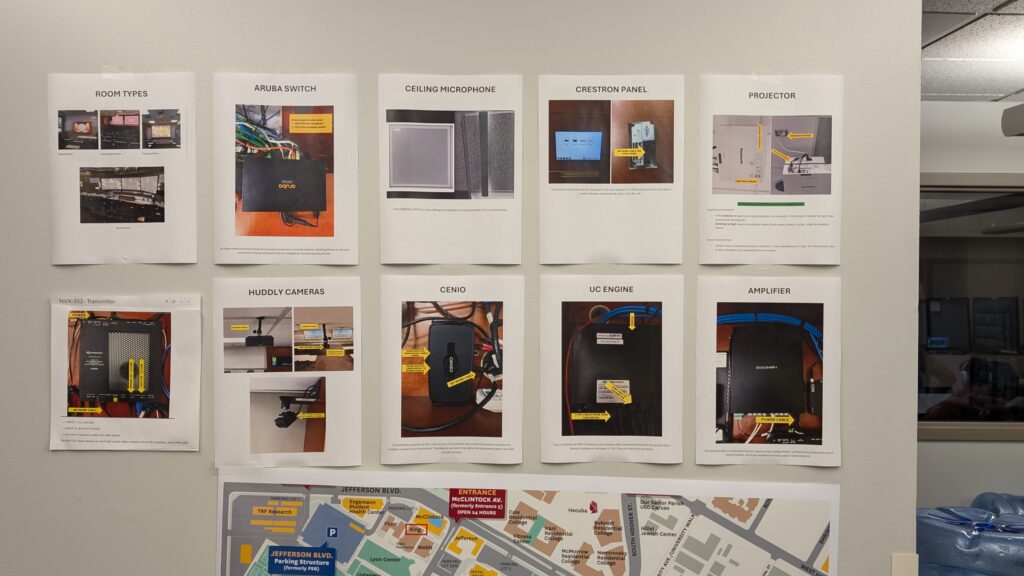
Panasonic projectors remain the standard primary display in classrooms with smaller adjacent flat panel displays in auditorium. Classroom cameras are Huddly devices with one connected directly to Zoom compute PC over USB and the other through an NVX encoder. Doc cams can be checked out, but they are not a standard part of the room. Blu-ray players are the only non-zoom input in the room.
Across all space types, the guiding principle is consistency and simplicity. The Learning Environments team operates on the belief that simplicity scales more effectively than customized designs. Reducing variation makes rooms easier to support, easier to monitor, and easier to evolve over time.
Infrastructure, Networking, and Control
All learning spaces at USC operate on a converged network architecture. Each building has its own dedicated AV VLAN, allowing Layer 2 traffic to flow freely within the building while maintaining segmentation at the campus level. A separate security VLAN supports cameras and access control systems. Aruba switches are deployed at the access layer, with Arista handling distribution.
The USC team does their own programming, and all install work short of some mounting. This can be complicated when you are working in some buildings over 200 years old. With NVX encoders and decoders, signal distribution gets simplified and things largely rely on ethernet cables to nearly every device.
Control is centralized through Crestron VC-4 servers. Three full servers run concurrently, with daily snapshots in place to support redundancy and recovery. Every room is controlled through a virtual interface delivered via HTML5 and C#. This architecture enables rapid scaling and centralized updates, but it also places a premium on resilience planning and monitoring, given the reliance on server-based control rather than local processors.
Monitoring spans a wide range of platforms, reflecting the diversity of systems in use. Tools include XIO Cloud, Dante Domain Manager, Crestron Fusion, Shure Cloud, Panasonic monitoring utilities, QSC Reflect, Zoom, and Datadog for uptime and performance tracking. Some alerts can route directly into Slack, allowing staff to respond quickly to emerging issues. Usage and performance data is aggregated across sources and shared across IT, not just within AV, supporting broader institutional decision making. Just shy of 2,000 devices are currently managed through XIO Cloud, giving the team centralized visibility across learning spaces.
Audio, Accessibility, and Support
Audio systems across campus are primarily standardized around Shure. In standard classrooms, Intellimix Room software DSP, an MXA microphone, and a Crestron amp are used without near-end voice reinforcement. Physical QSC DSPs and amps are reserved for auditoriums and larger venues. Additional wireless microphones for local audio reinforcement are provided in tier 2 and auditorium spaces. Dante audio is used extensively throughout the environment, making USC’s deployment the largest Dante deployment in higher education.
Accessibility is addressed through multiple layers. Auditoriums are equipped with induction loop systems, and Zoom’s ability to route audio directly to personal devices provides additional support for inclusive listening. Approximately half of all supported spaces also offer ListenRF, giving students multiple options to access audio based on their needs.
Support is structured around a help desk staffed by 12 professionals, supported by tiered technical teams and a large student workforce of approximately 125 students. Many of these students are in computer science programs with the ability to assist in programming. This has the additional benefit of occasionally leading to full-time employment after graduation. In addition to ticket-based support, USC also maintains multiple walk-up student help desks across campus, allowing for immediate, in person assistance.
Engineers begin their days before classes start to proactively address known issues. Every supported space is physically checked nightly by student staff. By identifying and resolving issues before they impact instruction, the team reduces disruptions and builds trust with faculty.
“Our goal is not ticket processing; it is ticket avoidance.” – Raj
Looking Ahead
USC continues to refine its learning environment through testing and staged rollouts. Updates are validated in multiple rooms before broader deployment, reducing risk and allowing the team to observe real-world behavior at scale. While the institution supports a range of collaboration platforms, Zoom remains the preferred solution due to its reliability and consistency at scale. Things like this help maintain IT’s 99% uptime.
Emerging efforts include exploring AI-assisted support workflows through ServiceNow and expanding the use of data-driven insights across systems. These initiatives reflect the same core philosophy that underpins USC’s current environment: design for scale, minimize unnecessary complexity, and use data to guide decisions.
Across its learning environments, USC demonstrates how a centralized, standards-driven model can support immense scale without sacrificing usability. By prioritizing simplicity, ownership, and proactive support, the Learning Environments team has built an ecosystem that works reliably for faculty and students, even as the campus continues to grow and evolve.