





Talem3 at InfoComm 2026: Managing the Classroom Data Behind the Classroom Experience
Some InfoComm conversations are not about the device at the front of the room. They are about everything campus teams have to know before that device ever gets installed, supported, refreshed, funded, replaced, or explained to a faculty member.
That is the space Talem3 is working in.
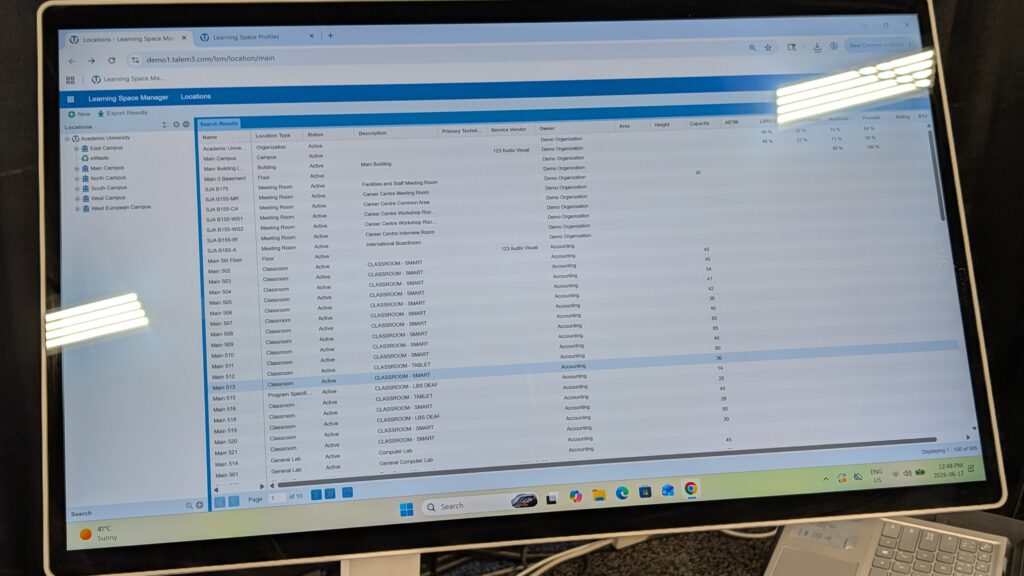
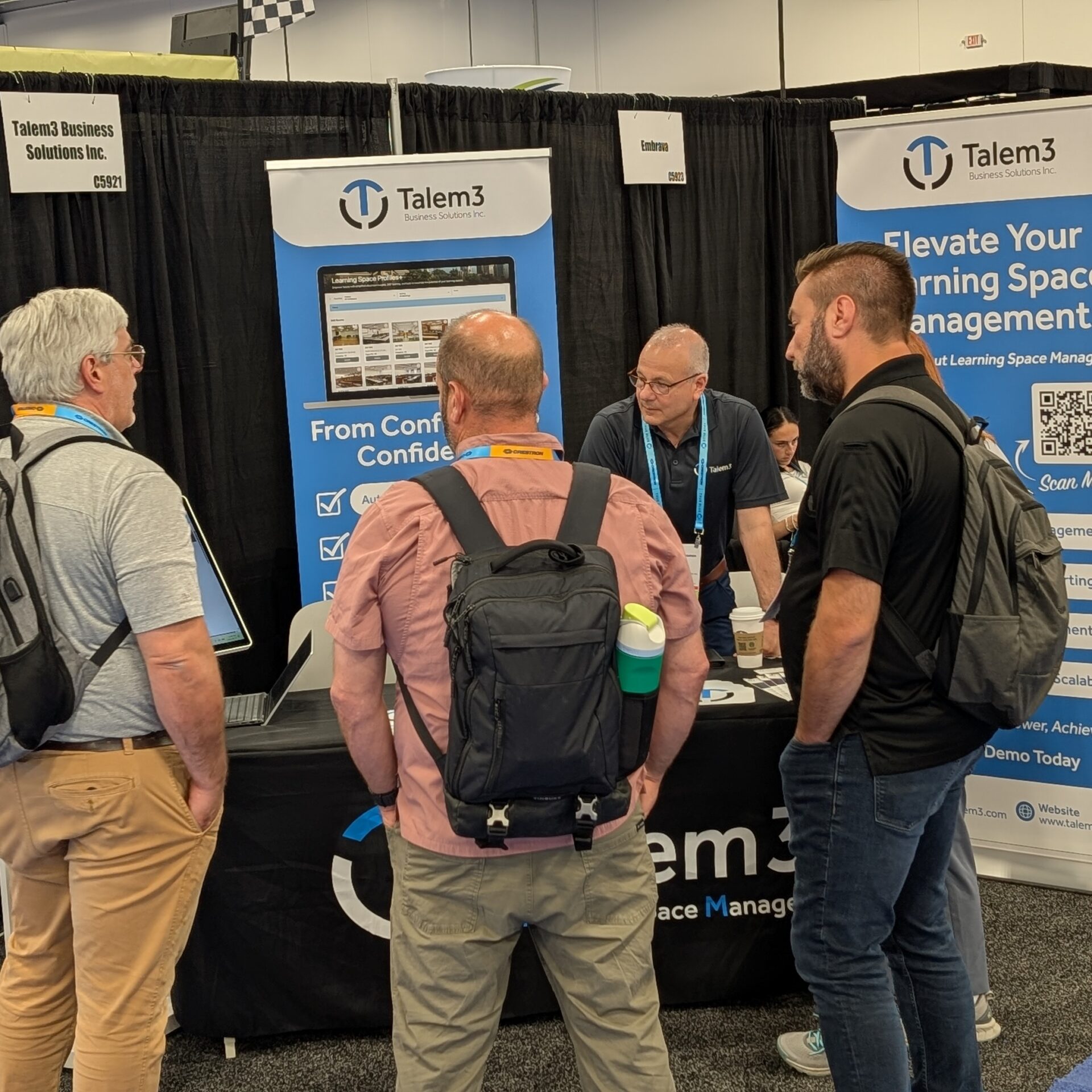
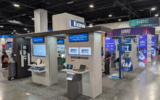
At Booth C5921, Talem3 is showing Learning Space Manager, a software platform built specifically for higher education teams that manage classrooms, labs, learning spaces, AV assets, standards, support workflows, assessments, and end-of-life planning. The booth also highlights Learning Space Profiles+, which turns backend classroom data into faculty-facing room profiles, training resources, and support tools.
In a show hall full of cameras, microphones, displays, processors, and room systems, Talem3 is focused on the data layer that makes all of those investments manageable over time.
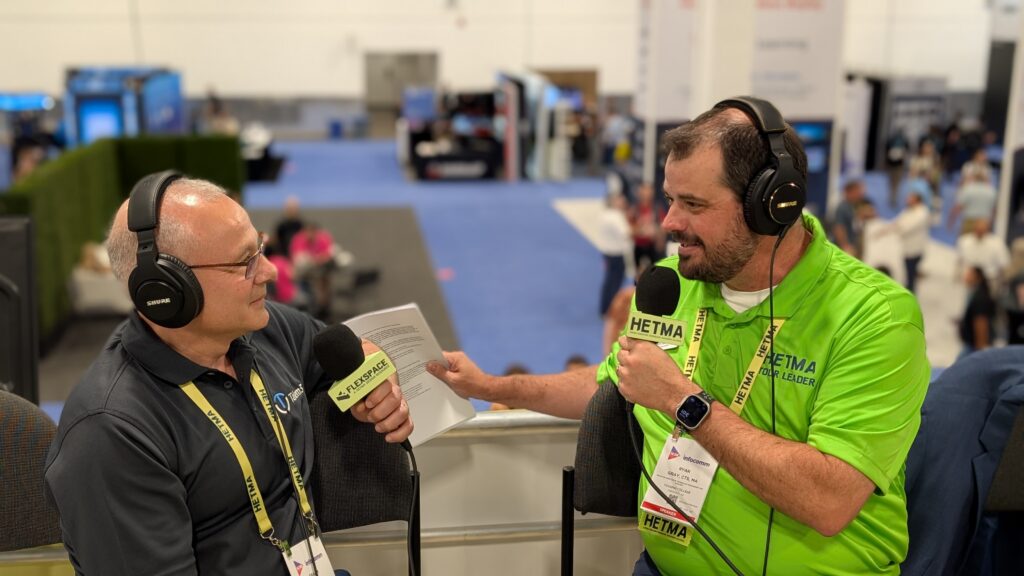
Frank Rosa put the company’s higher ed focus plainly in the interview.
“we are a hundred percent targeted higher ed.”
That matters because classroom management is not a generic asset problem. A learning space is not just a room number and a list of equipment. It has capabilities, standards, teaching patterns, support history, lifecycle needs, accessibility considerations, training requirements, faculty expectations, and budget implications. When that information is scattered across spreadsheets, tickets, memory, floor plans, and old project files, the AV team is forced into reactive work.
Talem3 is trying to give that work a center.
Booth C5921
Talem3 is exhibiting at Booth C5921, near the HETMA booth, which makes the location fitting. This is a company speaking directly to the people responsible for keeping campus learning spaces useful after the ribbon cutting and long after the first installation photos are forgotten.
Learning Space Manager is the main product on display. It is built around one of the most familiar higher ed AV/IT problems: how do you manage a large room inventory when the data is incomplete, outdated, or spread across too many systems?
Frank described the origin story from his own campus experience. About ten years ago, he inherited responsibility for learning spaces at a large higher ed institution. When leadership asked what budget was needed to keep the classrooms running well, he did not have the data to answer with confidence.
“I really felt blind.”
That line will land with a lot of campus AV teams. It is hard to advocate for the right budget when you cannot quickly show what you own, where it is, how old it is, what condition it is in, what standard it belongs to, how often it fails, or when it needs to be replaced. Without that visibility, even good teams end up explaining needs from memory instead of data.
The Spreadsheet Is Usually the Warning Sign
Every campus has some version of the spreadsheet. Sometimes it started as a quick inventory. Sometimes it became the room standard list. Sometimes it became the refresh plan. Sometimes it became the only place where anyone knew which rooms had which capabilities.
Then the spreadsheet aged.
Frank named that problem directly.
“If you have an out-of-date spreadsheet or you have a massive spreadsheet and you find it unsustainable, that’s a tip off”
That is the campus reality Talem3 is addressing. A spreadsheet can hold information, but it rarely governs the work. It does not enforce standards. It does not easily connect room data to support workflows. It does not help a technician update information from the field. It does not turn backend data into useful faculty-facing room profiles. It often depends on one or two people remembering to keep it alive.
Learning Space Manager is built to move that information into a governed platform where classroom data can become current, structured, and useful. That includes classroom technology, assets, standards, service workflows, lifecycle planning, vendor management, assessments, and analytics.
For higher ed AV teams, this is not an abstract database project. It affects everyday decisions: which rooms need attention first, which systems are aging out, where standards are drifting, where support calls cluster, what replacement funding is needed, and what faculty can expect when they walk into a room.
From Reactive Support to Proactive Planning
One of the strongest parts of the Talem3 story is the shift from reactive work to proactive management. Campus AV teams are used to reacting because the semester does not pause. A room fails, a class is waiting, a faculty member needs help, and the team moves.
Reactive work will always exist. But when all the data is hidden, outdated, or incomplete, reactive work becomes the default mode.
Learning Space Manager is designed to help teams see the full learning space environment clearly enough to plan. Frank described the platform as covering classroom performance, classroom evolution, and whether the capabilities in the room are actually being used. That third point matters. A room can be functional and still be mismatched to how people teach. A campus can invest in capabilities that faculty never use. A refresh plan can replace equipment without addressing whether the room still fits the need.
That is where data becomes more than inventory. It becomes a way to ask better questions.
Are standards being followed? Which rooms are outliers? Which technologies are nearing end of life? Which support issues repeat? Which rooms need documentation updates? Which spaces need faculty training resources? Which investments are improving the classroom experience, and which ones are just keeping old patterns alive?
That is the kind of work higher ed AV teams are already doing. Talem3 is trying to make it less dependent on memory, heroics, and disconnected tools.
Mobile Capabilities for Field Work
At InfoComm 2026, Talem3 is also showing new mobile capabilities within Learning Space Manager. This is a practical addition because classroom data often changes in the room, not at a desk.
Technicians and support staff can perform room assessments, update classroom information, verify assets, capture notes, and maintain learning space records from a smartphone while they are in the field. For teams responsible for large numbers of rooms, that matters. The most accurate time to update a room record is often while someone is physically standing in the space and looking at the equipment, cables, furniture, displays, control interface, and support condition.
This is not just convenience. It is data hygiene.
If updates have to wait until someone returns to a desk, the record may not get updated. If the record does not get updated, the next person starts from bad information. If enough small inaccuracies pile up, the platform loses trust. Field updates help close that loop.
For campus teams, the value is clear: better data with less administrative drag.
Learning Space Profiles+ Connects the Backend to Faculty
Learning Space Profiles+ is another important part of the Talem3 booth because it connects the operational side of the classroom to the user experience.
Backend room data is useful to AV and IT teams, but faculty do not need to see a raw equipment inventory. They need to know what the room can do, how to use it, what to expect, and where to get help. Learning Space Profiles+ turns classroom data into faculty-friendly room profiles, training resources, and support tools.
That is a good higher ed bridge. The same data that helps an AV team manage assets and standards can also help instructors prepare for class. A faculty member can understand the room before arriving. A support team can reduce repeated questions. Training can be tied to the actual room rather than generic instructions. Room capability can become visible instead of assumed.
That matters especially when faculty teach in multiple spaces. One room may support lecture capture. Another may support HyFlex. Another may have collaboration displays. Another may have document cameras, confidence monitors, wireless sharing, ceiling microphones, or assistive listening. When the differences are not documented clearly, faculty discover them at the worst possible time: right before class.
Built From Higher Ed Need
Talem3’s story works because it did not start as a generic enterprise platform looking for an education market. Frank described it as something that came out of a real campus need.
“It grew out of necessity.”
That is a familiar pattern in higher ed AV. Many of the best tools, workflows, and standards in this space come from people who had to solve the problem because no one else was solving it in a way that fit campus life.
Frank added another line that helps explain the company’s position.
“We were in higher ed, and we understand software.”
That combination is the point. Higher ed AV teams need software that understands classrooms as classrooms. They need to track more than assets. They need to manage standards, lifecycles, service patterns, budget models, room readiness, faculty support, and long-term planning. They need tools that reflect the way learning spaces are actually governed and supported across an institution.
The name Talem3 also carries that theme. Frank explained the serious version in the interview.
“The true version is that it means empowerment.”
That is a useful closing frame. The goal is not just a cleaner inventory. The goal is to empower learning space teams to answer questions, defend budgets, plan refreshes, support faculty, and move from surviving the room count to managing it strategically.
The Higher Ed Takeaway
Talem3 at InfoComm 2026 is a practical stop for any campus AV/IT team still managing classroom information through spreadsheets, scattered systems, memory, or outdated records. At Booth C5921, the company is showing Learning Space Manager, Learning Space Profiles+, and new mobile capabilities for technicians and support staff working in the field.
The value is visibility. If a campus cannot see its room inventory clearly, it cannot plan confidently. If it cannot connect room data to standards, lifecycle planning, support workflows, and faculty-facing information, the classroom experience depends too much on institutional memory.
Talem3 is making the case that learning space management deserves a purpose-built platform. For higher ed, that is not back-office housekeeping. It is part of how campuses deliver reliable, consistent, and better-supported teaching environments.
Make sure to check out Talem3 at Booth C5921 at InfoComm 2026, or visit https://talem3.com/ to learn more.