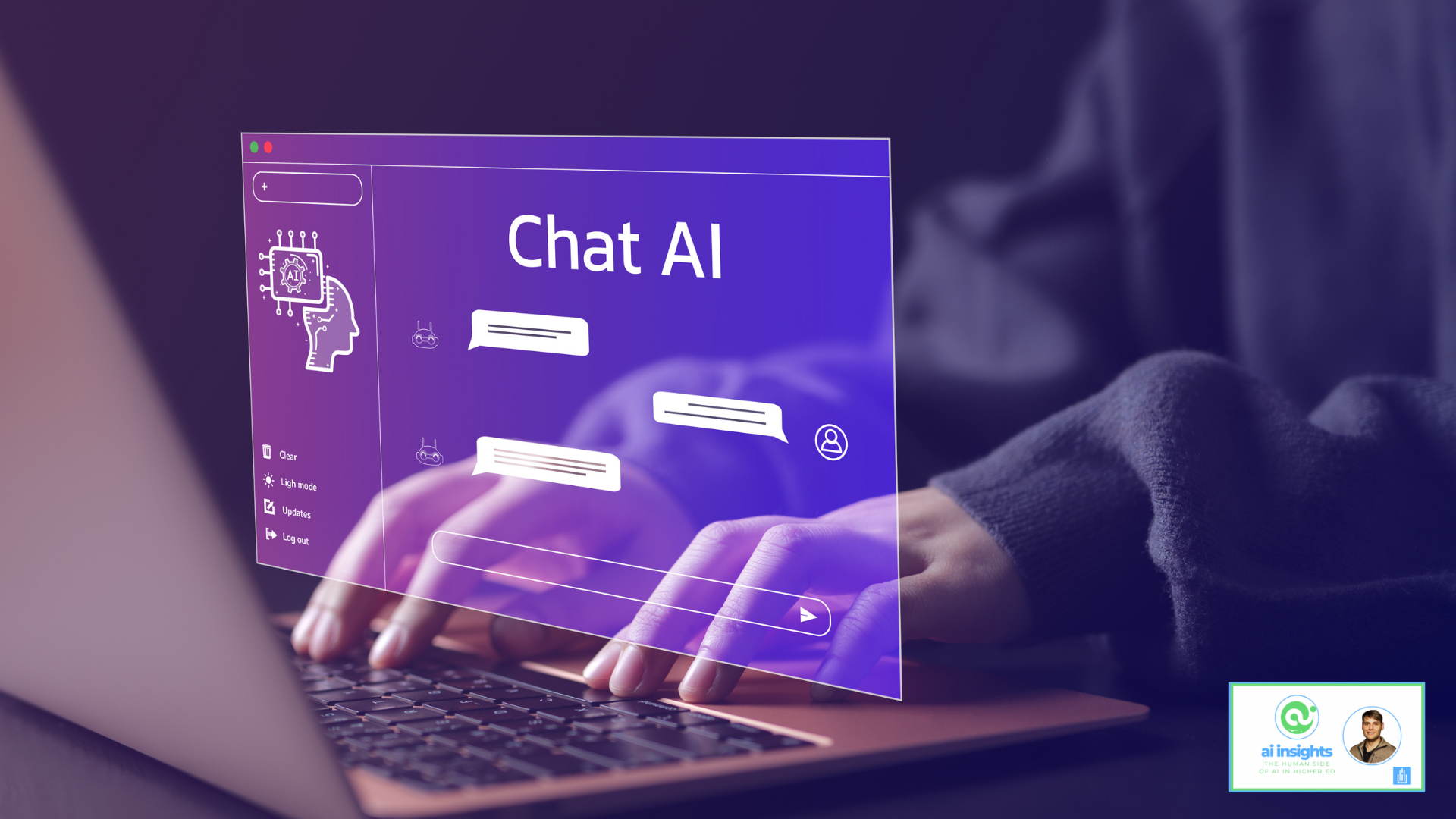


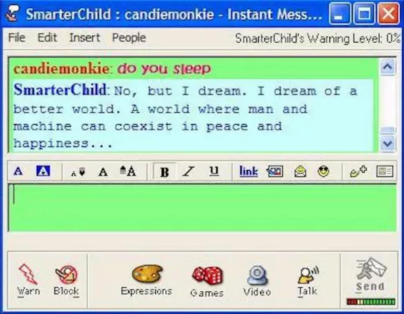
For decades, the way we interact with technological support has evolved dramatically. From Alan Turing’s famous test in 1950, which challenged machines to exhibit human-like intelligence, to the early days of conversational AI like AIM’s SmarterChild in the early 2000s, we’ve been inching toward a future where machines can handle complex human requests. Fast forward to today, nearly every department in large institutions has its own chatbot or ticketing system.
From Departmental Silos to Centralized Services
The next evolution is about centralization. Instead of separate systems for IT, AV, facilities, and academic departments, imagine a single AI agent that serves as the front door for all services. This agent doesn’t just answer questions; it navigates the politics and bureaucracy of “who owns what” and “who supports that.” It becomes the one contact point for the entire university, backed by a shared Knowledge Base (KB) across departments.
Low-Code Tools Make It Possible
Platforms like Copilot Studio empower institutions to create conversational agents using low-code tools. These agents can integrate KB articles, FAQs, and workflows to support both internal staff and external clients. For example, an AV support agent could instantly answer questions like:
- Who supports this classroom?
- Is this an Arts & Sciences space or Engineering?
- What’s the escalation process if the projector fails during a lecture?
This bridges the AV-is-IT gap, where responsibilities often blur, by providing clear, automated routing based on institutional knowledge.
Empowered to Maintain Deep Work
Offloading shallow tasks allows us to focus on Deep Work. AI agents aren’t here to replace the technician who comes to fix the projector. Instead, the tool removes logistical friction from call centers and help desks. Instead of spending time collecting user info, classroom location, date/time, and urgency, the AI agent can handle all that upfront. With the user’s input, the tool can even determine whether immediate dispatch is necessary, freeing human experts to focus on solving problems rather than paperwork.
The Benefits of a Unified AI Agent:
- One Contact Point: No more guessing which department to call.
- Shared Knowledge Base: Consistent answers across the institution.
- Faster Response Times: Automated triage and routing.
- Reduced Administrative Load: Less time spent on repetitive intake tasks.
Getting Started: If your institution wants to explore this future, start small. Use low-code platforms like Copilot Studio to build an AI agent with a KB of your most common service articles. Expand gradually, integrating departmental workflows and escalation paths. The result? A smarter, more efficient, and user-friendly support experience.