The MCUAV 2026 Annual Conference offered far more than formal sessions. From campus tours that highlighted different approaches to classroom design and emerging media spaces to after-hours events that reinforced the strength of the community, the experience extended well beyond the agenda. This first part of a two-part series focuses on the campus tours and evening gatherings that helped set the tone for the conference, while part two will take a closer look at the educational sessions and professional development content that anchored the event.
Midwest Colleges and Universities AV (MCUAV) is a regional organization serving higher education AV professionals across the Midwest. While its roots are regional, its reach is not. With members spanning multiple countries and a community of more than 200 professionals, MCUAV offers monthly virtual meetings, shared resources, and ongoing collaboration throughout the year. Still, the annual conference is arguably the centerpiece of the organization’s work.
The 2026 MCUAV Annual Conference took place March 10–11, with Minnesota State University, Mankato serving as the primary host campus. In addition to sessions and vendor engagement, the conference featured campus tours at Gustavus Adolphus College, Bethany Lutheran College, and Minnesota State University, Mankato. These visits offered attendees a chance to see how peer institutions are approaching classroom design, instructional technology, and emerging media spaces.
The information shared in this article is based on observations, conversations, and experiences witnessed during the MCUAV 2026 Annual Conference. While every effort has been made to accurately capture what was seen and discussed, some details may have been misinterpreted, misheard, or noted incorrectly. Readers who notice any inaccuracies are encouraged to reach out to the author so updates can be made as appropriate. Thank you to all participating organizations, institutions, vendors, and event attendees for their openness, insights, and willingness to share experiences that made this conference possible.
Gustavus Adolphus College
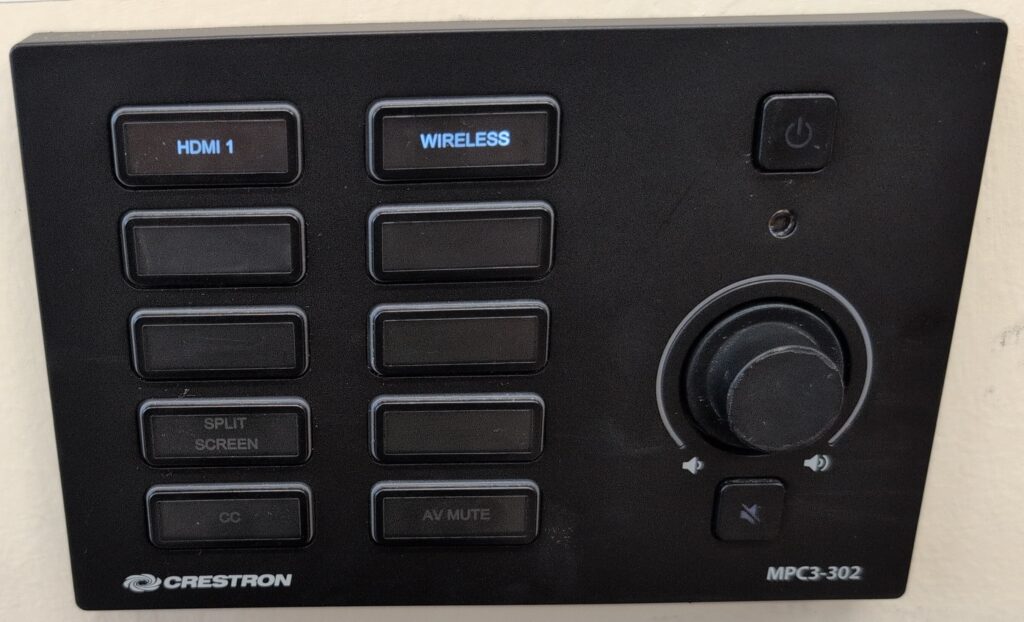
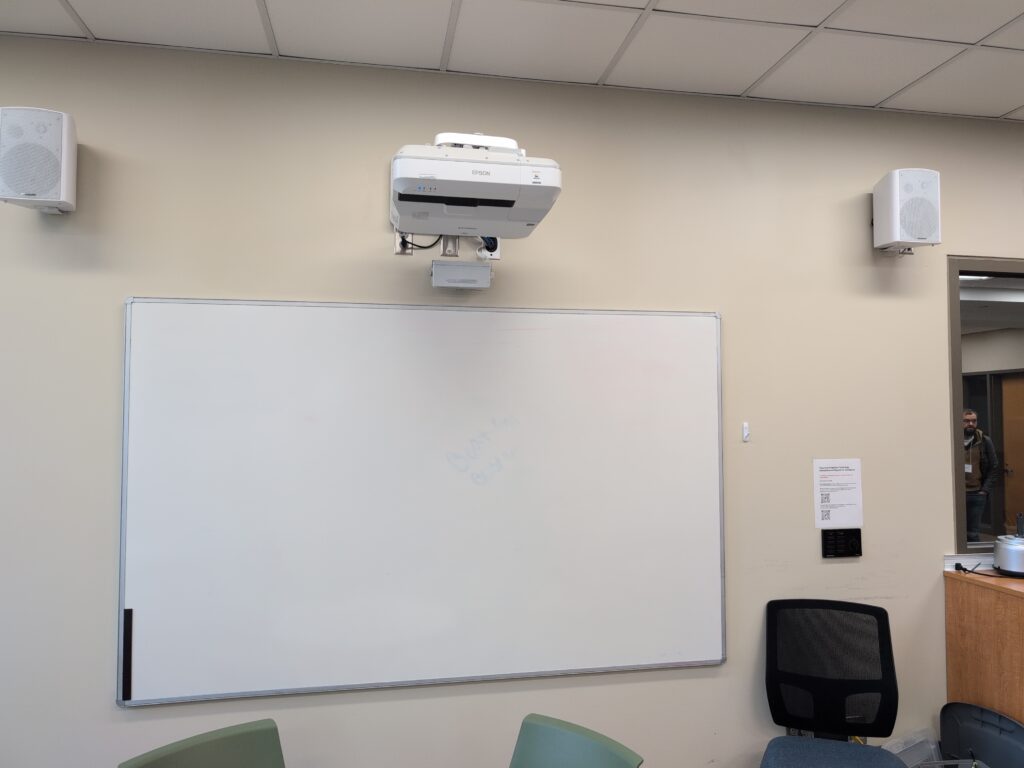
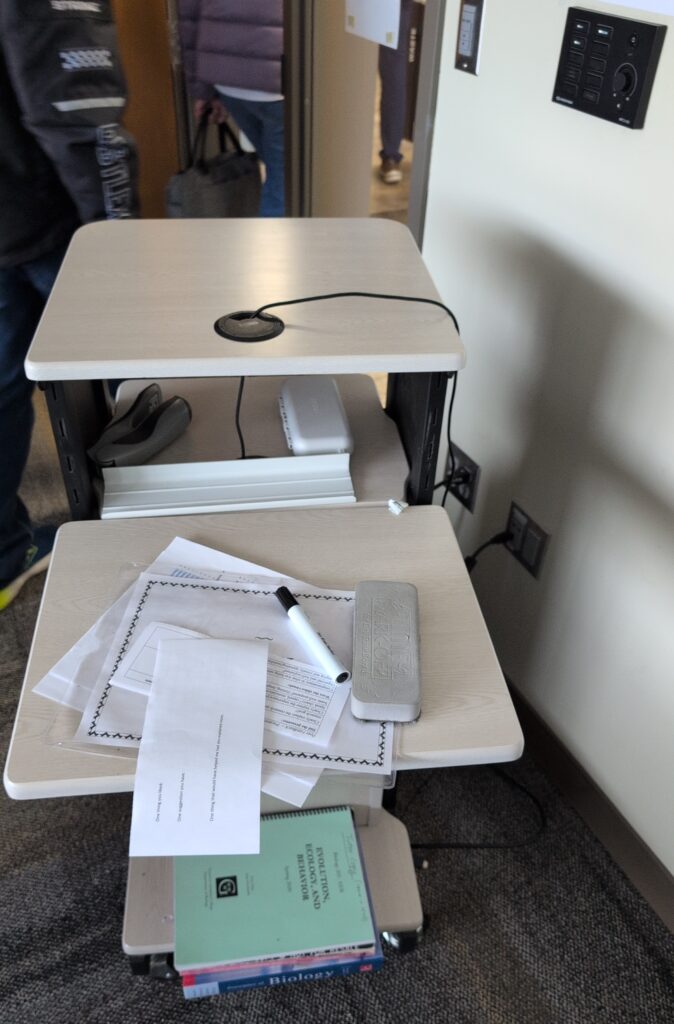
Our visit to Gustavus Adolphus College emphasized consistency, restraint, and ease of use. Over the course of two hours, we toured several instructional spaces, all of which shared a nearly identical user experience for faculty. Each room featured a Crestron button panel with one or two HDMI inputs, along with wireless projection via Epson iProjection. Audio systems were minimal, typically limited to a small number of front-facing speakers for program audio.
Lecture capture and microphone deployment were intentionally limited. Only a small number of rooms were equipped for capture, reflecting current faculty needs rather than a campus-wide mandate. Outside of a theater-style space, microphones were largely absent, and document cameras were uncommon. Aside from whiteboards, there were few additional peripherals, and this simplicity appeared to align well with faculty expectations.
Much of the tour focused on Nobel Hall, a building deeply tied to the college’s academic identity. The space is associated with the annual Nobel Conference, which has brought Nobel laureates and prominent scientists to campus since 1965. The technology choices reflected a similar philosophy: reliable, consistent, and intentionally unobtrusive.
Bethany Lutheran College
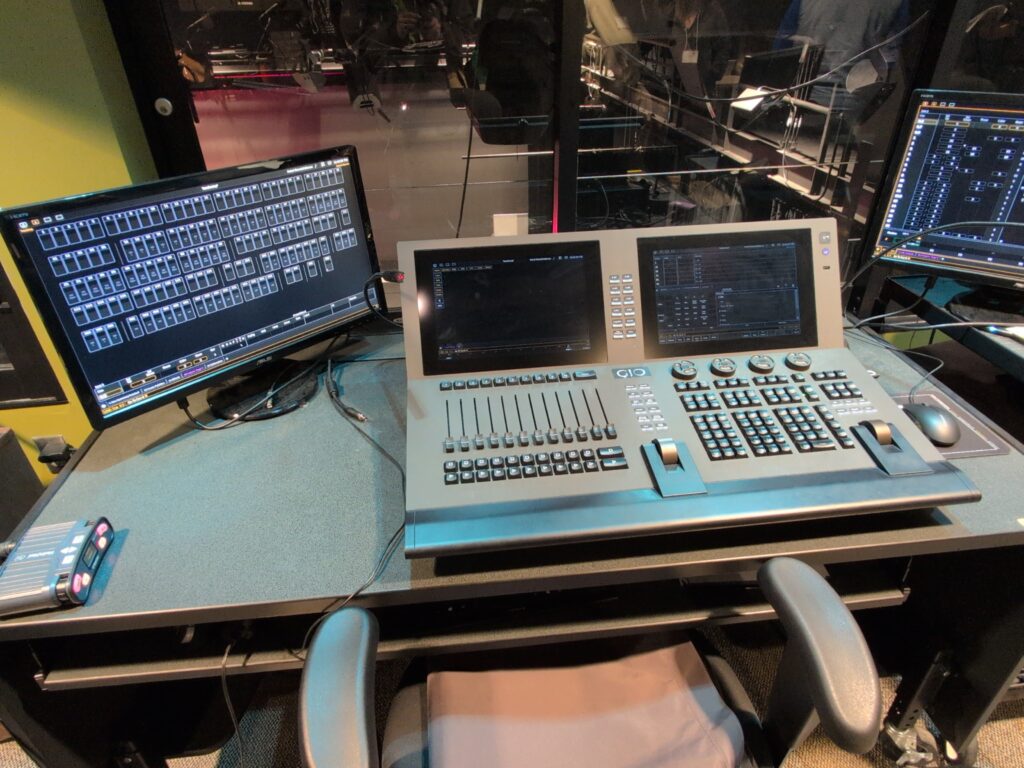
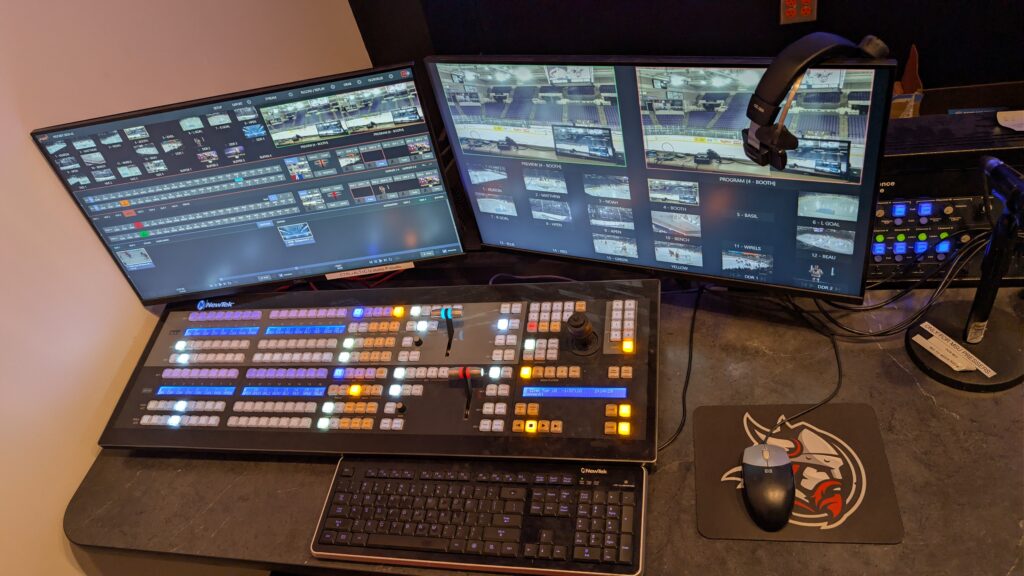
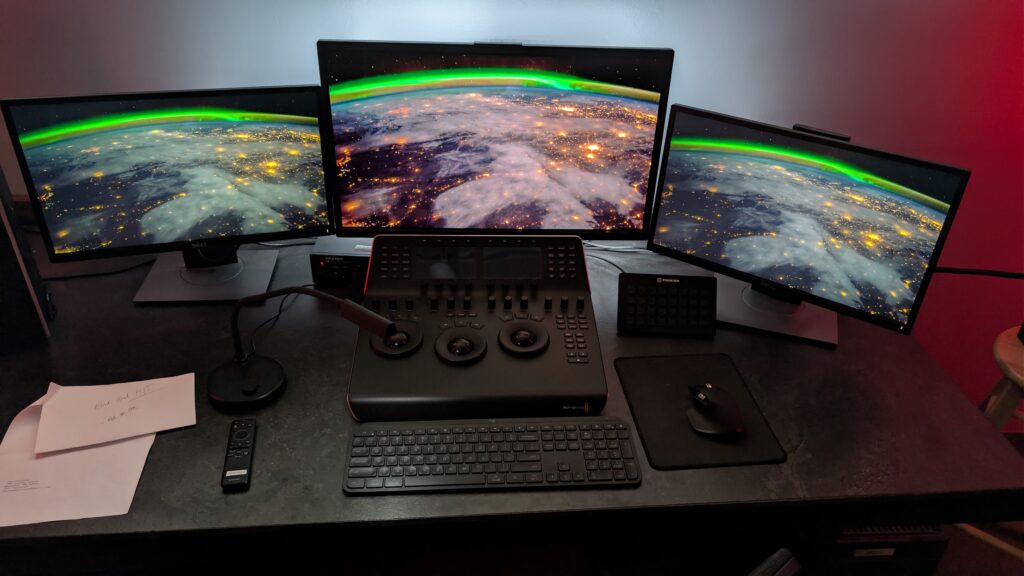
Bethany Lutheran College offered a very different perspective, with a focus on production, immersive technology, and experiential learning. Rather than standard classrooms, the tour highlighted the institution’s work in AR and VR, event production, and sports broadcasting.
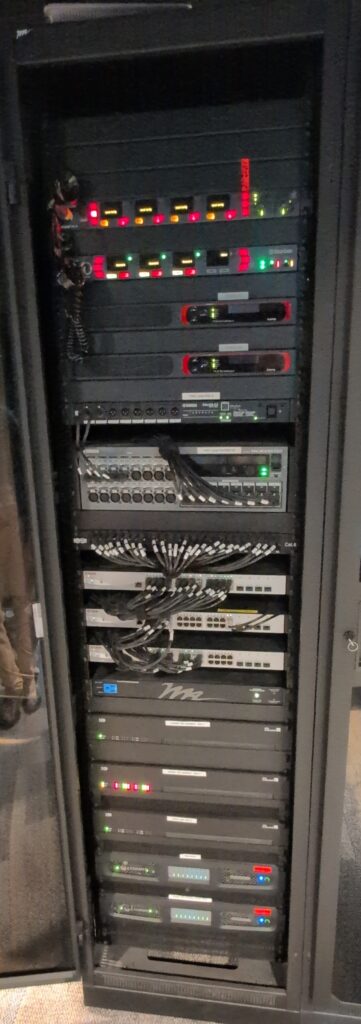
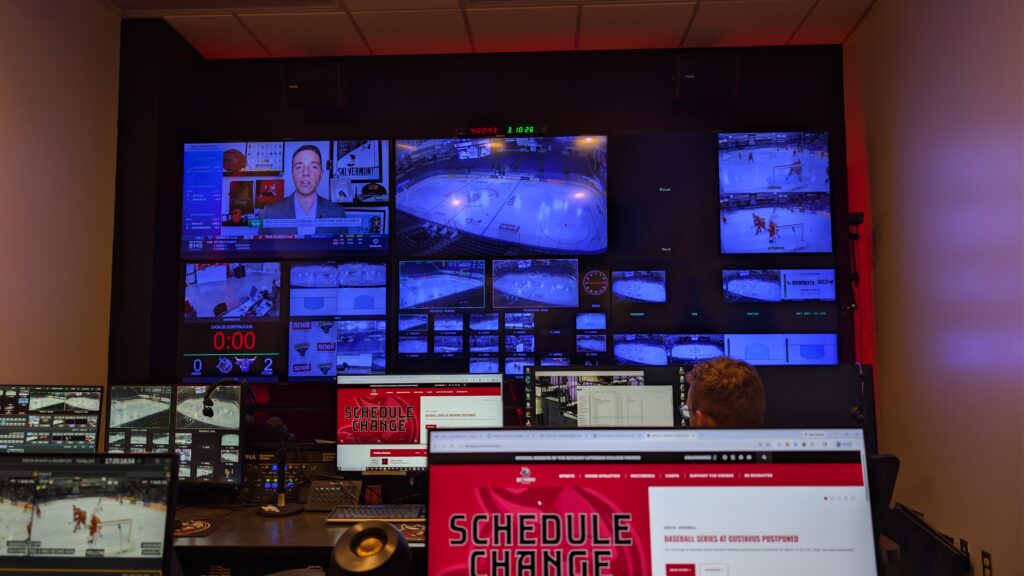
Bethany has a contract to broadcast hockey for Minnesota State University, Mankato, along with other regional sports and events. The broadcast infrastructure and production equipment were notably robust, creating meaningful hands-on opportunities for students interested in media production. The environment felt less like a classroom and more like a working studio, where students could engage directly with professional workflows.
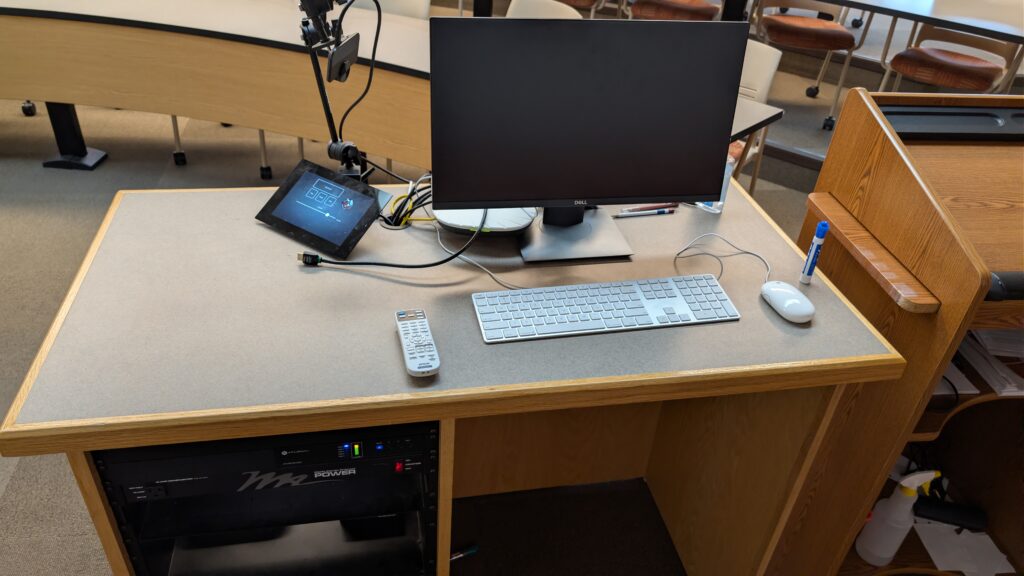
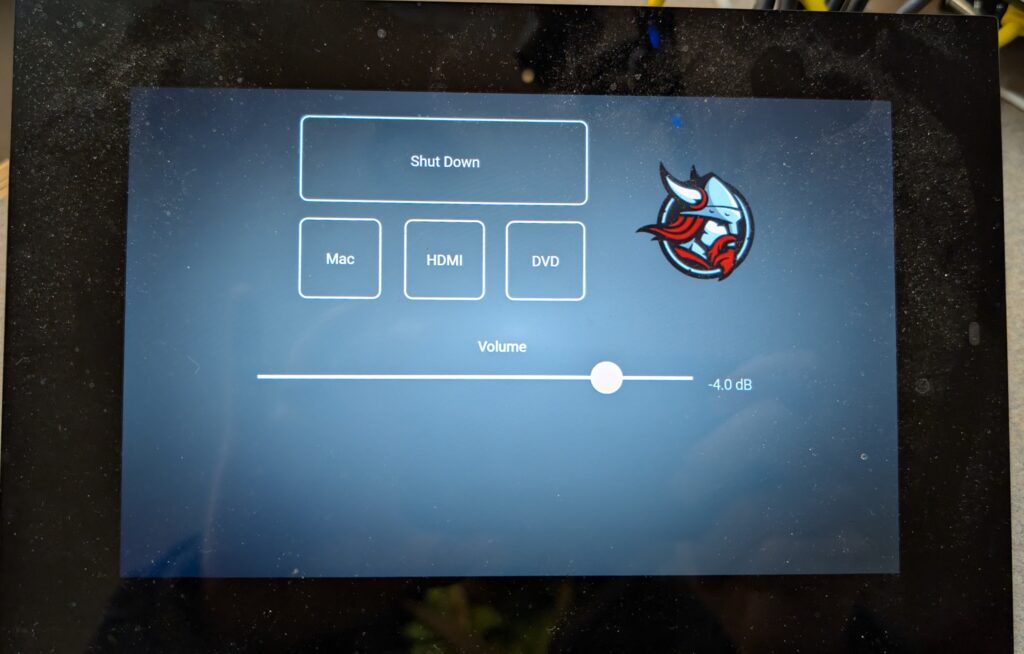
We also toured a mixed AR and VR space and discussed how extended reality technologies are being explored across multiple academic disciplines. While briefly passing through a traditional classroom, the design approach remained clear. The lectern featured very few controls, reinforcing a commitment to simplicity even in spaces that support more advanced capabilities.
Minnesota State University, Mankato
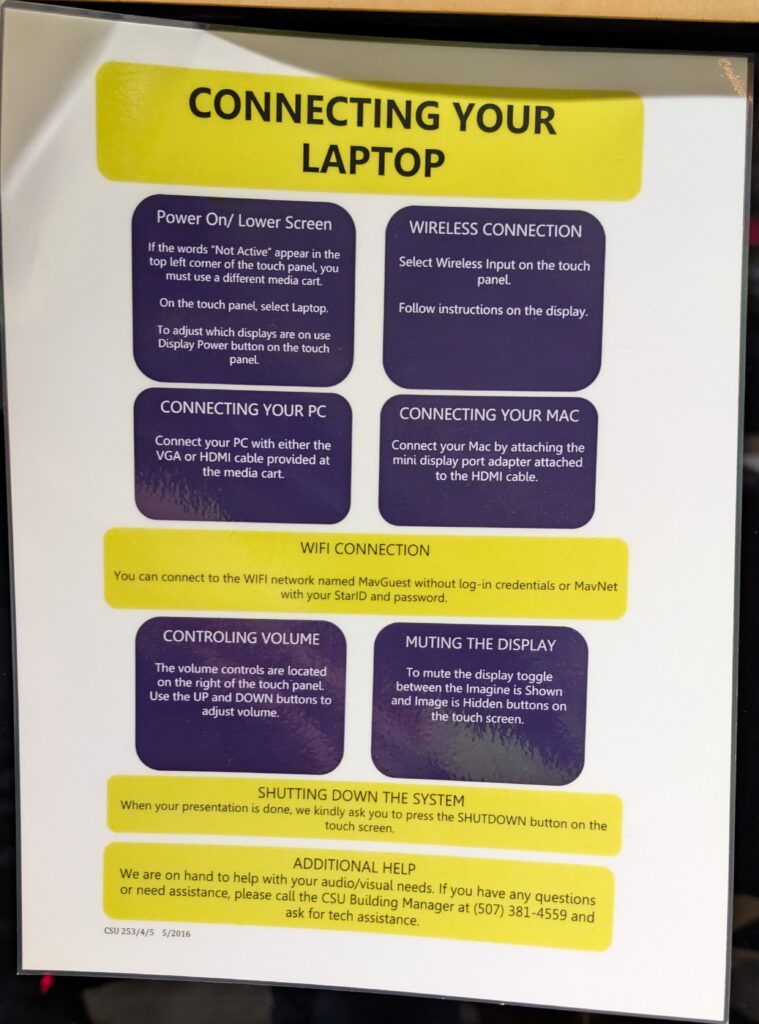
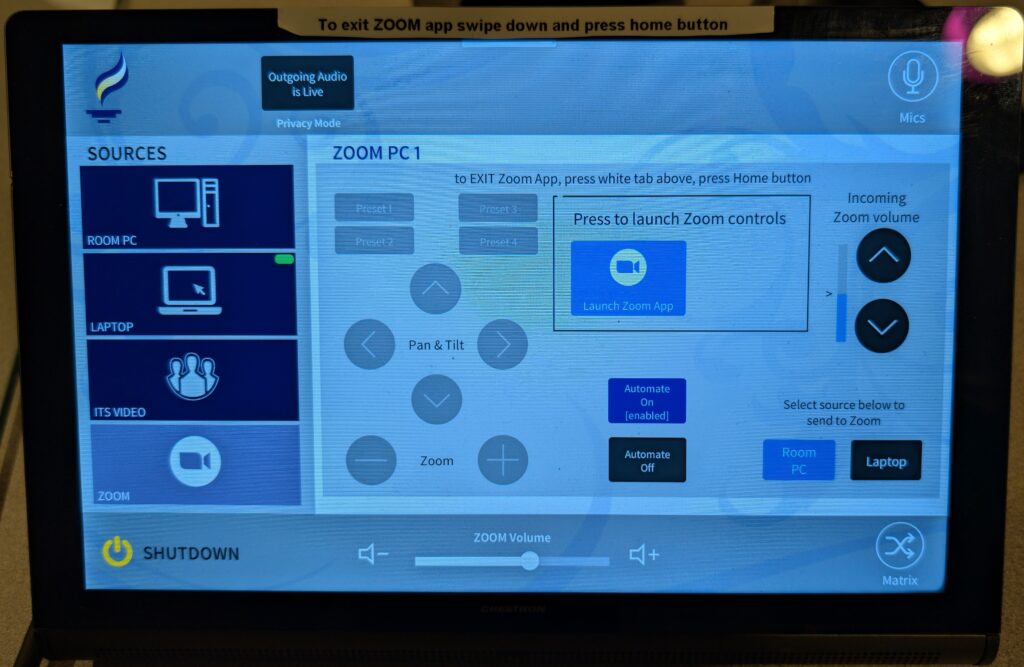
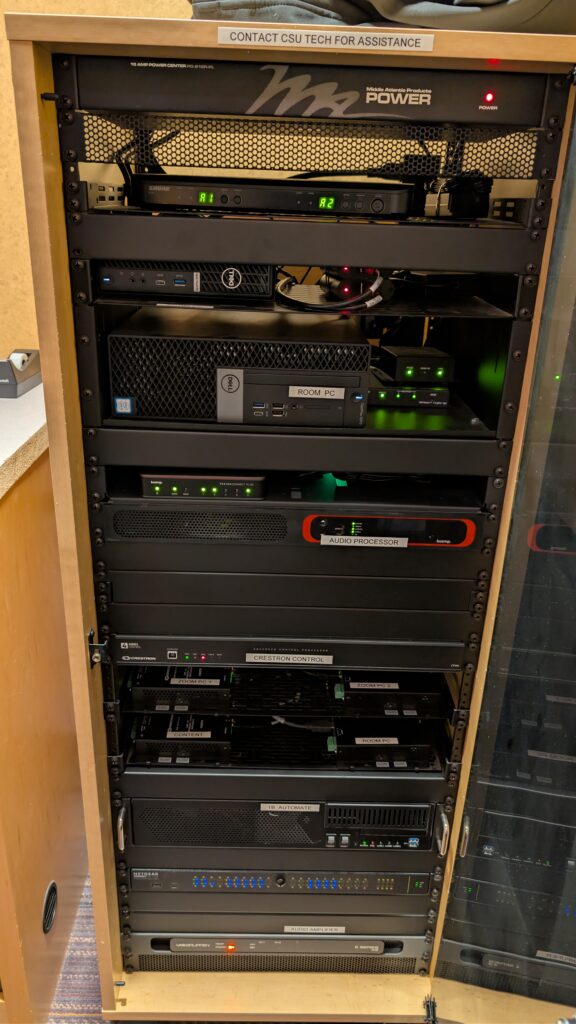
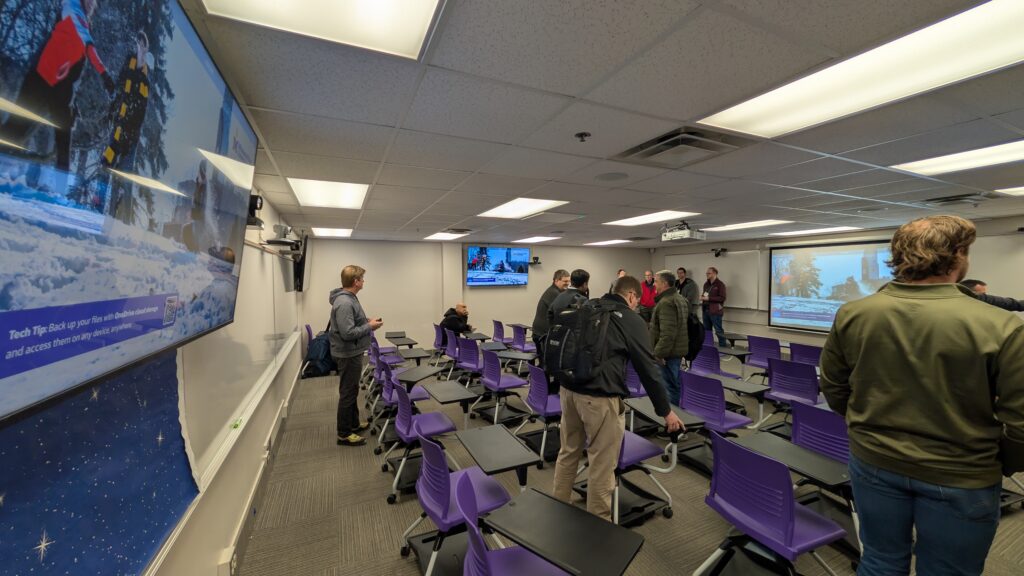
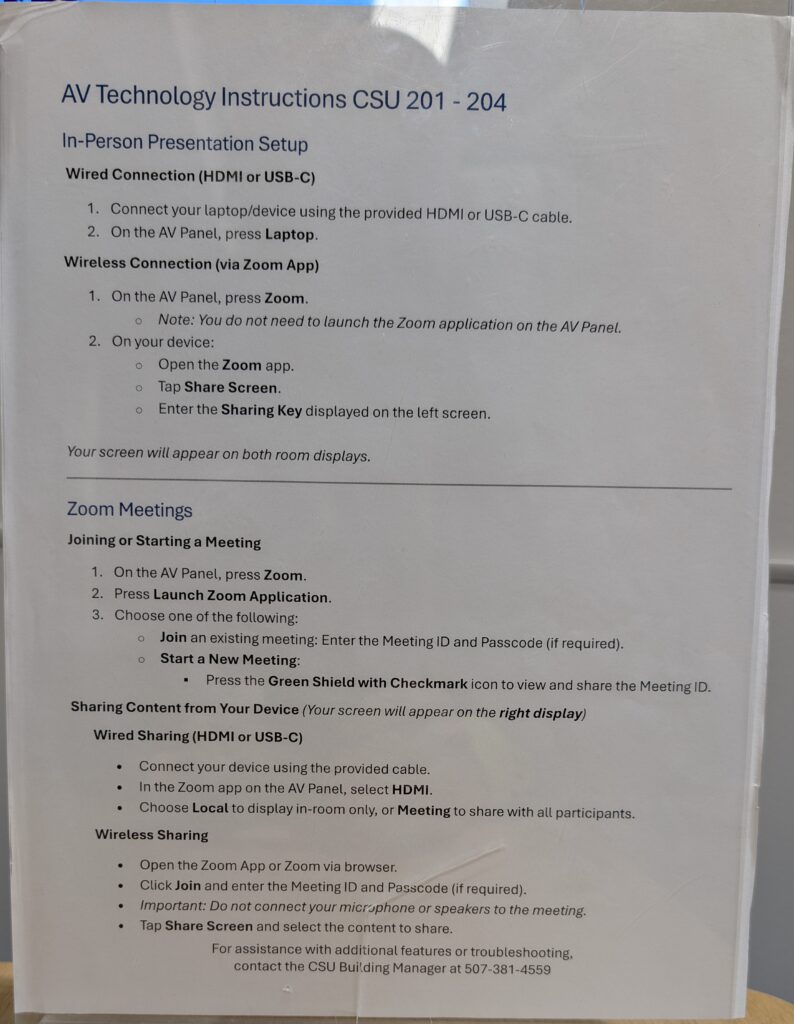
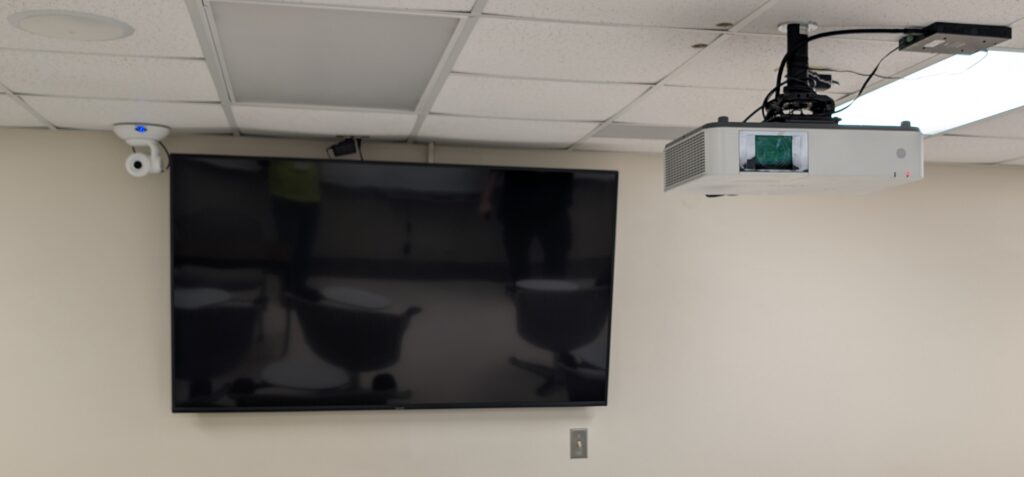
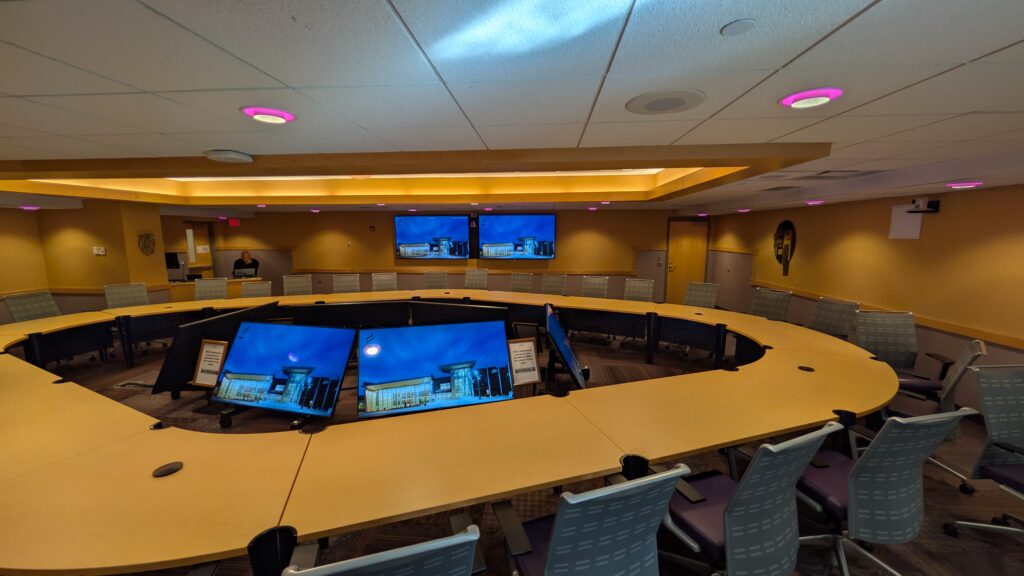
The tour of Minnesota State University, Mankato showcased a campus-wide commitment to consistency at scale. Classrooms across the institution rely heavily on Zoom, with a dedicated PC in each room functioning as the primary Zoom appliance. Crestron technology was prevalent throughout, including encoders, decoders, scheduling panels, and touch interfaces. Spaces incorporated extensive camera deployments, with more than five 1Beyond cameras in select rooms.
Multiple displays were common, sometimes consisting of several flat panels and other times combining projectors with additional displays. Zoom served multiple roles, functioning not only as the conferencing and recording platform but also as the room phone system. Recorded sessions were automatically routed to Kaltura for video management and distribution.
Instructional spaces were well equipped with standard tools. Document cameras were present in every room, along with Blu-ray players and whiteboards. The campus operates as a BYOD environment, with HDMI connections at the lectern, though at least one collaborative space featured Crestron AirMedia for wireless content sharing. Biamp audio processing was widely used, supporting a mix of voice lift configurations and wireless microphone deployments. Ceiling speakers appeared to be standard across classrooms, and wireless participation was typically achieved by joining the room’s Zoom instance.
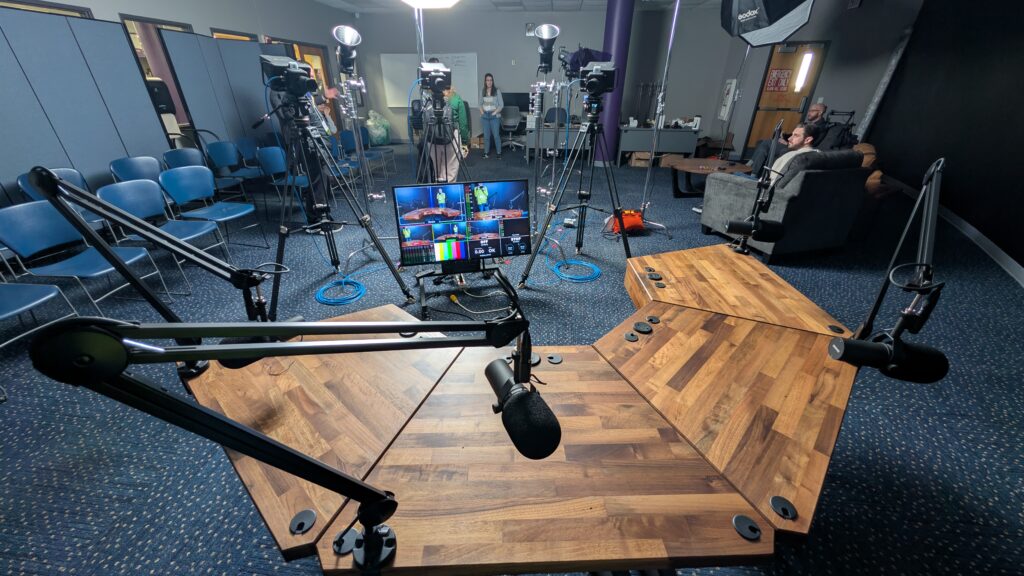
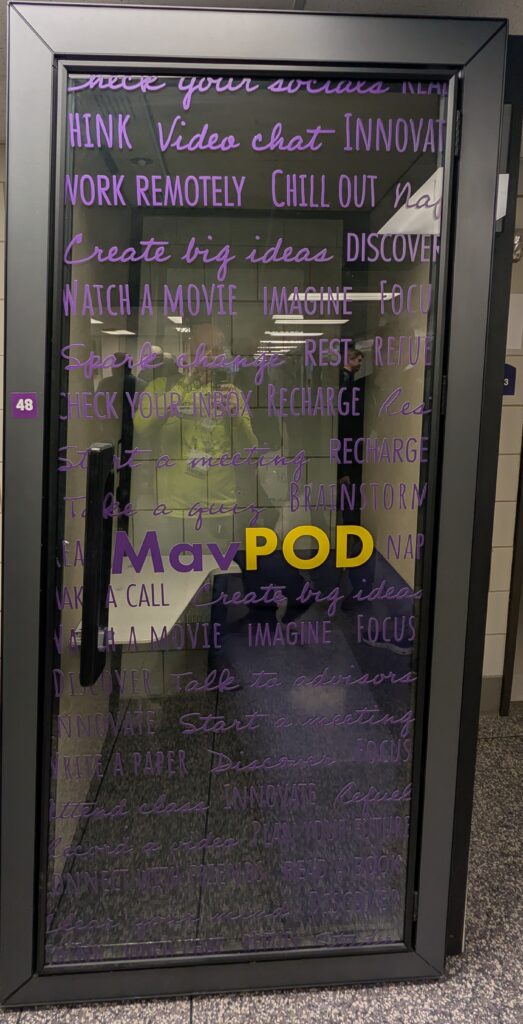
Beyond classrooms, the tour included several specialized spaces. These included multiple phases of esports computer bays, complete with sponsorships, as well as a multi-format podcast recording area still under development. Attendees were also introduced to “Mav Pods,” individual student study pods distributed across campus. With more than 100 pods already deployed, they represented a unique approach to supporting focused student work.
After-Hours Events
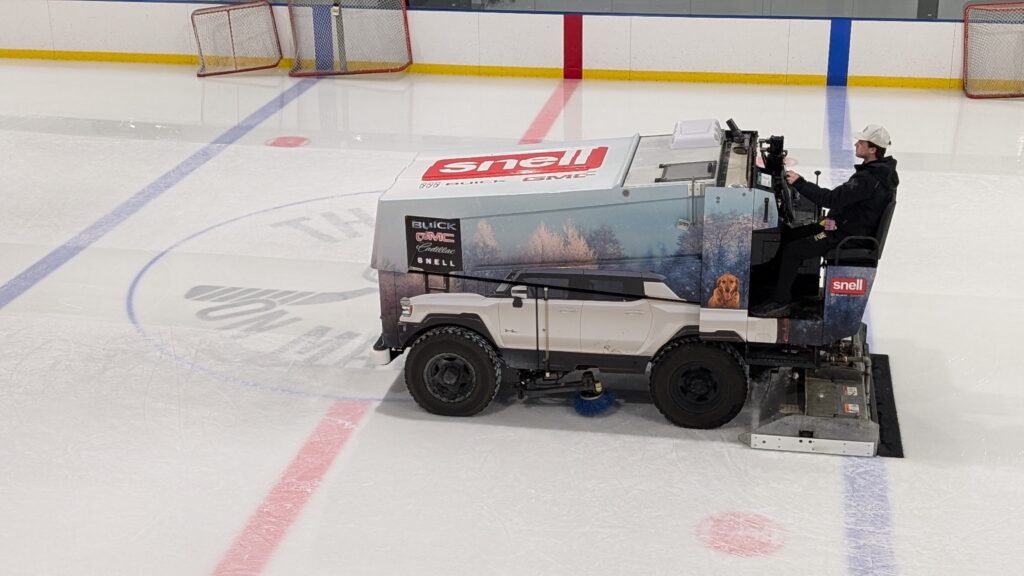
As expected at an AV-focused conference, the after-hours events played an important role in the overall experience. On the first evening, attendees gathered at the Crooked Pint Ale House in Mankato. The venue offered a relaxed atmosphere with games and social spaces, and its direct connection to a nearby ice rink allowed guests to watch hockey practice through an adjoining doorway, a memorable and distinctly local touch.
The second evening concluded at LocAle Brewing Co., also in Mankato. The gathering provided a fitting close to the conference, offering local beer, informal conversation, and a chance to reflect on two days of shared learning and community building. It was a simple but effective reminder that some of the most valuable conference moments happen outside the session rooms.