
Tour of Compliance
Day Two began with everyone being split into four groups. Our group started in compliance with messages about no phones or recording. The compliance tour was designed to show how far Extron goes beyond baseline testing requirements. What stood out was not just the breadth of testing, but the intentional redundancy built into the process. Electrostatic discharge, EMI, and signal susceptibility testing are not treated as one-time checkpoints. Devices cycle through testing multiple times across their lifespan, from early design through years after release, to verify long-term reliability.
We were shown specialized rooms with heavy padding and shielding designed to eliminate unwanted noise or interference. Extron even intentionally damages devices to confirm that accidental contact, whether from a tool or a person, would not result in shock. The emphasis throughout the tour was consistency, repeatability, and designing products that behave predictably well beyond initial deployment.
Events Space
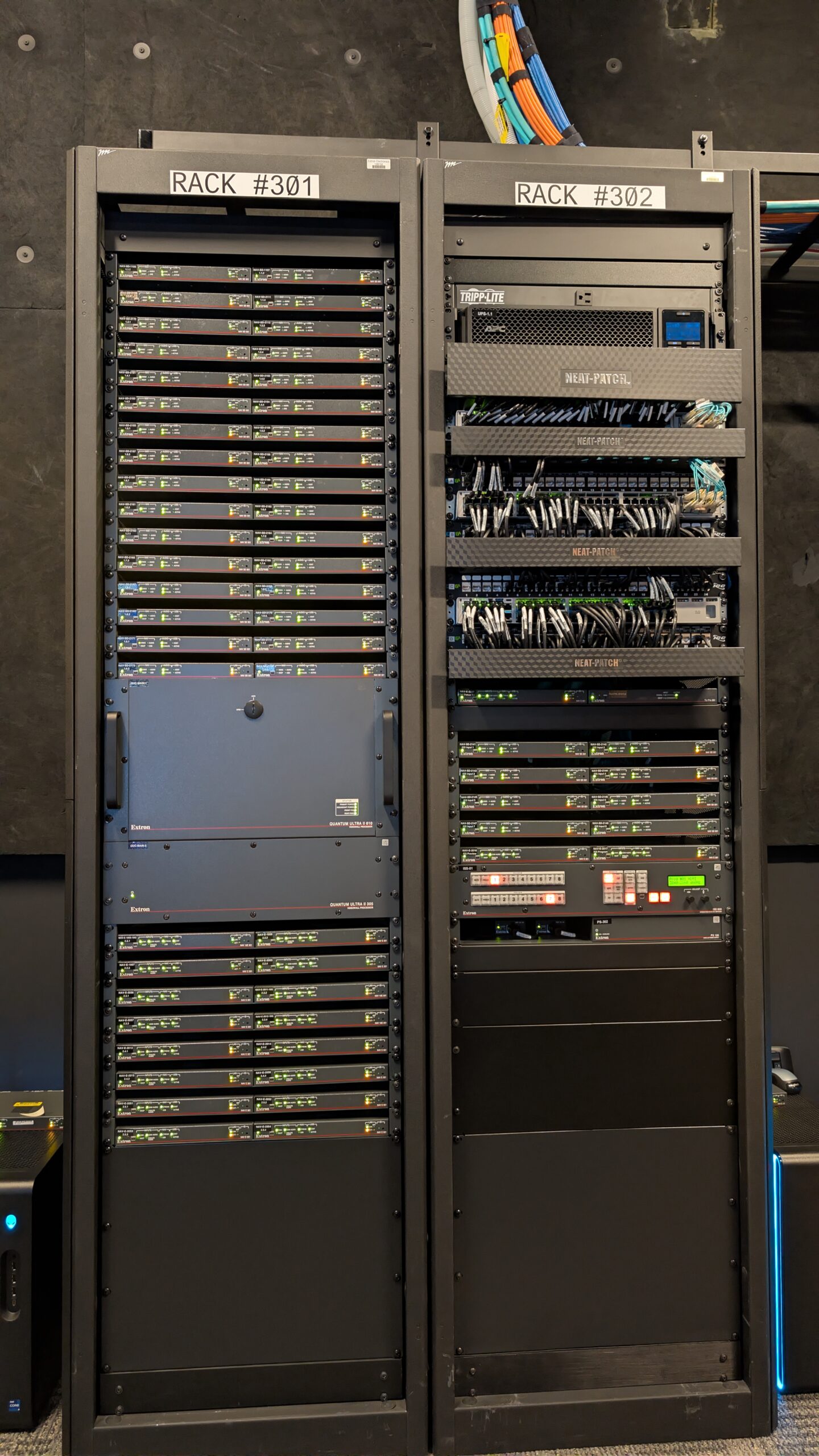
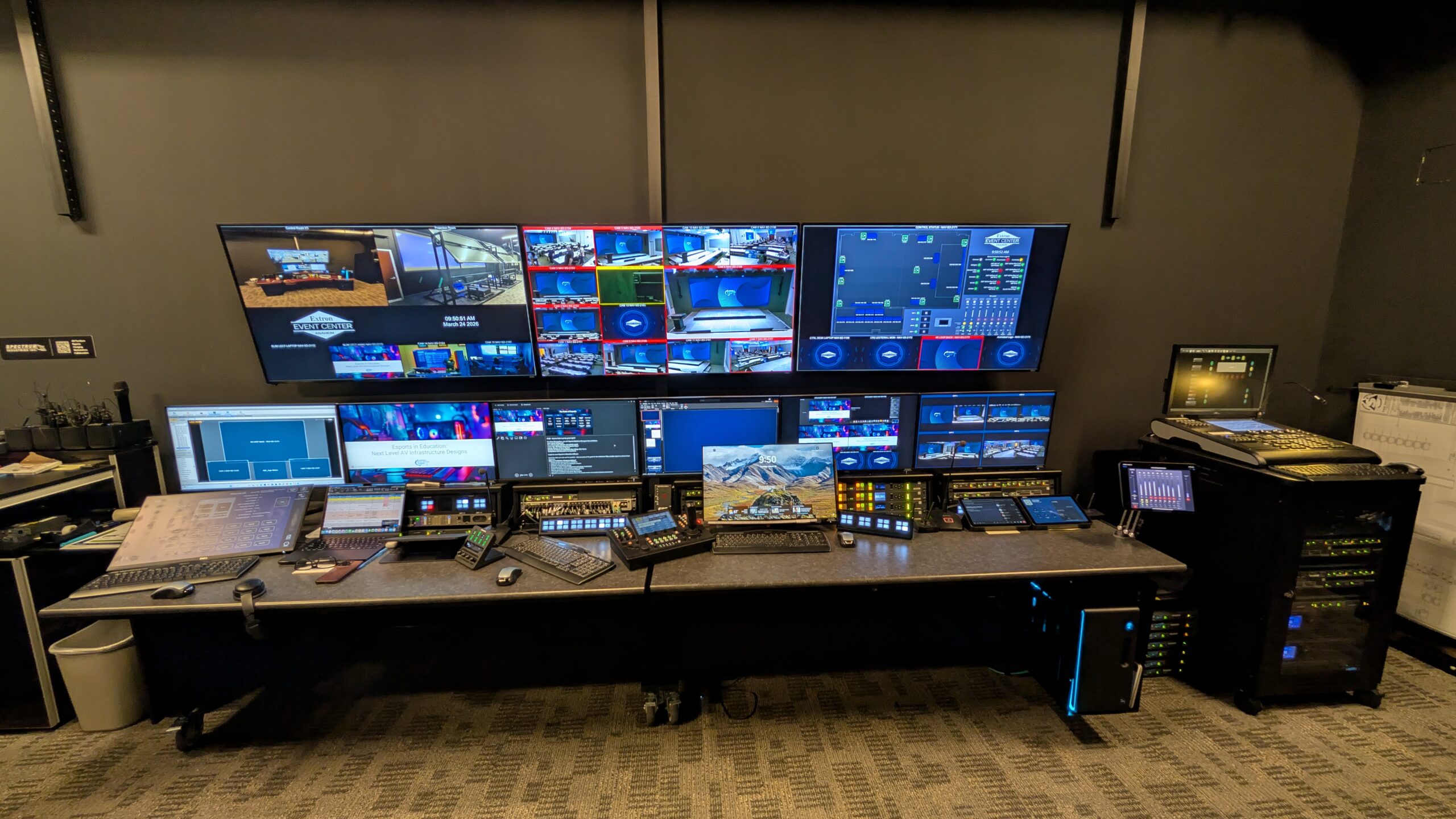
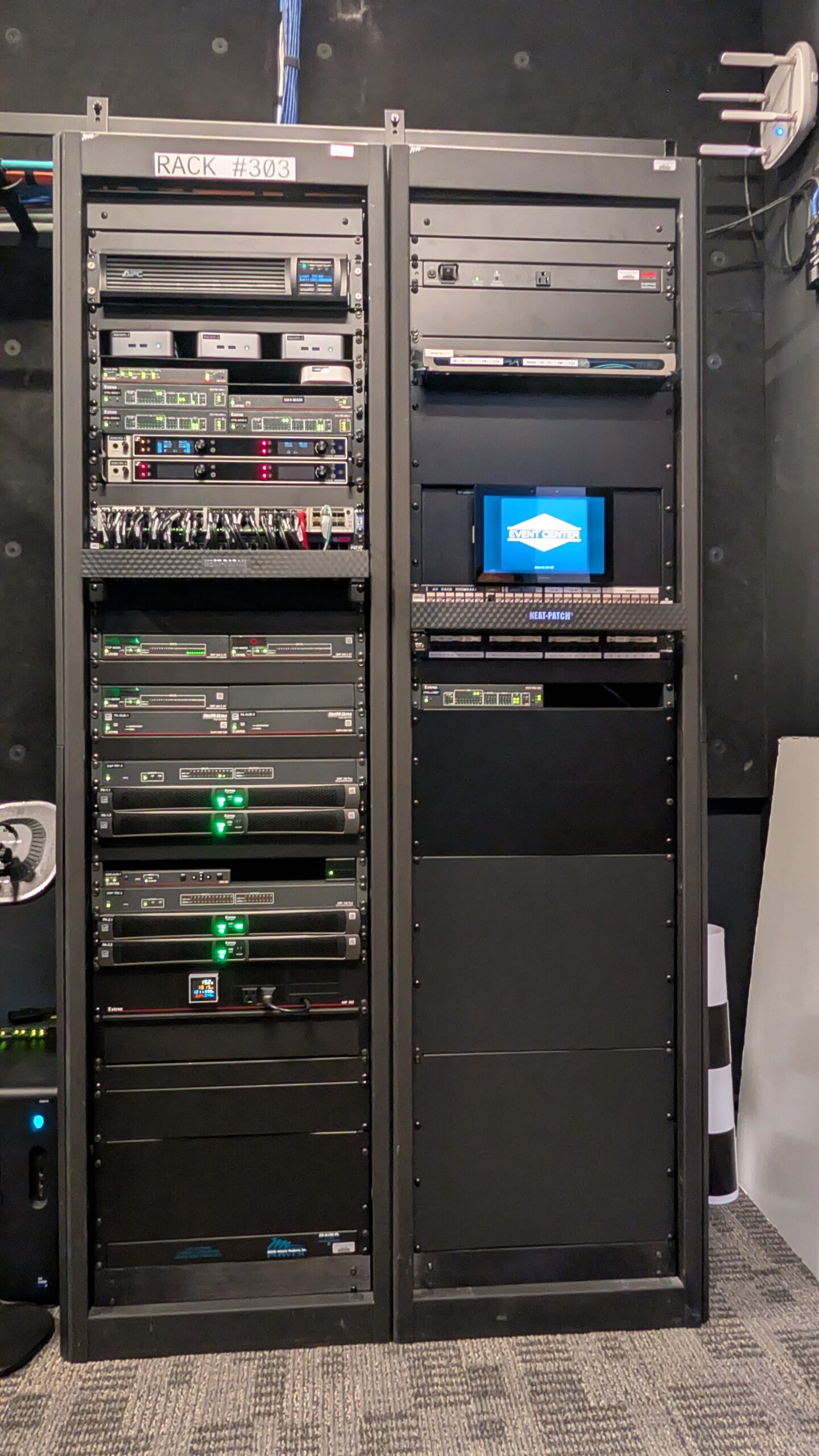
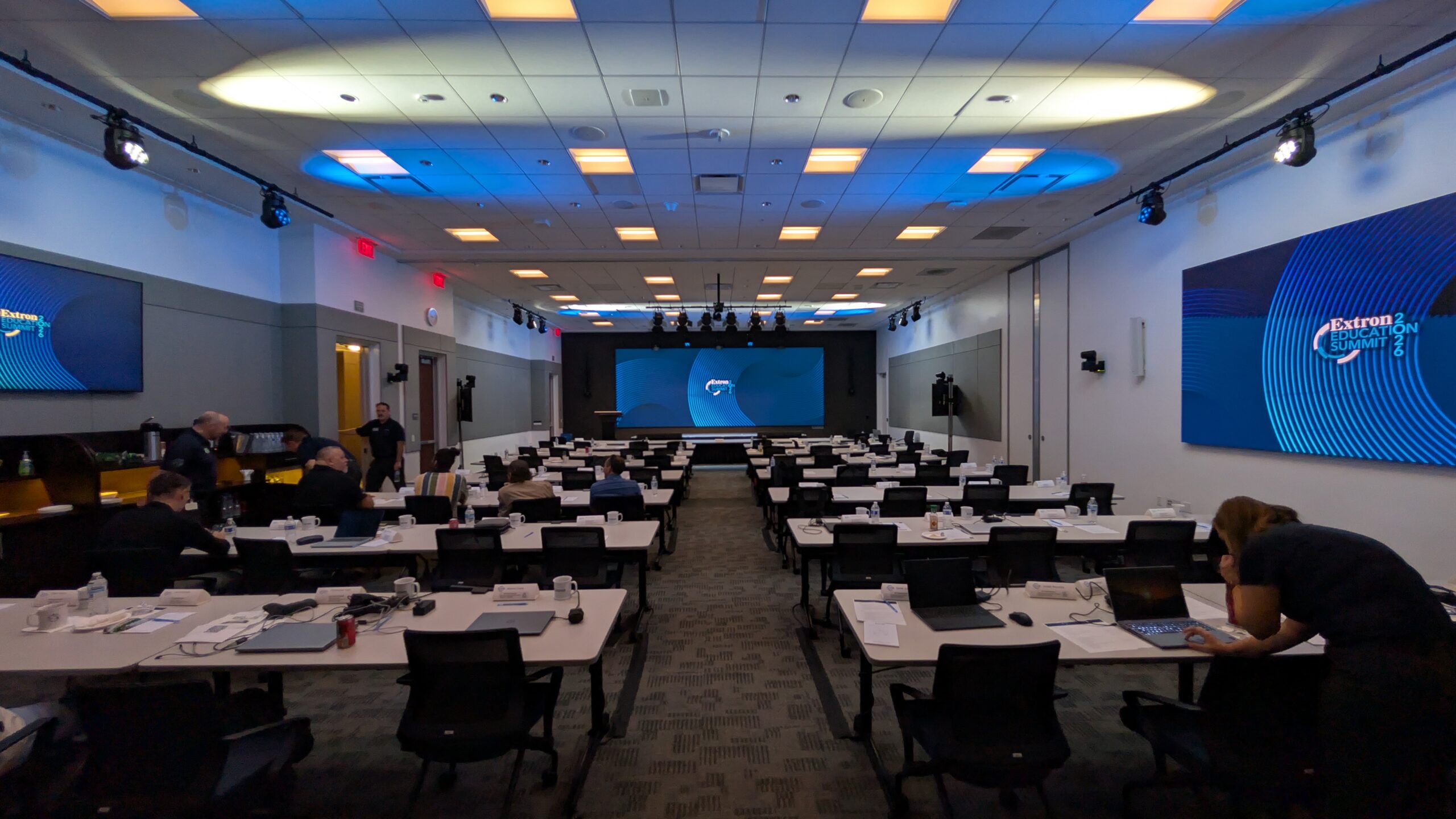
The events space illustrated just how much Extron’s internal environments continue to evolve. While earlier designs were centered on XTP, this space now runs on a 1G NAV network with 10G infrastructure pushed to the walls. The room can be divided into two independent spaces, each supported by multiple control processors, speaker zones, program audio, and subwoofers.
Camera infrastructure was equally robust, with more than a dozen cameras integrated into the control system for tracking and production. Roughly 200 endpoints feed into the core, allowing for flexible routing and monitoring. The design reflected lessons learned from real-world deployments rather than a static showroom concept.
Esports and Experiential Spaces
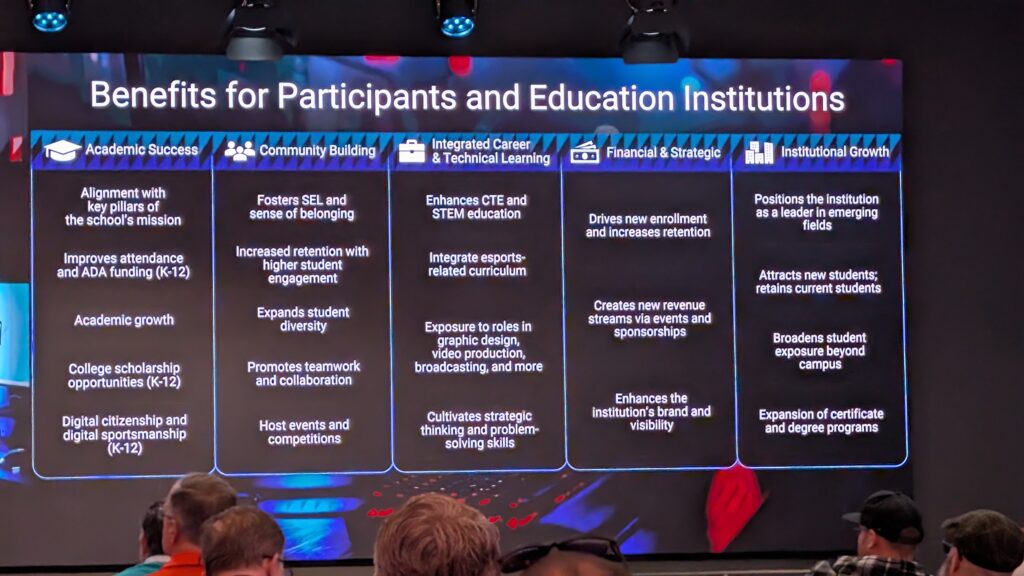
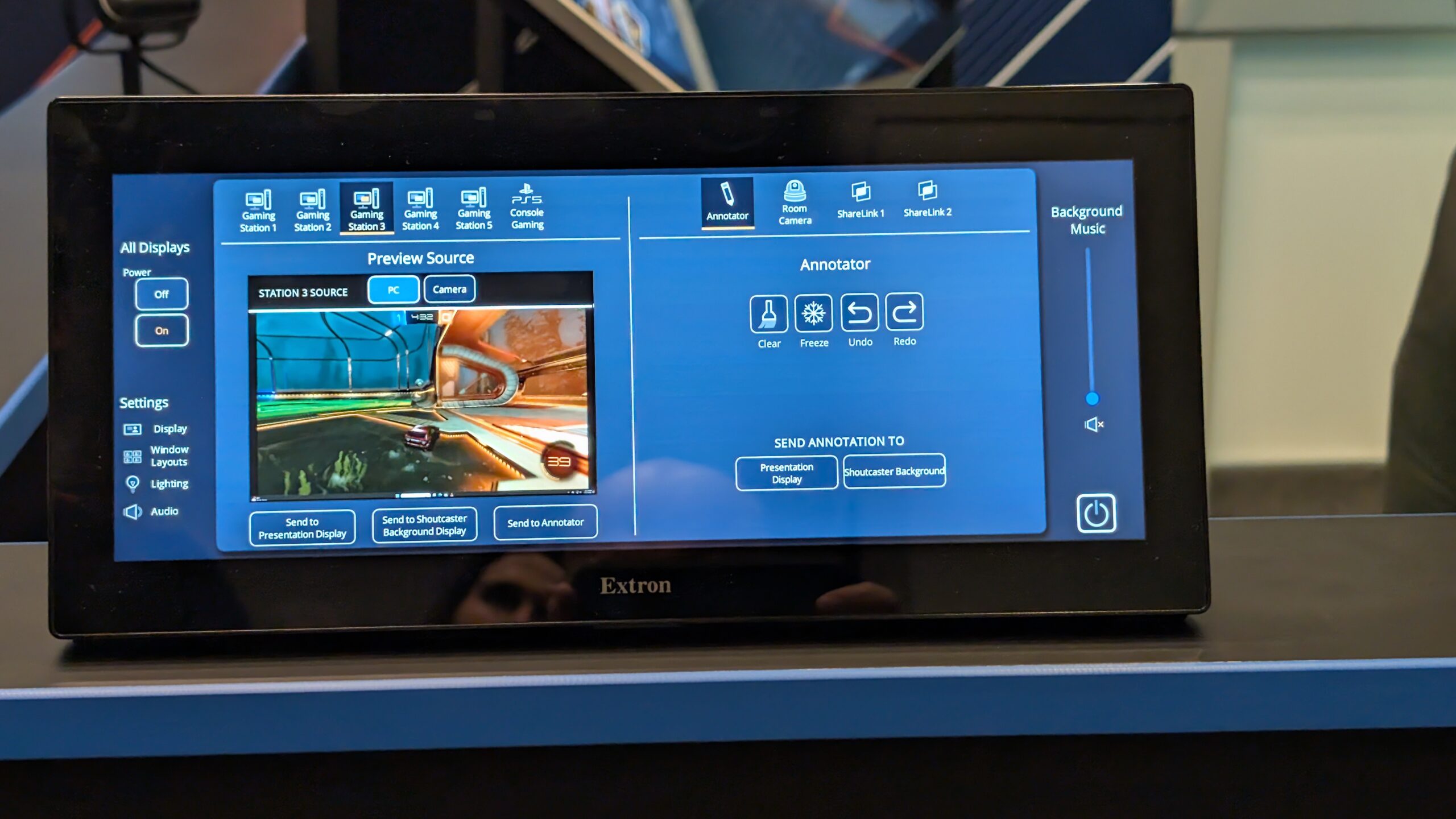
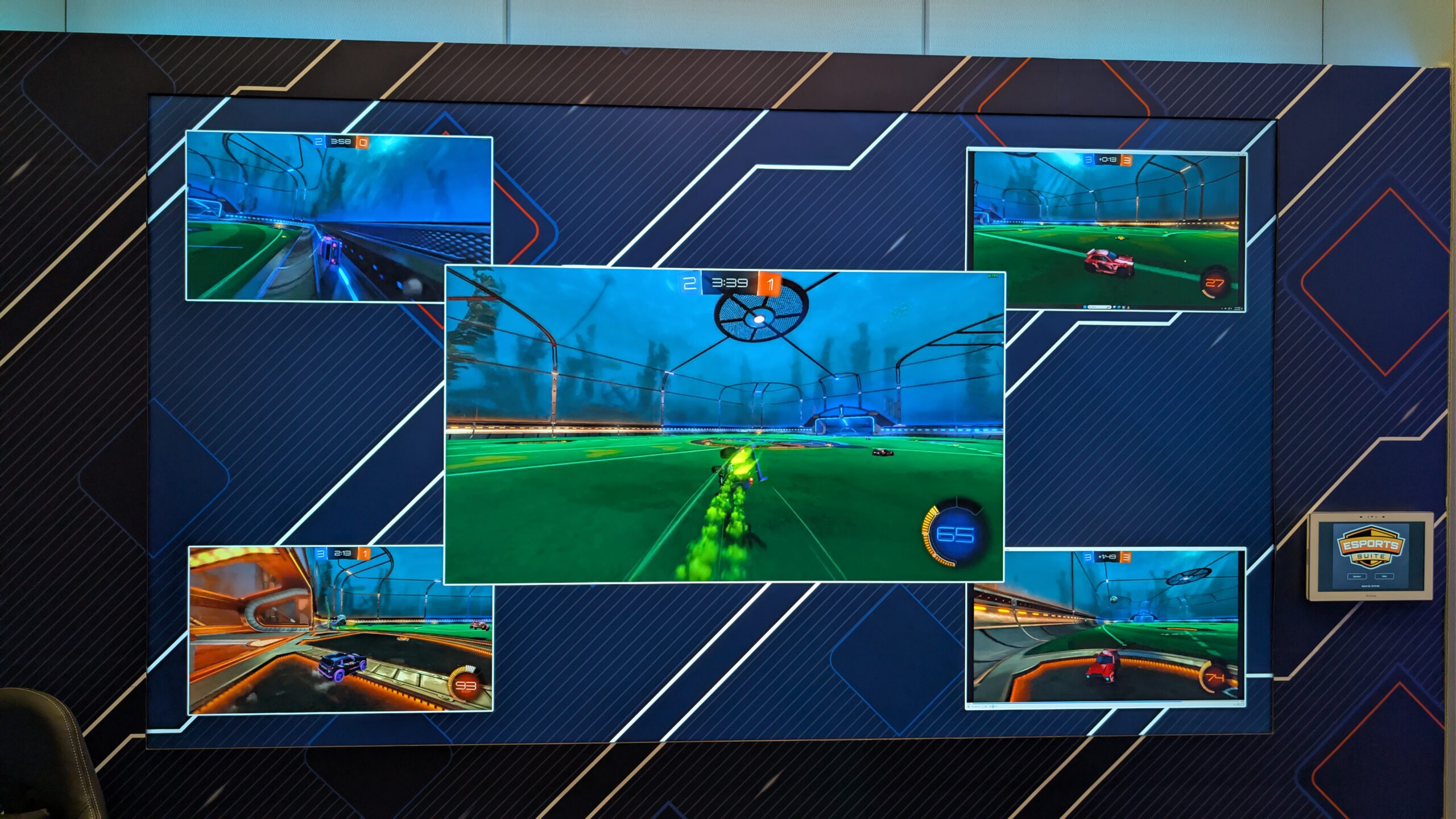
The esports area expanded the conversation beyond AV infrastructure into recruitment, student engagement, and academic alignment. Esports is increasingly recognized as a legitimate sport in many states, and institutions are leveraging it as both a competitive outlet and an academic tool. Six-station configurations allow full teams to compete in standard titles, while the same spaces are often repurposed during the day for design work or coursework.
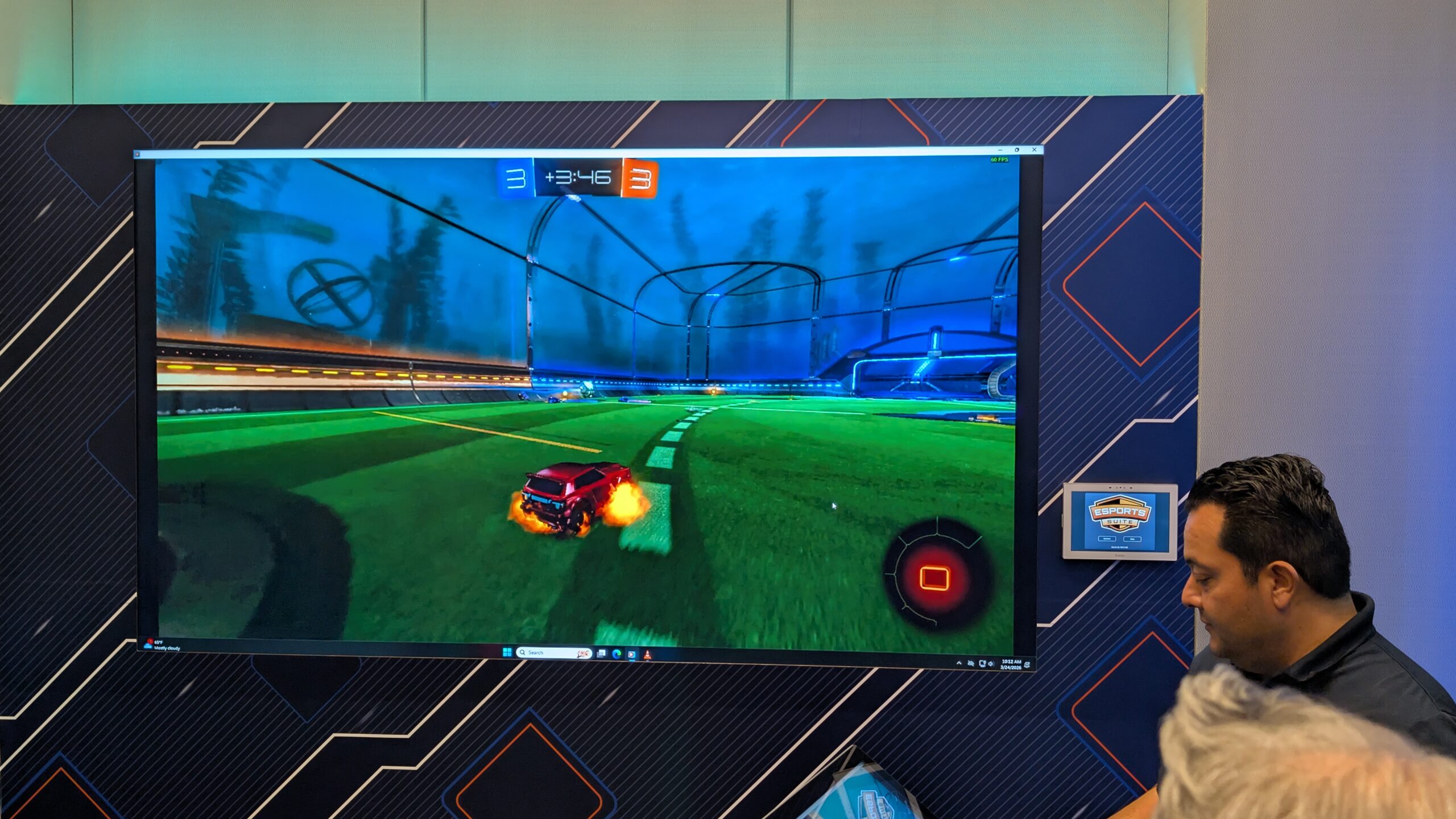
Every camera and PC feeds into NAV encoders, with a Quantum video processor enabling flexible viewing and review. This setup supports casting, production, and film-style VOD review workflows. Extron’s CompKit was positioned as a starting point for institutions looking to deploy esports systems that are portable, scalable, and easier to support. The broader theme was intentional flexibility and designing spaces that serve multiple missions without compromise.
Sustainability and Ecofficient Design
Sustainability discussions focused less on marketing language and more on measurable outcomes. Extron’s approach centers on controlling the full lifecycle, from design and engineering through manufacturing. Energy efficiency, long product life, cool-running designs, and system longevity all feed into that strategy.
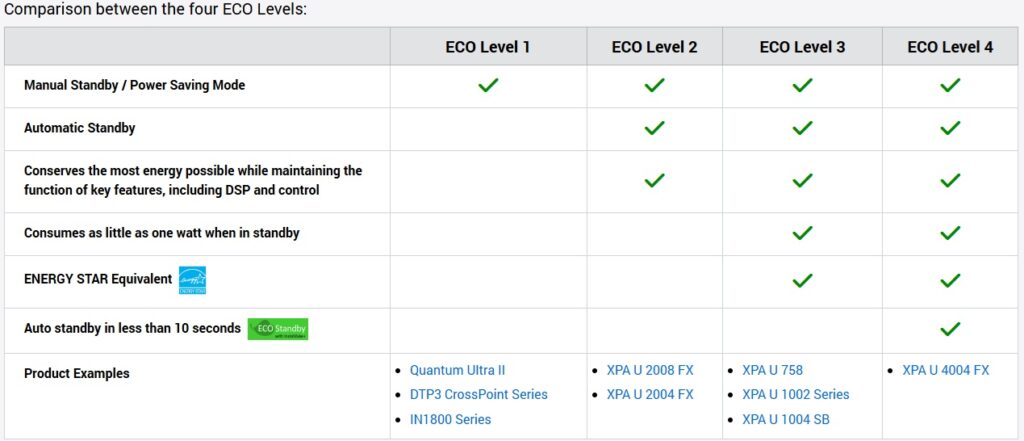
The Ecofficient initiative organizes products into four tiers, with ECO 4 exceeding current Energy Star requirements, even as those standards are being sunset. Power supplies rated for over one million hours, gallium nitride designs for improved reliability, and ultra-fast wake times were all highlighted. Occupancy sensing, usage metrics, and smart power management allow systems to reduce consumption without compromising usability. The message was clear: sustainability is a design decision, not an afterthought.
Spotlight on West Point
The West Point case study focused on modeling, simulation, and gaming as tools for training and student well-being. With strict federal regulations driving increased technology constraints, the team emphasized dual-use spaces that support programming, simulation, and gaming using shared hardware.
Every cadet passes through these spaces during their first year, making them foundational rather than elective. The strategy has been incremental, starting with proof-of-concept deployments and expanding based on demonstrated outcomes. Esports and gaming were positioned not just as engagement tools, but as recruitment drivers. A recurring theme was the importance of understanding warranty support beyond surface-level promises, especially in mission-critical environments. There was also an emphasis on the quality of Extron’s support compared to others.
InstaWake+ and Eco Standby
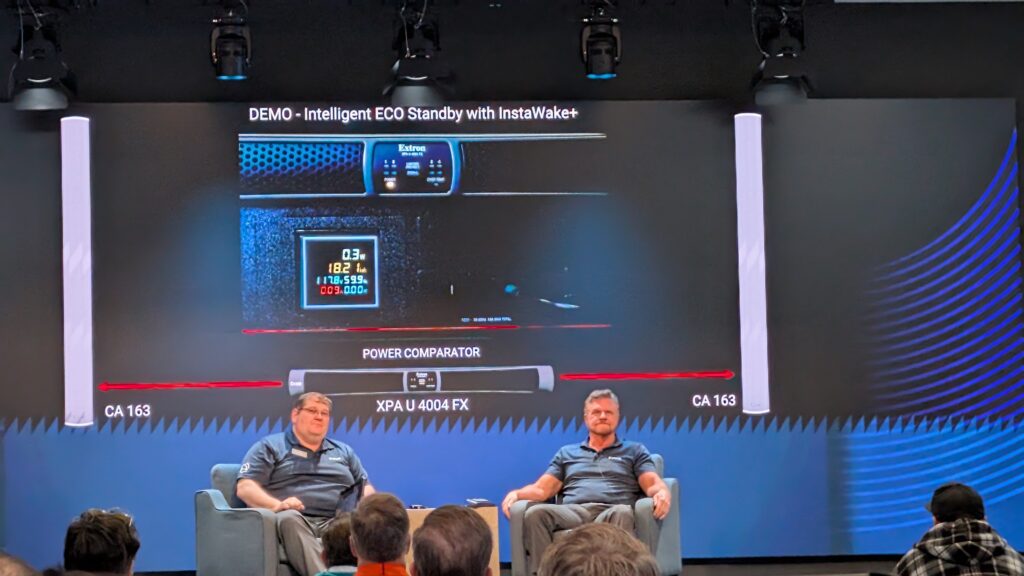
This session traced Extron’s long history with power supply design and the lessons learned along the way. They proudly stand behind their power supplies with over 1,000,000 hours mean time between failures. Heat remains the primary enemy of electronics, and even modest reductions in operating temperature can dramatically extend product life. Larger, slower-moving fans, high-grade materials, and efficient layouts all contribute to longevity.
InstaWake+ delivers near-instant wake times, while Eco Standby reduces power consumption to under a watt after inactivity. Devices with this feature can go into Eco Standby after 8 seconds and use InstaWake+ to function normally after less than 5 milliseconds, short enough to ensure no loss of content on waking. These settings are optional and can be disabled on the device. Design decisions extend down to physical details, such as resistor configurations that determine standby behavior. Even in standby, critical systems like Dante remain active. The takeaway was a consistent one: quality and durability outperform short-term cost savings.
AV Control Integration at Syracuse University
Syracuse University’s approach to AV control emphasized scale, standardization, and internal ownership. A small team designs, deploys, services, and maintains systems across more than forty buildings, residence halls, and multiple remote sites. Their environments range from huddle spaces to auditoriums with large-format displays, all managed through GlobalViewer Enterprise.
Control systems have shifted almost entirely from serial to IP, with private networks used for touch panels and processors that still report to centralized management. Dante and camera systems remain isolated at the room level to address faculty privacy concerns. Usage metrics, occupancy data, and source analytics inform ongoing optimization. The entire ecosystem is built around GCP, with minimal reliance on scripting beyond specific needs.
USB‑C Unleashed: Transforming Pro AV Connectivity and Performance
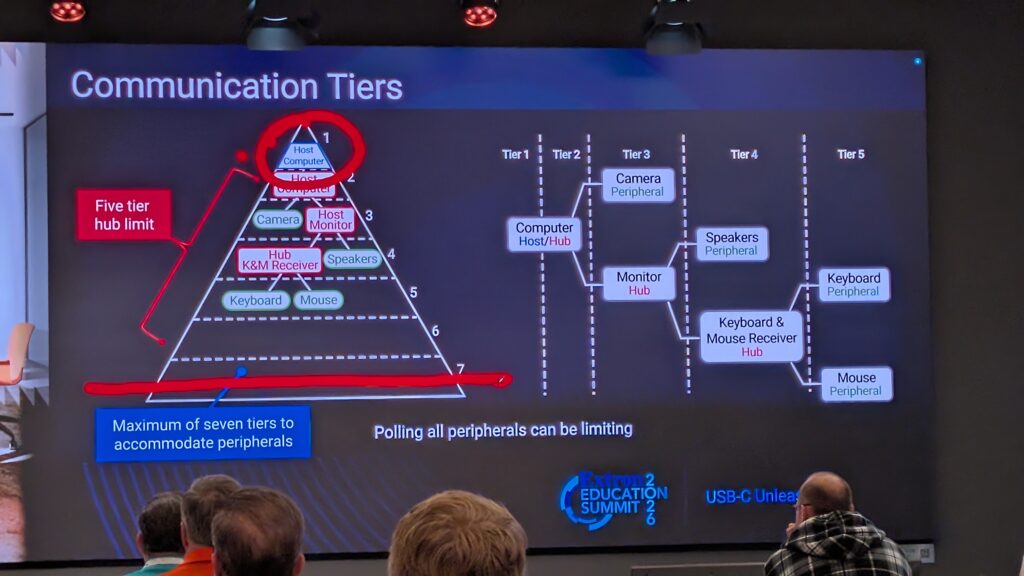
USB‑C discussions centered on UX (user experience) and the human interface (HI). The connector mirrors what users already expect from personal devices, reducing friction and confusion. However, the underlying complexity remains significant. Lane usage, cable quality, power delivery, compatibility, and hub limits all play a role in performance.
Cables emerged as a critical decision point. USB 2.0, USB 3.x, USB4, and Thunderbolt all carry different constraints around speed and distance. Active cables, fiber extensions, and proper e‑marker communication help manage those limitations. Features like Alternate Mode allow uncompressed AV, while protocols such as NDIS enable device access without IP reconfiguration. The recurring reminder was simple: not all USB‑C cables are created equal, and what you buy at a gas station likely won’t do much beyond power.
Designing for System Security and Integrity
Security discussions framed AV systems as valuable targets rather than peripheral infrastructure. Examples ranged from historical breaches to modern vulnerabilities introduced through embedded operating systems. The attack chain, from infiltration through persistence, reinforced the need for layered defenses.
Special notice was given to the European Cyber Resilience Act, set to roll out in December of 2027. This act puts significantly more stringent standards on connected hardware and software and will impact how higher education institutions need to maintain and purchase their technology. While this is currently just planned in Europe, these things have a way of coming over to the United States.
Tools like CVE monitoring, CISA briefings, and vulnerability testing platforms were highlighted as practical resources. The balance between accessibility, usability, and security remains a constant challenge. As AI continues to evolve, the conversation emphasized distinguishing between rule-based automation, machine learning, and truly generative systems, particularly as these tools begin to appear in cameras, control systems, and documentation workflows.
What’s Next
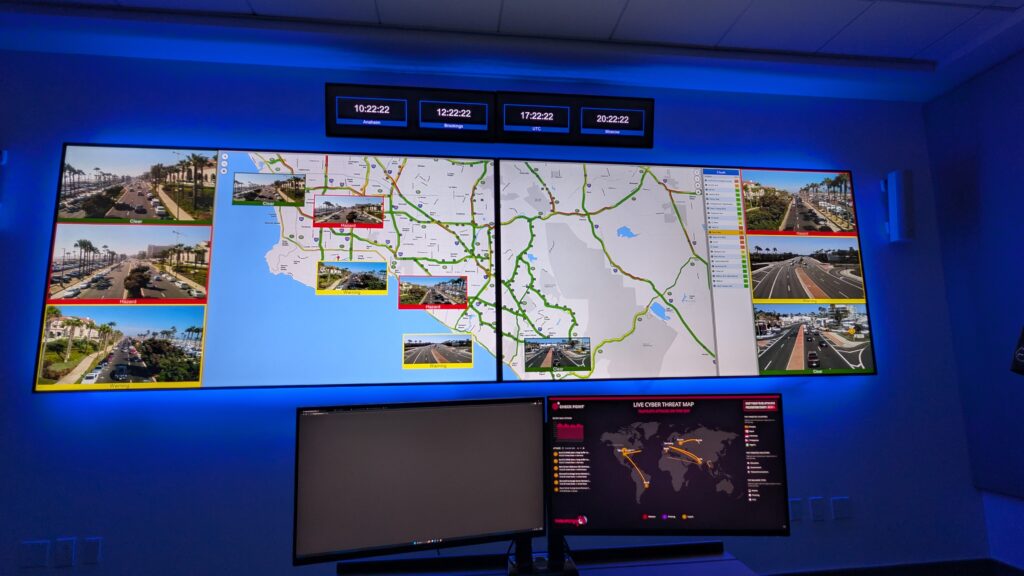
Extron maintains many offices and similar experiences can be had at each. Soon they will have offices in Anaheim, DC, Las Vegas, New York, Raleigh, San Jose (opening later this year), Amersfoort, and Syndey.
Extron S3 Support
The final session highlighted Extron’s support structure, from system design engineers and application engineers to specialized teams focused on control, networking, and audio. Engineers have access to legacy and current products for testing and training, ensuring long-term expertise across the portfolio. Validated switch lists for NAV and global support offices reinforce the emphasis on consistency and institutional trust.
Brief Interviews
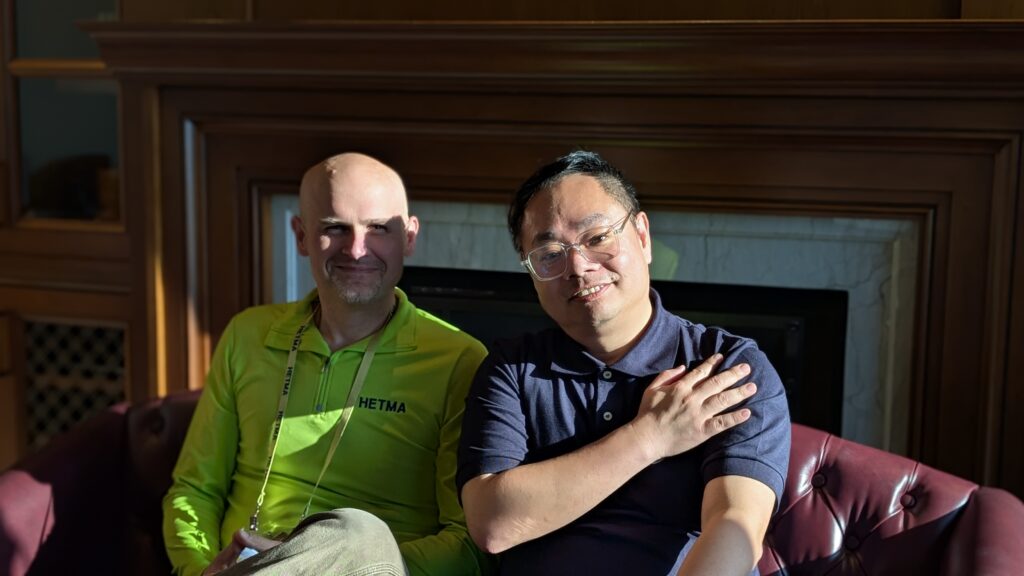
My time at Extron was packed. I had hoped to record more interviews about people’s experiences, but the schedule did not really allow for it. During dinner on the second night, I was able to capture a few brief interviews in a very informal way. While I would have liked to do more, each of these still offers useful insight into what people took away from a fast‑paced two‑day experience.
Interview with Patrick Keeling and Nick Rickman at Extron Education Summit 2026
Closing Reflections
Across both days of the Spring Education Summit, what stood out most was the intentionality behind the work. The sessions were technical, detailed, and at times deeply granular, but they consistently tied back to real campus needs and long-term thinking. Whether the topic was network design, power management, security, or control system strategy, the focus stayed on reliability, supportability, and designing systems that age well rather than chasing short-term trends.
Just as important were the conversations outside the formal sessions. Talking with peers from institutions of all sizes reinforced how our challenges are shared, even when our campuses look very different. The openness around design decisions, trade-offs, and lessons learned made the summit feel less like a vendor event and more like a working session among colleagues.
A sincere thank you to Extron for hosting the summit and for creating space that prioritizes higher education voices. From the engineering depth to the willingness to pull back the curtain on internal processes, the experience reflected a long-term investment in the community rather than a single event. It was time well spent, and the kind of engagement that continues to shape how many of us think about learning environments back on our own campuses.
This article reflects observations and conversations from the second day of the Extron Spring Education Summit 2026. Impressions are based on what was witnessed and discussed during sessions and may not capture every detail of the presentations.