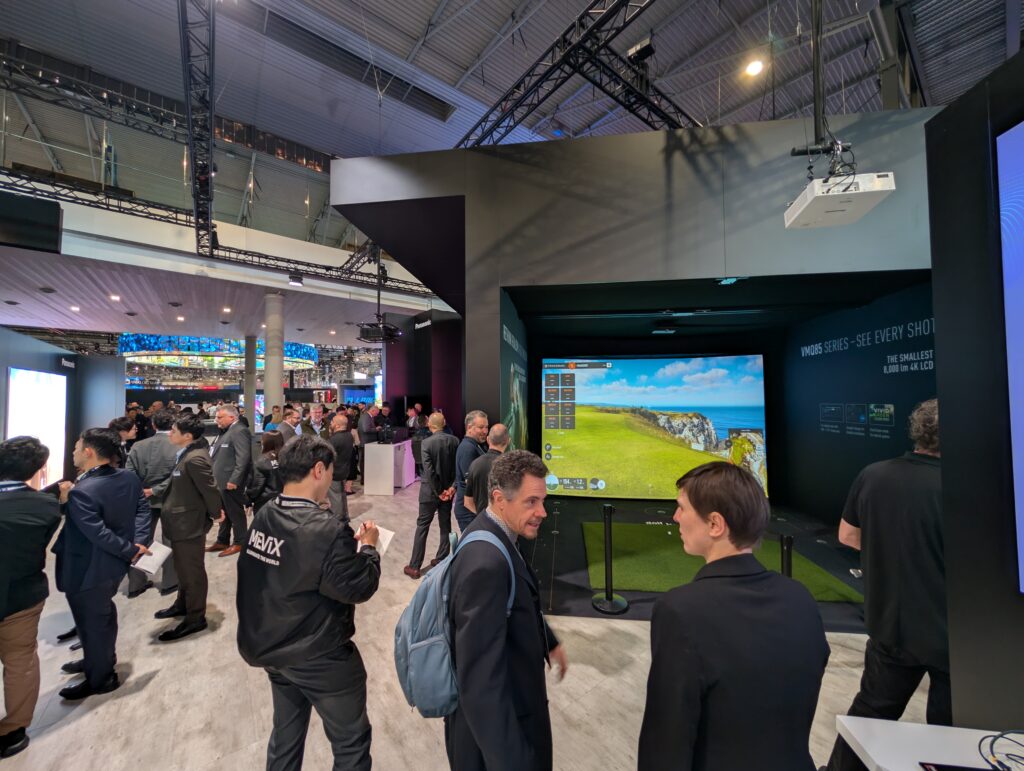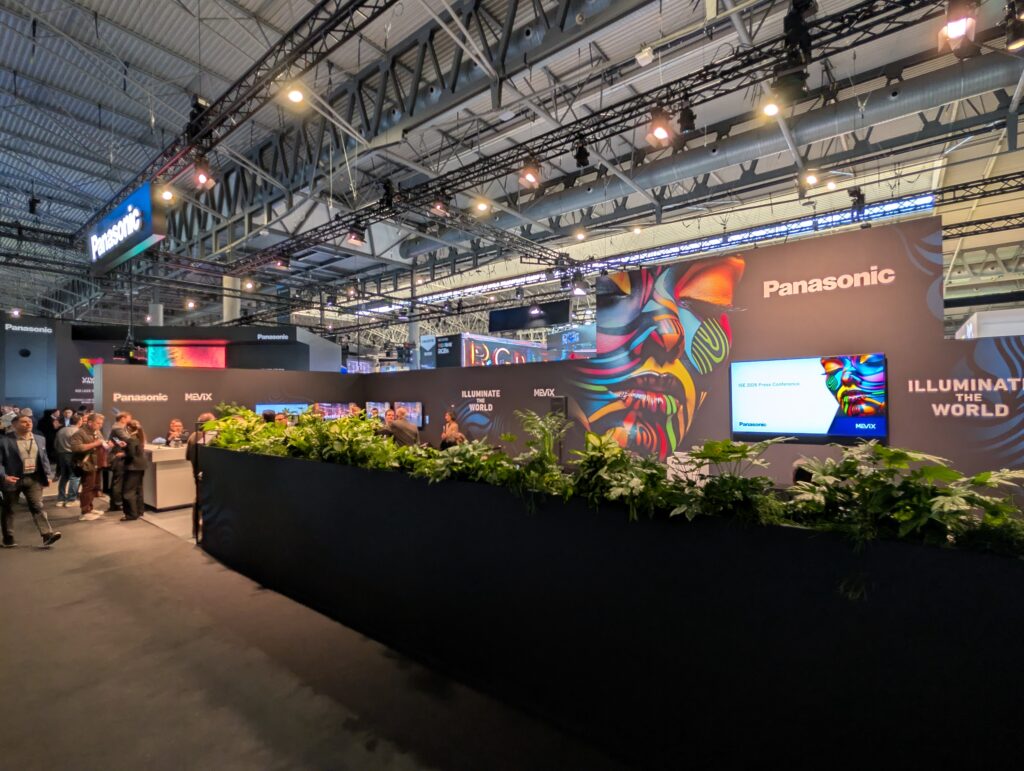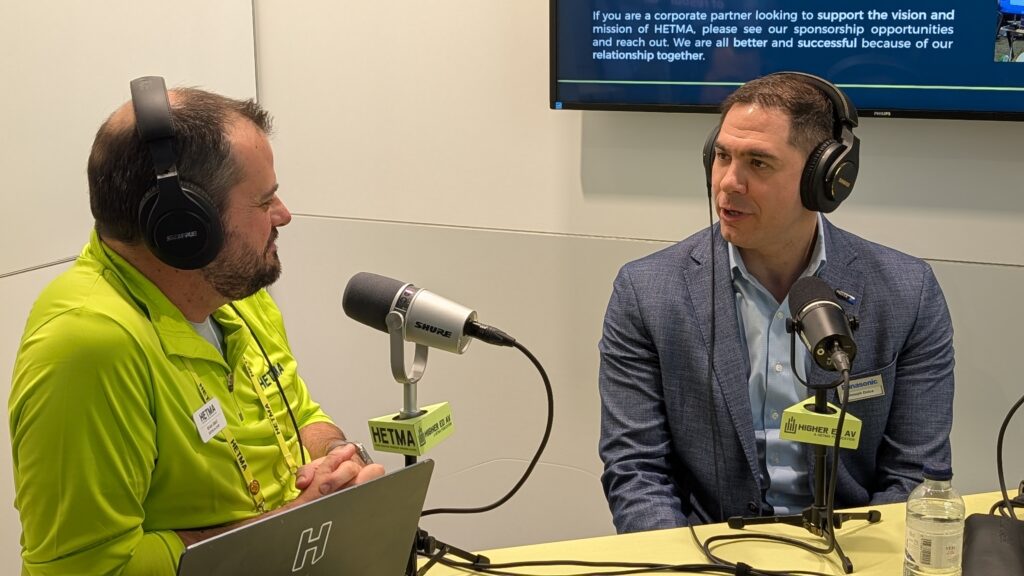
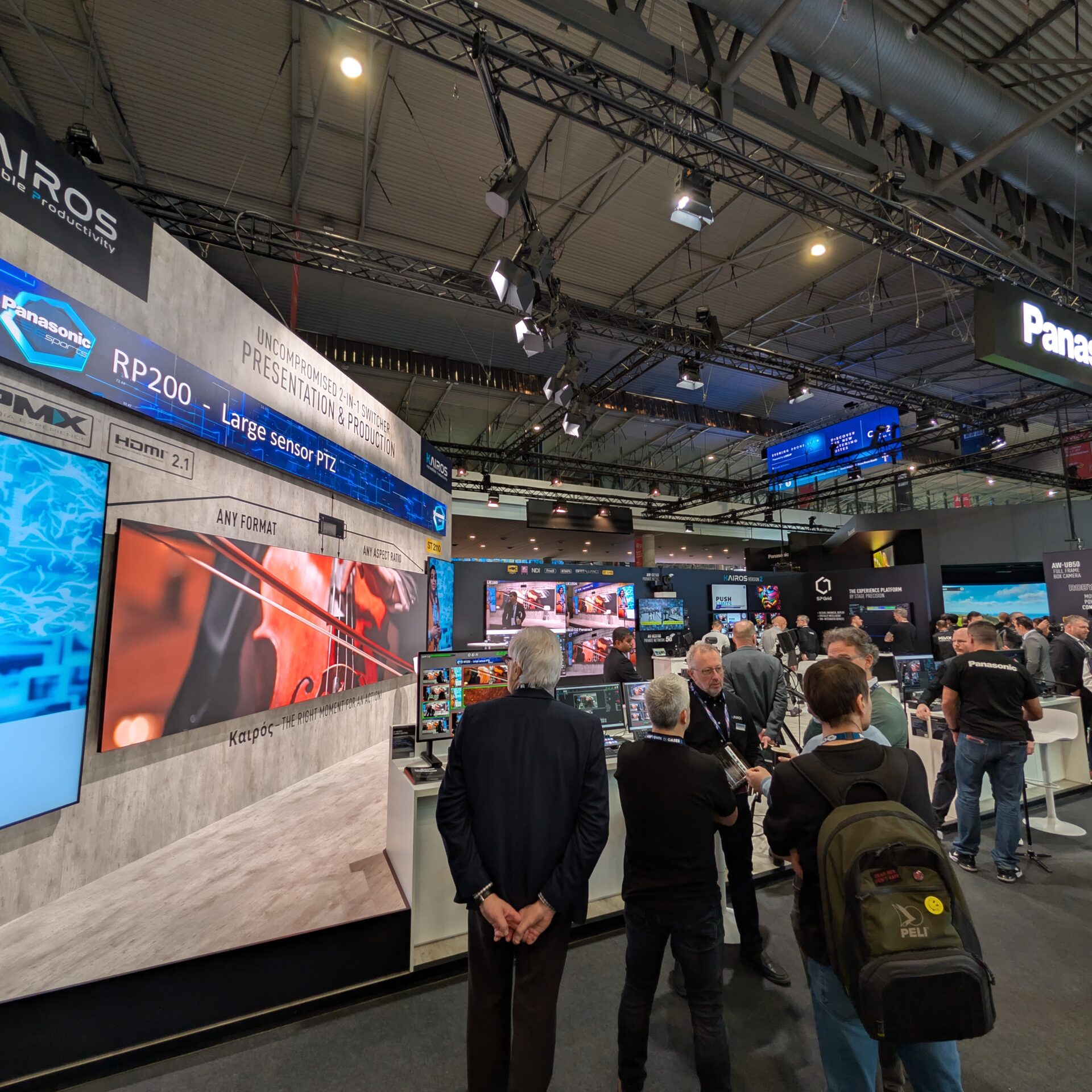






Panasonic Professional Projector and Display’s team has a familiar higher ed problem statement this year: keep classrooms and shared spaces up and running with less scramble, fewer one-off tools, and faster recovery when something does go wrong. On the show floor, Joe Dolce framed it as a product roadmap that is still moving forward, with new releases landing now instead of “someday.” He also talked about the organization evolving inside Panasonic, including a tighter Americas structure and planned integration across more of the region.
A big part of the higher ed story at ISE is not a single display or projector. It is what happens after deployment. Joe kept coming back to two things campuses care about in the real world: monitoring that helps you stay ahead of failures, and support programs that reduce downtime when failures happen anyway.
“Our new remote monitoring software is probably one of the biggest highlights for the education department.”
One hub, one view, and more preventative maintenance
On the monitoring side, Joe described a new remote monitoring platform designed to be a single hub instead of a set of disconnected tools. The intent is straightforward: one place to see status across Panasonic projectors and displays, and a deeper layer of actionable insight than earlier “early warning” approaches. He described it as pushing further into preventative maintenance, using the device sensor data already in the fleet to help teams interpret what the system is telling them before a room goes down.
The way Joe explained it will land with anyone who has stared at vague fault codes during peak week. Lots of projectors have sensors. The gap is translating sensor noise into meaning. This system is meant to reduce that gap so you can intervene earlier, with fewer surprises.
“We have probably about one hundred and one hundred fifty sensors in those projectors. And if they go off, you don’t know what they actually mean. Right. This helps identify them.”
That “identify it sooner” idea is an operational win for higher ed because it shifts effort away from crisis response and toward planned work. It also tends to reduce user frustration, because the most visible failures are often the ones that happen right before a class starts.
Hot Swap support that matches classroom reality
The second theme was speed of recovery. Joe talked about Panasonic’s longstanding five-year education warranty and a newer hot swap approach designed to get replacement units into schools quickly when there is a failure. The tone here was not marketing. It was about minimizing downtime in the middle of a term, when “we’ll ship it when we can” is not an acceptable answer.
“Now we have the hot swap program as well. If you have a problem, you call it in. Boom, the next day you have one at your doorstep…”
If you manage a large fleet, you know why this matters. Support models become part of the standard just as much as brightness and resolution. A program that shortens outage windows can be the difference between a room standard people trust and a room standard people avoid.
DVLED that fits a refresh cycle, not a fantasy cycle
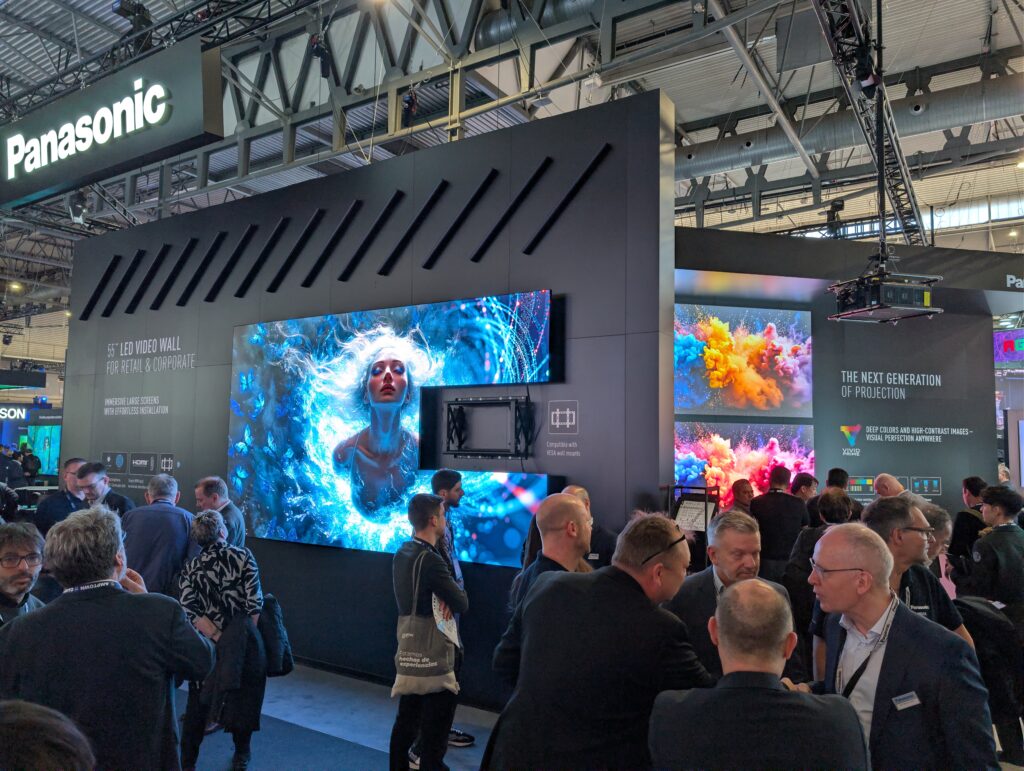
Joe talked about campuses moving from projection to dvLED and the need for realistic options that align to refresh cycles. Panasonic’s ISE story includes dvLED sizes that map to common large-format classroom and gathering-space use cases, plus a modular approach built around 55-inch building blocks that can scale up to larger canvases with straightforward connectivity.
The discussion went into new dvLED options including 137-inch and 165-inch sizes, and a 55-inch dvLED “chip-on-board” (COB) approach meant to be easier to deploy and more durable in real environments. Panasonic is publicly showing a 55-inch COB dvLED panel at ISE 2026 (TL-55LV12A) and positioning it as an HDMI-ready building block for video wall and large-format builds.
This all matters for higher ed because a lot of campuses have older video wall installs reaching end-of-life but do not want a complicated, controller-heavy replacement path. A simpler building-block model can make dvLED refreshes feel less like “special projects” and more like repeatable infrastructure.
A campus-facing roadmap, plus a place to experience it
One more practical note Joe shared is that Panasonic is investing in customer experience centers, with an additional location planned. Panasonic already operates experience centers in Hoffman Estates and Buffalo. The higher ed value is direct: more opportunities to get hands-on time with current products and workflows without waiting for a once-a-year trade show.
Where to see it at ISE
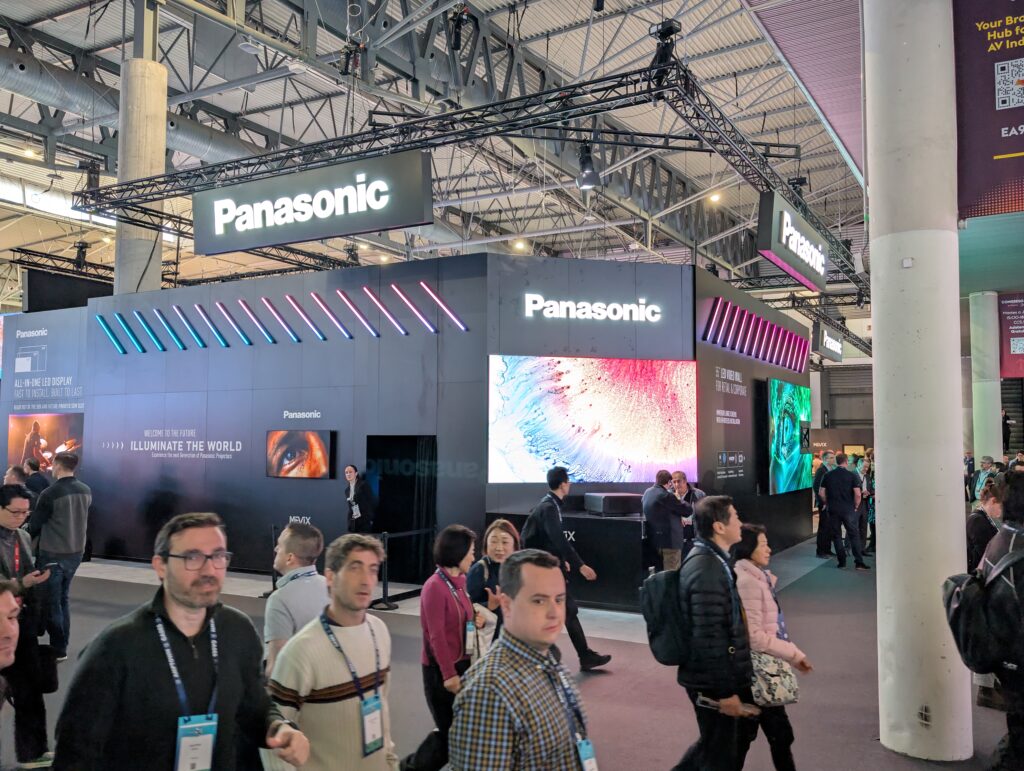
Panasonic’s ISE 2026 booth is 3J500. If you are building your ISE plan around higher ed operational needs, the best use of time here is not just looking at screens. Ask to see the remote monitoring workflow end-to-end, including the preventative maintenance signals, and ask how hot swap support works in practice for education deployments. Then connect that to your refresh roadmap, especially if dvLED is becoming part of your large-format classroom or common-area strategy.
Make sure to watch the HETMA Community for more from Panasonic and check out all of this and more at their website.