
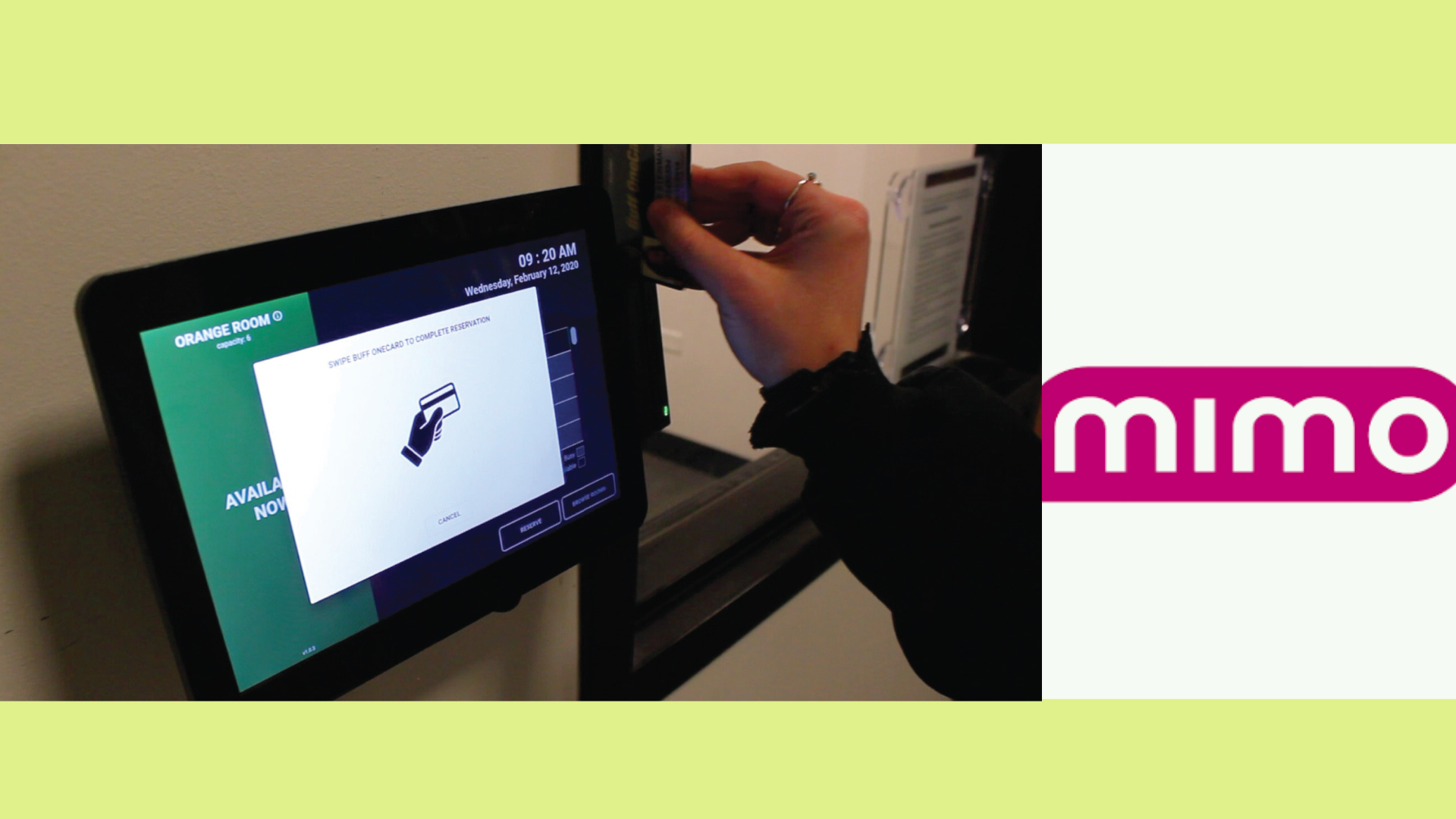
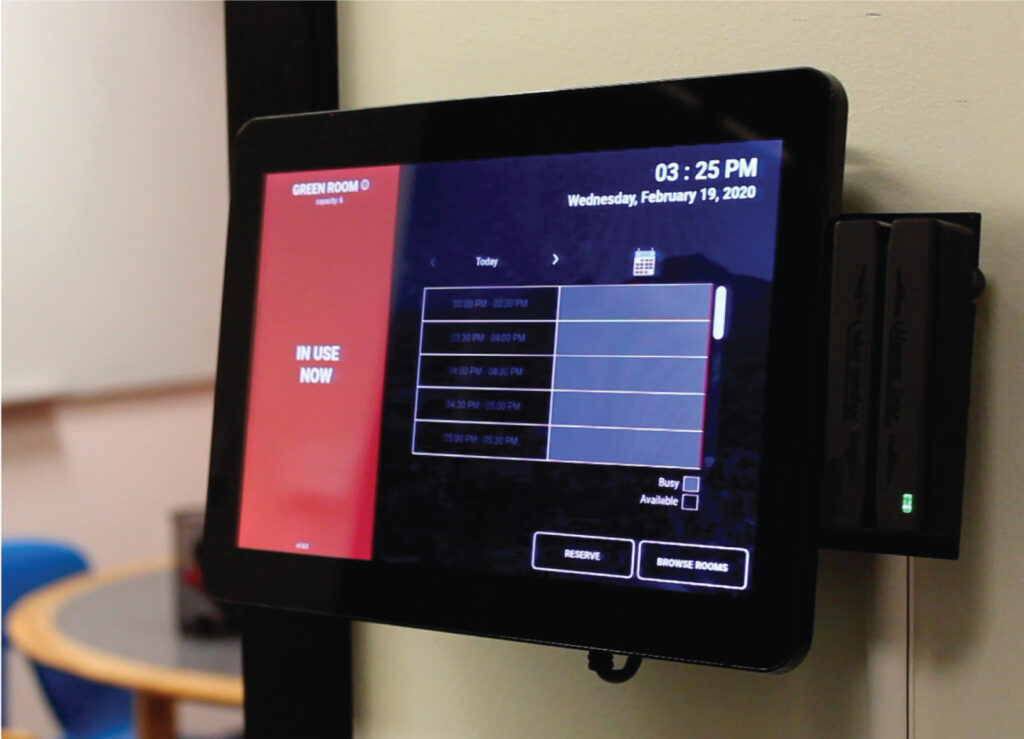
The University of Colorado Boulder tackled a challenge that many colleges and universities face: making it easier for students to access collaborative study spaces when they actually need them. Rather than requiring students to reserve rooms online in advance, the university implemented touchscreen scheduling panels outside individual study rooms, allowing students to see availability and make reservations on the spot. The goal was simple: remove friction from a common student interaction and create a more intuitive experience that matches how students use campus spaces today.
The project demonstrates how small technology improvements can have a meaningful impact on the student experience. By enabling point-of-use reservations, CU Boulder reduced barriers to accessing high-demand study rooms while improving visibility into room availability. The deployment also leveraged commercial-grade hardware designed for continuous public use, kiosk functionality to limit support needs, and a platform flexible enough to support future applications beyond scheduling. These practical considerations are particularly relevant for higher education IT and AV teams that must balance usability, reliability, and ongoing maintenance requirements.
For higher education technology leaders, the broader takeaway is that digital transformation doesn’t always require large-scale projects. CU Boulder’s approach highlights how targeted investments in student-facing technology can improve convenience, increase satisfaction, and better align campus services with modern user expectations. As institutions continue to rethink learning environments, projects like this illustrate the value of designing technology around real student behaviors while creating scalable platforms that can support future scheduling, wayfinding, or digital signage initiatives.
Read the full case study here.