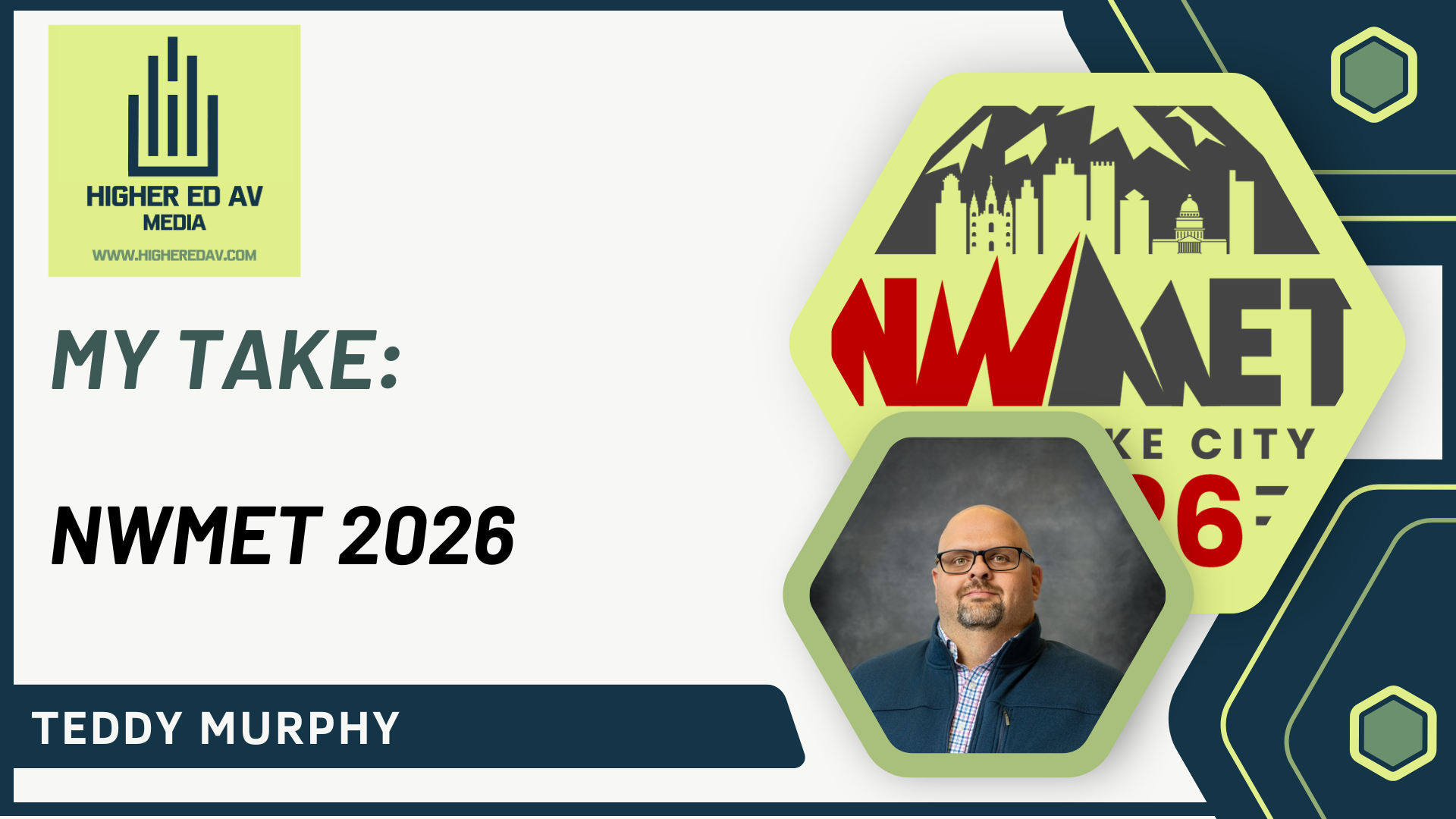


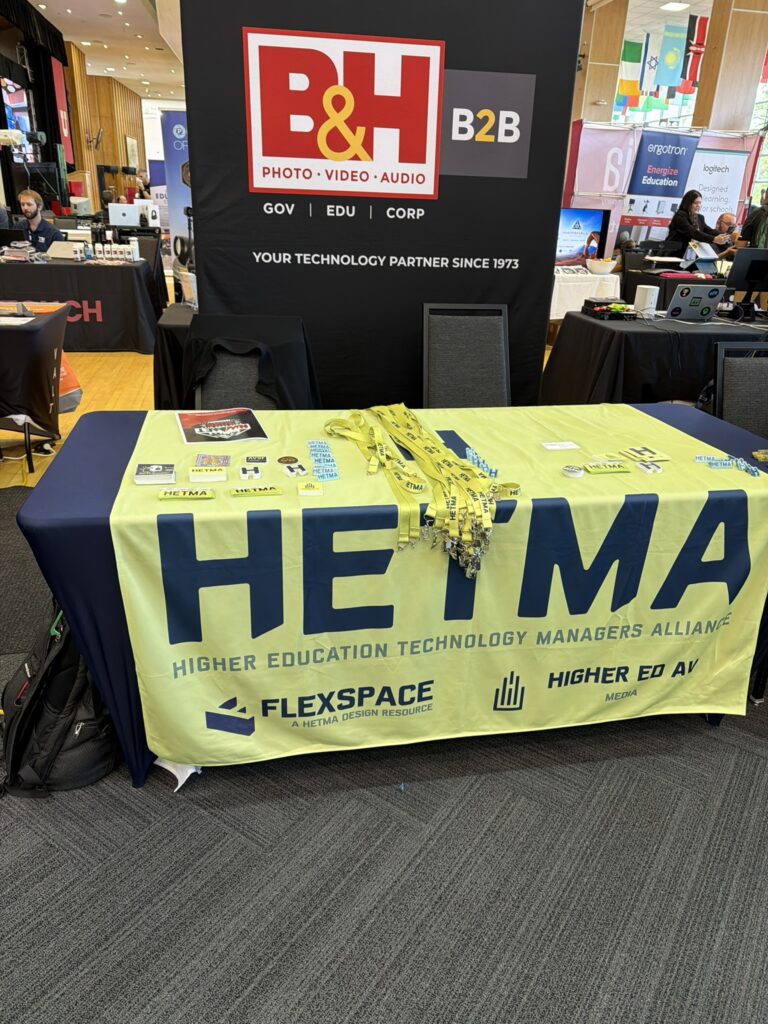
Every year, there are conferences that provide new ideas, introduce new technologies, and offer opportunities to earn professional development credits. Then there are conferences that remind you why you chose to work in higher education technology in the first place. For me, NW/MET 2026 was one of those conferences.
This year’s conference was jointly hosted by the University of Utah and Salt Lake Community College, providing attendees with a unique opportunity to experience two institutions with impressive technology programs and innovative learning environments. The collaboration between the two schools helped create an event that felt welcoming, engaging, and focused on the practical realities of supporting technology in higher education.
One of the most impressive aspects of NW/MET was the breadth of educational content available throughout the week. The conference schedule was packed with sessions covering everything from AV design and classroom technology to artificial intelligence, accessibility, project management, lecture capture, support models, and emerging technologies. There were sessions focused on distributed AV, system monitoring, learning space design, capital projects, and many other topics that directly impact our daily work.
In fact, one of my biggest takeaways from the conference was that I wish I could have attended every session. More than once, I found myself having to choose between multiple presentations that I genuinely wanted to attend. While that can be frustrating in the moment, it is ultimately a sign of a strong conference program. The quality and diversity of the sessions demonstrated the depth of expertise that exists within the higher education technology community.
The vendor showcase was equally impressive. With more than 80 vendors and technology partners in attendance, there was no shortage of opportunities to see new products, discuss future projects, and learn about emerging solutions. From AV manufacturers and collaboration platforms to networking and infrastructure providers, the exhibit area offered something for everyone.
Of course, the real value of a vendor showcase is not simply seeing the latest technology. It is having the opportunity to engage directly with manufacturers, ask questions, discuss challenges, and build relationships. Those conversations often provide as much value as any formal presentation.
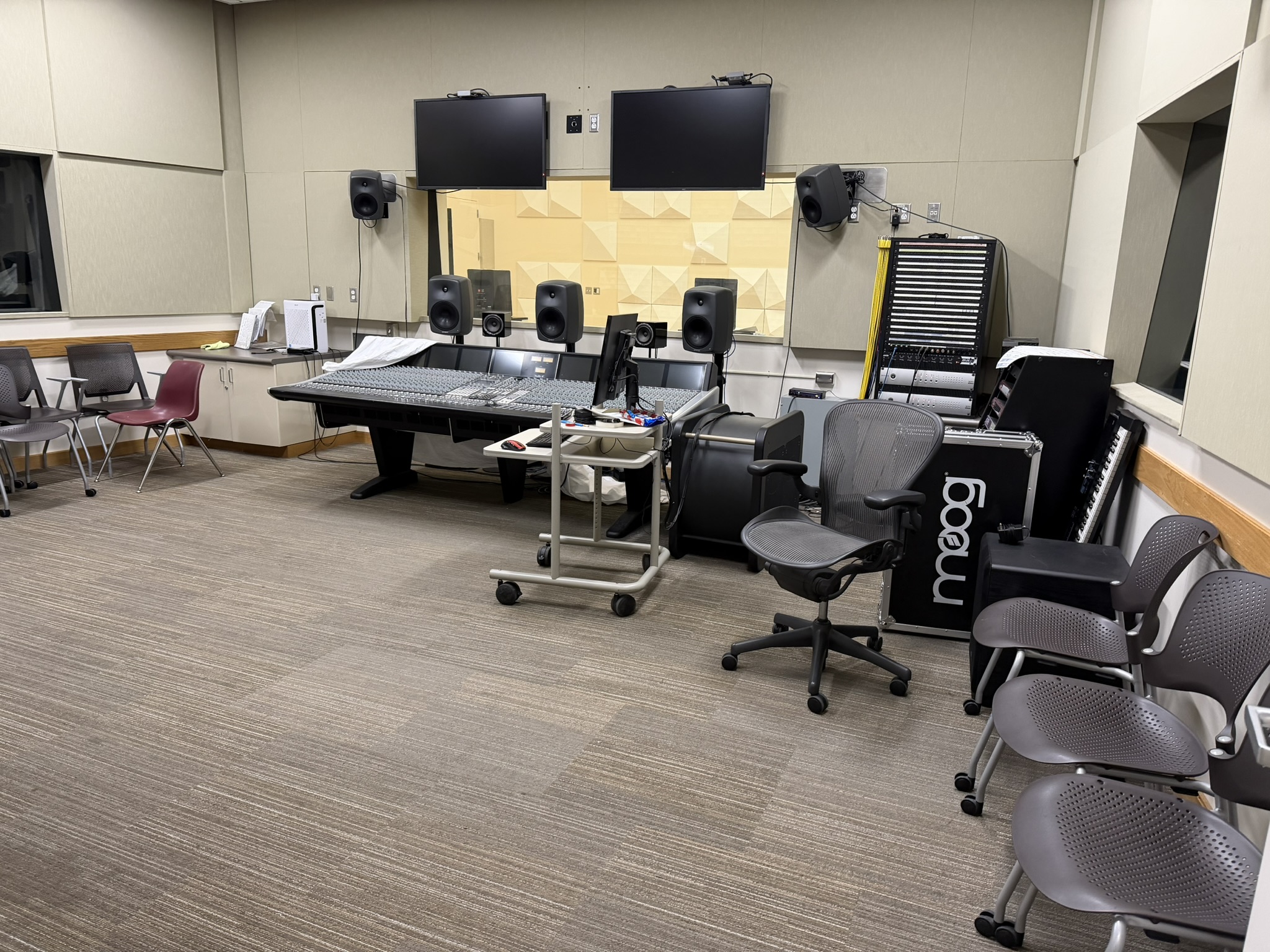
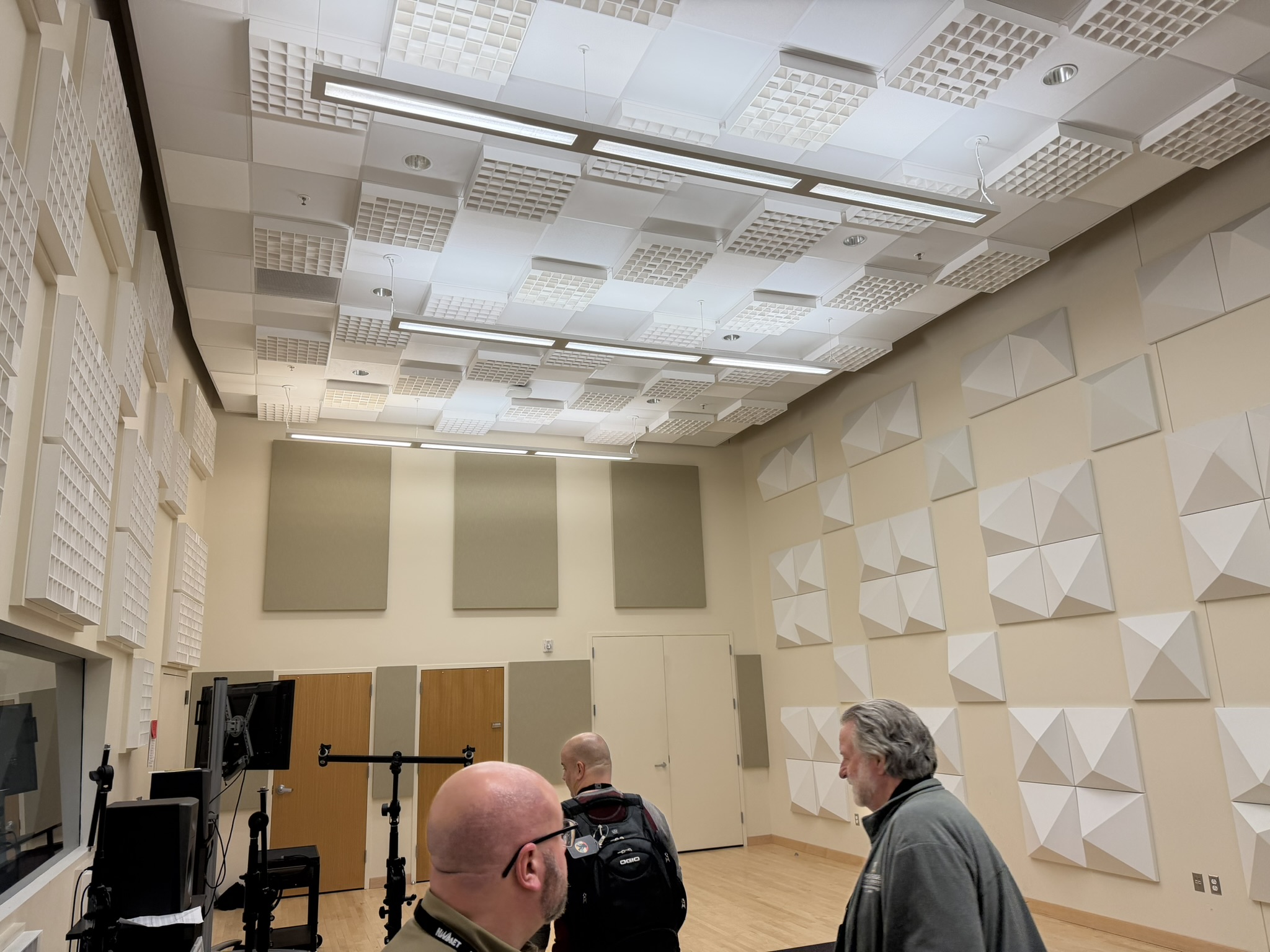
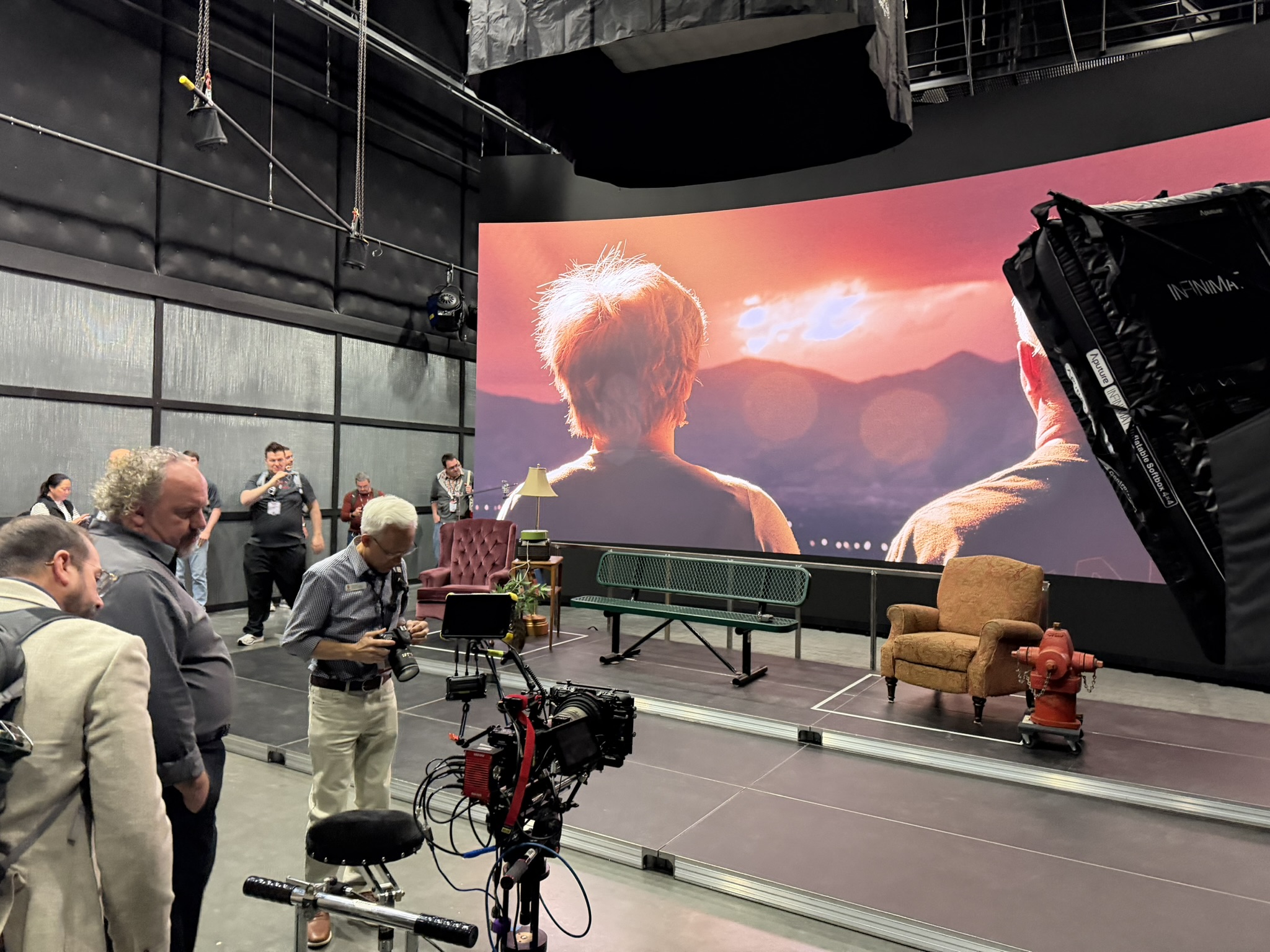
One of the highlights of the conference was the guided tour of Salt Lake Community College. Rather than simply walking through buildings, attendees were given an in-depth look at the institution’s impressive film and media production programs. The tour showcased a variety of learning environments and production spaces designed to support students pursuing careers in media, broadcasting, and content creation.
Seeing these spaces provided valuable insight into how technology can be used to support hands-on learning experiences. From production facilities to specialized instructional environments, it was clear that Salt Lake Community College has made a significant investment in creating opportunities for students to develop real-world skills. The guided nature of the tour also allowed attendees to ask questions and learn more about the design decisions, operational considerations, and educational goals behind the spaces.
The official conference concluded with a memorable closing dinner and celebration at the Natural History Museum of Utah. Overlooking Salt Lake City and surrounded by breathtaking views of the mountains, the museum provided an incredible setting to close out the week. The venue itself was remarkable, and it created the perfect environment for attendees to reconnect, reflect on what they had learned, and enjoy one final evening together.
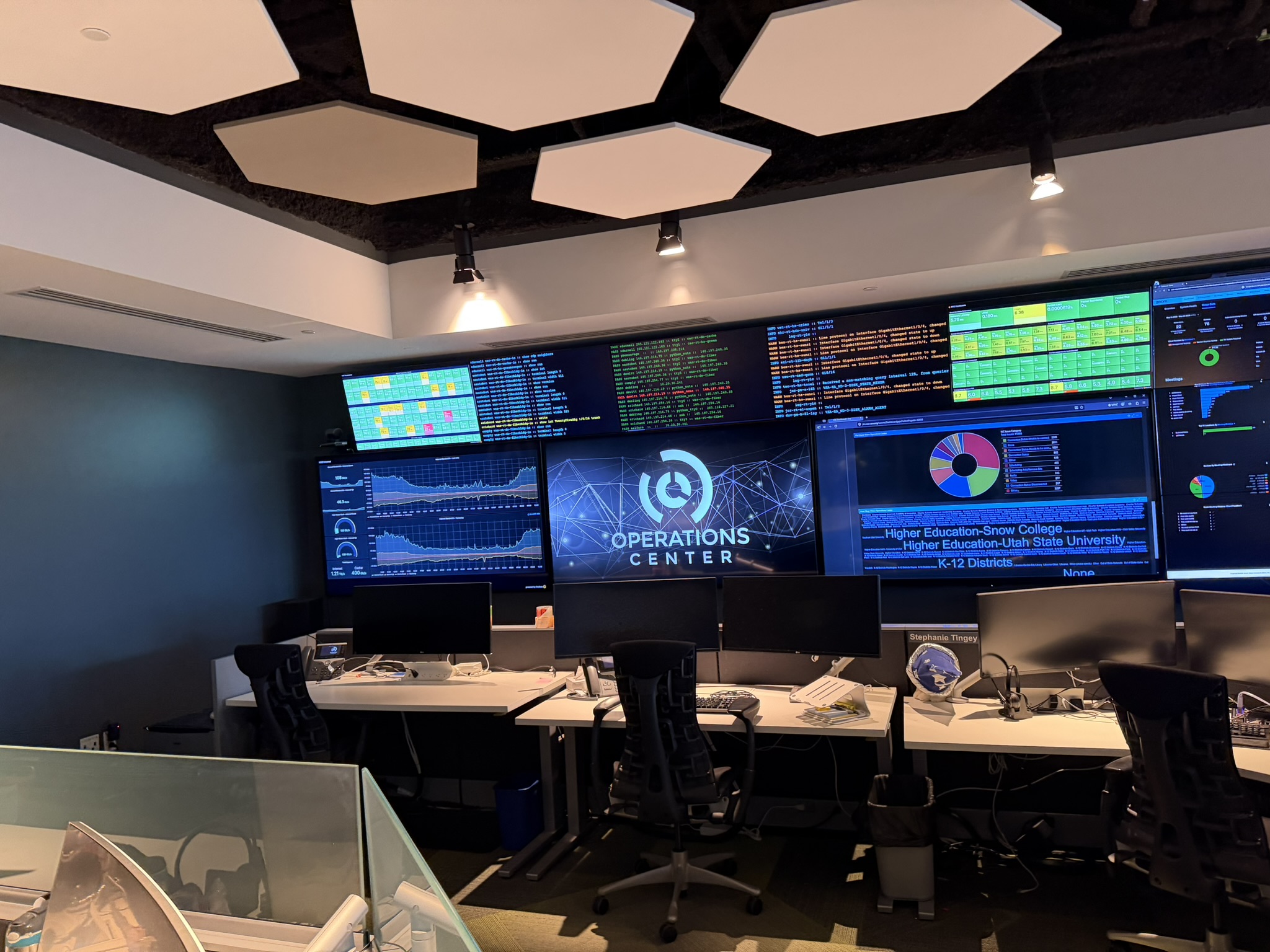
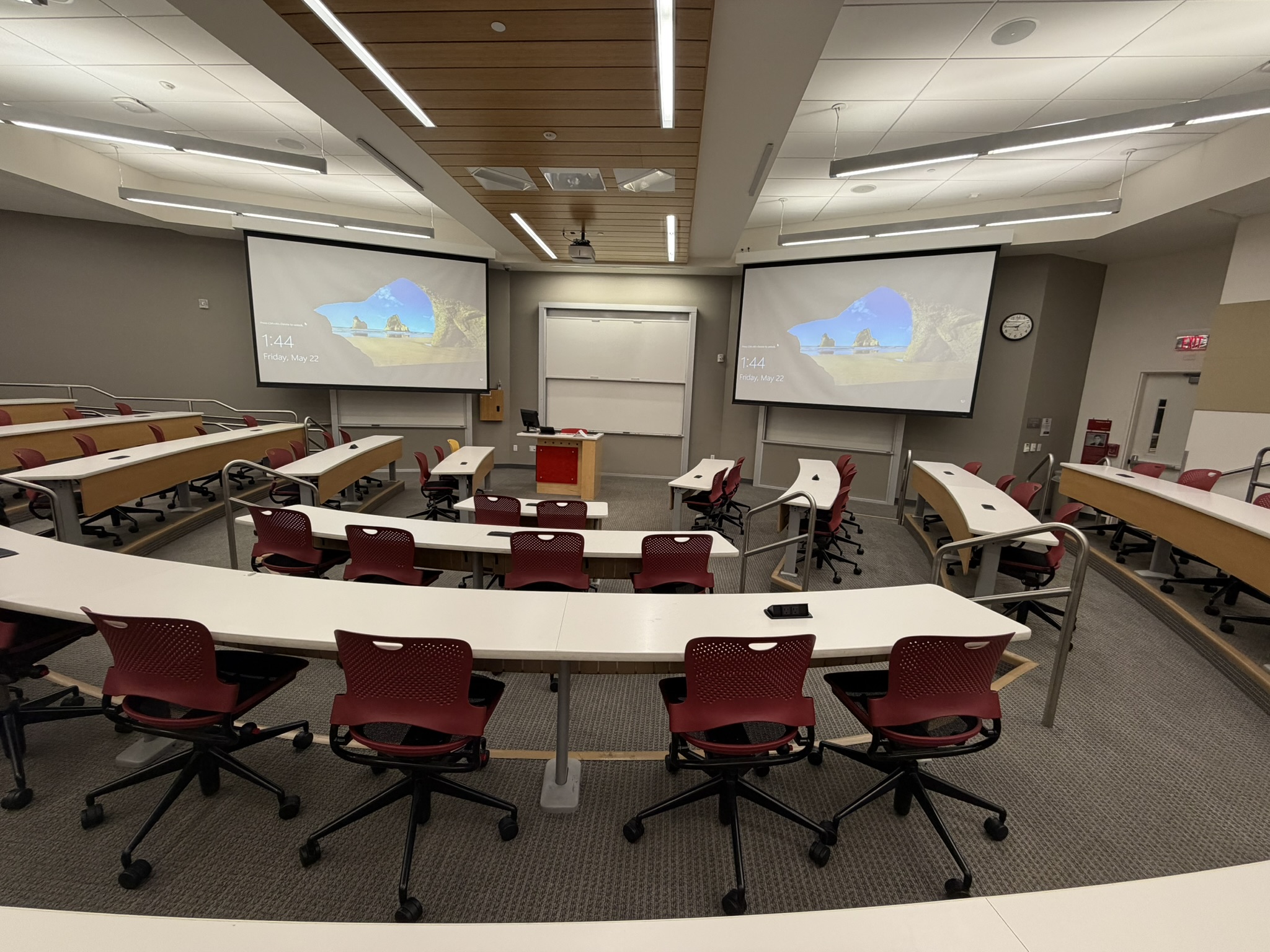
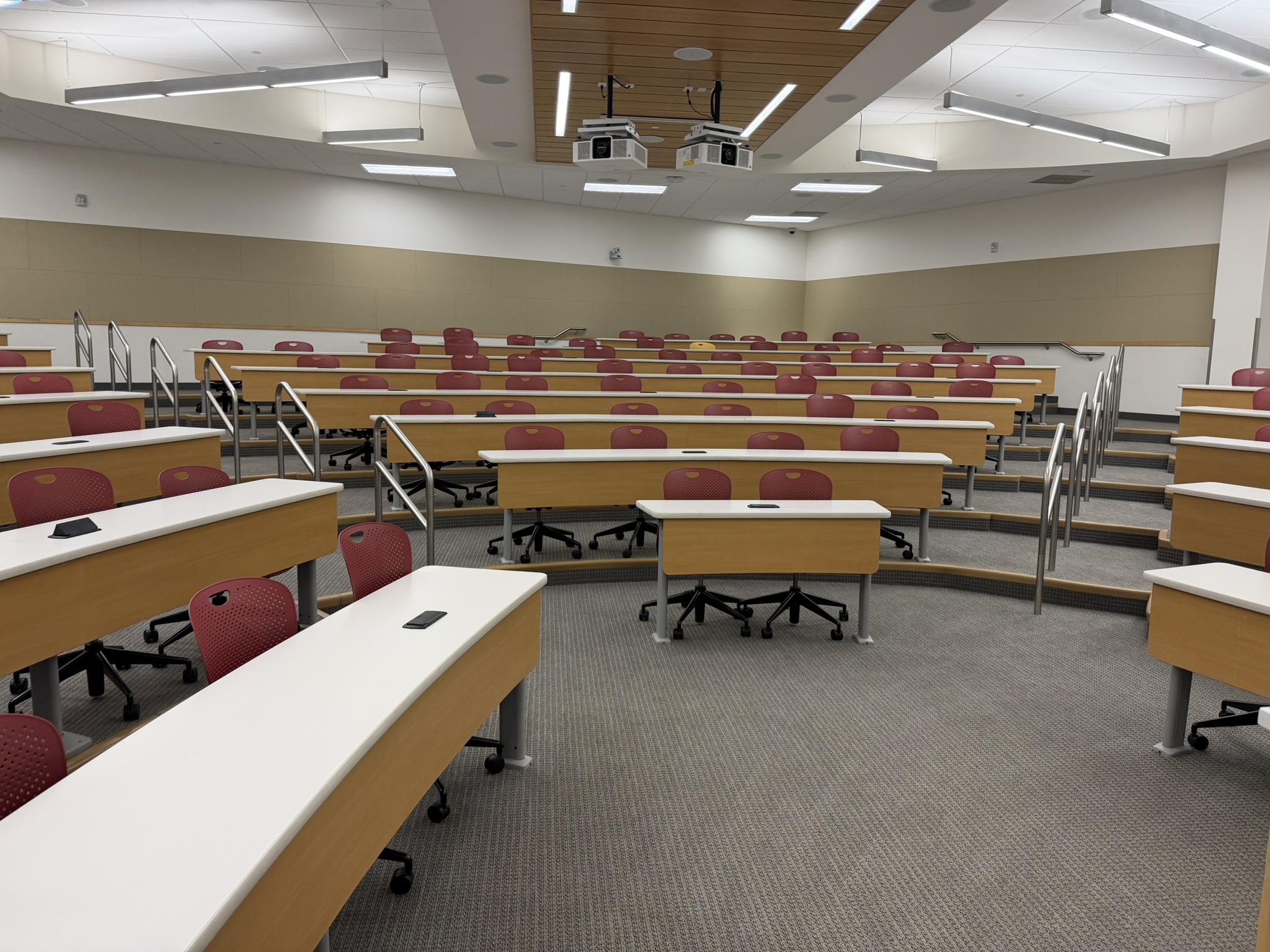
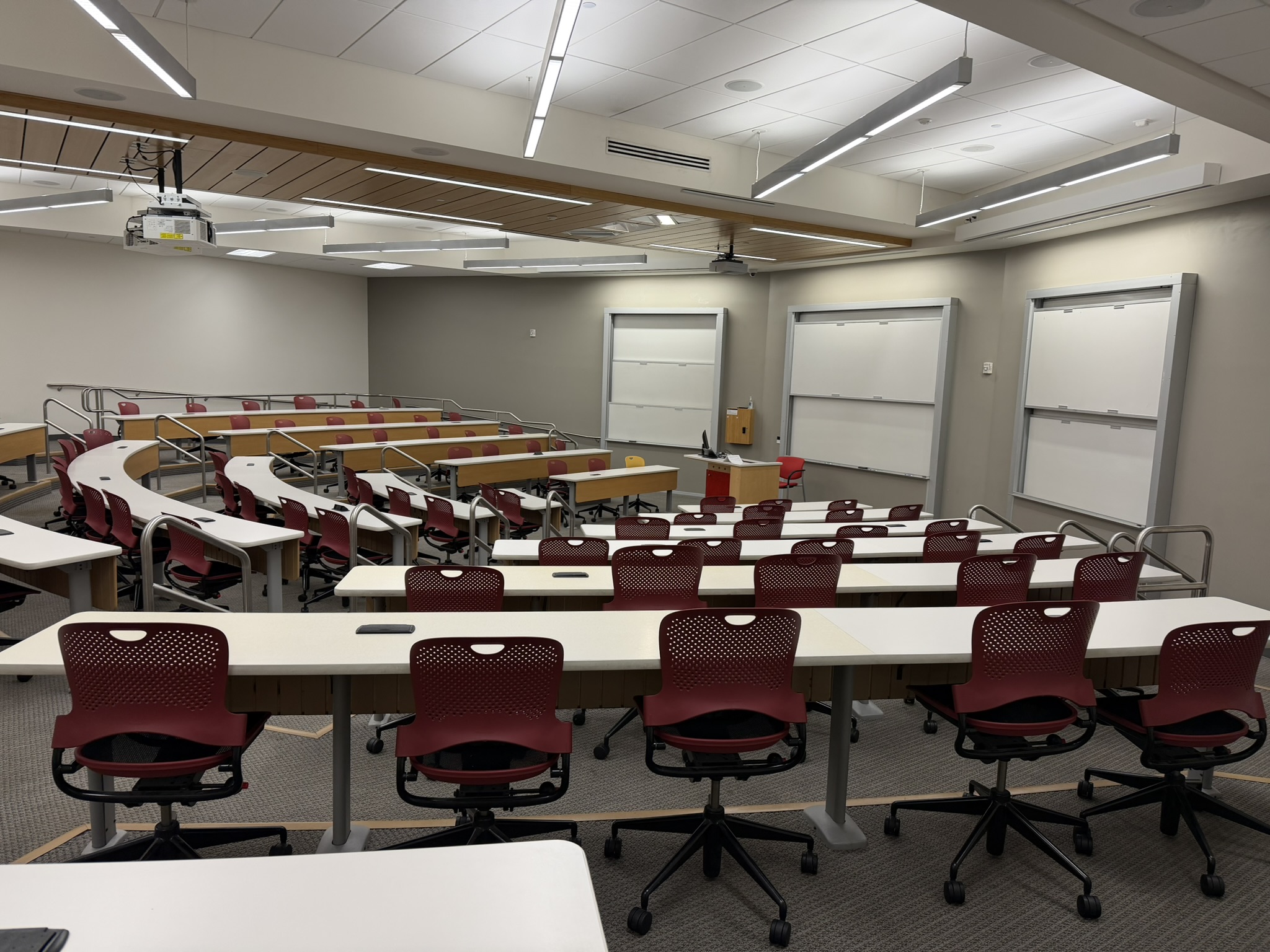
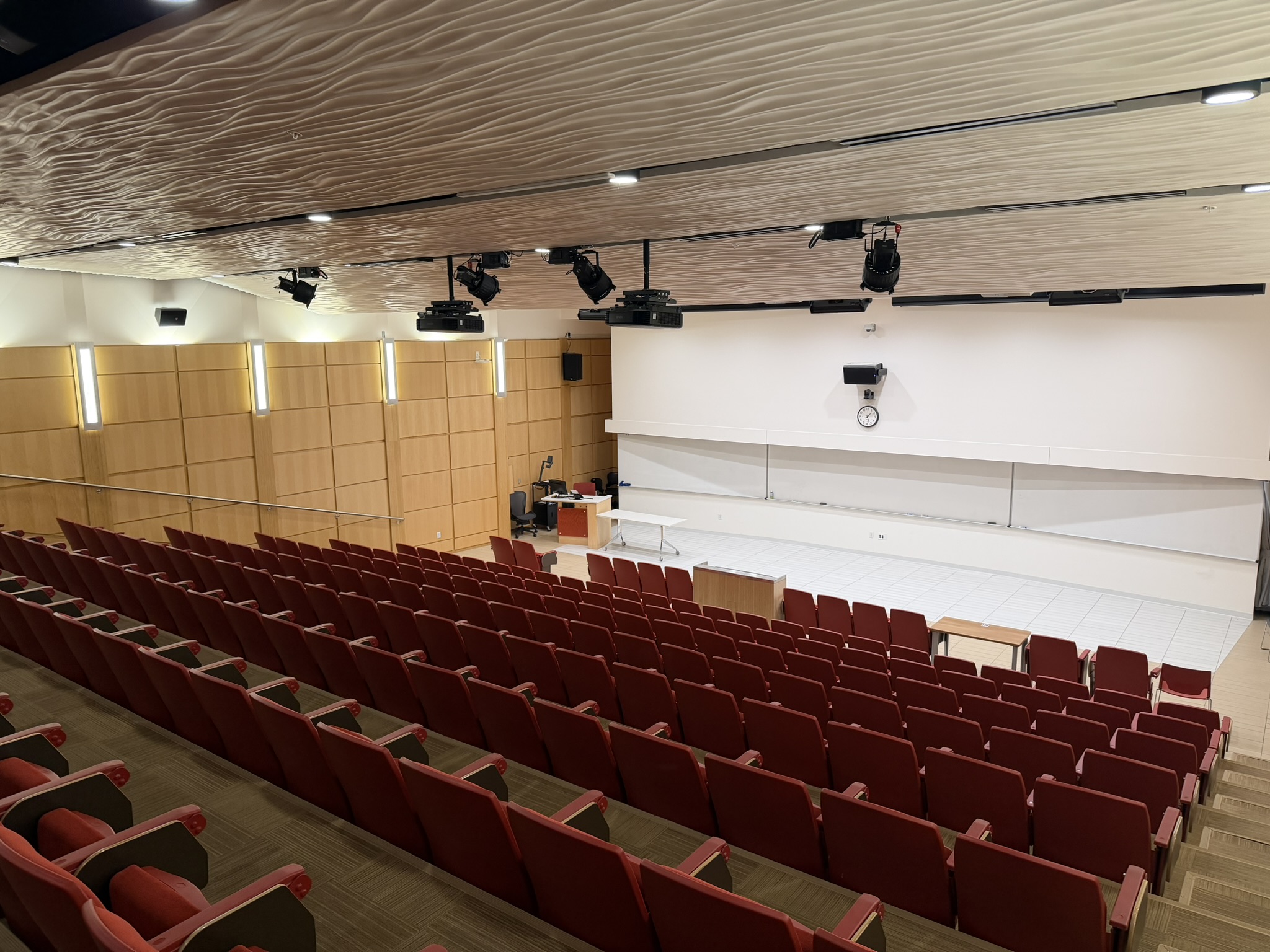
On Friday, attendees had the opportunity to participate in a self-guided tour of the University of Utah. While very different from the guided experience at Salt Lake Community College, the self-guided format allowed participants to explore the campus at their own pace and focus on the spaces that were most relevant to their interests.
The University of Utah campus provided a fascinating look at a wide variety of learning environments and technology deployments. Whether your interests were classroom technology, collaborative learning spaces, lecture capture, AV design, or support infrastructure, there was plenty to see. The ability to explore independently encouraged conversations among attendees and allowed everyone to spend more time examining the details that mattered most to them.
As valuable as the sessions, exhibits, and campus tours were, the true strength of NW/MET continues to be its community. Higher education technology professionals face many of the same challenges regardless of institution size or location. We are constantly being asked to do more with limited resources, support rapidly changing technologies, and create positive experiences for students and faculty.
Events like NW/MET provide an opportunity to share ideas, learn from one another, and discover that many of our challenges are not unique. Some of the most valuable conversations happen outside of formal sessions, whether during meals, in hallways, or while exploring campus tours.
As I reflect on NW/MET 2026, I am reminded that while technology continues to evolve, the importance of community remains constant. The sessions were excellent. The vendor showcase was outstanding. The campus tours provided valuable insights into innovative learning spaces. Most importantly, the people made the experience worthwhile.
NW/MET continues to be one of the premier events for higher education technology professionals, and this year’s conference demonstrated exactly why. I left with new ideas, new connections, and a renewed appreciation for the incredible work being done throughout our industry.
I am already looking forward to next year.