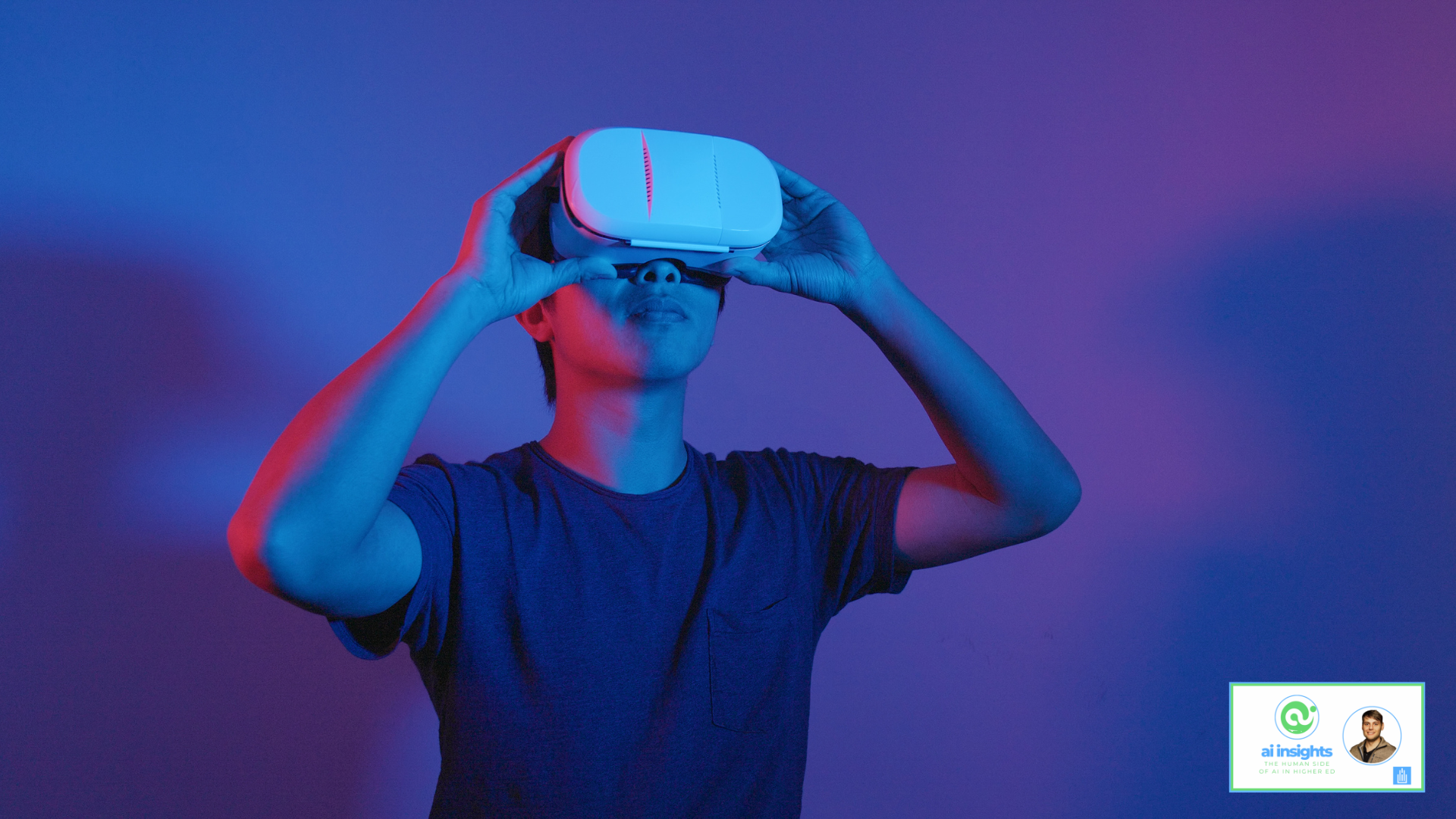


The World Language Appathon was an opportunity to empower students to lead and design interdisciplinary tech projects. The month-long hackathon supported the development of student projects focused on language learning through virtual reality. Students from diverse majors and skill levels were organized into intentionally interdisciplinary teams, resulting in a wide range of creative VR prototypes. Over the course of the month, computer science students collaborated with language students to design apps that combined educational principles with technical proficiency in VR.
As judges, we used a detailed rubric to provide constructive feedback and evaluate team success. The submissions showcased varied approaches to language learning, reflecting both creativity and resilience. Despite the tight timeline, students overcame the messy provisional issues and delivered impressive results.
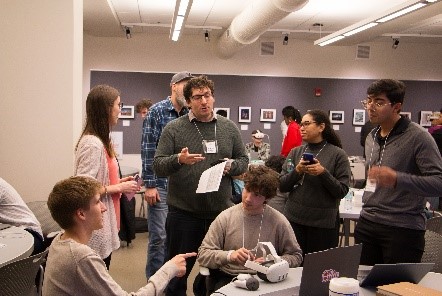
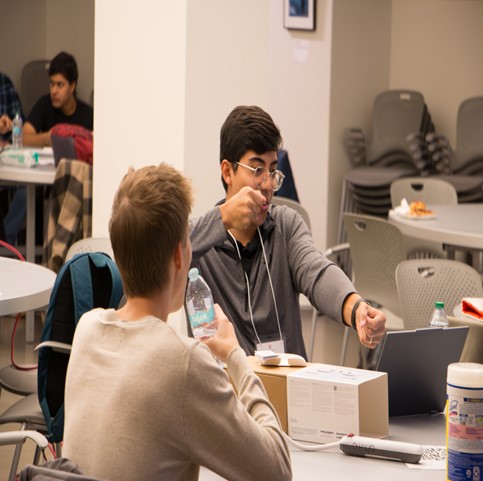
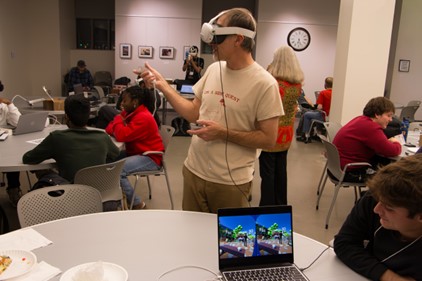
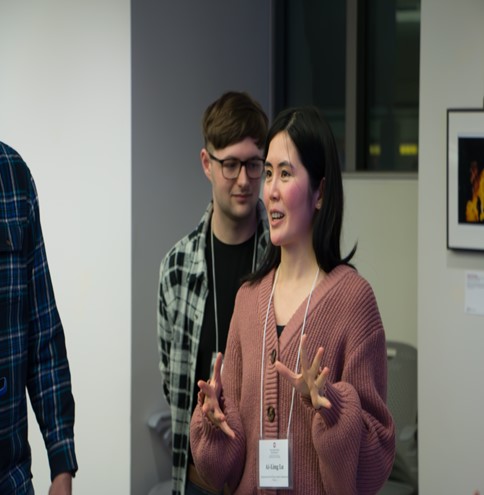
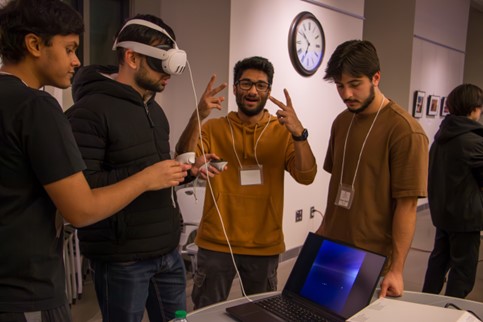
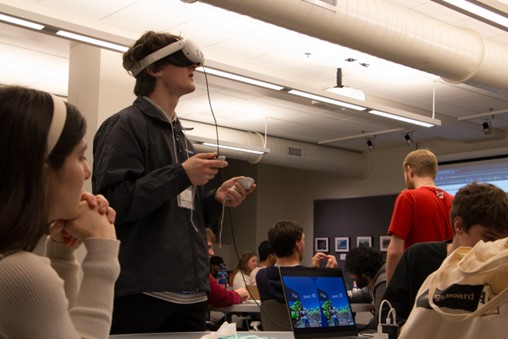
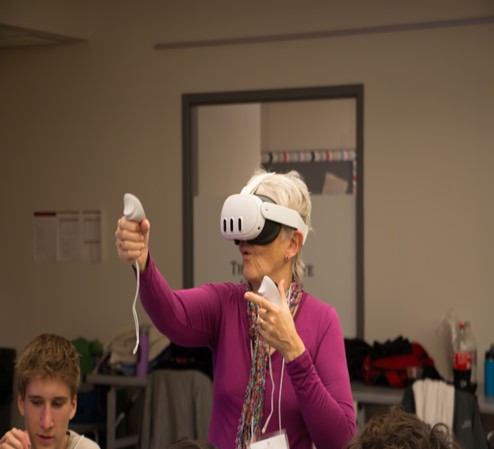
The use of tools such as Unity and Sketchfab was commendable, but what truly stood out were the projects built entirely from scratch, demonstrating remarkable technical skills and commitment to innovation. Students learned non-technical skills such as collaboration, cross-cultural communication, troubleshooting, and project management, and then presented their findings. One student remarked that they spent too much time developing their own assets and, in the future, they would use premade assets to focus efforts on deeper activities, such as game building.
The students did an excellent job navigating these barriers to create a learning experience. These Appathons are a rewarding experience for both the educator and students because they showcase both technical and pedagogical proficiency. CS students were immersed in a rich cultural learning experience, working closely with a subject matter expert whose language, culture, and teaching skills guided the direction of the app development. Relying on someone outside of their technical domain was both humbling in that it required them to step back and listen and ask questions as well as empowering, as it expanded their perspective and helped them create meaningful, culturally informed solutions. This collaboration gave them a deeper appreciation for expertise beyond computer science and showed how interdisciplinary partnerships elevate the quality and impact of their work.
Relying on someone outside of their technical domain was both humbling in that it required them to step back and listen and ask questions as well as empowering, as it expanded their perspective and helped them create meaningful, culturally informed solutions.
Participating in the World Language Appathon offers students a unique and rewarding experience, giving them the chance to work independently on real-world issues while collaborating with peers outside their own field of study. Unlike most academic projects, they design solutions for a true end user, learning to interpret needs, adapt ideas, and communicate across disciplines. This kind of authentic, cross-functional work is something many students don’t encounter until their last year in college. This makes the appathon an invaluable early opportunity to build confidence, ownership, and professional-level skills.
Future work iterations will explore AI as a tool for generating assets and code. Some students indicated they were able to test some of these features but mainly relied on the pre-built. Faculty want to students to limit reliance on AI as the tool currently will only correct your broken English, not teach you how to correct. These immersive experiences will be evolving alongside the rapidly growing tech.